 Skip to content


 Vertical Blinds
 Roman Blinds
 Roller Blinds
 Venetian Blinds
 Day and Night Blinds
 Skylight Blinds
 Children
 Wooden Blinds
 Curtains
 Blinds Accessories
 White
White Yellow
 Gold
Gold Green
Green Grey
Grey Pink
Pink Orange
 Animal
 Floral
 Geometric
 Striped
 Motorized Day and Night Blinds
 Motorized Roller Blinds
 No Drill Rollers
 Perfect Fit Wooden
 Perfect Fit Metal
 Thermal Blinds
 Better Sleep Blinds
 Cordless Blinds
 No Drill Blinds
 Blackout Blinds
 Waterproof Blinds
 Easy Wipe Blinds
 Taped Blinds
 Conservatory
 Office
 Kitchen
 Bathroom
 Dining Room
 Kids Room
 Living Room
 Bedroom
 Bay Window
 Conservatory Window
 Tild and Turn Window
 Bi Fold Window
 Roof of Skylight
 French Door
 Sliding Door
A Complete Buyer's Guide to Roller Blinds: Styles, Materials, and Prices (2026)
- by Mariam Labadze
Roller blinds stand out as the most popular and versatile window treatment in the UK. Their clean lines, straightforward operation, and expansive range of fabrics and finishes make them a perfect fit for nearly every room, aesthetic, and budget. From minimalist Scandi spaces to high-traffic kitchens, the roller blind is the functional cornerstone of modern design.
However, the sheer variety can be overwhelming. Choosing the right roller blind is about more than just picking a colour; it involves understanding fabric weight, light control capability, mechanism types, and long-term durability.
This definitive 2026 buyer's guide cuts through the complexity. We provide expert insights into the latest styles, materials, and pricing factors to help you make an informed decision and invest in a solution that enhances your home’s look and performance.
[toc]
Why Roller Blinds Remain the UK’s Top Choice in 2026
Despite the rise of smart shades and complex window coverings, roller blinds maintain their dominance due to their unmatched simplicity and adaptability.
Unmatched Versatility
Roller blinds consist of a single piece of fabric that wraps around a tube mechanism at the top of the window. When raised, the fabric disappears almost entirely, offering an unobstructed view. When lowered, they provide a sleek, uninterrupted block of colour or pattern. This minimal footprint makes them ideal for contemporary, streamlined interiors.
Economic and Accessible
Compared to shutters or Venetian blinds, roller blinds typically offer the best balance of quality and cost. Because the core components (the tube and mechanism) are standardized, the main cost variable is the fabric—allowing homeowners to easily scale quality to match their budget without sacrificing fundamental functionality.
👉 Start your journey by exploring our full range of designs and materials here: Roller Blinds
Understanding Roller Blind Materials: Light Control is Key
The fabric you choose dictates both the style and the primary function of your blind. In 2026, we categorize materials primarily by their light filtration capabilities:
1. Blackout Fabrics
These fabrics feature a dense, often multi-layered, construction or a special coating (usually PVC or foam) on the reverse side. They are designed to block virtually 100% of incoming light, making them perfect for bedrooms, media rooms, and nurseries.
-
Benefit: Essential for light-sensitive sleepers and for daytime privacy.
-
Pro Tip: For the ultimate blackout experience, combine the blackout fabric with a Non-Drill Honeycomb Blackout Blinds mechanism that sits flush within the frame, eliminating light gaps.
2. Dim-Out (Light-Filtering) Fabrics
Dim-out fabrics filter the light, reducing glare and providing privacy while still allowing natural illumination to enter the room. They are perfect for living rooms, dining rooms, and home offices where natural light is needed but direct sunlight is distracting.
-
Benefit: Softens harsh light and provides privacy without making the room dark.
3. Sheer/Voile Fabrics
These are lightweight, translucent fabrics that offer privacy during the day while allowing maximum light transmission. They are often used in combination with curtains or other blinds (layered look).
-
Benefit: Excellent for preventing people from seeing clearly into your home during the day.
4. Specialist Functional Fabrics
-
Thermal Fabrics: These feature a metallic or foam-backed layer that reflects heat. Choosing a thermal roller blind is an extremely effective way to enhance your home’s insulation, acting as a crucial barrier to reduce energy bills. Learn more about the savings here: Thermal Blinds.
-
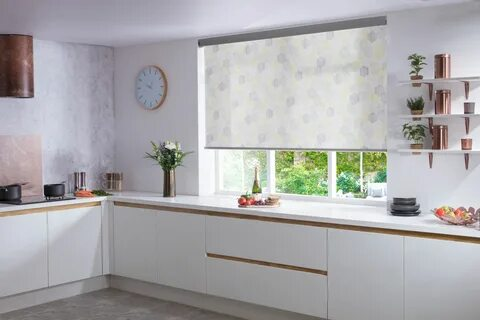
Waterproof Fabrics (PVC/Vinyl): PVC or treated vinyl fabrics are 100% waterproof and wipe-clean. These are non-negotiable for kitchens, utility rooms, and bathrooms where humidity, steam, and splashes are constant threats. Always choose dedicated Waterproof Blinds for high-moisture areas to prevent mould and extend the blind's lifespan.
Operation and Mechanisms: Convenience and Safety
The mechanism defines how you operate your roller blind, influencing both convenience and child safety.
Chain Control (Standard)
The traditional, reliable method. A beaded chain loop is attached to the side, allowing the user to pull it to raise or lower the blind. While economical, it requires the chain to be secured to the wall via a tension device for safety, making it less convenient for homes with young children.
Cordless/Spring Loaded
Cordless systems use an internal spring mechanism. A gentle tug on the bottom rail raises or lowers the blind, and it stays put when released.
-
Benefit: Superior child safety and a cleaner, less cluttered look. This is the 2026 standard for safety.
Motorised (Smart Blinds)
Motorised roller blinds use a small, discreet motor powered by battery or mains electricity.
-
Key Features: Operated via remote control, wall switch, or integrated with smart home systems (like Alexa or Google Home).
-
Future Trend: Motorisation allows for pre-set schedules, controlling the light and privacy automatically—a huge convenience for large windows or hard-to-reach areas.
Pricing and Value Factors
The price of a roller blind is determined by four main factors: size, fabric, mechanism, and fitting choice.
-
Size: Made-to-measure blinds cost more than ready-made options, but the perfect fit is essential for light control and thermal efficiency.
-
Fabric: Specialty fabrics, such as high-grade thermal or waterproof PVC, cost more than standard polyester dim-out materials due to the technological treatments involved.
-
Mechanism: Motorised options are the most expensive, followed by high-quality cordless systems. Standard chain-operated systems are the most budget-friendly.
-
Fitting: While professional installation adds a cost, choosing No Drill Blinds can save you installation money, as they are specifically designed for hassle-free, tool-free DIY fitting.
The 2026 Buying Checklist
Before placing your order for a new roller blind, ensure you have considered the following points:
-
Purpose: Is the goal Blackout (Bedroom), Privacy (Living Room), or Moisture Resistance (Bathroom)?
-
Measurement: Are your measurements for inside the recess or outside the recess? Double-check both width and drop.
-
Control: Do you require a standard chain, or will you invest in a safer, smarter cordless or motorised system?
-
Installation: Do you need a non-drill solution to protect your window frame?
-
Safety: Does the chosen blind comply with all current UK child safety regulations?
The roller blind remains a versatile and affordable staple in modern homes. By focusing on your specific needs—be it thermal performance, easy non-drill installation, or 100% light blockage—you can navigate the options and find the perfect roller blind to enhance your home for 2026 and beyond.
View all colour options, fabric types, and price points in our dedicated collection of Roller Blinds today.


)