Skip to content


 Vertical Blinds
 Roman Blinds
 Roller Blinds
 Venetian Blinds
 Day and Night Blinds
 Skylight Blinds
 Children
 Wooden Blinds
 Curtains
 Blinds Accessories
 White
White Yellow
 Gold
Gold Green
Green Grey
Grey Pink
Pink Orange
 Animal
 Floral
 Geometric
 Striped
 Motorized Day and Night Blinds
 Motorized Roller Blinds
 No Drill Rollers
 Perfect Fit Wooden
 Perfect Fit Metal
 Thermal Blinds
 Better Sleep Blinds
 Cordless Blinds
 No Drill Blinds
 Blackout Blinds
 Waterproof Blinds
 Easy Wipe Blinds
 Taped Blinds
 Conservatory
 Office
 Kitchen
 Bathroom
 Dining Room
 Kids Room
 Living Room
 Bedroom
 Bay Window
 Conservatory Window
 Tild and Turn Window
 Bi Fold Window
 Roof of Skylight
 French Door
 Sliding Door
Choosing Moisture-Resistant Blinds: Avoid These 3 Mistakes in Humid Rooms
- by Mariam Labadze
Kitchens and bathrooms are the moisture hotspots of any home. While stylish window treatments are a design priority, selecting the wrong material for these environments can lead to frustrating and costly problems: warping, corrosion, and, most commonly, the growth of unsightly black mould. These areas require solutions that are not just attractive, but engineered to withstand constant humidity and condensation.
Investing in waterproof blinds is essential, but even high-quality products can fail if fundamental mistakes are made during the selection and installation process.
This 2026 guide highlights the three most critical errors homeowners make when purchasing blinds for humid rooms. By understanding and avoiding these pitfalls, you can ensure your window treatments remain hygienic, durable, and functional for years to come.
[toc]
The Environment: Why Humidity is the Enemy
Humidity, steam, and condensation create a perfect storm for most traditional window coverings. When hot, moist air hits the cold glass pane, it creates condensation. This water then sits on the window sill and the fabric or slats of your blind.
Standard materials react badly:
-
Natural Fabrics (Cotton/Linen): Absorb moisture, becoming damp and quickly fostering mould growth.
-
Natural Wood: Absorbs moisture, leading to swelling, warping, and cracking.
-
Metal Components: Prone to rust and corrosion, leading to stiff or broken mechanisms.
A successful installation requires materials that are inherently non-porous and easy to clean, such as our range of high-performance Waterproof Blinds.
Mistake 1: Confusing "Moisture-Resistant" with "Waterproof"
This is the most common and expensive mistake. Many blinds are marketed as 'moisture-resistant' when they are merely better than plain cotton, but still far from adequate for high-steam environments.
The Critical Difference
-
Moisture-Resistant (The Risk): This typically means the fabric has been lightly treated to repel water, or it is a naturally robust synthetic. It can handle occasional dampness but will fail under constant condensation, especially if poor ventilation allows moisture to linger overnight.
-
100% Waterproof (The Solution): This means the material is non-porous and non-absorbent, making it impossible for water to penetrate and for mould to take root. Only a select few materials meet this standard.
The Right Materials to Choose
To ensure true longevity, always prioritise materials that are fundamentally waterproof:
-
PVC Roller Blinds: 100% waterproof and wipe-clean. The gold standard for bathrooms and utility rooms. These can be easily integrated with a thermal backing for rooms that are often cold (see our Thermal Blinds range for insulation benefits).
-
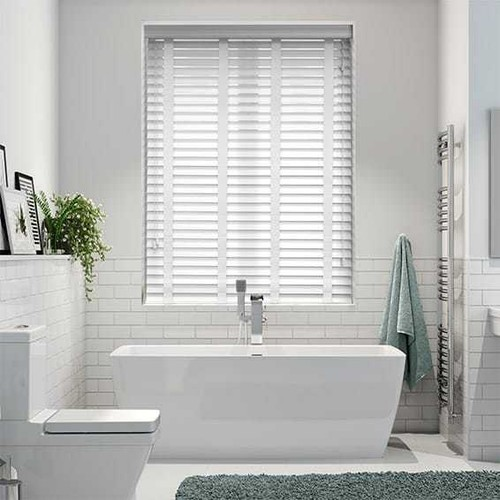
Faux Wood Blinds: Made from PVC composites, these provide the classic look of wood without the risk of warping. They are fully washable and durable against steam.
-
Aluminium Blinds: Naturally impervious to water and rust-resistant, offering a sleek, modern, and hygienic solution.
Mistake 2: Ignoring the Installation Method and Fit
Even if you choose a truly waterproof material, an improper fit or installation method can compromise your efforts, leading to mould growth behind the blind.
The Imperfect Fit Problem
If the blind is too small for the window recess, gaps form around the edges. When steam condenses on the glass, that water can drip down the sides of the blind and collect on the window sill or, worse, sit against the wall or frame. This standing water creates a perfect breeding ground for mould where the blind fabric meets the damp surface.
The Solution: Always opt for made-to-measure blinds that fit snugly within the recess to minimise gaps and ensure that condensation flows cleanly onto the sill for easy wiping.
The Drilling Mistake in Wet Areas
For uPVC windows in humid areas, drilling into the frame can create pathways for moisture. This can compromise the window’s internal thermal seals, leading to condensation between the glass layers or within the frame itself.
The Solution: Choose a No Drill Blinds system, such as a Perfect Fit mechanism. This keeps the window frame intact, maintains its integrity, and ensures the blind sits flush against the glass for the best possible protection against condensation tracking.
Mistake 3: Overlooking the Safety and Maintenance Factor
Humid rooms require more frequent cleaning than dry areas. Choosing a blind with high-maintenance requirements or unnecessary hazards creates long-term stress.
The Hygiene Trap
Some homeowners select fabric blinds with the intention of washing them, but constant removal, washing, and re-hanging is impractical and reduces the blind’s longevity.
The Solution: Choose materials that are instantly wipe-clean. PVC and Faux Wood allow you to quickly wipe away cooking residue, soap splash, or condensation with a mild detergent and a soft cloth. This ensures immediate hygiene and prevents grime build-up that encourages mould.
The Kitchen Safety Hazard
In kitchens, blind cords near stove tops, sinks, or countertops pose a dual threat: they are a well-documented risk for children and pets, and they can snag on appliances or cooking tools.
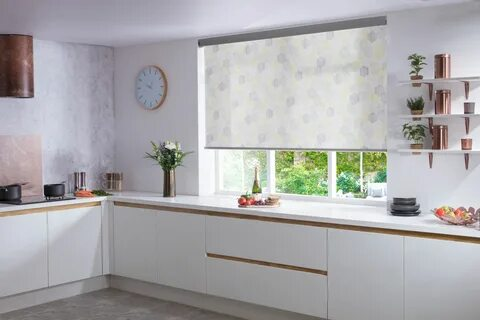
The Solution: Prioritise cordless operation. Most high-quality Roller Blinds, especially the spring-loaded or motorised PVC models, eliminate the need for cords entirely. This is essential for safety, especially where children are present, and provides a sleek, uncluttered aesthetic perfect for modern kitchens.
The Perfect Humid Room Blind Checklist for 2026
To avoid the three common mistakes, use this definitive checklist when purchasing your next window covering for a bathroom, kitchen, or utility room:
-
Material: Is it 100% non-porous (PVC, Faux Wood, Aluminium)?
-
Fit: Is it Made-to-Measure to eliminate condensation gaps?
-
Installation: Is it a No Drill system to protect the frame and ensure a flush fit?
-
Cleaning: Is it wipe-clean and easy to maintain hygiene?
-
Safety: Is it cordless for maximum child and kitchen safety?
By strictly adhering to these principles and investing in materials specifically engineered for water resistance, you can ensure your blinds are both beautiful and built to last in the most demanding areas of your home.
Don't compromise on durability. Explore our range of guaranteed Waterproof Blinds today and protect your home from moisture damage.