 Skip to content


 Vertical Blinds
 Roman Blinds
 Roller Blinds
 Venetian Blinds
 Day and Night Blinds
 Skylight Blinds
 Children
 Wooden Blinds
 Curtains
 Blinds Accessories
 White
White Yellow
 Gold
Gold Green
Green Grey
Grey Pink
Pink Orange
 Animal
 Floral
 Geometric
 Striped
 Motorized Day and Night Blinds
 Motorized Roller Blinds
 No Drill Rollers
 Perfect Fit Wooden
 Perfect Fit Metal
 Thermal Blinds
 Better Sleep Blinds
 Cordless Blinds
 No Drill Blinds
 Blackout Blinds
 Waterproof Blinds
 Easy Wipe Blinds
 Taped Blinds
 Conservatory
 Office
 Kitchen
 Bathroom
 Dining Room
 Kids Room
 Living Room
 Bedroom
 Bay Window
 Conservatory Window
 Tild and Turn Window
 Bi Fold Window
 Roof of Skylight
 French Door
 Sliding Door
How can I install blinds without drilling? (A Step-by-Step Guide for No Drill Solutions)
- by Mariam Labadze
 Quick Answer (The Immediate Solution)
You can install blinds without drilling by choosing specific types of hardware-free systems that rely on tension, adhesion, or friction fitting. The three most common and effective non-drill solutions available for 2026 are:
-
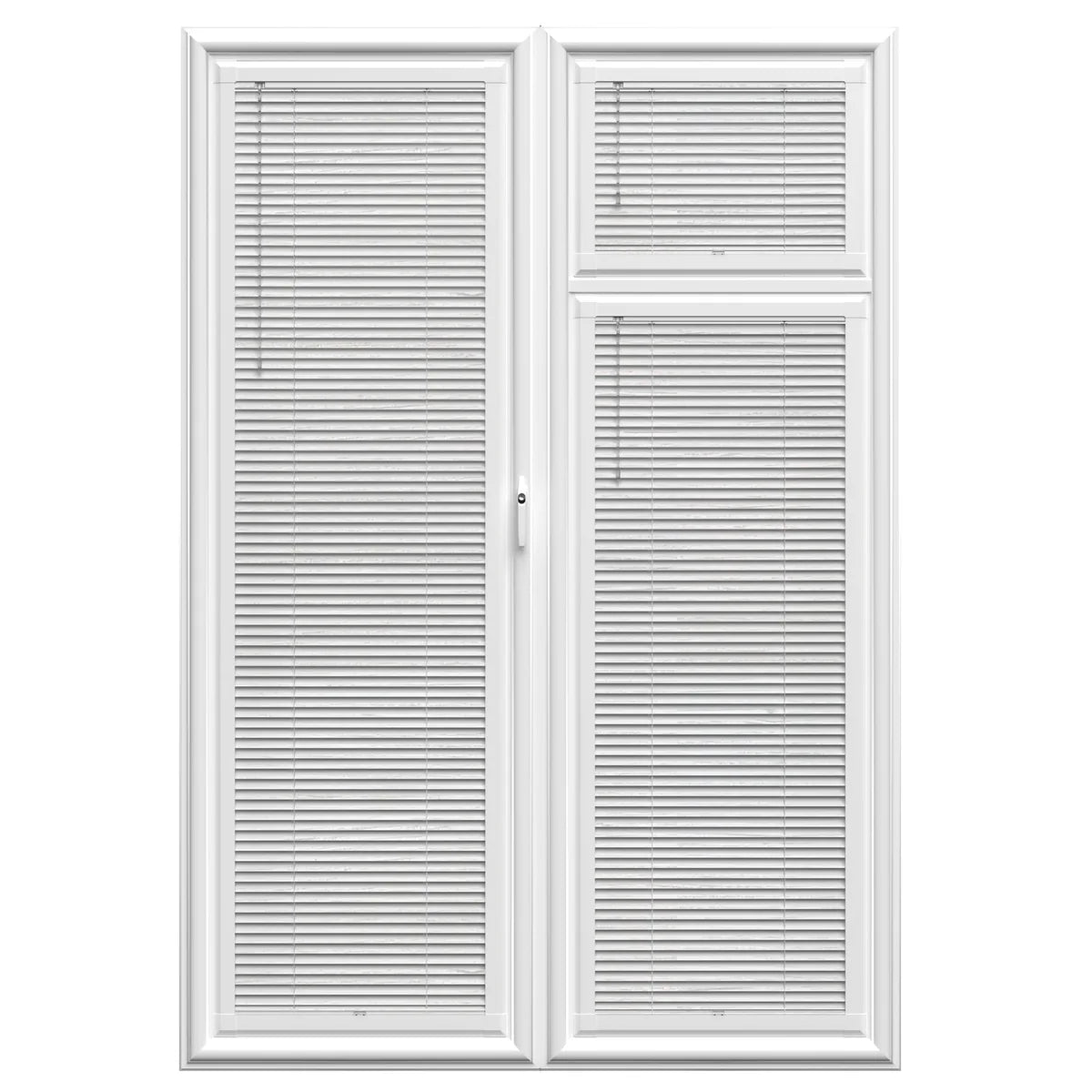
Perfect Fit Blinds: Use specialized clips that slide under the rubber seal of uPVC windows.
-
Tension Rod Blinds: Use spring-loaded pressure to hold the blind unit securely within the window recess.
-
Adhesive (Sticky-Fix) Blinds: Attach using strong industrial adhesive strips applied directly to the window frame.
These solutions are ideal for renters, protecting uPVC frames, and achieving a swift, clean installation.
[toc]
Detailed Breakdown: Choosing Your No-Drill Method
Choosing the right No Drill Blinds solution depends primarily on the type of window frame you have and the specific performance (light control, thermal efficiency) you require.
Option 1: Perfect Fit (The Premium Solution)
Perfect Fit blinds are a specific system enclosed within their own neat frame, designed to clip directly into the bead of a uPVC window. They offer the best light blockage and thermal performance because they sit flush against the glass.
Window Compatibility:
-
Required: uPVC (plastic) window frames with accessible rubber beading/seal.
-
Ideal For: French doors, conservatories, and tilt-and-turn windows, as the blind moves seamlessly with the door.
Step-by-Step Perfect Fit Installation:
-
Preparation: Check your window frame. Ensure it is clean and the rubber beading is accessible. Lay out the provided clip brackets.
-
Insert Clips: Gently use a flat tool (like a spatula or credit card edge) to ease the rubber beading away from the glass in the four corners of your window. Slide a clip bracket into the gap until it sits firmly in place.
-
Align Frame: Take the fully assembled Perfect Fit blind unit. Line up the top edge of the blind frame with the top clips you inserted.
-
Clip into Place: Push the entire blind frame firmly towards the window. The frame will click onto the clips, securing it tightly in position.
-
Test: Operate the blind. It should glide smoothly up and down, and the entire unit should feel rock-solid.
Option 2: Tension Rod Blinds (The Versatile Solution)
Tension rod systems rely on outward pressure (friction) to hold the blind in place. They are popular for simple Roller Blinds and smaller openings.
Window Compatibility:
-
Required: A robust, parallel recess or frame opening that can withstand pressure.
-
Ideal For: Small windows, narrow openings, and certain types of window recesses where drilling is impossible.
Step-by-Step Tension Rod Installation:
-
Adjust Rod: Extend the tension rod component slightly beyond the measured width of the window recess.
-
Compress Rod: Carefully compress the rod inward and place it inside the recess at the desired height.
-
Release Tension: Once positioned, release the rod. The spring-loaded mechanism will push against the opposing sides of the recess, creating enough friction to hold the blind firmly in place.
-
Attach Blind (If Separate): If the blind fabric is separate, hook or clip the roller tube mechanism onto the tension rod brackets.
-
Test: Give the blind a tug. It should be securely fixed and not slide down the frame.
Option 3: Adhesive/Sticky-Fix Blinds (The Simple Solution)
These systems use ultra-strong industrial adhesive tape on the back of the mounting brackets, requiring no tools beyond a cloth for cleaning.
Window Compatibility:
-
Required: A clean, flat surface on the window frame or recess where the bracket can adhere.
-
Caution: Less ideal for constantly steamy environments like poorly ventilated bathrooms, as extreme humidity can eventually weaken the adhesive bond (for those areas, use Waterproof Blinds with a Perfect Fit system).
Step-by-Step Adhesive Blind Installation:
-
Preparation: This step is crucial. Thoroughly clean the area where the brackets will be placed using alcohol or a strong degreaser to remove all dirt, oil, and dust. The surface must be perfectly dry.
-
Mark Position: Lightly mark the exact placement for the brackets on the frame using a pencil to ensure they are level and spaced correctly.
-
Peel and Press: Peel the protective backing from the adhesive strip on the bracket. Carefully align the bracket with your mark.
-
Firm Pressure: Press the bracket firmly against the frame for a minimum of 30-60 seconds. The more pressure, the stronger the bond.
-
Cure Time: Do not hang the blind immediately. Allow the adhesive to cure (often 24 hours, depending on the product instructions) before adding the weight of the blind unit.
-
Attach Blind: Once cured, clip or slide the blind unit onto the installed adhesive brackets.
Advantages of No-Drill Solutions in 2026
Beyond the simple installation, opting for a No Drill Blind offers significant practical benefits for modern living:
-
Protects Property: Absolutely essential for renters who cannot risk drilling and forfeit their deposit.
-
Preserves Window Warranty: Drilling into uPVC frames can void the manufacturer’s warranty on your windows.
-
Enhanced Child Safety: Most non-drill systems, especially Perfect Fit and premium tension rods, are inherently cordless, eliminating the risks associated with hanging cords.
-
Maximizes Energy Efficiency: Solutions like Perfect Fit ensure a flush fit, crucial for maximizing the performance of cellular (honeycomb) shades, like our Non-Drill Honeycomb Blackout Blinds.
Troubleshooting Common No-Drill Issues
Even the easiest installation can encounter small snags. Here are quick fixes for common issues:
-
Issue: The tension rod keeps slipping.
-
Fix: Ensure the surfaces are clean (dust can reduce friction). Extend the rod further to increase the spring tension.
-
Issue: The adhesive bracket fell off.
-
Fix: The surface was likely not cleaned properly, or the blind was hung before the adhesive cured. Re-clean the area with alcohol and use a fresh adhesive strip, ensuring you press firmly and wait the full curing time.
-
Issue: The Perfect Fit clips won't slide in.
-
Fix: Your rubber seal may be too tight, or your frame material may not be uPVC (Perfect Fit only works on uPVC frames with accessible beading).
The 2026 Takeaway
Installing blinds without drilling is now the easiest and often the most efficient method of dressing your windows. Whether you need the seamless, high-performance integration of Perfect Fit for your uPVC doors or the flexible simplicity of a tension rod, the market offers a damage-free solution for virtually every window type.
Ready to try the 5-minute install? Explore our full collection of hassle-free No Drill Blinds today and skip the toolbox entirely.







)