Skip to content


 Vertical Blinds
 Roman Blinds
 Roller Blinds
 Venetian Blinds
 Day and Night Blinds
 Skylight Blinds
 Children
 Wooden Blinds
 Curtains
 Blinds Accessories
 White
White Yellow
 Gold
Gold Green
Green Grey
Grey Pink
Pink Orange
 Animal
 Floral
 Geometric
 Striped
 Motorized Day and Night Blinds
 Motorized Roller Blinds
 No Drill Rollers
 Perfect Fit Wooden
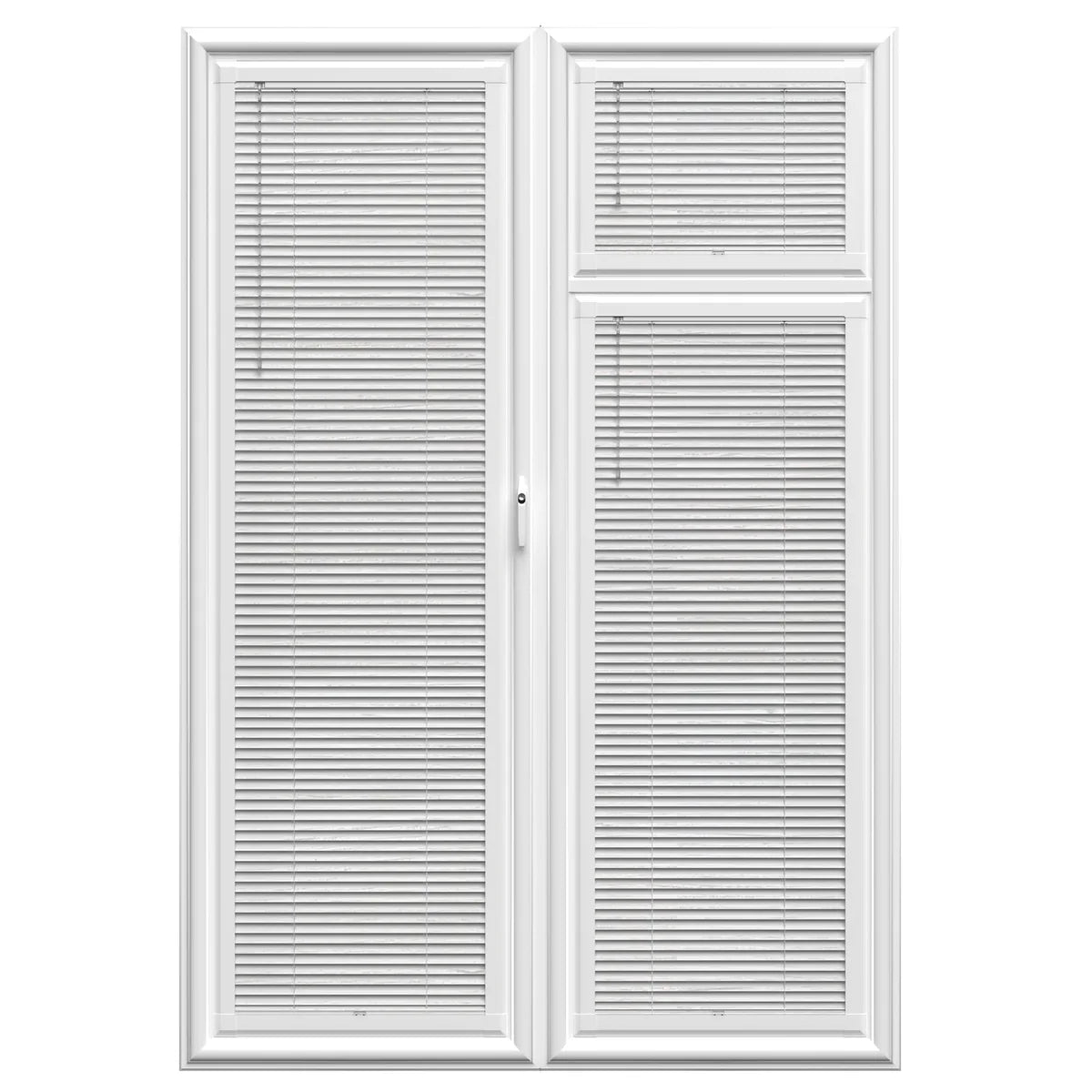 Perfect Fit Metal
 Thermal Blinds
 Better Sleep Blinds
 Cordless Blinds
 No Drill Blinds
 Blackout Blinds
 Waterproof Blinds
 Easy Wipe Blinds
 Taped Blinds
 Conservatory
 Office
 Kitchen
 Bathroom
 Dining Room
 Kids Room
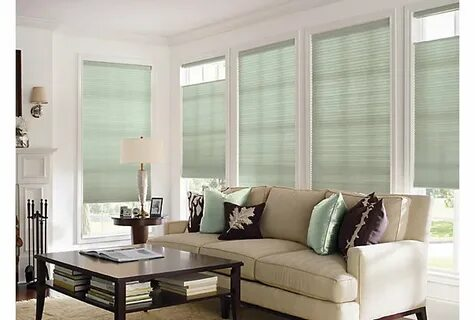 Living Room
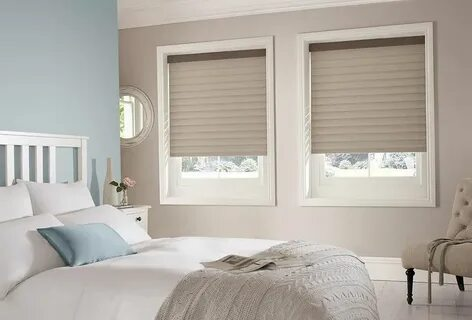 Bedroom
 Bay Window
 Conservatory Window
 Tild and Turn Window
 Bi Fold Window
 Roof of Skylight
 French Door
 Sliding Door
No Drill Blinds for Bay Windows: What Are Your Options?
- by Mariam Labadze
 Bay windows are one of the most coveted architectural features in UK homes — they flood rooms with light, create alcove seating space, and add character to Victorian and Edwardian properties from Edinburgh to Bristol. But they also present one of the most awkward window dressing challenges around. Three or more angled panes, different depths, and the impracticality of hanging a single standard blind across the whole bay mean that most homeowners end up drilling into original woodwork they would rather have left untouched. No-drill blinds for bay windows are the solution — and in 2026, the options are better than ever.
Why Bay Windows Are Difficult to Dress
A typical UK bay window consists of a large centre panel flanked by two angled side panels, though three-sided bays and curved bays also exist. Each panel has its own recess depth, and the angles between panels are rarely standard — 30, 45, and 90 degrees are all common. Hanging curtain tracks across a bay requires specialist bay tracks and professional fitting. Drilling blinds into each individual pane is the most straightforward approach, but it is irreversible and risks damaging original window frames in listed or period properties.
No-drill blinds solve the damage problem entirely by using tension, friction, or mechanical clip systems that grip the window frame or bead without any fasteners.
No-Drill Options That Work for Bay Windows
Tension-Mounted Roller Blinds
Tension-mounted roller blinds use a spring-loaded mechanism at each end of the headrail that presses against the inside of the recess. They require a minimum recess depth of around 45 mm to grip securely, and work best on windows with a flat internal surface on each side. For bay windows, each panel is treated independently — you order three separate tension blinds sized to each pane, which also allows you to operate them independently for flexible light control.
The limitation of tension systems is width. Most tension-mounted blinds are stable up to about 120 cm wide. Very large centre bay panels may need a face-fixed solution or a different no-drill system.
Perfect Fit Blinds
Perfect fit blinds are arguably the best no-drill solution for bay windows. They use a slim aluminium frame that clips onto the window bead — the thin strip of plastic or timber that holds the glass in a uPVC or timber frame — without any adhesive or fixings. Because they clip directly onto the individual pane, they are perfectly sized for each section of the bay and travel with the window if it opens.
Perfect fit blinds are available in roller, venetian, and pleated styles, and they sit flush against the glass with virtually no side gap. This makes them one of the most effective light-controlling blind systems available for bay windows.
Explore our range of no-drill solutions in our no-drill blinds collection — perfect fit options are listed alongside tension and clip-on systems.
No-Drill Venetian Blinds with Adhesive Brackets
Some venetian blind ranges are supplied with peel-and-stick adhesive brackets designed for uPVC frames. These brackets hold the headrail clips firmly against the frame without drilling, and can typically support blind widths up to 150 cm. For bay windows this works well on each pane treated individually, though the adhesive must be applied to a clean, flat frame surface and left to cure for 24 hours before the blind is clipped in.
These systems are removable — the adhesive pads can be peeled off uPVC without leaving marks — though they can sometimes pull paint from timber frames. Check the frame material before ordering.
Honeycomb No-Drill Blinds
Our honeycomb blackout blinds use a patented frame system that fits inside the window recess without any drilling. For bay windows, a honeycomb blind in each panel provides not only excellent light control and blackout performance but significant thermal insulation — particularly valuable in bay windows, where heat loss from multiple glass panels can be substantial in winter.
The honeycomb blackout blind system is specifically engineered for no-drill installation and fits within recesses as shallow as 20 mm.
Measuring Bay Windows for No-Drill Blinds
Each panel of a bay window must be measured independently. For tension or perfect fit systems, measure the internal width of the recess (not the glass) and the drop from the top of the recess to the windowsill. Measure at the top, middle, and bottom for both dimensions and use the smallest measurement.
Note the recess depth as well — this is the measurement from the front of the window frame to the glass. Shallow recesses under 40 mm may not accommodate all tension systems, but perfect fit and adhesive bracket systems work in very shallow recesses.
💡 Measure each panel separately and order each blind to size. A standard UK bay window typically requires three blinds. Some manufacturers allow you to order sets with a slight discount.
Styling Bay Window Blinds
One of the design advantages of dressing each bay panel independently is the ability to choose different fabrics or colours for the side panels versus the centre — though for a cohesive look, the same fabric across all three panels almost always works best. In a bedroom, blackout or dim-out fabrics across all three panels ensure consistent darkness. In a living room, a light-filtering or sheer fabric keeps the space bright and maintains views out.
For a more traditional look, some homeowners combine a no-drill blind in each pane with a curtain track spanning the full width of the bay, hung inside the room in front of the recess. This gives the flexibility of curtains for evening privacy and the practicality of individual blinds for daytime light control.
Child Safety and Bay Windows
Bay windows, particularly in Victorian and Edwardian terrace houses, often sit close to the floor — making them accessible to young children. All no-drill blind systems should be specified with child-safe cordless operation wherever possible. Perfect fit and honeycomb blinds are inherently cordless by design, which makes them an excellent choice in family homes. Tension-mounted roller blinds are also available in cordless formats.
For homes with young children, our cordless blinds range covers all major blind types in fully cord-free operation.
Conclusion
No-drill blinds for bay windows are a practical, elegant, and renter-friendly solution that has improved considerably in recent years. Perfect fit blinds offer the best light seal and the most polished appearance. Tension-mounted systems work well for smaller panes. Honeycomb no-drill blinds add thermal performance to the mix. Whichever system you choose, measure each panel individually and order each blind independently for the best result.