Skip to content


 Vertical Blinds
 Roman Blinds
 Roller Blinds
 Venetian Blinds
 Day and Night Blinds
 Skylight Blinds
 Children
 Wooden Blinds
 Curtains
 Blinds Accessories
 White
White Yellow
 Gold
Gold Green
Green Grey
Grey Pink
Pink Orange
 Animal
 Floral
 Geometric
 Striped
 Motorized Day and Night Blinds
 Motorized Roller Blinds
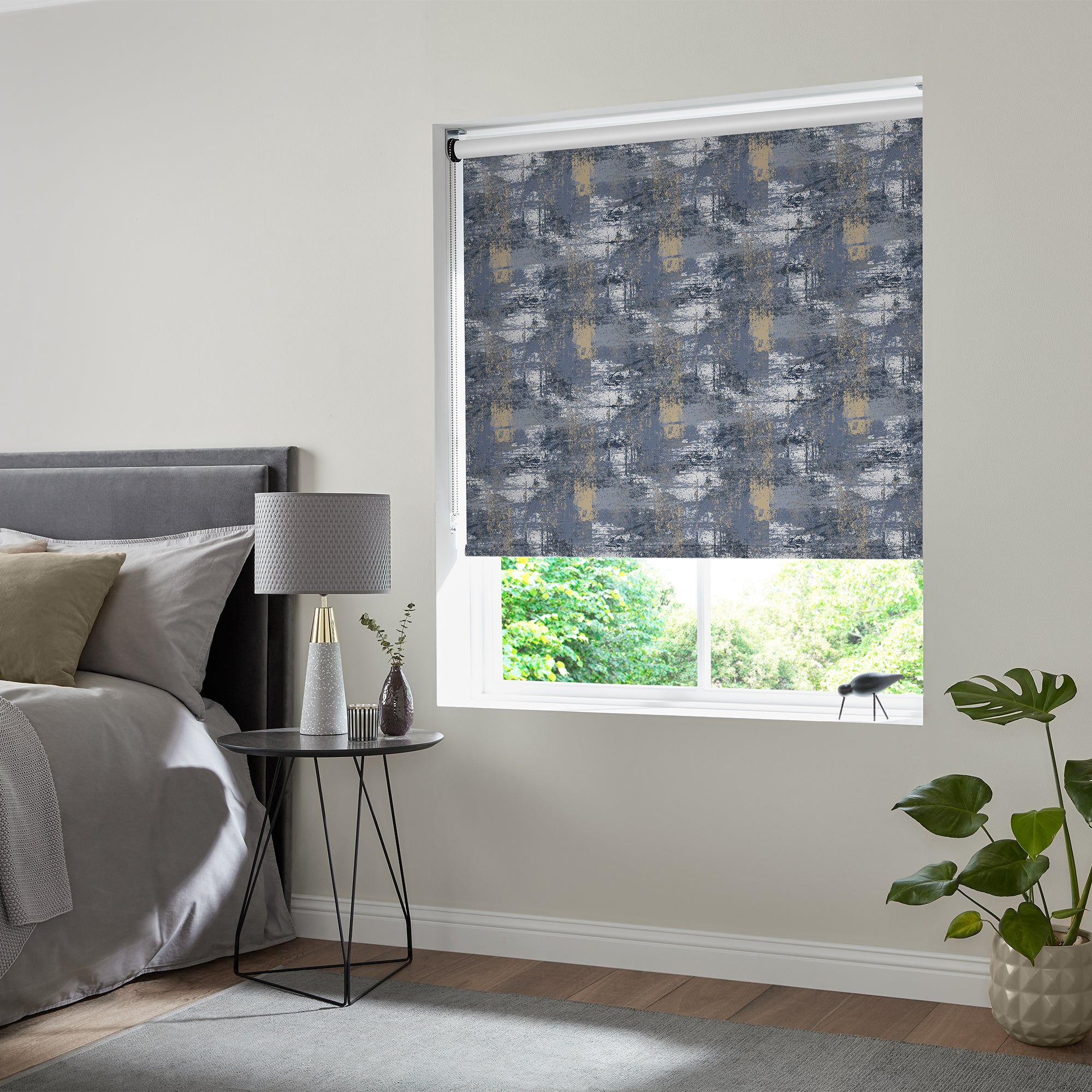 No Drill Rollers
 Perfect Fit Wooden
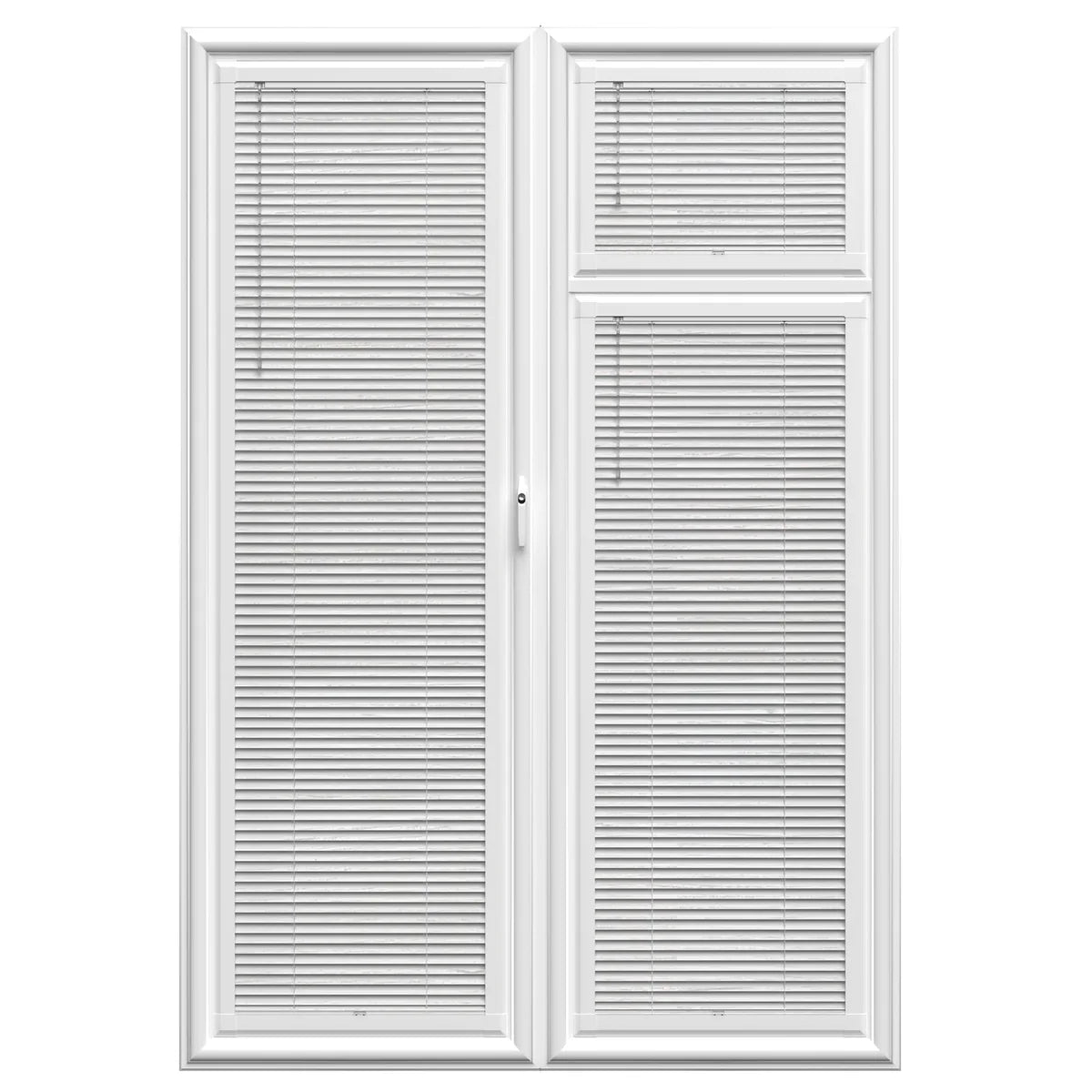 Perfect Fit Metal
 Thermal Blinds
 Better Sleep Blinds
 Cordless Blinds
 No Drill Blinds
 Blackout Blinds
 Waterproof Blinds
 Easy Wipe Blinds
 Taped Blinds
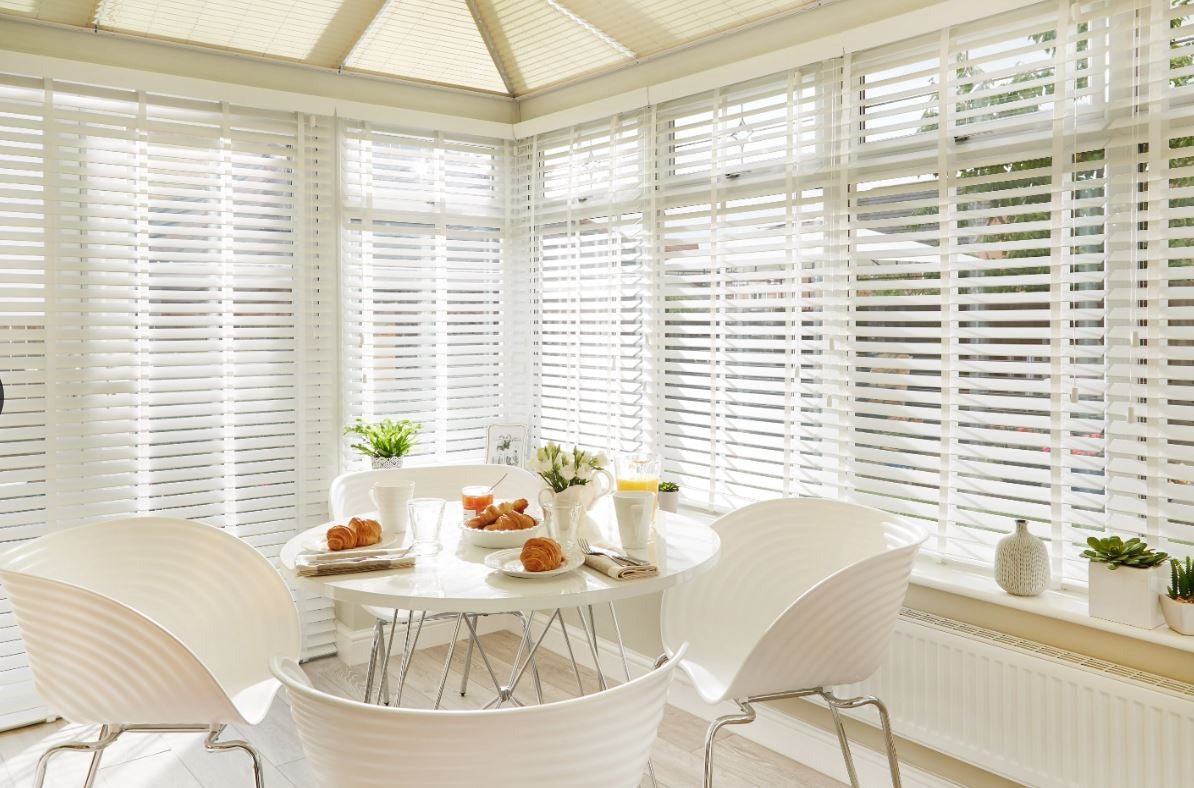 Conservatory
 Office
 Kitchen
 Bathroom
 Dining Room
 Kids Room
 Living Room
 Bedroom
 Bay Window
 Conservatory Window
 Tild and Turn Window
 Bi Fold Window
 Roof of Skylight
 French Door
 Sliding Door
Blackout Roller Blinds vs. Honeycomb Shades: Which Provides Better Sleep and Insulation?
- by Mariam Labadze

Quick Answer (The Sleep & Energy Verdict)
For those seeking the ultimate environment for deep sleep and maximum energy efficiency in 2026, the Honeycomb (Cellular) Shade is the superior choice.
-
Choose Honeycomb Shades if: You want the best possible insulation (highest R-value) and a 100% "pitch-black" room. When paired with a No Drill Blinds system, they eliminate the side light gaps that plague standard blinds.
-
Choose Blackout Roller Blinds if: You want a simpler, more durable, and budget-friendly solution for darkness. They are excellent for children’s rooms and guest bedrooms where ease of use and low maintenance are the primary goals.
While Roller Blinds offer fantastic value, the unique cellular structure of the honeycomb shade provides a level of thermal stability and acoustic dampening that rollers simply cannot match.
[toc]
Detailed Breakdown: The Science of Restful Sleep
Sleep quality is heavily influenced by three environmental factors: light, temperature, and sound. Both of these window treatments aim to control these variables, but they do so using very different technologies.
1. Light Control: Achieving Total Darkness
The term "blackout" refers to the fabric's ability to block light, but the system's ability to block light is what determines if you can sleep during a bright summer morning.
The Roller Blind Challenge:
A standard blackout roller blind is a single sheet of opaque fabric. Even if the fabric is 100% blackout, light will almost always "leak" around the edges, creating a halo of light. This happens because the fabric must sit slightly away from the window frame to allow the mechanism to turn. For many sleepers, this peripheral light is enough to suppress melatonin production.
The Honeycomb Advantage:
Honeycomb shades, particularly our Non-Drill Honeycomb Blackout Blinds, solve the light-leakage problem. Because they are often installed using a "Perfect Fit" frame that clips directly to the window, the fabric sits flush against the glass. There are no side gaps. This creates a true "sealed" environment, providing the level of darkness required by shift workers and parents of infants.
2. Thermal Insulation: R-Values and Temperature Stability
Temperature fluctuations are a common cause of night-time waking. A room that gets too cold at 3 AM or too hot at 6 AM will disrupt your circadian rhythm.
How Roller Blinds Insulate:
Standard blackout rollers offer moderate insulation by creating a basic barrier. However, for real performance, you need Thermal Blinds in a roller format. These feature a reflective silver backing that bounces radiant heat back into the room. While effective, the single-layer design means heat can still escape through the air gaps at the sides.
How Honeycomb Shades Insulate:
The honeycomb (cellular) design is the gold standard of window insulation.3 The hexagonal cells trap air, creating a permanent layer of "dead air" between the window and the room.4 Because stationary air is a poor conductor of heat, these blinds have a significantly higher R-value (thermal resistance) than any other blind type. They keep bedrooms warmer in winter and significantly cooler during UK summer heatwaves.+1
3. Acoustic Dampening: Blocking the Outside World
Sound insulation is often overlooked, but it is vital for those living in urban areas or near busy roads.
-
Roller Blinds: A single layer of polyester or PVC has very little acoustic mass. While it might slightly muffle sharp sounds, it does little to block low-frequency traffic noise.
-
Honeycomb Shades: The layered, air-filled cells act as an acoustic buffer. Sound waves have to pass through multiple layers of fabric and trapped air, which disrupts and absorbs the energy of the sound. This makes the bedroom noticeably quieter, contributing to a more restorative sleep environment.
Durability and Long-Term Maintenance
Investment value isn't just about the initial purchase; it’s about how long the product lasts and how easy it is to keep clean.
Roller Blind Durability:
Roller blinds are the "workhorses" of the window treatment world. They are incredibly simple, with very few moving parts to go wrong. The fabrics are often treated to be dust-repellent and, in the case of PVC, are 100% Waterproof Blinds. This makes them ideal for kids' bedrooms where sticky fingers or accidental spills are a reality.
Honeycomb Shade Maintenance:
Honeycomb shades are more delicate. The "pleated" nature of the cells means that dust can settle inside the hexagons or on the horizontal ridges. They require gentle vacuuming with a brush attachment. While highly durable if treated with care, they are not as "accident-proof" as a heavy-duty roller blind.
Aesthetics and Interior Design Trends for 2026
-
The Minimalist Roller: In 2026, the trend for roller blinds is "invisible design." This involves using slim cassettes that hide the roller mechanism entirely, often in colors that match the window frame. It is a clean, modern look that doesn't distract from the room’s furniture.
-
The Architectural Honeycomb: Honeycomb shades have a distinct, pleated texture that adds a crisp, architectural feel to a window. They look expensive and sophisticated. When raised, they have a very small "stack," meaning they disappear more effectively than almost any other blind type, providing an unobstructed view.
Cost vs. Value: Which is the Smarter Buy?
-
Budget-Friendly Darkness: If you need to kit out an entire house or a spare bedroom on a budget, Roller Blinds are the logical choice. They offer 90% of the benefits of a blackout environment at a fraction of the cost.
-
The Efficiency Investment: Honeycomb shades are a premium product. They cost more upfront, but they pay for themselves over time through reduced heating and cooling bills. If you are dressing a master bedroom where you spend 8 hours a day, the investment in sleep quality and thermal comfort is easily justified.
Installation: The "No-Drill" Revolution
Both of these styles have benefited immensely from "no-drill" technology, which is essential for renters and those with uPVC windows.
Perfect Fit Rollers:
You can get roller blinds that clip into the window frame, but because of the roller tube's size, the frame can sometimes protrude into the room.
Perfect Fit Honeycombs:
The honeycomb blind is perfectly suited for No Drill Blinds systems. Because the fabric is so thin and compressible, the entire unit fits within a very slim frame that sits almost flush with the window beading. It looks like it was built into the window from the factory.
Final Summary: Choosing Your Sleep Companion
The Case for Blackout Roller Blinds:
Choose these if you want a durable, simple, and cost-effective way to make a room dark. They are perfect for children’s rooms, high-traffic areas, and those who prefer a clean, traditional look with minimal maintenance.
The Case for Honeycomb Shades:
Choose these if you are a light sleeper, if your room suffers from extreme temperatures (too hot in summer/too cold in winter), or if you want the sleekest possible "No-Drill" look. They offer the ultimate in insulation, noise reduction, and total darkness.
In 2026, as energy costs remain a priority and the "wellness" trend focuses on sleep hygiene, the Honeycomb Shade is increasingly seen as the modern standard for bedrooms. However, the reliability and simplicity of the Blackout Roller ensure it remains a staple of the British home.
Ready to transform your bedroom into a sleep sanctuary? Explore our high-performance Thermal Blinds and premium Roller Blinds today.