Skip to content


 Vertical Blinds
 Roman Blinds
 Roller Blinds
 Venetian Blinds
 Day and Night Blinds
 Skylight Blinds
 Children
 Wooden Blinds
 Curtains
 Blinds Accessories
 White
White Yellow
 Gold
Gold Green
Green Grey
Grey Pink
Pink Orange
 Animal
 Floral
 Geometric
 Striped
 Motorized Day and Night Blinds
 Motorized Roller Blinds
 No Drill Rollers
 Perfect Fit Wooden
 Perfect Fit Metal
 Thermal Blinds
 Better Sleep Blinds
 Cordless Blinds
 No Drill Blinds
 Blackout Blinds
 Waterproof Blinds
 Easy Wipe Blinds
 Taped Blinds
 Conservatory
 Office
 Kitchen
 Bathroom
 Dining Room
 Kids Room
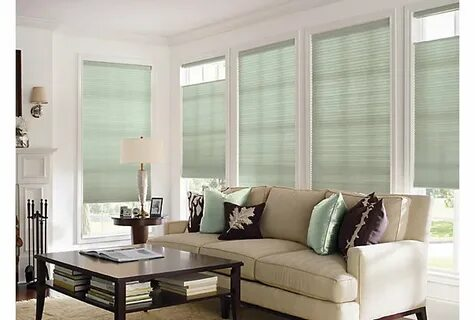 Living Room
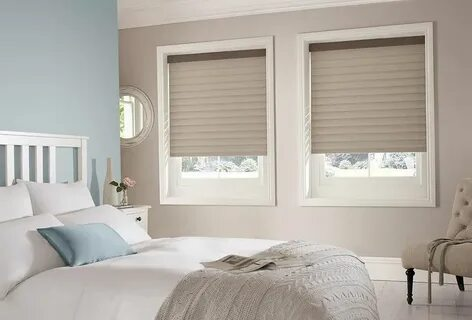 Bedroom
 Bay Window
 Conservatory Window
 Tild and Turn Window
 Bi Fold Window
 Roof of Skylight
 French Door
 Sliding Door
PVC vs. Faux Wood: Choosing the Ultimate Waterproof Blind for Your Bathroom
- by Mariam Labadze

Quick Answer (The Waterproof Verdict)
The choice between PVC Roller Blinds and Faux Wood Venetian Blinds depends on your priorities for light control and aesthetic:
-
Choose PVC Roller Blinds if: You prioritize maximum hygiene, a minimalist look, and the easiest possible maintenance. They are 100% non-porous and the most cost-effective solution for high-splash zones.
-
Choose Faux Wood Blinds if: You want the high-end, classic look of real wood but require a material that won't warp in steam. They offer superior light control and privacy via adjustable slats.
In 2026, both are considered "ultimate" waterproof options, but Waterproof Blinds in PVC format are generally better for small, high-humidity bathrooms, while Faux Wood is the favorite for large, luxury family bathrooms.
[toc]
Detailed Breakdown: The Science of Bathroom Durability
A bathroom is perhaps the most hostile environment in a home for any window treatment. Between the high-temperature steam from showers and the direct splashing from sinks or baths, the material must be completely impervious to water.
1. Material Composition and Longevity
The term "waterproof" is often used loosely, but in the context of PVC and Faux Wood, it refers to two very different physical structures.
PVC Roller Blinds:
These are typically made from a solid sheet of Polyvinyl Chloride or a high-grade polyester fabric that has been completely encapsulated in PVC. This makes the blind inherently non-absorbent. Water cannot penetrate the surface; it simply beads and rolls off. Because it is a solid, non-porous surface, there are no "nooks or crannies" for bacteria to hide, making it the most hygienic option available.
Faux Wood Venetian Blinds:
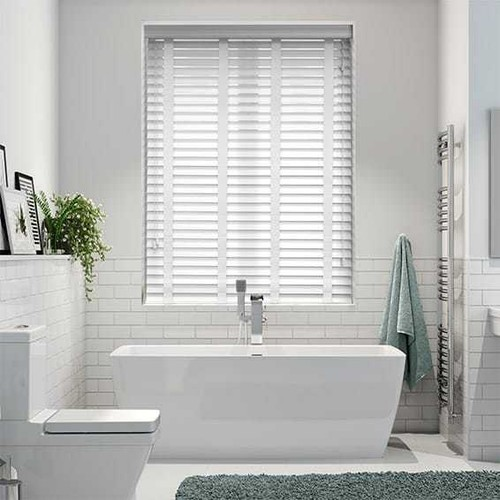
Faux wood is not actually wood. It is a high-tech composite material, usually made from high-density PVC or a vinyl polymer. It is engineered to have the same weight, feel, and grain as natural timber. However, unlike real wood, the cells of the material are "closed," meaning they cannot absorb moisture. This prevents the bowing, cracking, and peeling that ruins real wood blinds in bathrooms.
2. Light Control and Privacy: The Practical Difference
Privacy is non-negotiable in a bathroom, but how you achieve it differs between these two styles.
The Slats of Faux Wood:
The primary advantage of Faux Wood is the ability to tilt the slats. You can position them so that natural light enters the room from above while simultaneously blocking the line of sight from the outside. This "always-on" privacy makes them a favorite for ground-floor bathrooms or windows overlooked by neighbors.
The Solid Barrier of PVC Rollers:
A roller blind is an "all or nothing" solution. It is either up, allowing full light and full visibility, or down, providing complete privacy but blocking most natural light. While you can opt for a semi-translucent PVC, most homeowners choose blackout versions to ensure total privacy at night when the bathroom light is on.
3. Maintenance, Hygiene, and Mould Prevention
In a room where mould and mildew are constant threats, the ease of cleaning is a vital factor for long-term durability.
-
PVC Roller Maintenance: This is the easiest blind to clean in existence. Because it is a single, flat sheet, you can wipe it down with a damp cloth and mild detergent in seconds. There are no slats to dust and no complex mechanisms exposed to the air. If you are concerned about hygiene above all else, the PVC Roller Blinds format is the winner.
-
Faux Wood Maintenance: While Faux Wood is completely waterproof and won't be damaged by water, the horizontal slats are natural dust collectors. In a humid bathroom, dust can turn into a sticky residue when mixed with steam. Cleaning a Faux Wood blind requires wiping each slat individually, which is significantly more time-consuming than cleaning a roller blind.
4. Thermal Efficiency in the Bathroom
Bathrooms are often the coldest rooms in UK homes, making insulation a key secondary consideration.
The Insulation of Faux Wood:
The thick, dense composite slats of Faux Wood act as a robust thermal barrier.3 When closed, they create a solid layer of "plastic timber" that is very effective at keeping the cold glass from chilling the room air.
The Advanced Tech of PVC Rollers:
Standard PVC is a decent insulator, but for maximum warmth, many PVC rollers now come with specialized backings. By choosing Thermal Blinds in a waterproof PVC finish, you get the best of both worlds: a blind that survives the steam while reflecting heat back into the room during the winter months.
Installation Compatibility: No-Drill Options
Many modern bathrooms feature uPVC window frames, where drilling can be a risk due to the internal plumbing or tiling around the window recess.
-
Perfect Fit (No-Drill) PVC Rollers: These are a revelation for bathrooms. They clip directly into the window frame, sitting flush against the glass. This prevents the blind from flapping in the wind if the window is open for ventilation and ensures a clean, streamlined look.
-
No-Drill Faux Wood: While available, Faux Wood blinds are significantly heavier than rollers. This means the No Drill Blinds mechanisms for Faux Wood must be extremely robust. If you have very large bathroom windows, a PVC roller is often the safer "no-drill" bet due to its lighter weight.
Aesthetic Impact: Modern vs. Classic
-
PVC Roller Blinds: These offer a clean, clinical, and minimalist aesthetic. They are perfect for modern "wet-room" style bathrooms or small ensuites where space is at a premium. They are available in high-gloss or matte finishes and a wide array of vibrant colors.
-
Faux Wood Blinds: These provide a sense of luxury and warmth. They soften the hard surfaces (tiles, porcelain, glass) often found in bathrooms. If your design goal is a "spa-like" sanctuary or a traditional family bathroom, the architectural look of Faux Wood slats is hard to beat.
Cost Comparison and Value for Money
-
PVC Roller Blinds: These are generally the most budget-friendly waterproof option. Because the manufacturing process is simpler and uses less material than a slat-based blind, you can cover multiple bathroom windows very affordably.
-
Faux Wood Blinds: These represent a higher investment. The cost of the composite material, the complex internal cord systems, and the labor required to assemble the slats make them a premium product. However, their longevity and "curb appeal" often justify the higher price tag.
Specialized Needs: The "Blackout" Requirement
If your bathroom window faces a street lamp or you require total darkness for a relaxing evening soak, blackout performance matters.
-
PVC Rollers: By their nature, most high-quality PVC bathroom blinds are 100% blackout. Since there are no holes for cords, they provide a solid wall of darkness. For the ultimate effect, a Non-Drill Honeycomb Blackout Blinds system (if used in a moisture-resistant fabric) can also be used, though PVC rollers remain the standard for ease of care.
-
Faux Wood: While the slats themselves block 100% of light, there will always be tiny amounts of "light bleed" between the slats and through the cord holes. They will make a room very dark, but they cannot achieve the "pitch black" levels of a solid PVC roller.
Final Summary: Making Your Choice
The Case for PVC Roller Blinds:
Choose these if you have a small bathroom, a high-splash area (like a window inside a shower enclosure), or if you want a low-maintenance, low-cost solution that looks modern and stays perfectly clean with minimal effort.
The Case for Faux Wood Blinds:
Choose these if you have a larger bathroom, need to balance light and privacy throughout the day, and want to elevate the room's interior design with a classic, high-end look that mimics natural wood.
In 2026, the trend is moving toward "clean-living" spaces, which slightly favors the PVC Roller for its anti-bacterial and wipe-clean properties. However, for those looking to add value and a "furniture-like" finish to their home, Faux Wood remains a timeless and incredibly durable choice.
Browse our complete range of high-performance, moisture-ready solutions here: Waterproof Blinds