Skip to content


 Vertical Blinds
 Roman Blinds
 Roller Blinds
 Venetian Blinds
 Day and Night Blinds
 Skylight Blinds
 Children
 Wooden Blinds
 Curtains
 Blinds Accessories
 White
White Yellow
 Gold
Gold Green
Green Grey
Grey Pink
Pink Orange
 Animal
 Floral
 Geometric
 Striped
 Motorized Day and Night Blinds
 Motorized Roller Blinds
 No Drill Rollers
 Perfect Fit Wooden
 Perfect Fit Metal
 Thermal Blinds
 Better Sleep Blinds
 Cordless Blinds
 No Drill Blinds
 Blackout Blinds
 Waterproof Blinds
 Easy Wipe Blinds
 Taped Blinds
 Conservatory
 Office
 Kitchen
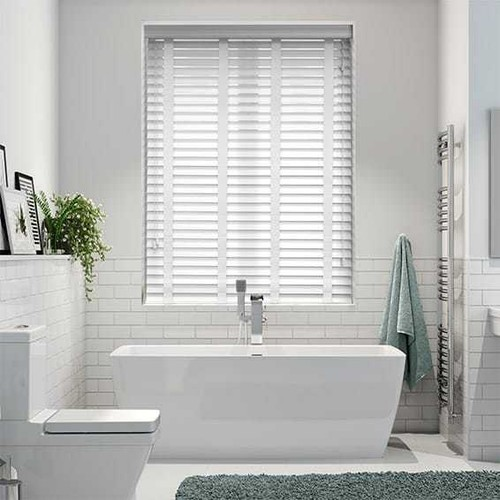 Bathroom
 Dining Room
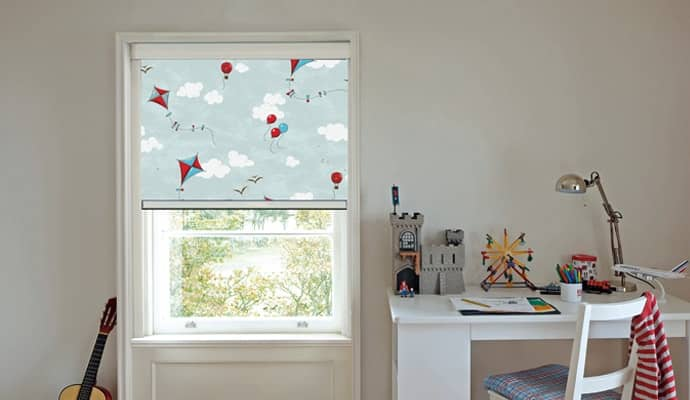 Kids Room
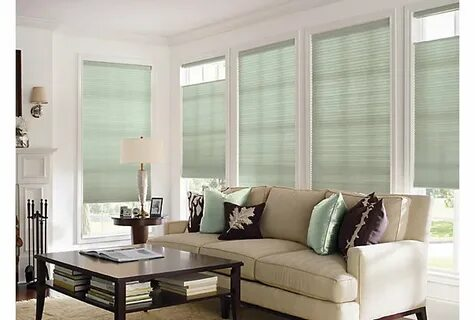 Living Room
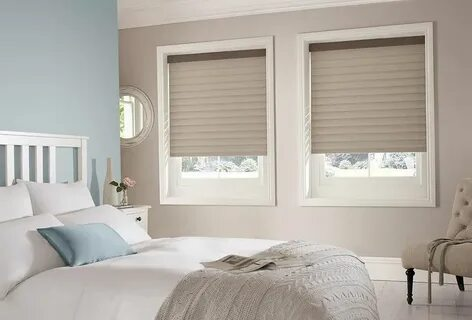 Bedroom
 Bay Window
 Conservatory Window
 Tild and Turn Window
 Bi Fold Window
 Roof of Skylight
 French Door
 Sliding Door
Do Thermal Blinds Really Work? The Science Behind Insulated Window Treatments
- by Mariam Labadze
In an era of rising energy costs and increasing environmental awareness, homeowners are constantly seeking proven ways to improve thermal efficiency. Among the most popular solutions available today are thermal blinds, promising significant savings and year-round comfort. But beyond the marketing claims, is there solid evidence that these products actually work?
The unequivocal answer is yes—but their effectiveness relies heavily on specific materials and installation principles rooted in fundamental physics.
This expert guide cuts through the hype, exploring the precise science of heat transfer and revealing how expertly engineered thermal blinds turn your window, traditionally the weak link in your home’s insulation, into a formidable energy barrier.
[toc]
The Problem: Windows as Thermal Weak Spots
To understand the solution, we must first examine the problem. Even high-quality double-glazed windows lose a surprising amount of heat. Windows are responsible for 25% to 30% of a home's total heating and cooling energy loss.
Heat energy moves in three ways, all of which are exploited by uncovered windows:
-
Conduction: Direct heat transfer through the glass pane itself. Glass is a much better conductor of heat than walls or insulation.
-
Convection: Heat transfer via the movement of air. Warm air near the window cools, drops, and circulates cold air back into the room, creating an unwanted draft.
-
Radiation: The transfer of infrared energy. In winter, radiant heat from your radiator escapes through the glass; in summer, solar infrared energy penetrates the glass and heats your room.
Thermal blinds are specifically engineered to counter all three mechanisms simultaneously.
The Science of the Solution: The Insulating Barrier
The effectiveness of any thermal blind is determined by its ability to create a high-performance insulating layer—an R-value increase—at the window surface. R-value is the measure of thermal resistance; the higher the R-value, the better the insulation.
1. Air Trapping (Convection and Conduction Control)
The most scientifically proven method of thermal control in blinds involves trapping air. Air is a poor conductor of heat when it is stationary, making it an excellent insulator.
-
Cellular (Honeycomb) Blinds: This structure is the gold standard. The hexagonal pockets within the blind trap small layers of air. This stationary air drastically slows down conductive heat transfer. Furthermore, because the air is trapped in pockets, convective movement is prevented. Studies, including those cited by the U.S. Department of Energy, show that tightly installed cellular shades can reduce heat loss by up to 40% in winter.
-
Multi-Layered Construction: Even non-cellular thermal roller or Roman blinds rely on multiple, dense layers of fabric and lining. This bulk creates micro-pockets of air between the layers, resisting heat flow more effectively than a single sheet of material.
For the highest performance insulation combined with a clean aesthetic, explore our specialized solutions: Thermal Blinds.
2. Reflectivity (Radiation Control)
To combat radiant heat, high-quality thermal blinds incorporate specialised linings, often metallised or coated with a low-emissivity (low-E) material.
-
Winter Strategy: The reflective lining bounces the infrared heat generated by your home heating system back into the room, preventing it from escaping through the window.
-
Summer Strategy: The same lining reflects solar radiation away from the window, preventing the sun’s energy from heating the interior, thereby reducing the need for electric fans or air conditioning.
This mechanism is particularly effective in Roller Blinds, where a smooth, reflective backing can be easily incorporated without increasing bulk.
3. The Critical Role of Fit (Air Leakage/Convection)
Even the most technologically advanced thermal fabric will underperform if the blind is ill-fitting. Gaps around the edges—even a few millimetres—allow cold air to rush in and warm air to escape, completely bypassing the insulating barrier. This is convective heat loss.
For maximum thermal effectiveness, the blind must create a tight seal, which is why we highly recommend:
-
Made-to-Measure: Custom blinds fit the exact dimensions of your window recess, minimizing gaps.
-
Perfect Fit or Cassette Systems: These systems are designed to integrate directly into the window frame, using side channels or friction clips to eliminate edge gaps, making them an excellent choice for thermal performance.
For a damage-free, thermally efficient fit, consider our range of secure, seamless No Drill Blinds.
Thermal Blinds in the UK Home: Real-World Effectiveness
The financial and comfort benefits of using thermal blinds are especially relevant in the UK, where many homes feature older or standard double-glazing.
The Financial Savings
Independent studies by organisations like the British Blind and Shutter Association (BBSA) confirm that properly fitted insulating window treatments can reduce heat loss through windows by up to 33%. For a typical UK home, this can translate into savings of hundreds of pounds annually on heating bills, offering a strong return on investment.
Year-Round Comfort
Thermal blinds are not just a winter product. Their dual-action capability enhances comfort across all four seasons:
-
Winter: A warmer room with less reliance on the thermostat. They also help eliminate the chilly "radiant cooling" effect you feel when sitting next to cold glass.
-
Summer: They prevent solar gain, keeping south and west-facing rooms significantly cooler during heatwaves.
-
Sleep Quality: By stabilizing the room temperature and providing essential Non-Drill Honeycomb Blackout Blinds capabilities, they create an optimal sleep environment, free from external light and temperature shifts.
Bonus Benefit: Noise Reduction
The dense, multi-layered construction required for thermal performance also acts as an acoustic damper, absorbing and disrupting external street noise—a huge benefit for homes in urban areas.
Choosing the Right Thermal Type for Your Needs
While honeycomb blinds offer the best R-value, other types also provide excellent thermal performance depending on the room’s function:
|
Blind Type |
Thermal Performance Mechanism |
Best Application |
|
Cellular/Honeycomb |
Trapped air pockets (Highest R-Value). |
Bedrooms, conservatories, areas needing maximum insulation. |
|
Thermal Roller |
Reflective backing and dense, multi-layered fabric. |
Kitchens (if PVC-backed), living rooms, affordable efficiency. |
|
Thermal Roman |
Thick interlining creates air resistance layers. |
Living rooms, dining rooms (where style is prioritized). |
|
Faux Wood |
PVC composite resists temperature transfer better than real wood. |
Bathrooms (must be fully Waterproof Blinds), kitchens, where adjustable slats are needed. |
Maximising Thermal Performance: Usage Tips
The science behind thermal blinds is only effective if they are used correctly.
-
Winter Strategy: Close the blinds before sunset. This traps the heat accumulated during the day inside the room. Keep them tightly closed overnight. Open them fully during sunny winter days to harness passive solar heat gain.
-
Summer Strategy: Keep the blinds closed on windows facing the sun during the hottest parts of the day (10 am – 4 pm) to block solar radiation and keep the house cool.
-
Ventilation Note: In high-humidity rooms like bathrooms, ensure you open the blinds occasionally to allow the trapped condensation between the glass and the blind to evaporate, preventing moisture build-up.
Thermal blinds are a scientifically validated, highly effective solution for improving home energy efficiency. They are not merely thick fabrics; they are engineered thermal barriers designed to control heat via conduction, convection, and radiation. By investing in quality, accurately measured , you are making a smart, sustainable investment that pays back through reduced energy consumption and enhanced living comfort for years to come.
Take control of your home’s temperature and bills today. Explore our collection of high-performance thermal blinds.