Skip to content


 Vertical Blinds
 Roman Blinds
 Roller Blinds
 Venetian Blinds
 Day and Night Blinds
 Skylight Blinds
 Children
 Wooden Blinds
 Curtains
 Blinds Accessories
 White
White Yellow
 Gold
Gold Green
Green Grey
Grey Pink
Pink Orange
 Animal
 Floral
 Geometric
 Striped
 Motorized Day and Night Blinds
 Motorized Roller Blinds
 No Drill Rollers
 Perfect Fit Wooden
 Perfect Fit Metal
 Thermal Blinds
 Better Sleep Blinds
 Cordless Blinds
 No Drill Blinds
 Blackout Blinds
 Waterproof Blinds
 Easy Wipe Blinds
 Taped Blinds
 Conservatory
 Office
 Kitchen
 Bathroom
 Dining Room
 Kids Room
 Living Room
 Bedroom
 Bay Window
 Conservatory Window
 Tild and Turn Window
 Bi Fold Window
 Roof of Skylight
 French Door
 Sliding Door
Honeycomb Blackout Blinds: How They Work and Why You Need Them
- by Mariam Labadze

Most window coverings do one thing. A blackout blind blocks light. A thermal curtain retains heat. A sheer blind filters daylight without providing privacy. The decision about which to buy is usually a negotiation between competing priorities — you pick the function you need most and accept that the others are someone else's problem.
Honeycomb blackout blinds don't work that way. The cellular structure that gives them their name simultaneously addresses light control, thermal performance, and acoustic insulation in a single product. Understanding why requires understanding the structure itself — because the engineering is what separates honeycomb blinds from every other window covering format, and it's the reason they've moved from a specialist product into one of the most recommended blind types in UK homes.
[toc]
What Is a Honeycomb Blind?
A honeycomb blind — also called a cellular blind — is a fabric construction where the material is formed into a series of connected cells running horizontally across the blind. Viewed from the side, the cross-section of the fabric reveals the structure: a series of enclosed air chambers, each one sealed on all sides, stacked or layered depending on whether the construction is single, double, or triple cell.
The name comes from the visual similarity to a honeycomb when the fabric is viewed end-on — the hexagonal or trapezoidal cell shapes create a pattern that the functional description captures more accurately than any marketing term. When the blind is lowered, what you see from the room side is a smooth fabric face. The cellular structure is internal, hidden within the fabric's depth, doing its work invisibly.
This is not a novel technology — honeycomb blinds have been manufactured since the 1980s — but the combination of the cellular format with blackout fabric, and its availability in perfect fit no-drill mounting systems, has made them significantly more practical and more widely accessible than they were a decade ago.
How the Cellular Structure Works
Thermal Insulation: The Physics
The reason honeycomb blinds outperform standard roller or Roman blinds on thermal performance comes down to a basic principle of building physics: still air is an excellent insulator, and moving air is not.
A conventional blind or curtain hangs in front of a window and creates a gap between the fabric and the glass. Air in that gap is not still — it moves by convection, drawing cold air down from the glass surface and circulating it into the room. This convection loop is responsible for the draughty feeling near windows even when the window itself is closed and sealed.
The cells in a honeycomb blind trap air within sealed chambers. Because the air is enclosed, it cannot circulate — convection is broken. The trapped air becomes an insulating layer between the cold glass and the room, reducing the rate at which heat moves from the warm interior through the window. The more cells between glass and room, the more insulating layers are created, which is why double and triple cell constructions outperform single cell on thermal metrics.
In practical terms, the insulating effect is most noticeable on cold nights and in rooms with large glazed areas. A honeycomb blackout blind fitted edge-to-edge in a perfect fit frame — which eliminates the gap at the sides and bottom where cold air channels around conventional blinds — reduces heat loss through the window measurably. Studies on cellular blind performance in residential settings consistently find 20 to 40 percent reductions in heat loss through glazed areas compared to uncovered windows, with the exact figure depending on cell construction, frame fit, and the glazing specification of the window itself.
Solar Heat Gain: The Summer Argument
Thermal insulation is a winter benefit, but the honeycomb structure provides a summer benefit that's equally valuable and less frequently discussed.
Windows that receive direct sun — south and west-facing rooms, conservatories, east-facing bedrooms in the morning — absorb solar radiation through the glass and convert it to heat in the room. A conventional roller blind reflects some of this radiation at the fabric surface and absorbs some, converting it to heat within the blind itself. The blind then re-radiates this heat into the room, which is why pulling down a roller blind on a south-facing window doesn't always cool the room as much as expected.
The cellular structure of a honeycomb blind intercepts solar radiation at the outer cell wall and the insulating air gap prevents the conducted heat from reaching the room side of the blind efficiently. The net effect is a meaningful reduction in solar heat gain — the room stays cooler with a honeycomb blind than with a roller blind of equivalent fabric opacity. For conservatories, where solar overheating is the dominant comfort problem in summer, this is a significant practical benefit.
Acoustic Performance
This is the least marketed property of honeycomb blinds and possibly the one that surprises people most after fitting them.
The cellular structure absorbs sound rather than reflecting it. Hard surfaces — glass, walls, ceilings — reflect sound waves and contribute to the echo and reverberation that makes rooms feel acoustically live. Fabric absorbs some sound, but the volume of air-filled cells in a honeycomb blind absorbs considerably more than a comparable area of flat fabric.
The effect is most noticeable in rooms with hard floors and minimal soft furnishings — home offices, contemporary kitchens, rooms that have been recently renovated and stripped back — where honeycomb blinds on multiple windows produce a perceptible reduction in background noise and room reverberation. It won't eliminate traffic noise from outside, but the combination of the insulating air gap and the cellular fabric absorption reduces the transmission of external sound through the glazed area better than any flat blind format.
Blackout Construction: How Darkness Is Achieved
Standard honeycomb blinds are available in varying opacity levels from sheer through to room-darkening. Blackout honeycomb blinds achieve complete light exclusion through the fabric construction rather than a separate backing layer — which is an important distinction from most blackout roller blinds.
In a conventional blackout roller blind, the blackout performance comes from a separate coating or laminate applied to the back of the fabric. This layer is effective when new but can crack, delaminate, or develop pinholes over time — particularly if the blind is rolled and unrolled repeatedly, which stresses the coating at the roll point. The blackout performance of a coated roller blind tends to degrade gradually over its lifespan.
Blackout honeycomb fabric achieves its opacity through the density of the cell wall construction — the cell walls are sufficiently thick and layered that light transmission through the material is negligible. Because this is a structural property of the fabric rather than a surface treatment, it doesn't degrade with use. The blackout performance of a quality honeycomb blackout blind is as effective in year five as it was on the day of installation.
The Gap Problem — and Why Perfect Fit Matters
The blackout performance of the fabric is only part of the story. The other part is the fit.
Any blind mounted conventionally — brackets fixed to the wall or reveal above the window — hangs in front of the glass rather than within the frame. This creates a gap at each side between the blind's edge and the wall. In a bedroom at 5am in June, with the sky already brightening outside, even a 10mm gap at each side of a blackout blind admits enough light to register clearly against a dark room.
The thermal performance argument is similar. A conventionally mounted honeycomb blind creates its insulating air gap in front of the window, but cold air can still channel around the sides and under the bottom of the blind — bypassing the insulation entirely.
Perfect fit honeycomb blackout blinds eliminate both problems by clipping directly into the UPVC glazing bead. The blind sits within the frame edge to edge with no gap at any side. The insulating air gap is sealed on all four sides. The blackout performance is complete rather than compromised by the 20mm of uncovered frame that a conventionally mounted blind leaves at each side.
This combination — cellular insulation plus edge-to-edge perfect fit coverage — is the reason honeycomb blackout blinds in a perfect fit frame consistently outperform every other no-drill blind format on the metrics that matter most in bedrooms, nurseries, and conservatories.
Single Cell vs Double Cell: Which to Choose
Single Cell
One layer of enclosed air chambers between the glass and the room. The cell depth is typically 25mm to 32mm depending on the manufacturer. Single cell honeycomb provides good thermal insulation and full blackout performance in blackout fabric grades. It is the most widely available format and the most cost-effective entry point into cellular blind technology.
For most UK domestic applications — bedrooms, living rooms, home offices — single cell honeycomb in blackout fabric delivers a performance profile that significantly exceeds conventional blind formats at a manageable price premium.
Double Cell
Two layers of enclosed air cells, typically achieving a combined depth of 38mm to 50mm. Each layer traps a separate column of still air, creating two insulating barriers instead of one. The thermal resistance of double cell construction is meaningfully higher than single cell — the improvement in insulating performance is significant enough to justify the cost premium in rooms with large glazed areas or in properties where energy efficiency is a priority.
Double cell blackout honeycomb is the strongest performing option for conservatories, where the glazed area is large and the thermal challenge is most acute in both directions — overheating in summer and heat loss in winter. It is also worth considering for north-facing bedrooms where cold glass is a persistent winter problem, and for any room where the windows represent a significant proportion of the external wall area.
Triple Cell
Available in some specialist ranges. The thermal performance improvement over double cell is real but incremental, and the cost premium is substantial. Triple cell is primarily used in commercial and high-specification residential projects where the glazing specification demands the best available insulation performance. For most domestic applications, double cell is the practical ceiling.
Where Honeycomb Blackout Blinds Work Best
Bedrooms
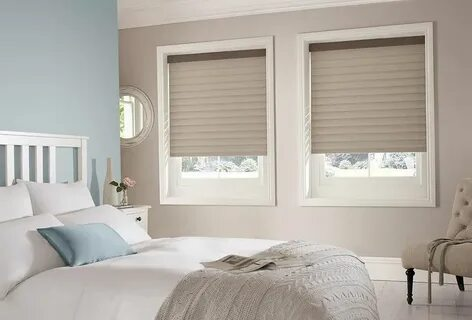
The primary domestic application and the room type where the combination of benefits is most comprehensively useful. Complete blackout for uninterrupted sleep regardless of the season. Thermal insulation that reduces cold glass radiation — the phenomenon that makes a bedroom feel cold even when the room temperature is adequate. Acoustic absorption that reduces the transmission of external noise.
For east-facing bedrooms where summer sunrise before 5am is a sleep disruption problem, the edge-to-edge blackout coverage of a perfect fit honeycomb blackout blind is the most effective solution available without specialist installation. The combination of blackout fabric and sealed frame coverage eliminates both the light path through the material and the light path around the sides — which is where most conventional blackout blinds fail.
Nurseries and Children's Rooms
Infant and young child sleep is particularly sensitive to light levels. Daytime naps, early morning sleep extension, and the transition between sleep cycles are all affected by even low levels of ambient light in the room. A honeycomb blackout blind in a nursery provides the darkness that supports longer and more consistent sleep — something that matters considerably to parents as well as children.
The thermal benefit is equally relevant. Nurseries should maintain a consistent temperature — the NHS recommends 16 to 20 degrees Celsius for infant sleep — and a room with large uncovered windows is significantly harder to maintain at stable temperature through cold nights and sunny mornings. The insulating effect of a honeycomb blind reduces the thermal fluctuation caused by the glass and contributes to a more stable room environment.
Conservatories
The thermal argument is strongest in conservatories, where the glazed area is typically the largest in the home and where the temperature extremes — overheating in summer, rapid heat loss in winter — are most pronounced.
A double cell honeycomb blind on a south-facing conservatory roof window or side glazing intercepts solar radiation before it enters the room, traps a significant air mass against the glass, and provides a degree of insulation that makes the conservatory usable across a wider range of weather conditions. Combined with the perfect fit no-drill installation appropriate for conservatory glazing, it is among the most practical thermal interventions available for this space.
Home Offices
Screen glare and thermal comfort are the two dominant problems in home office windows. A honeycomb blind in a light-filtering rather than blackout cellular fabric — lowered to the working height of the window — addresses both. The cellular fabric diffuses direct light without blocking it, reducing glare without darkening the room. The thermal insulation reduces the cold radiation from the glass that makes sitting near a window uncomfortable in winter.
For home offices where blackout is also needed — video calls, projection use, or simply a preference for a darker working environment — the blackout cellular format is available and performs identically.
Living Rooms
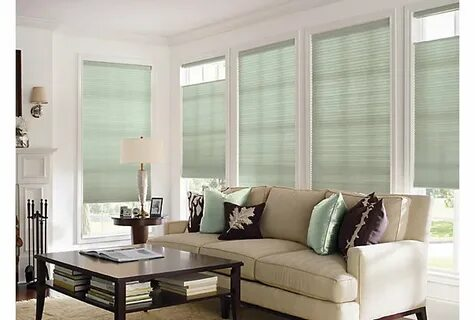
The blackout specification is less commonly needed in living rooms, but the thermal and acoustic benefits remain fully relevant. A light-filtering cellular blind in a living room with large south or west-facing windows reduces solar heat gain in summer without blocking daylight. The acoustic absorption is noticeable in open-plan spaces with hard floors where reflected sound is a comfort issue. For living rooms in urban locations where traffic noise is a daily background presence, the combination of the cellular fabric and the sealed perfect fit frame provides a meaningful improvement over conventional roller or Roman blind formats.
Honeycomb Blinds vs the Alternatives
vs. Standard Blackout Roller Blinds
Blackout roller blinds are less expensive and widely available in the perfect fit format. For pure blackout performance in a perfect fit frame, a quality blackout roller blind performs comparably to a honeycomb blind in terms of light exclusion. The difference is everything else — the honeycomb blind provides thermal insulation and acoustic absorption that a flat blackout fabric doesn't approach. For bedrooms where the primary requirement is darkness and cost is the dominant consideration, a roller blind is a reasonable choice. For rooms where thermal performance matters alongside blackout, the honeycomb format is the better investment.
vs. Perfect Fit Venetian Blinds
Perfect fit Venetian blinds provide more granular light control through slat tilting and suit kitchens and bathrooms better than honeycomb in moisture and wipe-clean terms. For bedrooms, nurseries, and conservatories where thermal performance and blackout are the priorities, honeycomb outperforms Venetians clearly. The two formats address different briefs rather than competing directly.
vs. Thermal Curtains
Heavy thermal curtains provide insulation and light reduction but with significant practical disadvantages. They require permanent fixtures — pole or track, brackets into the wall — which creates deposit risk in rented properties and a commitment to specific positions. They accumulate dust, are difficult to clean, and typically don't achieve the edge-to-edge coverage of a frame-mounted blind. A perfect fit honeycomb blind outperforms thermal curtains on both light control and thermal performance in comparable conditions and does so without drilling, without weight on the wall, and in a format that can be removed and reinstalled in minutes.
What to Look for When Buying
Fabric Opacity Certification
Genuine blackout fabric is tested and rated to a defined standard — look for a 100% or 0% light transmission rating rather than marketing descriptions like "blackout effect" or "nearly blackout," which typically mean room-darkening performance rather than complete light exclusion.
Cell Construction Quality
The cells should be formed cleanly and consistently across the full width of the fabric. Poorly manufactured cellular fabrics have inconsistent cell depths or cell walls that don't hold their shape under the slight tension of the blind in its lowered position — which reduces both the aesthetic quality and the insulating performance. Request a sample before ordering if the supplier provides them.
Perfect Fit Frame Quality
The clip system is the critical component for both performance and longevity. Quality clips use reinforced nylon or polycarbonate with a positive locking action — you feel them engage. Lighter plastic clips fatigue over time and lose grip in windows that are opened and closed frequently. Confirm that replacement clips are available separately, which is a reliable indicator of product quality and a practical safeguard.
Operating Mechanism
Honeycomb blinds are typically operated by a cord that routes through the cell structure. The cord quality and its routing guides at both the headrail and bottom rail are the primary wear points. Look for smooth cord operation through the full raise and lower range, and confirm that the bottom rail sits level and weighted sufficiently to keep the blind hanging flat.
Price Guide
Honeycomb blinds sit at the premium end of the blind market, reflecting the more complex fabric construction compared to flat roller or pleated formats. In the UK market for 2026, standard single cell honeycomb blackout blinds in a perfect fit frame for a standard casement window typically range from £65 to £130 depending on width and supplier. Double cell construction adds approximately 20 to 40 percent to the single cell price for equivalent dimensions.
The premium over a standard blackout roller blind in the same perfect fit format — typically £35 to £70 for a comparable window — reflects the thermal and acoustic performance that the cellular construction adds. For bedrooms and nurseries where those additional properties are relevant, the price difference is justified by the performance difference. For a bathroom or kitchen where moisture resistance and wipe-clean practicality are the primary requirements, a Venetian blind or roller in a moisture-resistant fabric is the more practical choice at a lower price point.
Honeycomb blackout blinds occupy a specific and well-defined position in the window treatment market: they are the most technically complete blind format available for rooms where light exclusion, thermal performance, and acoustic quality are all relevant. No other single-product blind solution addresses all three simultaneously or matches the performance in the combined brief.
For bedrooms, nurseries, conservatories, and home offices in UPVC-windowed UK homes — which is to say, most rooms in most homes — a perfect fit honeycomb blackout blind is not a premium indulgence. It is the technically correct answer to what the room actually needs from its window covering.