Skip to content


 Vertical Blinds
 Roman Blinds
 Roller Blinds
 Venetian Blinds
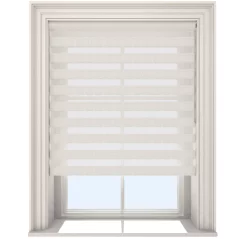 Day and Night Blinds
 Skylight Blinds
 Children
 Wooden Blinds
 Curtains
 Blinds Accessories
 White
White Yellow
 Gold
Gold Green
Green Grey
Grey Pink
Pink Orange
 Animal
 Floral
 Geometric
 Striped
 Motorized Day and Night Blinds
 Motorized Roller Blinds
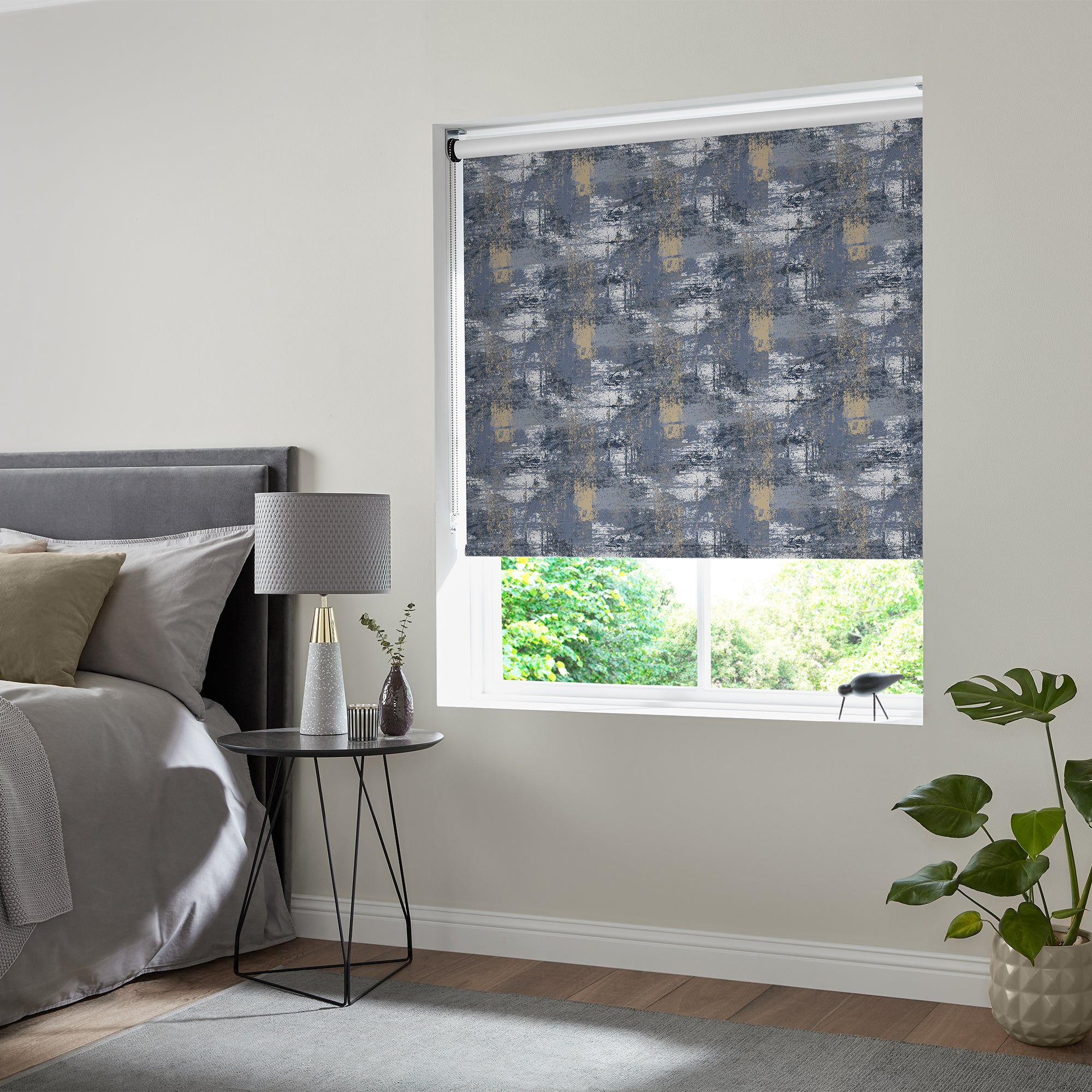 No Drill Rollers
 Perfect Fit Wooden
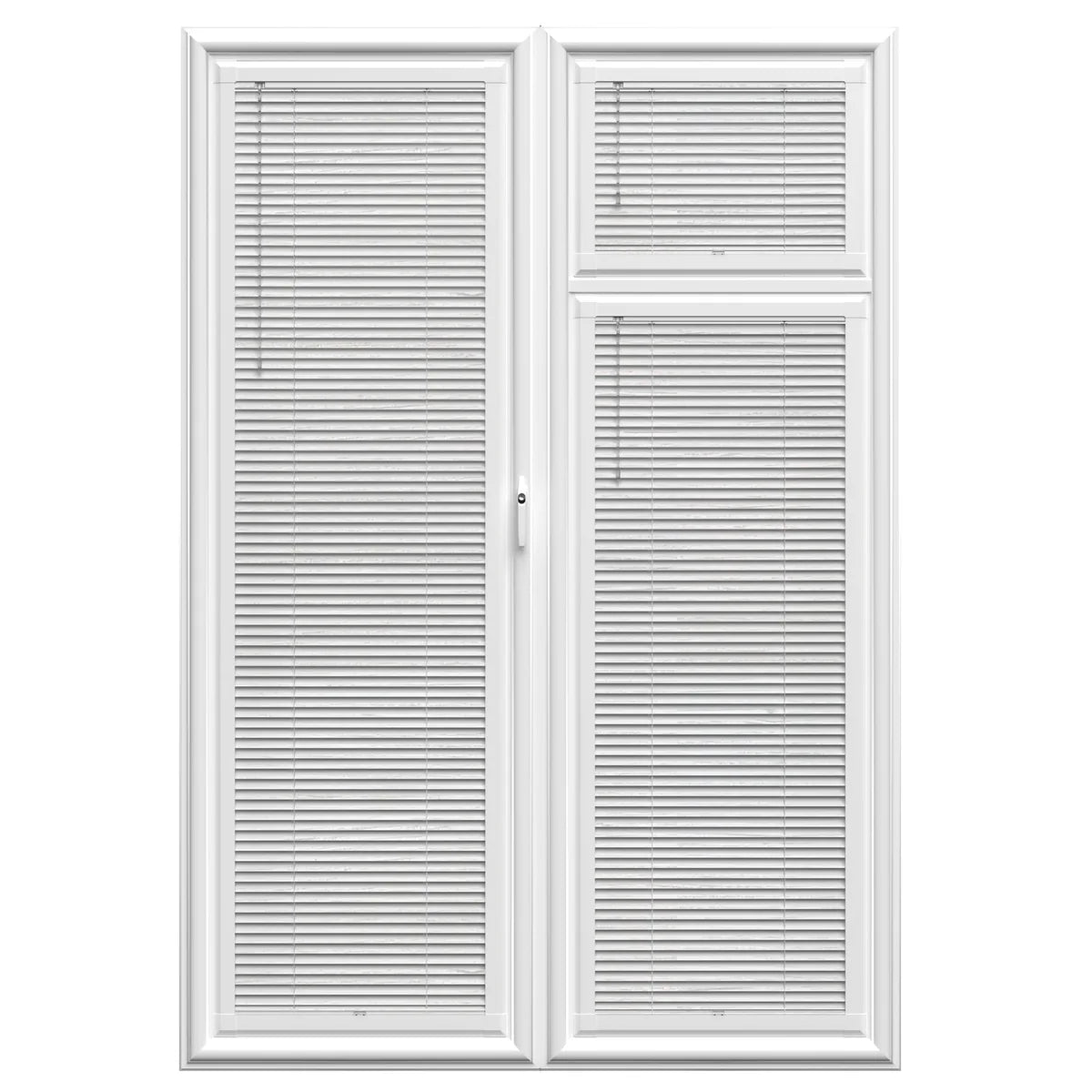 Perfect Fit Metal
 Thermal Blinds
 Better Sleep Blinds
 Cordless Blinds
 No Drill Blinds
 Blackout Blinds
 Waterproof Blinds
 Easy Wipe Blinds
 Taped Blinds
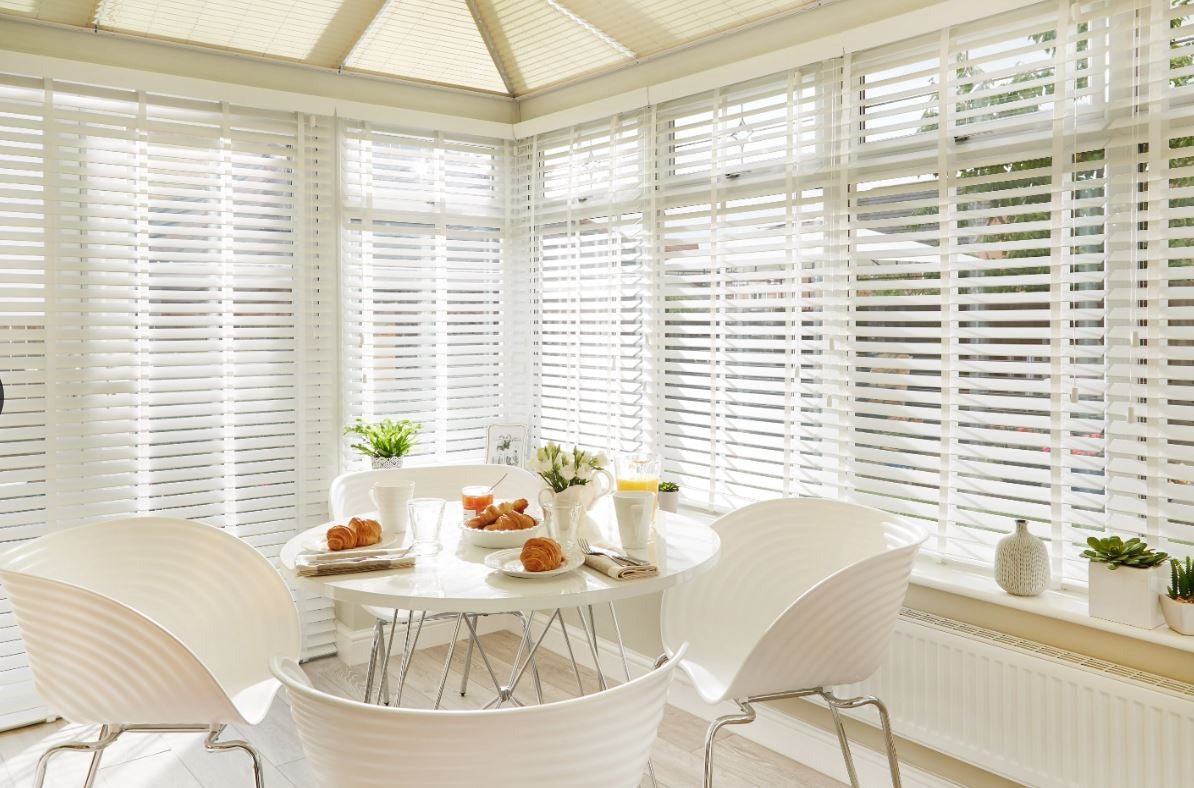 Conservatory
 Office
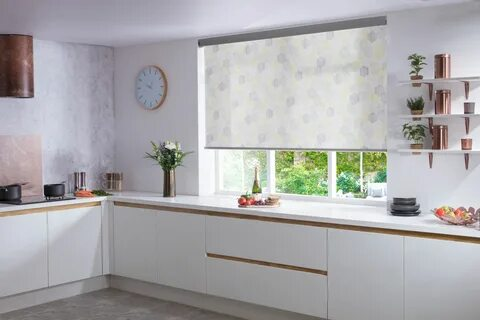 Kitchen
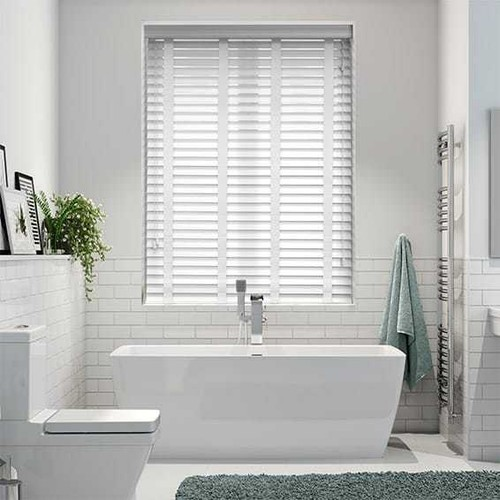 Bathroom
 Dining Room
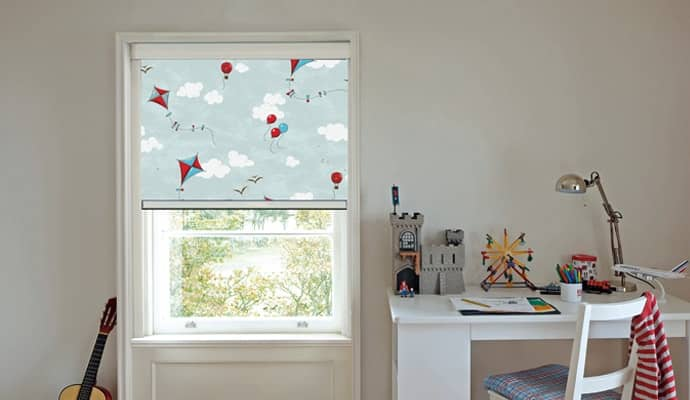 Kids Room
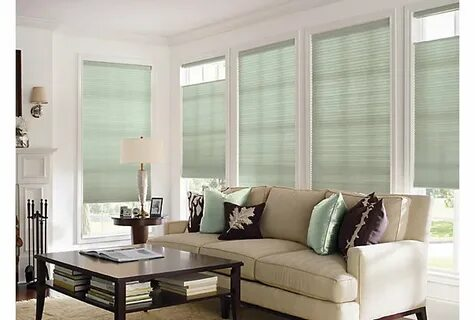 Living Room
 Bedroom
 Bay Window
 Conservatory Window
 Tild and Turn Window
 Bi Fold Window
 Roof of Skylight
 French Door
 Sliding Door
Day and Night Blinds vs Roller Blinds: Which Gives Better Light Control?
- by Mariam Labadze
 Choosing between day and night blinds and roller blinds is one of the most common dilemmas for UK homeowners looking to upgrade their window dressings. Both are sleek, modern, and straightforward to fit. Both offer good privacy. But when it comes to light control — the ability to fine-tune how much brightness enters your room at any given moment — they work in fundamentally different ways.
This comparison breaks down every practical difference between the two, helping you choose the right blind for each room in your home.
[toc]
Quick Answer: Day and night blinds offer superior adjustable light control because their alternating sheer and opaque bands let you filter light incrementally without fully closing the blind. Roller blinds provide a simpler all-or-nothing approach — they are either up, down, or somewhere in between. For rooms where you want flexible, throughout-the-day light management, day and night blinds are the better choice. For rooms that need full blackout or a budget-friendly solution, roller blinds are more effective.
How Day and Night Blinds Control Light
Day and night blinds— sometimes called vision blinds, zebra blinds, or twist blinds — feature two layers of fabric with alternating sheer and opaque horizontal stripes. By adjusting the position of these layers relative to each other, you can align the sheer bands for filtered light or overlap the opaque bands for privacy and reduced brightness.
The beauty of this mechanism is its subtlety. You are not choosing between fully open and fully closed. Instead, you have a continuous range of positions that let you match the blind to the conditions outside. On a cloudy morning, you might leave the sheer bands aligned to enjoy soft, diffused light. As the afternoon sun intensifies, a small adjustment brings the opaque bands together to cut the glare without plunging the room into darkness.
Strengths of Day and Night Light Control
-
Gradual adjustment from full visibility to near-complete privacy
-
Filtered light mode that softens harsh sunshine without blocking it
-
Maintains a visual connection with the outside even in the closed position
-
Modern striped aesthetic that looks sophisticated in contemporary interiors
How Roller Blinds Control Light
Roller blindsuse a single piece of fabric that wraps around a barrel mechanism at the top of the window. You pull the blind down to cover the glass and roll it up to reveal it. The fabric itself can be sheer, light-filtering, dim-out, or full blackout — and this is where the light control comes from.
With a standard roller blind, light control is essentially positional. You choose how far down the blind sits, and the exposed glass above lets in light while the covered glass below does not. There is no way to adjust the opacity of the fabric itself once installed — you get whatever level of light filtering the fabric provides, applied uniformly.
Strengths of Roller Blind Light Control
-
Full blackout options available for bedrooms and nurseries
-
Clean, minimal appearance when fully raised
-
Extremely simple operation — pull down, let up
-
Wide range of fabric weights and opacities to choose from at the point of purchase
Direct Comparison
Privacy: A Closer Look
Privacy is closely linked to light control, and this is where day and night blinds vs roller blinds show the biggest behavioural difference.
Day and night blinds let you maintain partial privacy even when the blind is in the open (sheer) position. The sheer fabric diffuses the view from outside, making it difficult for passers-by to see details inside while still allowing you to see out. This is enormously practical for ground-floor living rooms and street-facing kitchens.
Roller blinds, by contrast, offer no privacy at all when fully raised. When lowered, a standard roller provides complete privacy. There is no middle ground — it is either covered or it is not. If you want a degree of daytime privacy without total darkness, you would need to choose a light-filtering (semi-transparent) roller fabric, but this then compromises your ability to achieve darkness at night.
Aesthetics and Room Suitability
Day and Night Blinds in Your Home
The striped fabric of day and night blinds adds texture and visual interest to a window. They look particularly striking in larger windows and patio doors where the repeating pattern has room to breathe. In a modern living room or open-plan kitchen-diner, they create a design statement that plain roller blinds simply cannot match.
1ClickBlinds offers day and night blinds in a wide range of colours and widths. For an even more streamlined experience, theirmotorised day and night blindsadd remote-controlled convenience — ideal for wide or high windows.
Roller Blinds in Your Home
Roller blinds suit homeowners who prefer an understated, minimal window treatment that disappears when not in use. When fully raised, the fabric rolls into a compact cassette that is barely visible, leaving the window completely unobstructed. This makes them excellent for rooms with attractive window frames or views you want to showcase.
In bathrooms and kitchens,waterproof roller blindsoffer practicality that day and night blinds cannot easily match. The single fabric layer is simpler to wipe clean and resists moisture far more effectively than the dual-layer construction of a day and night blind.
Price Comparison
Roller blinds are generally the more affordable option, particularly in basic light-filtering fabrics. Blackout roller blinds sit in the mid-range. Day and night blinds tend to cost a little more due to the dual-layer fabric construction and the more complex mechanism. However, the price difference is not dramatic — for a standard UK window, you might pay 15-25% more for a day and night blind compared to a roller blind of similar quality.
For either option,no-drill versionsare available, saving you the cost of professional installation.
Ease of Use and Maintenance
Both blind types score well for everyday ease of use. Roller blinds have a slight edge in simplicity — there is only one action (pull down or release up). Day and night blinds require you to understand the alignment mechanism, but most people master it within a few uses.
For maintenance, roller blinds win on convenience. The single flat fabric can be wiped with a damp cloth or dusted easily. Day and night blinds, with their layered construction and textured stripes, need more careful cleaning to avoid snagging or misaligning the fabric.
Which Should You Choose?
The decision between day and night blinds vs roller blinds ultimately comes down to what you value most:
-
Choose day and night blinds if you want flexible, adjustable light control throughout the day, partial privacy without full closure, and a contemporary textured aesthetic.
-
Choose roller blinds if you need full blackout capability, prefer minimal maintenance, want a budget-friendly solution, or need a moisture-resistant option for wet rooms.
Many homeowners end up using both — day and night blinds in living areas where light nuance matters, andblackout roller blindsin bedrooms where total darkness is the priority. There is no single right answer, only the right answer for each room.
Frequently Asked Questions
Are day and night blinds better than roller blinds for living rooms?
For most living rooms, yes. Day and night blinds offer adjustable light filtering and partial privacy that roller blinds cannot replicate. You can soften daylight without blocking your view, which is exactly what a living space needs. Roller blinds work better in rooms where full blackout is the main requirement.
Can day and night blinds fully block out light?
Day and night blinds can achieve near-blackout when the opaque bands are fully overlapped, but they typically do not match a dedicated blackout roller blind for total light elimination. Small amounts of light may filter through the band edges. For a bedroom requiring complete darkness, a blackout roller or framed blackout blind is the more reliable option.
Which is easier to clean — day and night or roller blinds?
Roller blinds are easier to clean. Their single, flat fabric surface can be wiped down quickly with a damp cloth. Day and night blinds have a dual-layer construction with textured stripes that requires more careful dusting and gentle handling to avoid misalignment or snagging.
Do roller blinds offer any privacy during the day?
Standard roller blinds offer no privacy when raised. When lowered, they provide full privacy. If you want daytime privacy without complete darkness, you would need a light-filtering or sheer roller fabric, but this compromises darkness at night. Day and night blinds handle this balance more effectively with their adjustable sheer bands.