Skip to content


 Vertical Blinds
 Roman Blinds
 Roller Blinds
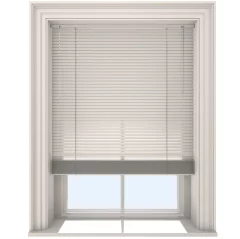 Venetian Blinds
 Day and Night Blinds
 Skylight Blinds
 Children
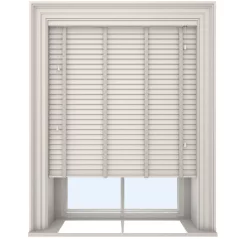 Wooden Blinds
 Curtains
 Blinds Accessories
 White
White Yellow
 Gold
Gold Green
Green Grey
Grey Pink
Pink Orange
 Animal
 Floral
 Geometric
 Striped
 Motorized Day and Night Blinds
 Motorized Roller Blinds
 No Drill Rollers
 Perfect Fit Wooden
 Perfect Fit Metal
 Thermal Blinds
 Better Sleep Blinds
 Cordless Blinds
 No Drill Blinds
 Blackout Blinds
 Waterproof Blinds
 Easy Wipe Blinds
 Taped Blinds
 Conservatory
 Office
 Kitchen
 Bathroom
 Dining Room
 Kids Room
 Living Room
 Bedroom
 Bay Window
 Conservatory Window
 Tild and Turn Window
 Bi Fold Window
 Roof of Skylight
 French Door
 Sliding Door
How to Clean Venetian Blinds Quickly and Properly
- by Mariam Labadze
 Venetian blinds are among the most dust-prone window coverings you can own. Their horizontal slats — whether aluminium, timber, or faux wood — create a series of flat, horizontal surfaces that accumulate dust faster than almost any other blind type. But the good news is that cleaning venetian blinds is not as difficult or time-consuming as many people assume, provided you have the right approach for each type of soiling and each material. This guide covers everything from a two-minute quick clean to a deep annual wash.
Why Regular Cleaning Matters
Beyond aesthetics, allowing dust to accumulate on venetian blind slats can have a practical impact. In rooms where air circulates freely — living rooms, hallways, bedrooms with open windows — a dusty blind becomes a source of airborne particles every time it is operated. For family members with asthma, hay fever, or dust allergies, a visibly dusty blind is a potential irritant. Regular cleaning keeps the blind looking its best and maintains better air quality in the room.
Quick Daily or Weekly Maintenance
For most venetian blinds, a weekly light dusting is sufficient to prevent dust accumulation from becoming a visible problem. Close the slats fully so they lie flat and parallel, then run a microfibre duster or a soft-bristle brush along each slat from the centre toward the edge, working from top to bottom. Tilt the slats in the opposite direction and repeat on the other side.
A microfibre cloth worn on the hand is particularly effective — you can grip each slat between your fingers and clean both sides in a single pass. Special venetian blind cleaning tools with multiple fingers are available and can speed up the process considerably for blinds with many slats.
Avoid: Damp cloths for a quick clean. If you routinely use a damp cloth without fully drying the slats afterward, moisture can accumulate in the ladder cord connections and cause discolouration.
How to Clean Aluminium Venetian Blinds
Aluminium venetian slats are the most forgiving to clean of all the main materials. For surface marks and greasy fingerprints — common in kitchens and near doors — a cloth lightly dampened with a mild solution of washing-up liquid and water is effective. Wipe each slat individually, then follow immediately with a dry cloth to remove any residual moisture.
For a more thorough clean of aluminium venetians, you can remove the blind from its brackets and lay it flat in a bath. Fill the bath with warm (not hot) water and a small amount of mild detergent, and gently wipe each slat with a soft cloth. Rinse thoroughly with clean water, then hang the blind in a well-ventilated area or outdoors to dry completely before rehanging. Ensure the slats are fully dry — particularly the cord system — before reinstalling.
How to Clean Faux Wood Venetian Blinds
Faux wood venetians — made from PVC or a composite material — are similarly robust and can be wiped down with a damp cloth without risk of damage. Avoid prolonged immersion in water, as the material around the cord holes can absorb water slowly even if the main surface does not. A damp wipe followed by a dry cloth is the standard approach.
For marks that resist simple damp wiping — crayon marks, sticky residue, or persistent grease — a mild household cleaner applied sparingly on a cloth usually removes them without affecting the surface finish. Test on an inconspicuous slat first.
How to Clean Real Wood Venetian Blinds
Real wood venetian slats require significantly more care than aluminium or faux wood. Wood is porous and vulnerable to water damage — even a small amount of excessive moisture can cause the slats to swell, warp, or crack. For wooden venetians, the correct cleaning method is always a lightly dampened cloth (wrung out as thoroughly as possible) followed immediately by a dry cloth. Never immerse wooden slats in water, and never use a steam cleaner. For a deeper clean, use a specialist wood furniture cleaner applied to a cloth — not sprayed directly onto the slat. See also our dedicated guide on how to clean wooden blinds for more detail on timber-specific maintenance.
Cleaning the Blind Mechanism
The head rail, cords, and operating controls of a venetian blind accumulate grime over time, particularly in kitchens. The head rail can be wiped with a damp cloth — avoid getting moisture inside the mechanism housing where the spring tension components are located. The cord and wand can be wiped with a dry or very lightly dampened cloth.
If the tilt mechanism becomes stiff or the raising cords begin to feel rough when operated, a light application of silicone spray lubricant to the cord guides inside the head rail can restore smooth operation. Replacement cords and mechanisms are available through the blind accessories section at 1ClickBlinds.
Spot Cleaning Without Removing the Blind
For specific marks or stains on individual slats, it is rarely necessary to remove the entire blind. Close the slats in the relevant direction to access the marked surface, and treat the stain with an appropriate cleaner — mild detergent solution for most marks, a dedicated stain remover for more stubborn residues — applied with a soft cloth. Work gently and avoid excessive scrubbing, which can scratch the surface of both aluminium and faux wood slats.
How Often Should You Clean Venetian Blinds?
The appropriate frequency depends on the room and how much dust and activity the blind is exposed to. In a living room or bedroom, a weekly quick dusting and a more thorough clean every one to three months is usually adequate. In a kitchen, more frequent wiping is advisable — grease and steam from cooking settle on horizontal surfaces quickly. In a home office or unused guest bedroom, monthly dusting and quarterly thorough cleaning is likely to be sufficient.
Well-maintained venetian blinds can last a very long time. If your blind is beyond cleaning — the fabric is discoloured, the mechanism is worn, or slats are bent beyond repair — it may be time to replace it. Browse the full venetian blinds collection at 1ClickBlinds for current options across all materials and sizes.