Skip to content


 Vertical Blinds
 Roman Blinds
 Roller Blinds
 Venetian Blinds
 Day and Night Blinds
 Skylight Blinds
 Children
 Wooden Blinds
 Curtains
 Blinds Accessories
 White
 Yellow
 Gold
 Green
 Grey
 Pink
 Orange
 Animal
 Floral
 Geometric
 Striped
 Motorized Day and Night Blinds
 Motorized Roller Blinds
 No Drill Rollers
 Perfect Fit Wooden
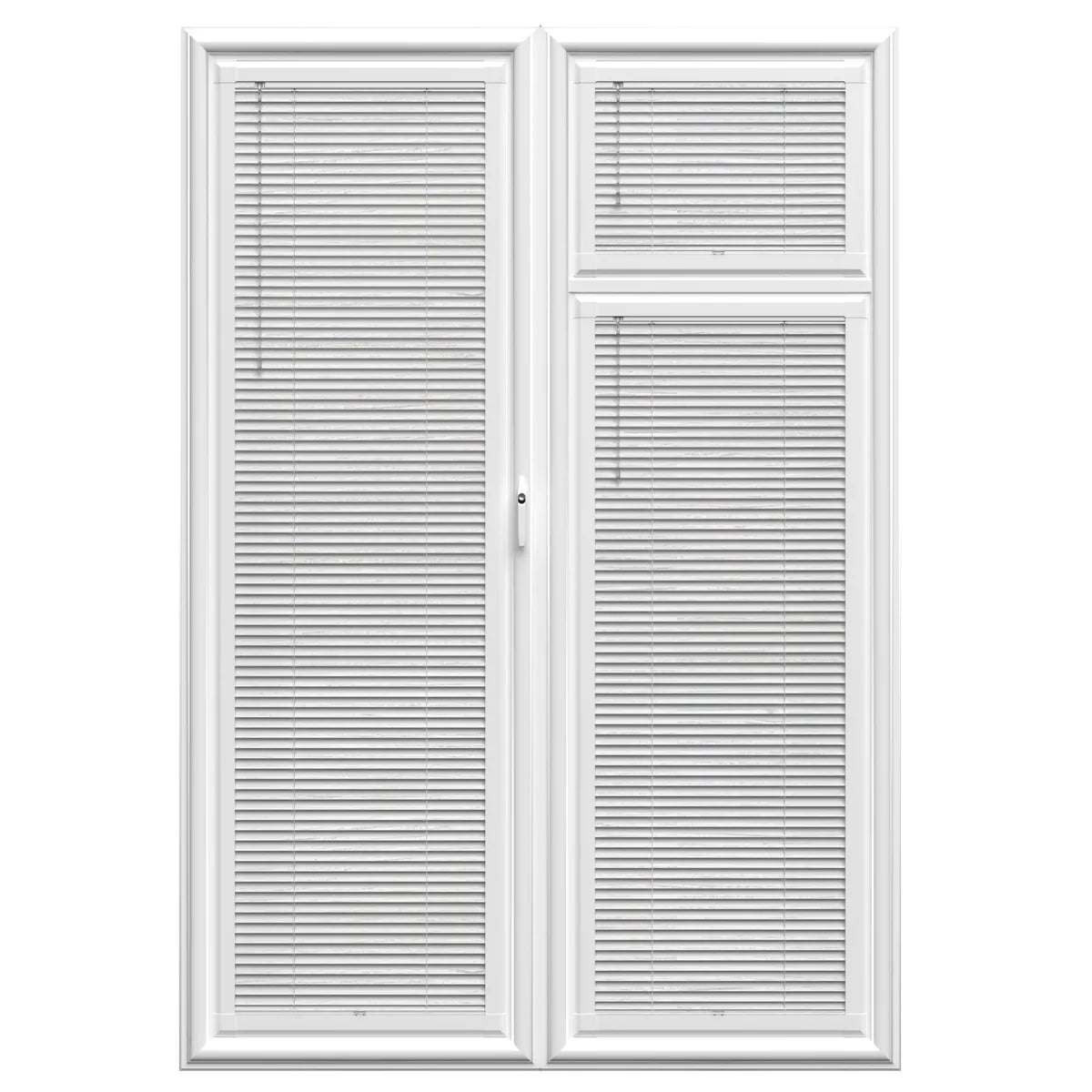 Perfect Fit Metal
 Thermal Blinds
 Better Sleep Blinds
 Cordless Blinds
 No Drill Blinds
 Blackout Blinds
 Waterproof Blinds
 Easy Wipe Blinds
 Taped Blinds
 Conservatory
 Office
 Kitchen
 Bathroom
 Dining Room
 Kids Room
 Living Room
 Bedroom
 Bay Window
 Conservatory Window
 Tild and Turn Window
 Bi Fold Window
 Roof of Skylight
 French Door
 Sliding Door
How to Measure Perfect Fit Blinds Without Getting the Bead Wrong
- by Mariam Labadze
How to measure perfect fit blinds comes down to one reversal: you measure the glass, not the recess. Every other blind in the house is sized to the opening in the wall. This one is sized to the pane, because the frame clips in beside it, and getting that backwards is where most wrong orders start.
Work in the order below and the job takes minutes a window. Work out of order and you find out at the fitting stage.
Key Takeaways
-
Glass, not recess. How to measure perfect fit blinds starts at the visible pane plus its bead, never the plaster opening.
-
Find the bead first. No bead with a definable step means no frame, whatever you measure.
-
Check depth before width. A shallow bead rules the product out, so test it before writing anything down.
-
Handles and vents foul frames. Anything standing proud of the glass line needs checking against the frame depth.
-
Width first, always. Record each measurement width then drop, in the order the form asks for them.
How to Measure Perfect Fit Blinds From the Glass, Not the Recess
A perfect fit blind is a complete blind inside a slim frame that sits on the face of the sash, gripping the gap between the glazing bead and the rubber gasket. Nothing is screwed to the wall, nothing sits in the recess, and the plaster opening is irrelevant. Across the perfect fit blinds range the measurement that matters is taken on the sash itself.
So the figure you want is the glass plus the bead, in millimetres, with a steel tape. Measure each pane separately even where three lights look identical, because uPVC units rarely are to the millimetre.
Most product pages ask for one width and one drop per pane and apply their own frame allowance. Do not subtract anything yourself. Made to measure perfect fit blinds are cut from your raw figures, and helpfully deducting a few millimetres is the second most common mistake.
Finding the Bead
Stand inside and look at the edge of one pane. You should see glass, then a rubber gasket, then a plastic strip running right round and standing slightly proud of the sash. That strip is the glazing bead, and it is what the brackets hold.
Run a fingernail along the join between bead and gasket. If there is a step you can feel and get a nail into, there is something to grip. If the bead runs flush, or the edge is rounded into a chamfer with no shoulder, the window will not take a frame, and no amount of care with how to measure perfect fit blinds changes that.
This is why perfect fit blinds for upvc windows are the standard case and everything else is the exception. uPVC sashes are built with a removable bead as a matter of course; timber and aluminium frames often are not.
Knowing how to measure for perfect fit blinds means checking every window, not one. Bay windows mix sash types, and the awkward pane is the small one nobody looks at.
The Depth Check Most People Skip
Depth, not width, is what quietly rules windows out. The bracket needs room in that step to seat and stay seated, and a bead can look fine from a metre away and offer nothing close up.
The quick test is a coin. Slide the edge of a ten pence piece into the gap between bead and gasket, at the middle of the longest side rather than a corner where trim is always tighter. If it goes in and stands up on its own, the bead is worth measuring properly. If it skates off, stop there.
Then measure that depth and write it beside the pane sizes, because each product page states its own minimum. So part of how to measure perfect fit blinds is reading the measuring guide for the blind you are buying.
If the bead is shallow but genuinely has a step, go lighter before giving up. A fabric cell in perfect fit pleated blinds puts far less strain on a marginal grip than a timber venetian does.
Handles, Vents and Trickle Openings
You can follow how to measure perfect fit blinds to the letter and still order one that will not fit, and handles are usually the reason.
The frame stands off the glass by the depth of the blind inside it, so anything projecting into that space fouls it: a lever handle, an espagnolette base plate, a restrictor arm, a child lock. Open and close the window while watching the glass line.
Trickle vents are the other one. They sit in the head of the sash or in the frame above the glass, and a blind fitted hard to the top of the pane can either clear them or seal them. If the vent is in the sash, check it specifically.
None of this is hard, but it belongs before the order rather than after. Measuring for perfect fit blinds is three figures and two obstruction checks, and the checks are the part people skip.
Three Windows That Cannot Take a Frame
First, any sash with no defined bead: flush-beaded uPVC, most older aluminium, and traditional timber windows with putty or a bonded glazing line. Nothing to clip to.
Second, tilt and turn windows. The sash swings inward on two axes, and a frame that clears one movement often catches on the other. Test one before buying four.
Third, windows where the bead is cracked, brittle or already repaired. Fifteen summers of UV make the plastic snappy, and a bracket splits it.
For any of those the clip-in route is out, but drilling is not the only option. Tension fittings and adhesive brackets across the no drill blinds options load the reveal or frame face instead of the bead.
Where the window takes screws, the conventional answer is usually simplest. A drilled blind from the venetian blinds range is measured to the recess like everything else. Work out how to measure perfect fit blinds on the windows that suit them, and measure the rest the ordinary way.
Frequently asked questions
How do you measure perfect fit blinds?
Measure the glass and the bead on each sash, not the recess, using a steel tape in millimetres. Take the width first, then the drop, and record them in that order for every pane separately, even when panes look identical. Do not deduct anything for the frame, since that allowance is applied for you. Check the bead depth first, because a shallow bead rules the window out whatever the pane says.
Do perfect fit blinds fit all windows?
No. The sash needs a glazing bead with a step the brackets can grip, which most uPVC has and many timber and aluminium frames do not. Tilt and turn sashes often foul the frame on one of their two movements, and brittle older beads can split under a bracket. Handles, restrictor arms and trickle vents rule out individual windows too, so check each pane.
How do perfect fit blinds work?
The blind is built inside a slim frame that clips into the gap between the glazing bead and the rubber gasket. Spring pressure in the brackets holds it, so nothing is drilled and nothing touches the wall or sill. The blind sits flat against the glass and travels with the sash, so the window opens normally. Learning how to fit perfect fit blinds takes minutes once they arrive.