Skip to content


 Vertical Blinds
 Roman Blinds
 Roller Blinds
 Venetian Blinds
 Day and Night Blinds
 Skylight Blinds
 Children
 Wooden Blinds
 Curtains
 Blinds Accessories
 White
White Yellow
 Gold
Gold Green
Green Grey
Grey Pink
Pink Orange
 Animal
 Floral
 Geometric
 Striped
 Motorized Day and Night Blinds
 Motorized Roller Blinds
 No Drill Rollers
 Perfect Fit Wooden
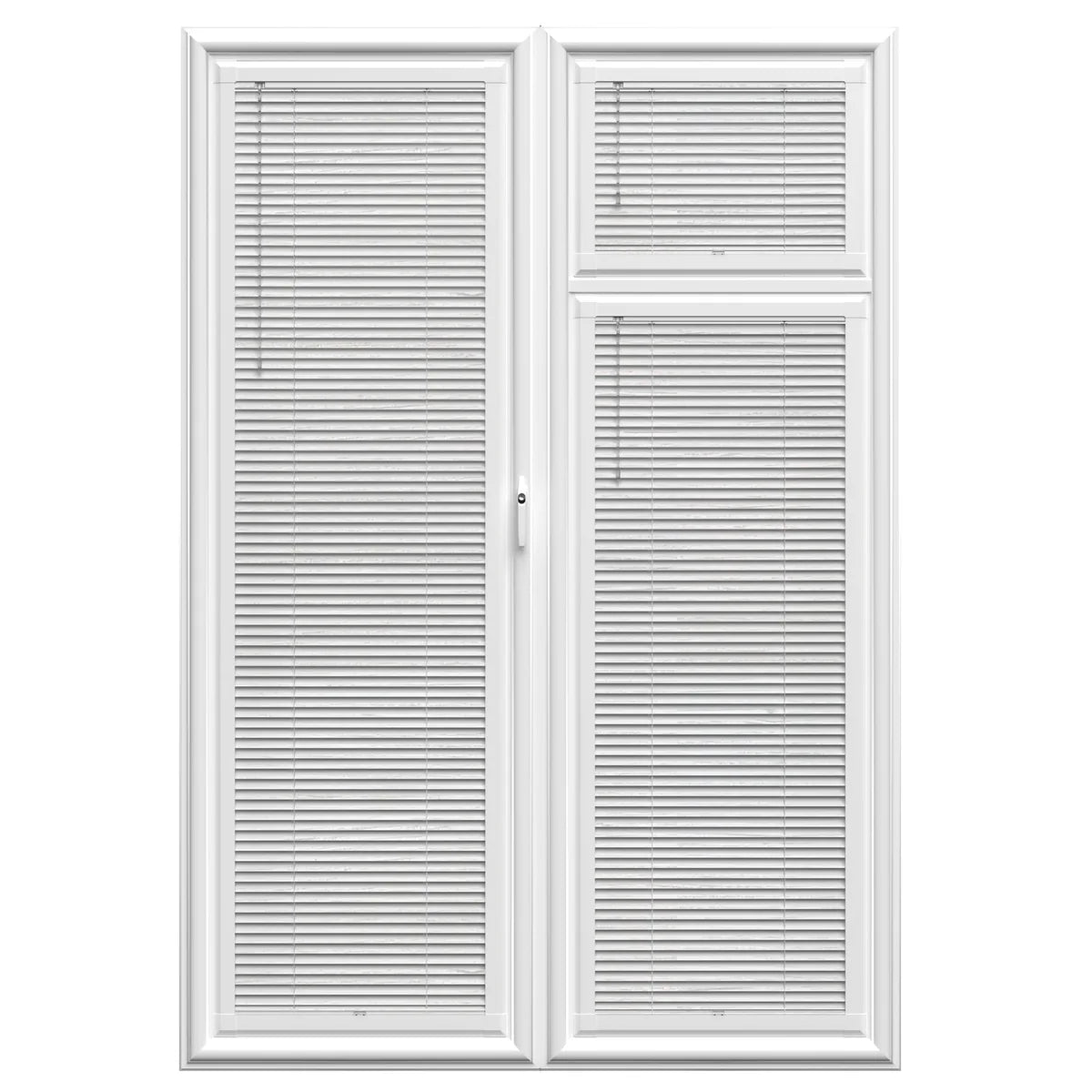 Perfect Fit Metal
 Thermal Blinds
 Better Sleep Blinds
 Cordless Blinds
 No Drill Blinds
 Blackout Blinds
 Waterproof Blinds
 Easy Wipe Blinds
 Taped Blinds
 Conservatory
 Office
 Kitchen
 Bathroom
 Dining Room
 Kids Room
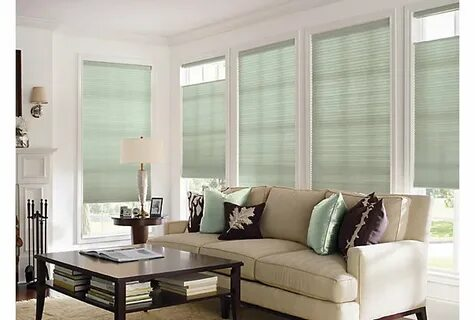 Living Room
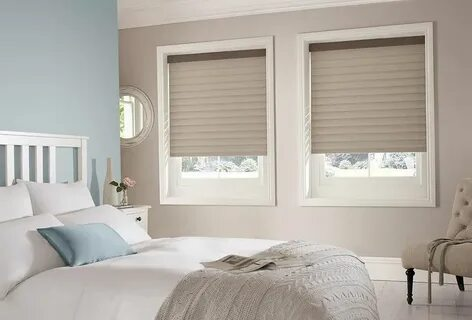 Bedroom
 Bay Window
 Conservatory Window
 Tild and Turn Window
 Bi Fold Window
 Roof of Skylight
 French Door
 Sliding Door
No-Drill Blinds vs. Permanent Screw-In Blinds: A Guide to Durability and Property Integrity
- by Mariam Labadze

Quick Answer (The Installation Verdict)
The choice between No-Drill Blinds and permanent screw-in blinds is a decision between innovation and tradition.
-
No-Drill Blinds: These represent the future of home improvement. By using tension or clip-on frames, No Drill Blinds protect your window warranties, require zero tools, and offer superior thermal sealing. They are the definitive choice for uPVC windows and rental properties.
-
Permanent Screw-In Blinds: These are the traditional method, requiring holes to be drilled into masonry or frames. While they are versatile for wooden windows, they risk structural damage and leave permanent scars on the property.
In terms of property integrity and ease of maintenance, No Drill Blinds are the superior long-term investment for modern UK homes.
[toc]
1. Structural Integrity: The Hidden Cost of the Drill
When we talk about durability, we often think only of the blind itself. However, true durability includes the integrity of your window frames and walls.
The Risk of Permanent Screws:
Every time you drill a hole into a uPVC window frame, you are puncturing the internal steel reinforcement and the multiple air chambers designed for insulation. This can lead to:
-
Thermal Leaks: Breaking the air-tight seal of the frame.
-
Moisture Ingress: Allowing condensation to seep into the internal structure of the window.
-
Warranty Issues: Most modern window manufacturers void their 10-15 year warranties the moment a drill bit touches the frame.
The No-Drill Solution:
Our range of No Drill Blinds utilizes the existing geometry of the window. Whether it’s a "Perfect Fit" frame that clips into the rubber beading or a tension system that sits in the recess, the property remains 100% untouched. This preservation of the "building envelope" is why architects and landlords increasingly mandate no-drill solutions in 2026.
2. Mechanical Durability: Stress and Alignment
A blind’s lifespan is determined by how smoothly it operates.
-
Screw-In Alignment Issues: Permanent blinds rely on the installer’s precision. If the brackets are even 2mm out of alignment, the fabric will "telescope" (roll to one side), causing the edges to fray and the mechanism to jam.
-
No-Drill Precision: Because Perfect Fit Wooden blinds or rollers are built into a self-aligning frame, the fabric is always perfectly square to the roller tube. This eliminates lateral stress on the mechanism, ensuring a much smoother operation and a significantly longer lifecycle than traditionally mounted blinds.
3. Thermal Performance: The Gap Factor
In 2026, the efficiency of a blind is measured by its ability to stop drafts.
Screw-In Blinds: Usually sit 10-20mm away from the glass. This gap allows for "convection loops," where warm air hits the cold window and pours into the room as a draft. Even the best Thermal Blinds lose efficiency if there are large gaps at the sides.
No-Drill Blinds: Particularly the integrated frame models, sit flush against the window pane. This creates a stagnant air pocket that acts as a powerful insulator. By sealing the perimeter, no-drill systems maximize the R-value of the window, providing much better thermal performance than a hanging screw-in blind.
4. Versatility for Renters and Homeowners
The UK housing market in 2026 is dynamic. People move more frequently, and the cost of "making good" a property is rising.
-
For Renters: Permanent blinds are often a breach of contract. No-drill options allow tenants to enjoy high-quality blackout and thermal protection without risking their security deposit.
-
For Homeowners: The ability to unclip a blind in seconds to deep-clean the windows or redecorate is a luxury that screw-in blinds don't provide. Permanent fixings make cleaning the "blind spots" of a window recess a difficult and dusty chore.
5. Aesthetics: Clean Lines vs. Visible Hardware
Standard screw-in blinds often feature bulky, industrial-looking brackets and dangling safety cleats.
No-drill systems offer a much more "architectural" look. Because they are integrated into the window frame, they look like a factory-fitted part of the window. This minimalist aesthetic is a key trend in 2026 interior design, making small rooms look larger and less cluttered.
6. Installation Speed and Safety
-
Permanent: Requires a drill, a level, measuring tapes, and a steady hand. There is a constant risk of cracking tiles (in kitchens/bathrooms) or hitting electrical cables.
-
No-Drill: Installation takes less than 5 minutes per window. It is 100% safe, dust-free, and requires no DIY experience.
Conclusion: Why the Drill is Becoming Obsolete
As we prioritize property value and energy efficiency, the case for permanent screw-in blinds is weakening. For the modern uPVC-fitted home, No Drill Blinds provide a more durable, efficient, and respectful way to manage light and heat. By choosing a system that preserves your windows rather than puncturing them, you are investing in the long-term health of your home.