Skip to content


 Vertical Blinds
 Roman Blinds
 Roller Blinds
 Venetian Blinds
 Day and Night Blinds
 Skylight Blinds
 Children
 Wooden Blinds
 Curtains
 Blinds Accessories
 White
White Yellow
 Gold
Gold Green
Green Grey
Grey Pink
Pink Orange
 Animal
 Floral
 Geometric
 Striped
 Motorized Day and Night Blinds
 Motorized Roller Blinds
 No Drill Rollers
 Perfect Fit Wooden
 Perfect Fit Metal
 Thermal Blinds
 Better Sleep Blinds
 Cordless Blinds
 No Drill Blinds
 Blackout Blinds
 Waterproof Blinds
 Easy Wipe Blinds
 Taped Blinds
 Conservatory
 Office
 Kitchen
 Bathroom
 Dining Room
 Kids Room
 Living Room
 Bedroom
 Bay Window
 Conservatory Window
 Tild and Turn Window
 Bi Fold Window
 Roof of Skylight
 French Door
 Sliding Door
Perfect Fit Blinds vs. Tension Rod Solutions: Which No-Drill Option is Best for Your uPVC Windows?
- by Mariam Labadze
 Quick Answer (The Installation Verdict)
While both systems fall under the "no-drill" category, they serve very different purposes and offer different levels of performance for uPVC windows.
-
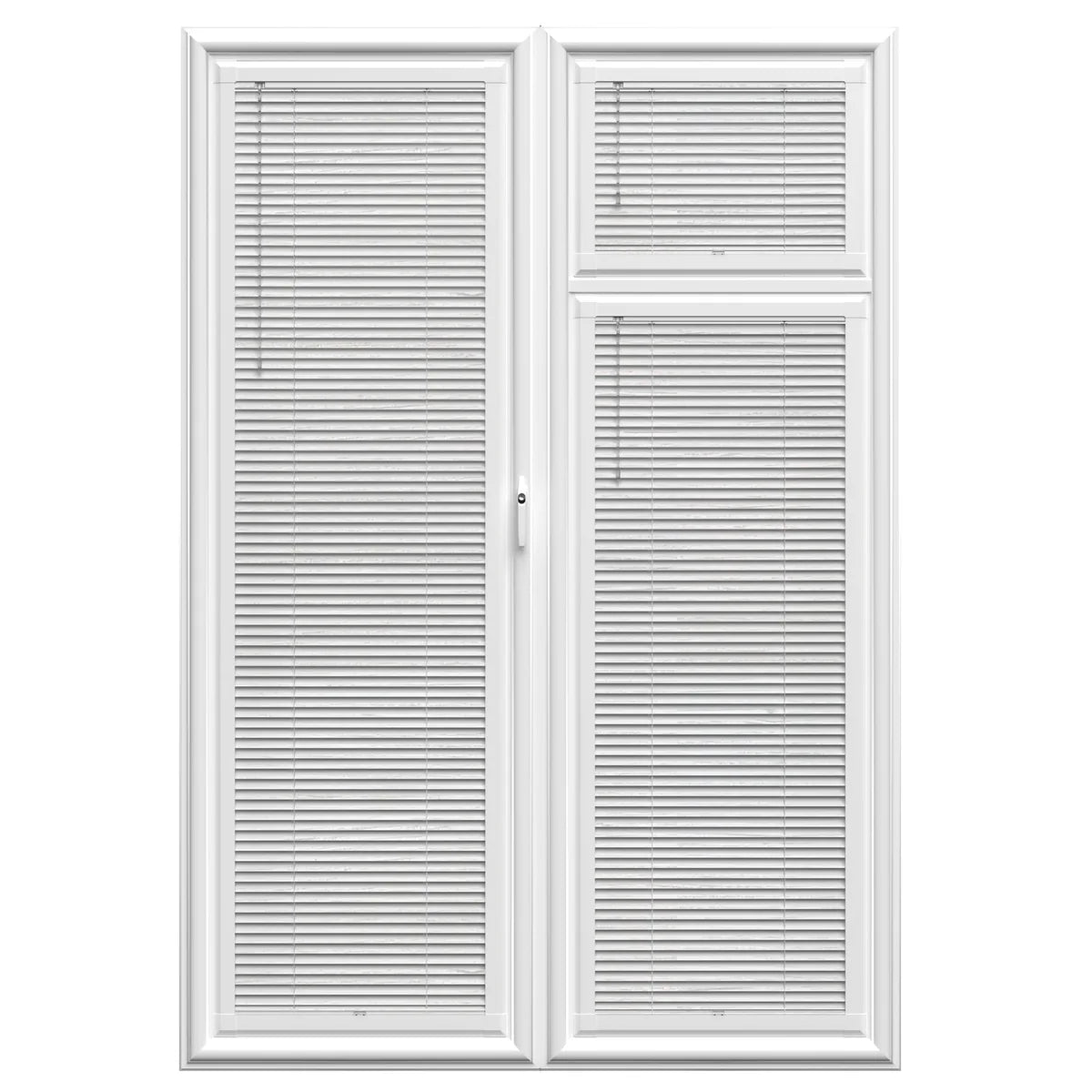
Perfect Fit Blinds: These are the gold standard for integrated design. They clip directly into the window beading, move with the window sash, and offer a factory-fitted look. They are the best choice for tilt-and-turn windows and French doors.
-
Tension Rod Solutions: These rely on outward pressure against the window recess. They are excellent for temporary situations or non-uPVC windows, but they often leave light gaps at the sides and can obstruct the movement of the window itself.
For long-term durability and superior insulation, Perfect Fit Blinds are the clear winner, especially when paired with Non-Drill Honeycomb Blackout Blinds technology.
[toc]
1. Mechanical Stability: Clipping vs. Pressure
The primary difference lies in how these blinds stay attached to your window.
Perfect Fit Engineering:
Perfect Fit systems use specialized "L-shaped" brackets that slide behind the rubber gasket of the uPVC window. The blind's own frame then clicks onto these brackets. This creates a mechanical lock. Because the blind is physically attached to the moving part of the window, it is incredibly stable. It won't rattle, fall, or move even if the window is fully open or in the "tilt" position for ventilation.
Tension Rod Engineering:
Tension rods (or "twist-and-fit" rollers) work like a shower curtain rod. An internal spring applies pressure to the side walls of the window recess. While convenient, this system is only as stable as the surface it’s pushing against. Over time, temperature changes can cause the rod to expand or contract, which may lead to the blind slipping or falling. Furthermore, tension rods usually block the entire recess, making it impossible to open the window without raising the blind first.
2. Light Control and the "Halo" Effect
For those seeking total darkness, the fit of the blind is more important than the fabric itself.
-
Tension Rods: Because the rod sits inside the recess but away from the glass, there are always significant gaps at the sides and top. Light spills through these gaps, creating a "halo" that can be highly disruptive in a bedroom or nursery.
-
Perfect Fit: By design, the Perfect Fit frame overlaps the edges of the window pane. This creates a light-tight seal. When you opt for Blackout Blinds in a Perfect Fit frame, you achieve near 100% darkness, as the integrated frame acts as a barrier against light diffraction.
3. Thermal Performance: Managing the Air Gap
In 2026, the efficiency of a window treatment is measured by its ability to prevent heat exchange.
The Tension Rod Gap:
A tension-mounted blind hangs like a traditional curtain. There is a large air pocket between the blind and the glass. Warm air from your room hits the cold glass, cools down, and "pours" out through the gaps at the sides—this is known as a convection loop.
The Perfect Fit Seal:
Perfect Fit blinds sit within millimeters of the glass. This minimizes the volume of air that can circulate. By trapping a very thin layer of air, it creates a much more effective thermal buffer. This is why Perfect Fit is the preferred method for anyone looking to maximize the energy-saving ROI of their window treatments.
4. Functionality: Tilt, Turn, and Open
This is perhaps the biggest "real-world" difference for UK homeowners.
-
Tension Rods: If you have tilt-and-turn windows or doors, tension rods are incredibly impractical. To open the window, you have to raise the blind. If the window is tilted, the blind hangs vertically, often getting in the way or banging against the frame.
-
Perfect Fit: Because the blind is part of the window sash, it moves with the window. You can tilt your window for fresh air or open it fully for cleaning without ever touching the blind. This makes Perfect Fit the only logical choice for high-traffic doors and modern uPVC tilt-and-turn systems.
5. Aesthetics: Built-In Luxury vs. Add-On Utility
Tension Rods: These often look like a "temporary fix." The hardware is visible, and the blind can sometimes look slightly misaligned if the tension isn't perfectly balanced.
Perfect Fit: These offer a sleek, architectural finish. The frame can be color-matched to your uPVC (White, Anthracite Grey, or Wood-grain), making it look like a factory-fitted part of the window. This "integrated" look is highly desirable in modern interior design and can actually add to the perceived value of your property.
6. Maintenance and Cleaning
Both systems are "no-drill," which means they are easy to remove. However:
-
Tension rods can leave marks on the paintwork of the window recess over time due to the pressure.
-
Perfect Fit blinds can be unclipped in seconds, allowing you to deep-clean the window glass and the frame without any tools. Because the fabric is protected within the frame, the edges are also less likely to fray or collect dust.
7. Final Verdict: Which One Should You Choose?
Choose Tension Rod Solutions if:
-
You have wooden or non-uPVC windows where clipping isn't an option.
-
You need a very temporary solution (e.g., for a week-long guest).
-
You are on a very strict budget and don't mind light gaps.
Choose Perfect Fit Blinds if:
-
You have uPVC windows or doors.
-
You want a permanent-feeling, professional finish.
-
You need 100% blackout or maximum thermal efficiency.
-
You want the blind to move with the window for easy ventilation.