Skip to content


 Vertical Blinds
 Roman Blinds
 Roller Blinds
 Venetian Blinds
 Day and Night Blinds
 Skylight Blinds
 Children
 Wooden Blinds
 Curtains
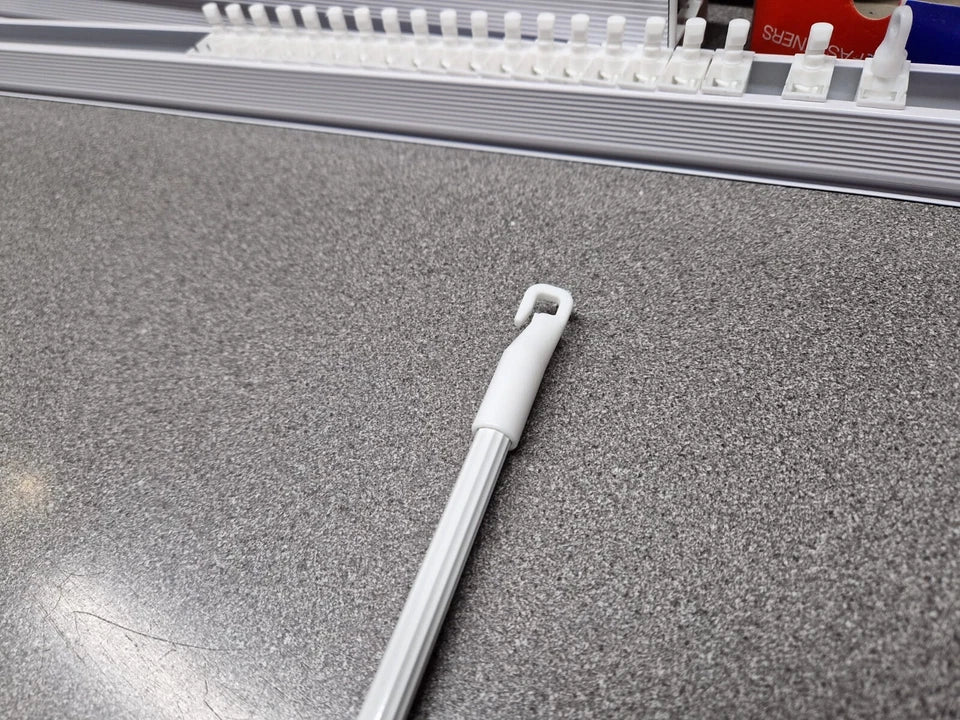 Blinds Accessories
 White
White Yellow
 Gold
Gold Green
Green Grey
Grey Pink
Pink Orange
 Animal
 Floral
 Geometric
 Striped
 Motorized Day and Night Blinds
 Motorized Roller Blinds
 No Drill Rollers
 Perfect Fit Wooden
 Perfect Fit Metal
 Thermal Blinds
 Better Sleep Blinds
 Cordless Blinds
 No Drill Blinds
 Blackout Blinds
 Waterproof Blinds
 Easy Wipe Blinds
 Taped Blinds
 Conservatory
 Office
 Kitchen
 Bathroom
 Dining Room
 Kids Room
 Living Room
 Bedroom
 Bay Window
 Conservatory Window
 Tild and Turn Window
 Bi Fold Window
 Roof of Skylight
 French Door
 Sliding Door
Replacement Slats for Vertical Blinds: A Cheap Way to Refresh a Tired Blind
- by Mariam Labadze
 Yes, you can usually replace just the slats on a vertical blind and keep the existing track. New replacement slats for vertical blinds fit standard 89mm and 127mm headrails, so a tired, faded or dated blind can be refreshed for a fraction of the cost of a whole new one.
That single fact is what makes vertical blinds such good value over the years. The parts that fail first are rarely the mechanism. It is the fabric that goes: sun-bleached along the leading edge, frayed at the hem, curled where the weights have twisted, or simply the wrong colour after a redecoration. The headrail, the carrier hooks and the tilt mechanism often have plenty of life left. Swapping the fabric while keeping the working parts is the sensible move, and it is exactly what most people mean when they ask about a slat refresh.
[toc]
Can you really replace just the slats?
In the vast majority of cases, yes. A vertical blind is made of two separate systems. The first is the headrail, which holds the carriers, the gears, the wand or chain, and the cord that links the bottom weights. The second is the set of fabric vanes, or slats, that hang from those carriers. Because the two are designed to come apart, you can lift out worn vanes and hook in fresh ones without touching the track at all.
Each slat hangs from a small plastic carrier hook at the top. At the bottom, a weight slots into a pocket sewn into the hem, and a chain or plastic connector links all the weights together so the blind hangs evenly and rotates as one. To swap a slat you unhook the top, remove the bottom weight, and reverse the process with the new one. It is a job most people manage in an afternoon with no tools.
There are a few honest caveats. If the carriers themselves are cracked, or the gears in the headrail no longer turn smoothly, then new fabric alone will not fix the problem. In that situation you may need a new headrail or a full new blind. It is worth operating the blind a few times before you order fabric. If it opens, closes and rotates cleanly, the mechanism is fine and slats are all you need. Browse the replacement vertical blind slats range once you have confirmed the track is sound.
Getting compatibility right: width and length
Compatibility comes down to two measurements and one small check.
The first is slat width. Vertical blind vanes come in two standard sizes in the UK: 89mm (three and a half inches) and 127mm (five inches). The 89mm width is the more common choice for average domestic windows, while 127mm suits larger patio doors and broad picture windows because fewer, wider vanes look calmer across a big span. Your existing carriers are made for one width or the other, so you must match what you already have. Measure an existing slat across its flat width, or count how the vanes sit in the carriers. Mixing 89mm vanes into 127mm carriers, or the reverse, will not hang correctly.
The second is length. This is where a light trim usually comes in. Replacement vanes are supplied slightly long so you can cut them to your exact drop. You measure from the carrier hook to just above the floor or sill, allow for the hem pocket, and trim the surplus. Because you are matching the drop of a blind that already fits your window, you are not measuring the window from scratch. You are simply copying the length of an old slat, which is far more forgiving.
The small check is the fixing style at the top and bottom. Most modern vanes use a punched hole at the top for the carrier hook and a sewn pocket at the bottom for the weight. Some older or continental systems differ. Before ordering, look at how one of your current slats attaches and confirm the new vanes use the same method. If you are reusing your old weights and bottom chain, make sure the new hem pockets are the right size to take them.
What about the weights and connecting chain?
Good news here. The bottom weights and the connecting chain are usually reusable. When a slat wears out it is the fabric that suffers, not the small plastic or metal weight tucked into the hem. You can slide the old weights out of the tired vanes and drop them straight into the new ones, then re-link the chain along the bottom.
If any connectors have snapped or gone brittle with age, they are cheap to replace on their own. A set of blind cord connector clips will sort a broken bottom chain without the expense of new hardware elsewhere. Keeping those small parts in good order is what lets the whole blind rotate as a single, tidy set rather than a row of slats drifting out of line.
Changing the look: colour, fabric and light control
A slat swap is not only a repair. It is one of the easiest ways to change the character of a room without redecorating around a fixed colour. If your walls have moved from magnolia to a deep green, or you have replaced a beige sofa with something bolder, the old blind can suddenly look tired even if the fabric is intact. New vanes let you reset the whole window in an hour.
You have real choice here. Plain woven vanes in soft neutrals suit a calm bedroom or a home office where you want the window to recede. Textured or patterned fabrics add interest in a living room. If glare on a screen or strong afternoon sun is the issue, blackout vanes cut far more light than a standard dimout weave, which is a common reason people upgrade rather than simply matching the old colour. You can also switch the mood from warm to cool, or from busy to plain, purely through the fabric you choose.
This is also the moment to fix a functional annoyance. If the previous vanes let in too much light at the edges, or the colour showed every mark, choose a fabric that solves that this time. Wipeable or moisture-tolerant weaves make sense in a kitchen or a room that catches condensation. Think of the refresh as a chance to correct the original spec, not just replace it like for like.
If you decide the mechanism has had its day as well, or you are fitting a brand new window, a complete vertical blinds unit gives you a fresh headrail, carriers and fabric together. That is the right call for a new opening or a track that no longer runs smoothly. For an existing, working blind, though, fabric alone is almost always the smarter spend.
Is it cheaper than a new blind? The cost picture
This is the heart of the matter, and the honest answer is that replacing the slats is almost always cheaper than buying a whole new blind. When you buy replacement vanes you pay for fabric only. When you buy a complete blind you pay for fabric plus the headrail, the carriers, the gears, the wand or chain control, the brackets and the fixings. You already own all of those second things, and if they still work, buying them again is money spent for no gain.
There is a second saving that is easy to overlook: fitting. A new blind means taking the old headrail down, drilling fresh fixings, levelling the track and setting it up. Replacing slats needs none of that. The track stays exactly where it is, correctly aligned, and you simply rehang fabric from the existing carriers. No drill, no new holes, no re-levelling.
Set against that, buy a new blind when the maths tips the other way. If the headrail is damaged, if multiple carriers are broken, if the gears grind or the wand has snapped its connection, then the cost and effort of chasing individual spares can approach the price of a new unit. And for a new window with no blind at all, you obviously need the full kit. The rule of thumb is simple. Sound mechanism, tired fabric: replace the slats. Failed mechanism or new opening: buy the whole blind.
A quick word on measuring
This article deliberately keeps measuring brief, because the detail sits elsewhere. For a slat refresh you mainly need two figures: the vane width your carriers use (89mm or 127mm) and the drop, copied from an existing slat and trimmed to suit. Measure one old vane flat for width, and from carrier hook to just above the sill for length, then order to match. When you are ready to choose fabric and confirm sizing, start with the replacement slats collection, where widths and drop options are set out clearly.
If you find you also need odds and ends such as spare weights, wands or carrier hooks to complete the job, the blinds accessories range covers the small parts that tend to go missing over the years. Ordering those alongside your fabric saves a second delivery and gets the whole blind working like new in one go.
Frequently asked questions
Can you replace just the slats on vertical blinds?
Yes. The fabric vanes are designed to unhook from the carriers in the headrail, so you can remove worn slats and hang new ones without replacing the track or mechanism. As long as the carriers, gears and control still work smoothly, a slat-only swap is straightforward and needs no tools. It is the usual fix when fabric has faded or frayed but the blind still operates well.
Will replacement slats fit my existing track?
They will, provided you match the slat width your carriers are built for, which is 89mm or 127mm in the UK. Measure the flat width of one existing vane and order the same size, then trim the new vanes to your current drop. Also check that the top hole and bottom hem pocket match your existing fixing style so the carrier hooks and weights transfer across cleanly.
Is it cheaper to replace the slats or the whole blind?
Replacing the slats is almost always cheaper, because you pay for fabric only rather than fabric plus a new headrail, carriers, gears and brackets. You also skip refitting, since the track stays in place. Buying a complete new blind only makes sense if the headrail or mechanism is damaged, or you are dressing a brand new window with no existing blind.