Skip to content


 Vertical Blinds
 Roman Blinds
 Roller Blinds
 Venetian Blinds
 Day and Night Blinds
 Skylight Blinds
 Children
 Wooden Blinds
 Curtains
 Blinds Accessories
 White
White Yellow
 Gold
Gold Green
Green Grey
Grey Pink
Pink Orange
 Animal
 Floral
 Geometric
 Striped
 Motorized Day and Night Blinds
 Motorized Roller Blinds
 No Drill Rollers
 Perfect Fit Wooden
 Perfect Fit Metal
 Thermal Blinds
 Better Sleep Blinds
 Cordless Blinds
 No Drill Blinds
 Blackout Blinds
 Waterproof Blinds
 Easy Wipe Blinds
 Taped Blinds
 Conservatory
 Office
 Kitchen
 Bathroom
 Dining Room
 Kids Room
 Living Room
 Bedroom
 Bay Window
 Conservatory Window
 Tild and Turn Window
 Bi Fold Window
 Roof of Skylight
 French Door
 Sliding Door
Why Roman Blinds Are the Designer's Secret for Elegant Interiors
- by Mariam Labadze
Quick Answer
Interior designers favor Roman blinds for creating sophisticated, luxurious interiors through soft fabric folds adding dimensional depth, extensive customization enabling perfect color and pattern coordination, layered construction providing visual richness, and textile warmth softening architectural edges. Romans elevate rooms from functional to refined through their substantial presence transforming windows into focal points rather than afterthoughts. Designer appeal stems from unlimited fabric possibilities—from subtle linens to bold patterns—allowing bespoke expressions matching precise aesthetic visions, whilst horizontal folds create architectural interest that flat treatments cannot replicate. The investment (£80-£200+ per window) proves worthwhile in showcase rooms where Romans' elegant draping, quality materials, and refined operation signal attention to detail that defines truly designed spaces versus merely decorated rooms.
The Architectural Quality of Horizontal Folds
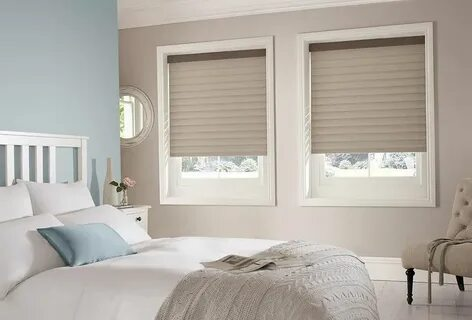
Three-Dimensional Depth – Roman blinds' defining characteristic—elegant horizontal folds when raised—creates dimensional interest that flat treatments fundamentally cannot achieve. These sculptural pleats cast subtle shadows changing throughout the day as natural light angles shift, introducing dynamic visual interest that transforms static window coverings into living design elements.
This three-dimensionality proves particularly valuable in minimalist or neutral interiors where decorative restraint might otherwise feel bland. The folds provide architectural detail and visual texture without requiring busy patterns or excessive ornamentation that would compromise clean contemporary aesthetics.
Varied Fold Styles – Designers exploit different Roman configurations creating specific effects. Flat Romans produce crisp contemporary folds with defined horizontal lines, whilst hobbled styles feature permanent soft cascades even when lowered, creating romantic traditional impressions. Relaxed Romans present gentle curves rather than strict pleats, offering casual elegance suited to transitional and country aesthetics.
This versatility allows tailoring Romans precisely to interior design approaches—selecting fold styles that reinforce rather than contradict broader stylistic intentions. The choice represents genuine design decision rather than accepting single predetermined appearance.
Scale and Proportion – The fold spacing affects perceived room scale and ceiling height. Closer folds create busier appearances suited to traditional spaces with ornate details, whilst wider spacing produces cleaner lines appropriate for contemporary minimalism. Designers manipulate this spacing creating optimal visual balance within specific room proportions.
Large windows benefit from proportionally substantial folds that read clearly from distance, whilst compact windows suit more delicate fold scales preventing overwhelming small spaces through disproportionate visual weight.
Textile as Design Medium
Unlimited Fabric Possibilities – Roman blinds showcase fabrics prominently, making material selection central to design impact. This textile emphasis provides designers extraordinary creative freedom—from subtle natural linens creating organic warmth, to bold geometric patterns making dramatic statements, to luxurious velvets introducing opulent tactile richness.
The substantial yardage displayed when Romans lower presents fabrics at impactful scale impossible in smaller applications like cushions or throws. This prominence allows fabrics genuinely influencing room character rather than providing minor accents within broader schemes.
Coordinated Design Narratives – Designers create cohesive interiors by coordinating Roman fabrics with upholstered furniture, decorative cushions, curtains, and soft furnishings. This textile continuity throughout spaces creates sophisticated layering that communicates intentional design rather than haphazard decoration accumulation.
The coordination needn't involve identical materials—subtle variations within color families or complementary patterns create more interesting relationships than matchy-matchy approaches. However, the textile connection remains clear, supporting visual harmony across diverse elements.
Custom and Bespoke Options – Unlike mass-produced alternatives, Romans accommodate custom fabrics allowing truly unique solutions. Designers specify exact materials matching precise visions—perhaps vintage textiles, designer fabrics, or commissioned prints—creating genuinely one-of-kind window treatments impossible replicating through standard product offerings.
This bespoke capability proves particularly valuable in luxury projects where distinctive character and exclusivity justify investments in custom fabrication that standard products cannot deliver regardless of quality.
Layering and Visual Complexity
Multi-Layer Construction – Roman blinds inherently feature multiple layers—face fabric, lining, and often interlining—creating visual depth and substance that single-layer alternatives lack. This construction reads subliminally as quality and thoughtfulness, contributing to overall impressions of refined, well-considered interiors.
The layering provides functional benefits—thermal insulation, light control, privacy—whilst simultaneously creating visual richness that flat treatments fundamentally cannot replicate. This dual contribution makes Romans particularly valuable in design schemes where elements must justify presence through both aesthetic and functional merit.
Pairing with Curtains – Designers frequently layer Romans with curtains creating sophisticated window treatments addressing multiple requirements simultaneously. Romans provide light control and privacy, whilst curtains add softness, frame views, and introduce additional textile interest and color.
This combination allows achieving effects that neither element delivers independently—the precision of Romans with the romance of flowing curtains—creating windows that function as designed focal points rather than merely covered openings.
Texture and Pattern Interaction – The horizontal folds interact with fabric patterns creating dynamic effects as patterns appear and disappear within pleats. Stripes aligned with folds create graphic emphasis, whilst patterns placed asymmetrically to folds generate visual movement and interest that static flat presentations cannot achieve.
Designers exploit these interactions intentionally, selecting patterns and fold configurations that enhance rather than fight each other, creating harmonious totalities where all elements contribute to cohesive effects.
Softening Contemporary Architecture
Counterbalancing Hard Surfaces – Modern interiors often feature extensive hard materials—glass, metal, concrete, stone—creating sleek aesthetics that sometimes feel cold or unwelcoming. Roman blinds introduce textile softness tempering these hard surfaces, creating balanced environments that feel intentionally designed rather than accidentally sterile.
The fabric warmth provides psychological comfort through tactile associations even without physical contact. Humans respond positively to soft materials through evolutionary conditioning, making Romans' textile presence psychologically valuable beyond pure visual contributions.
Acoustic Benefits – Fabric Romans dampen sound reflections that hard surfaces amplify, reducing echo and improving acoustic comfort in contemporary spaces with minimal soft furnishings. This functional benefit proves particularly valuable in open-plan areas where sound control challenges comfort despite excellent visual designs.
The acoustic improvement operates subtly—rooms simply feel more comfortable and intimate without occupants consciously recognizing Romans' contribution. This subliminal enhancement represents sophisticated design addressing function through aesthetic elements rather than obvious acoustic treatments.
Human Scale and Approachability – Large architectural glazing creates impressive transparency but sometimes feels impersonal or overwhelming. Romans provide human-scaled softness and detail making grand architectural gestures more approachable and livable, balancing impressive with comfortable.
Color as Design Tool
Introducing Accent Colors – Romans provide substantial color surface area allowing meaningful accent color introduction without committing entire rooms to bold choices. Perhaps neutral furnishings throughout with jewel-tone Romans adding personality and visual interest—approach that proves more flexible than painting entire walls or purchasing colored furniture.
The Romans' impact proves significant enough registering clearly whilst remaining changeable if tastes evolve or design directions shift. This balance between meaningful contribution and practical flexibility appeals to designers managing long-term client satisfaction alongside immediate aesthetic goals.
Neutral Foundation – Conversely, neutral Romans—whites, creams, greys, natural linens—provide sophisticated backgrounds supporting bolder furnishings and accessories. This approach allows decorative flexibility through easily changed elements like cushions and artwork whilst Romans' neutral elegance remains appropriate despite evolving accents.
The quality evident in well-made neutral Romans prevents them reading as boring or default choices—instead, they communicate intentional restraint and confidence that doesn't require loud colors or patterns commanding attention.
Seasonal Flexibility – Some designers specify interchangeable Roman fabrics allowing seasonal updates—lighter materials for summer, richer textures for winter—without replacing entire window treatments. This approach suits clients who enjoy refreshing interiors periodically whilst maintaining consistent quality and investment in mechanisms and structure.
Quality Signaling and Perceived Value
Material Investment – Romans' substantial fabric requirements and complex construction signal quality investment that budget alternatives cannot replicate. This quality perception proves psychologically important—rooms with Romans simply feel more considered and valuable than those with basic treatments regardless of actual cost differences.
The perceived investment communicates care about interior quality and design thoughtfulness that positively influences how spaces feel and how occupants experience them daily. This psychological benefit proves difficult quantifying but genuinely valuable for overall satisfaction.
Craftsmanship Evidence – Well-made Romans demonstrate visible craftsmanship through precise fold spacing, quality stitching, proper lining attachment, and smooth operation. This evident quality appeals to design-conscious clients appreciating fine workmanship and willing paying premiums for superior execution that mass-produced alternatives lack.
The craftsmanship communicates respect for traditional making methods and attention to detail that defines luxury experiences across domains—not mere window covering but evidence of comprehensive design thinking valuing quality throughout.
Timeless Appeal
Beyond Trends – Unlike overtly trendy treatments that date quickly, quality Romans maintain relevance across decades through classical proportions and timeless elegance. This longevity proves valuable for clients making substantial investments expecting extended appreciation rather than requiring replacement when fashions shift.
The timelessness stems from Romans' historical precedent—variations have dressed elegant windows for centuries—combined with their fundamental reliance on quality textiles and proportions that transcend temporary styling fads.
Adaptable Foundation – Romans' neutral elegance allows evolving surrounding décor without requiring window treatment replacement. This adaptability supports sustainable design approaches valuing longevity over disposability, aligning with contemporary values prioritizing quality and permanence over fast fashion mentalities.
Professional Specification Advantages
Precise Customization – Professional Roman fabrication allows exact sizing, specific fold configurations, tailored lining selections, and custom trim details that mass production cannot accommodate. This precision ensures perfect fits and appearances that standard products approximate but rarely achieve completely.
Designers value this customization ability delivering precisely envisioned results rather than accepting closest available standard options that compromise visions through unavoidable concessions to manufacturing limitations.
Trade Relationships – Established designers maintain relationships with quality Roman fabricators ensuring reliable production, consistent quality, and responsive service that DIY consumers cannot access. These partnerships prove crucial delivering professional results that justify design fees through superior outcomes.
Installation Oversight – Professional installation ensures Romans operate smoothly and present beautifully—details that significantly affect client satisfaction and perceived value. Designers coordinating installation prevent the operational problems or aesthetic compromises that uncertain DIY approaches sometimes create despite best intentions.
When Romans Prove Essential
Formal Living Spaces – Living rooms, dining rooms, and formal entertaining areas benefit tremendously from Romans' elegance and architectural presence. These spaces where aesthetics matter profoundly and guests experience homes warrant the investment and maintenance that Romans demand.
Master Suites – Primary bedrooms deserve the luxury and sophisticated comfort that Romans provide. The combination of blackout functionality with beautiful daytime appearances creates environments that feel genuinely special rather than merely functional.
Heritage and Period Properties – Romans suit traditional architecture beautifully through their classical proportions and textile emphasis that honors historical design contexts whilst providing modern functionality and comfort.
At 1 Click Blinds, we understand why designers consistently specify Roman blinds for elegant interiors. Our collection includes quality fabrics, various fold styles, and appropriate lining options enabling the sophisticated window treatments that transform ordinary rooms into beautifully designed spaces worthy of professional interiors magazines and lasting personal satisfaction.