Skip to content


 Vertical Blinds
 Roman Blinds
 Roller Blinds
 Venetian Blinds
 Day and Night Blinds
 Skylight Blinds
 Children
 Wooden Blinds
 Curtains
 Blinds Accessories
 White
 Yellow
 Gold
 Green
 Grey
 Pink
 Orange
 Animal
 Floral
 Geometric
 Striped
 Motorized Day and Night Blinds
 Motorized Roller Blinds
 No Drill Rollers
 Perfect Fit Wooden
 Perfect Fit Metal
 Thermal Blinds
 Better Sleep Blinds
 Cordless Blinds
 No Drill Blinds
 Blackout Blinds
 Waterproof Blinds
 Easy Wipe Blinds
 Taped Blinds
 Conservatory
 Office
 Kitchen
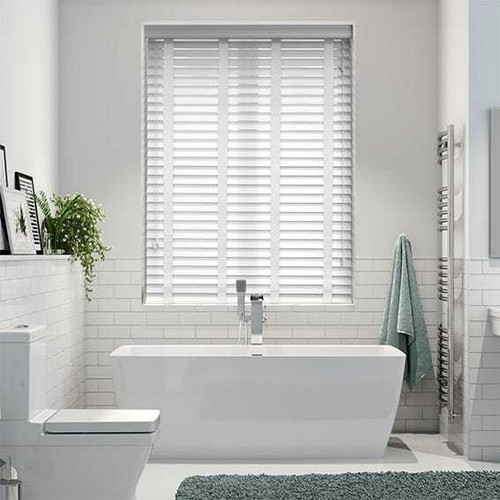 Bathroom
 Dining Room
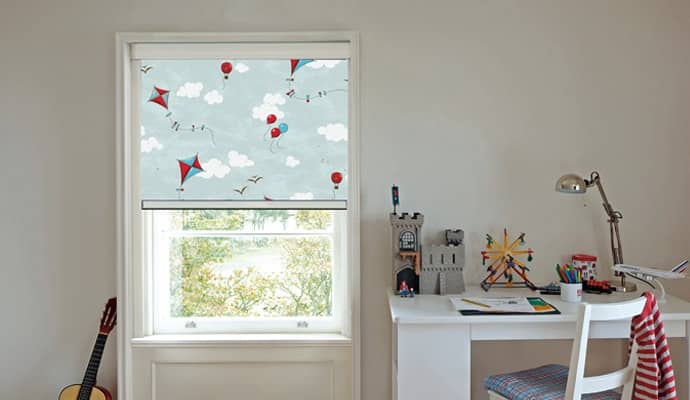 Kids Room
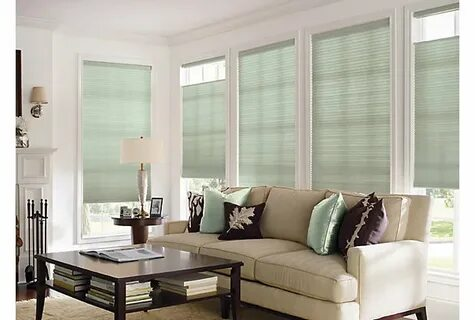 Living Room
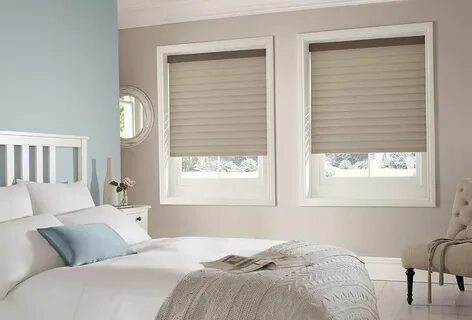 Bedroom
 Bay Window
 Conservatory Window
 Tild and Turn Window
 Bi Fold Window
 Roof of Skylight
 French Door
 Sliding Door
Bamboo Roller Blinds: Where the Natural Weave Works and Where It Warps
- by Mariam Labadze
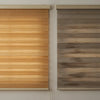
Bamboo roller blinds filter light, they do not cover a window. The blind is woven from fine slats held together by thread, and daylight comes through the gaps even when it is fully down, which is the one fact that decides every room they belong in.
Sold as natural weave or woven wood, they photograph beautifully and behave nothing like a flat fabric roller. Buy bamboo roller blinds for the light they make rather than the light they stop, and you will like them for years.
Key Takeaways
-
A filter, never a cover. Light passes through the weave at every position, so there is no fully dark setting.
-
Living rooms, not bedrooms. The glow that makes a sitting room warm makes a bedroom useless at six in the morning.
-
Humidity bows the slats. Bathrooms and unheated conservatories move the material, and the bow does not come back out.
-
Dust lives in the weave. A flat fabric wipes clean. A woven blind needs a brush and a vacuum, regularly.
-
Lining changes the look. Add a backing for privacy and you lose the texture that made you want it.
A Filter, Not a Cover
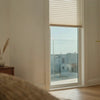
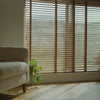
Hold a woven blind up to a window and you can see the point of it straight away. The slats block, the gaps between them do not, and what reaches the room is daylight broken into fine horizontal lines. On a white wall at four in the afternoon that is the whole appeal.
It also means the usual language does not apply. A fabric roller has two states, up and down, and down means the window is covered. Across the bamboo roller blinds you will find on any site, down means dimmed. There is no setting that gives you darkness, because the construction will not allow one.
Privacy follows the same logic and is worth being blunt about. During the day, with the brighter side outside, nobody sees much through the weave. After dark, with a lamp on indoors, that reverses completely, and a person on the pavement can make out movement and shape. For a front room facing a street, that is the thing to think about before colour.
Rooms Where Bamboo Roller Blinds Belong
Sitting rooms first. Bamboo roller blinds do their best work where you want the window softened rather than shut, and where somebody is awake to enjoy the light pattern they throw. Dining rooms work for the same reason. Hallways and landings too, where privacy matters less and the texture is doing a decorating job.
Home offices are a qualified yes. The weave takes the hard edge off direct sun, which helps on a screen, but it will not kill glare on a south-facing window in July the way a dense fabric does. If you work facing the glass, pair them rather than relying on them.
Bedrooms are where the honest answer is no. An east-facing bedroom with a woven blind is light at sunrise regardless of how heavy the slats are, and nobody who sleeps past six will forgive the purchase. That room wants a coated fabric, and the blackout blinds range is built for exactly the job the weave cannot do. A spare room used twice a year is a different matter, and bamboo roller blinds are fine in one.
Humidity, Warping and the Rooms to Avoid
This is the part the style features leave out. Bamboo is a plant material, it takes moisture out of the air and gives it back, and it changes shape slightly each time it does. In a steady, heated room that movement is too small to see. In a room that swings between damp and dry, it accumulates.
A bathroom is the clearest example. Hot shower, cold window, repeated twice a day: the slats take on moisture unevenly, the thread holding them stays the same length, and the blind develops a gentle bow across its width. It will not roll evenly after that, and it does not straighten out when the room dries. If the window is in a shower room, pick from the waterproof blinds range and keep the natural weave for somewhere drier. Waterproof roller blinds are not a downgrade here, they are the correct tool.
Conservatories are the second trap, and a more expensive one. An unheated conservatory in a British winter runs cold and damp overnight then bakes the moment the sun comes out, which is the worst possible cycle for a woven natural material. Fabric or pleated conservatory blinds handle that swing without complaint. A heated garden room used all year is far kinder, and bamboo roller blinds survive one perfectly well.
Kitchens sit between the two. Away from the hob and with decent extraction, the weave is fine. Directly above a sink or a kettle, it is not, mostly because of what settles in it rather than what the steam does to the slats.
Lining Them for Privacy or Darkness
You can have a woven blind backed with a fabric lining, and it solves the privacy problem outright. It also costs you the thing you bought. Light no longer comes through the gaps, the texture reads as a flat panel from inside the room, and the slats become a pattern on the front rather than a filter.
That trade is worth making in one situation only: a front-facing room where you want the look from the street and from the sofa, and you accept that the blind is now doing a fabric blind's job. In every other case, if you need the window properly covered, made to measure roller blinds in a plain fabric will do it better and cost less than a lined natural weave.
Lining does nothing useful for heat either, and it is worth saying plainly that a woven blind is not an insulating one. Air moves straight through the gaps, so there is no still layer trapped against the glass, which is the whole mechanism by which thermal blinds work. If a draughty single-glazed sash is the problem you are solving, thermal roller blinds are the product, and bamboo roller blinds are not.
Cleaning a Woven Blind
Dust does not sit on a woven blind, it settles into it. A flat fabric roller takes one pass with a dry cloth and looks new. Bamboo roller blinds need the dust lifted out of the gaps between the slats, which is a different and slower job.
A vacuum with a soft brush head, run along the slats rather than across them, does most of it. Work with the blind fully down and the weight bar held steady so the fabric does not lift towards the nozzle. For anything stubborn in the weave, a dry paintbrush gets into the gaps that the vacuum head bridges over.
Damp cleaning is where people go wrong. A wet cloth on a natural slat puts moisture into the one material that reacts to it, and a soaked patch dries a shade darker than the rest. Spot-treat sparingly with a barely damp cloth, dry it immediately, and accept that a heavy stain on a natural weave is usually permanent. On a fabric blind you would wipe it off and forget it, which is one more argument for choosing made to measure roller blinds in fabric for any window that gets handled.
Set against that, the material ages well. The colour mellows rather than fading in patches, the slats do not go brittle in a normally heated room, and a blind that lives in a dry sitting room will look right for a very long time. Put bamboo roller blinds where the air is steady and the light is the point, and they are hard to beat. Put them in a bathroom and you will be ordering again by spring.
Frequently asked questions
What are the best rooms for roller blinds?
Living rooms, bedrooms, kitchens and home offices all take a roller well, because the flat fabric sits close to the glass and takes up almost no space. The fabric choice matters more than the room: coated blackout for bedrooms, wipeable or waterproof for kitchens and bathrooms, and a light filtering weave anywhere you want daylight softened rather than stopped.
Are roller blinds suitable for bathrooms?
Yes, provided the fabric is. A PVC-coated or polyester waterproof fabric handles steam and wipes clean, and that is the standard choice for a bathroom window. Natural woven materials are the exception, since repeated damp and dry cycles bow the slats. Mount outside the recess where you can, so the blind sits clear of the splash zone.
How do you clean roller blinds?
Keep it dry first. Lower the blind fully and run a vacuum on low suction with a soft brush head from top to bottom, or use a dry microfibre cloth on a flat fabric. Treat marks individually with a barely damp cloth, blotting from the outside of the stain inwards, then leave the blind down to dry rather than rolling it up wet.