Skip to content

 Vertical Blinds
 Roman Blinds
 Roller Blinds
 Venetian Blinds
 Day and Night Blinds
 Skylight Blinds
 Children
 Wooden Blinds
 Curtains
 Blinds Accessories
 White
 Yellow
 Gold
 Green
 Grey
 Pink
 Orange
 Animal
 Floral
 Geometric
 Striped
 Motorized Day and Night Blinds
 Motorized Roller Blinds
 No Drill Rollers
 Perfect Fit Wooden
 Perfect Fit Metal
 Easy Stick Honeycomb
 Easy Stick Wooden
 Easy Stick Metal
 Thermal Blinds
 Better Sleep Blinds
 Cordless Blinds
 No Drill Blinds
 Blackout Blinds
 Waterproof Blinds
 Easy Wipe Blinds
 Taped Blinds
 Conservatory
 Office
 Kitchen
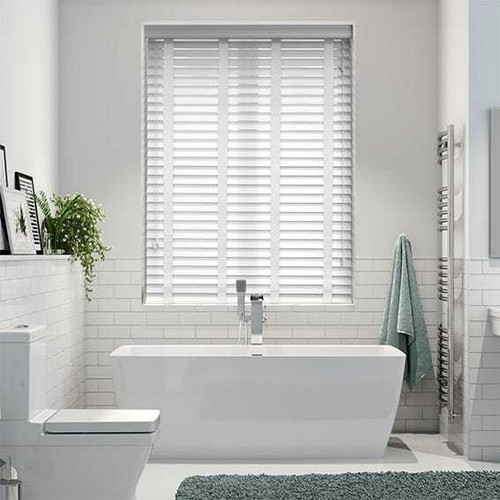 Bathroom
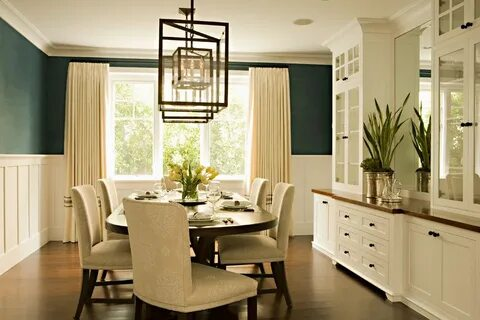 Dining Room
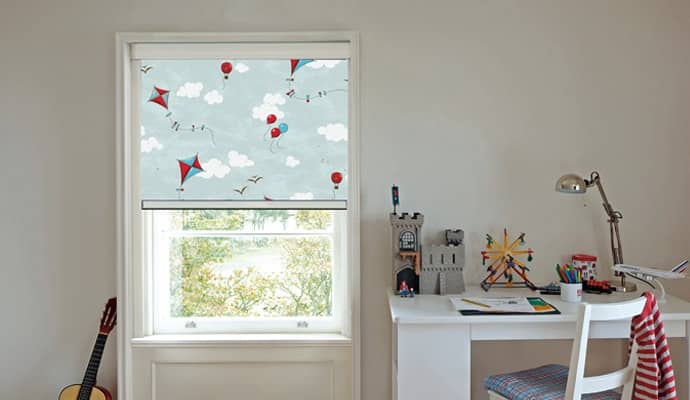 Kids Room
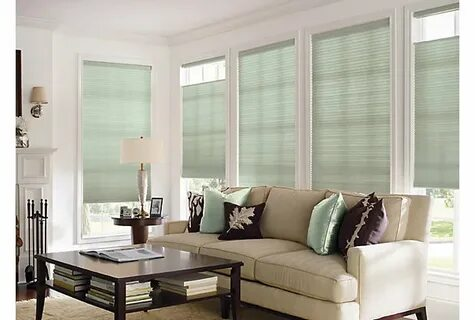 Living Room
 Bedroom
 Bay Window
 Conservatory Window
 Tild and Turn Window
 Bi Fold Window
 Roof of Skylight
 French Door
 Sliding Door
Wooden Slat Blinds: What Slat Width Changes About Light, View and Stack
- by Mariam Labadze
Slat width is the only choice on wooden slat blinds that changes three things at once: how much view you get when the slats are open, how deep the stack sits at the top when you raise them, and how fine your control over light is. Everything else is colour.
Nobody explains it at the point of ordering, so people pick on looks and find out afterwards. Get the width right and wooden slat blinds disappear into a window. Get it wrong and the stack eats the top of the glass for the next decade.
Key Takeaways
-
Width sets the view. Wider slats mean fewer of them, so less obstruction and more glass when they are open.
-
Width sets the stack. Wooden slat blinds pile deeper at the headrail as the slat widens, over the top of your glass.
-
Narrow means fine control. More slats give more positions between open and shut, which matters on a small window.
-
Scale with the window. Match width to the height of the glass, not to the fashion in a showroom photo.
-
Tapes change the maths. Wide tapes read best on wide slats, and they add a little to the raised stack.
What Slat Width Controls on Wooden Slat Blinds
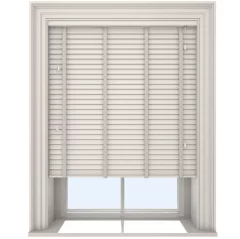
Picture the same window twice. Once with a lot of narrow slats, once with a handful of wide ones over the same drop. The second blind has fewer horizontal lines crossing the glass, so tilted flat you look through fewer edges and the view reads as open. The first has more edges in the way, and it looks busier even fully tilted.
Raise them and it reverses. Every slat goes somewhere when the blind lifts, and they land on top of each other at the headrail. Fewer thick slats sometimes make a shallower pile than many thin ones, but it rarely works out that way, because thickness tends to rise with width. Across the wooden slat blinds range, the wider the slat, the deeper the raised stack sits.
That stack is the part people forget. On a short window it can cover a serious share of the glass even when the blind is fully up, which means you never actually get the whole window back. On a tall sash it is irrelevant, because the same stack is a smaller fraction of the drop.
Light control is the third axis, and it is the one most people never test before ordering wooden slat blinds. A narrow slat gives more intermediate positions between fully open and fully shut, so you can hold a precise angle that cuts glare without killing the room. A wide slat moves through the same arc in fewer, coarser steps.
Wide Slats: More View, Deeper Stack
Wide wooden slat blinds suit a large window, and the reason is proportion rather than performance. A big pane crossed by a small number of broad horizontal lines looks calm. The same pane crossed by many fine lines looks striped, and the eye reads that as busy before it reads it as anything else.
The view gain is real. Fewer slats mean fewer edges between you and the garden, and on a patio door that difference is noticeable from the sofa. This is the same logic behind the broad slats on most wooden venetian blinds sold for living spaces.
The cost is at the top. A deep stack on a full-height window is barely noticeable, but on anything short it matters, more so if the window sits low in the wall. Measure the drop before deciding. If the glass is not much taller than it is wide, a wide slat is working against you.
Weight is the other consideration, and it applies to very wide blinds rather than very wide slats. Broad wooden blinds for windows over two metres get heavy, and the cords carry that weight every time you lift. Ask about a motorised option at that size rather than finding out with a sore shoulder.
Narrow Slats: Finer Control, Busier Look
Narrow wooden slat blinds earn their keep on small windows. On a kitchen casement, a bathroom window or a landing light, a broad slat looks oversized and gives you three useful positions. A narrow one sits in proportion and lets you shut out the neighbour's upstairs window without shutting out the sky.
The control argument is the stronger one. With more slats, each tilt increment is smaller, so you can find the exact angle that stops direct sun on a screen while still lighting the desk. Anyone who works facing a window will feel this difference within a week.
Narrow slats also keep the raised stack shallow, which is what makes them right for short, wide windows: the sort of thing above a kitchen worktop, where the blind spends half its life up and you want all of the glass back. Made to measure wooden blinds in a narrow slat suit that shape better than anything else.
Lighter slats also suit clip-in fittings. Where a frame-mounted system holds the blind against uPVC without screws, slat weight is part of what the clips are carrying, and the perfect fit blinds approach tends to work more happily with a lighter, narrower slat than with the broadest one available.
The honest downside is the look. Many narrow slats on a large window read as fussy, and no amount of good timber fixes it. If the window is the main feature of the room, go wider.
Matching Slat Width to Window Size
Size wooden slat blinds by the height of the glass, not by your taste in showroom photographs. A tall window carries a wide slat easily, because the stack is a small fraction of the drop and the broad lines suit the scale. A short window does not, on both counts at once.
The working rule: the shorter the drop, the narrower the slat. Below roughly a metre of drop, narrow wins every argument. Above about a metre and a half, go wide unless the window is unusually narrow. Between the two, decide on whether the blind lives up or down. One that stays lowered can be wide, since the stack never shows. One raised all day should be narrow.
Bay windows deserve their own answer. Each pane in a bay is usually narrower than it is tall, and a very wide slat across three or five of those makes each blind look cramped. Narrow or medium reads better and keeps the stacks lining up across the bay, which is what you notice standing in the room. Measure bay window blinds pane by pane rather than assuming the three are identical, because in an older house they rarely are.
Rather than taking a figure from an article, open the configurator for the product you want and look at the widths offered, because the choice changes by product and by colour. The drop you enter will often rule some of them out for you.
Where Tapes Change the Decision
Tapes are the woven ladders that run down the face of the blind instead of bare cords. They are decorative, mostly, and they tip the width decision in one direction: wide. A broad tape across a narrow slat looks crowded, because the tape competes with the slat for the same visual space.
They also add a little to the raised stack, since the tape gathers between the slats as they pile up. On tall wooden slat blinds that is nothing. On a short window it is one more reason to keep the slat narrow and skip the tapes.
Where wooden blinds with tapes genuinely help is on a wide window in a room with pattern elsewhere, because the vertical lines break up a large expanse of horizontal ones. That is a decorating decision rather than a functional one, and it is worth making after the width is settled rather than before.
So the order is simple. Measure the drop, pick the width the drop can carry, then decide on tapes and colour. Wooden slat blinds reward being chosen in that sequence, and punish being chosen in reverse.
Frequently asked questions
How do you measure white wooden blinds?
Measure the recess width in three places, top, middle and bottom, and use the smallest, since old openings are rarely square. Do the same for the drop on both sides and in the centre. For an outside fit, measure the glass and add an overlap on each side and at the top. Give the exact recess size and let the supplier make the deductions.
How do you clean wooden blinds?
Tilt the slats closed, then run a dry microfibre cloth or a soft brush along each one, turn them the other way and repeat for the reverse face. Keep water off real timber, since it raises the grain and can warp a slat. For marks, use a barely damp cloth, dry the slat immediately, and work along the grain rather than across it.
Are wooden blinds energy efficient?
They help a little, by holding a layer of still air between the slats and the glass when closed, but the slats leave gaps at every edge so the effect is limited. A honeycomb or a lined thermal blind in side channels does far more for heat loss. Treat timber as a light-control and privacy product with a modest side benefit.