Skip to content


 Vertical Blinds
 Roman Blinds
 Roller Blinds
 Venetian Blinds
 Day and Night Blinds
 Skylight Blinds
 Children
 Wooden Blinds
 Curtains
 Blinds Accessories
 White
White Yellow
 Gold
Gold Green
Green Grey
Grey Pink
Pink Orange
 Animal
 Floral
 Geometric
 Striped
 Motorized Day and Night Blinds
 Motorized Roller Blinds
 No Drill Rollers
 Perfect Fit Wooden
 Perfect Fit Metal
 Thermal Blinds
 Better Sleep Blinds
 Cordless Blinds
 No Drill Blinds
 Blackout Blinds
 Waterproof Blinds
 Easy Wipe Blinds
 Taped Blinds
 Conservatory
 Office
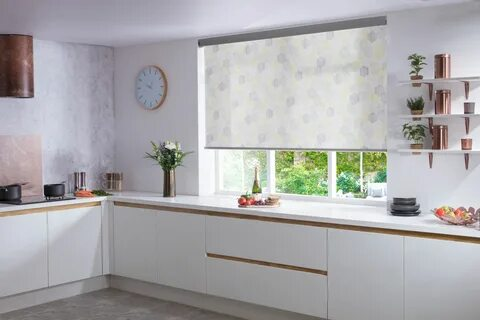 Kitchen
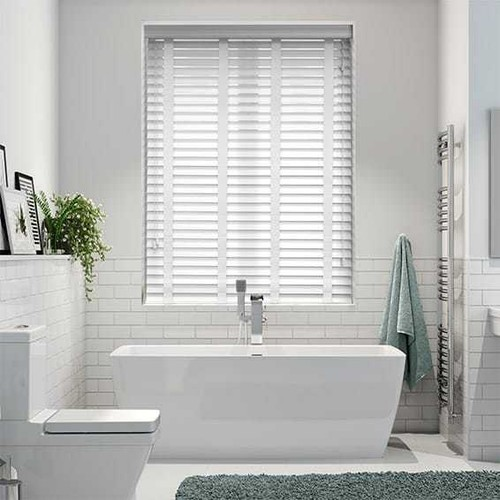 Bathroom
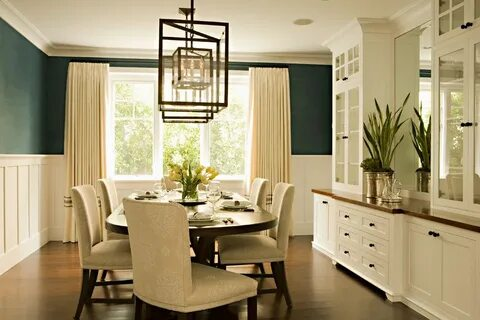 Dining Room
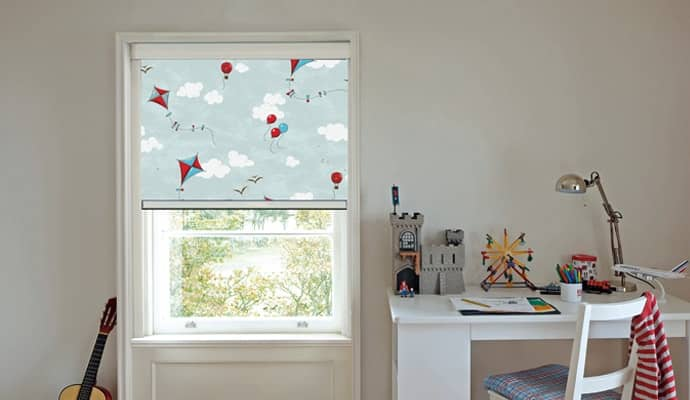 Kids Room
 Living Room
 Bedroom
 Bay Window
 Conservatory Window
 Tild and Turn Window
 Bi Fold Window
 Roof of Skylight
 French Door
 Sliding Door
Biophilic Design & Window Treatments: Using Wooden Textures to Reduce Indoor Stress
- by Mariam Labadze
 Quick Answer (The Wellness Design Verdict)
In 2026, our homes have become much more than just shelters; they are sanctuaries for mental recovery. Biophilic Design—the practice of connecting occupants to nature within the built environment—is the definitive interior trend of the year. This movement prioritizes natural light, organic materials, and textures that mimic the outside world to reduce cortisol levels and improve cognitive function.
Perfect Fit Wooden blinds are a cornerstone of this approach. By utilizing real, sustainably sourced timber, they introduce the "Fractal Patterns" found in nature into the home. When combined with No Drill Blinds technology, they integrate seamlessly into the window frame, creating a clean, architectural look that enhances the "Biophilic flow." For rooms requiring specific light management, the addition of Blackout Blinds properties within natural textures ensures that your connection to nature is maintained without sacrificing the darkness needed for restorative sleep.
[toc]
1. The Science of Biophilia: Why Natural Textures Matter
Biophilic design is rooted in the "Biophilia Hypothesis," which suggests that humans possess an innate tendency to seek connections with nature and other forms of life. In the concrete-heavy urban environments of 2026, the lack of this connection has been linked to higher stress levels and lower productivity.
The Power of Wood Grain:
Research has shown that the visual presence of wood in a room can lower heart rates and blood pressure. Unlike flat, synthetic surfaces, wood possesses "Organized Complexity"—small variations in grain and color that the human eye perceives as soothing. Perfect Fit Wooden blinds allow you to bring this calming element to the most critical "boundary" of your home: the window.
2. Managing Natural Light as a Biological Nutrient
In biophilic design, sunlight is not just "light"; it is a biological nutrient. It regulates our mood, our sleep, and our vitamin D levels. However, uncontrolled light can lead to glare and thermal discomfort.
Nuanced Light Control:
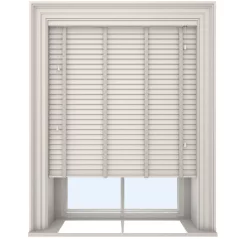
Wooden Venetian blinds are the perfect biophilic tool because they offer "Filtered Light." By tilting the slats, you can replicate the dappled light effect of a forest canopy. This prevents the harsh "flat" lighting of an open window while still allowing the room to feel connected to the sky and the passage of time. This dynamic interaction with light is essential for maintaining a healthy circadian rhythm.
3. The "No-Drill" Integration: Architectural Harmony
A key principle of biophilic design is "Seamlessness." The transition between the structure of the building and the interior elements should feel natural and effortless. Bulky, industrial-looking brackets and invasive screws disrupt this harmony.
The engineering of No Drill Blinds allows the blinds to become part of the window itself. By clipping directly into the uPVC beading, the blinds sit flush within the frame. This creates a "Framed View" effect, where the window treatment doesn't feel like an add-on, but like a natural extension of the room's architecture. This minimalist approach reduces "Visual Noise," allowing the brain to focus on the beauty of the natural wood and the view outside.
4. Tactile Luxury: The Sensory Experience
Biophilic design is not just visual; it is multisensory. In 2026, we value materials that feel as good as they look. Real wood has a specific "thermal touch"—it feels warm to the hand compared to the coldness of plastic or metal.
When you interact with Perfect Fit Wooden blinds, you are engaging with a natural material that has its own history and character. This tactile connection to the organic world helps ground the occupant, providing a sense of stability and "rootedness" that synthetic materials simply cannot provide.
5. Acoustic Comfort: Creating a Quiet Sanctuary
Nature is rarely silent, but it is rarely "noisy" in the urban sense. Biophilic spaces aim for acoustic comfort—reducing the harsh, mechanical sounds of the city.
Real wood is a natural acoustic dampener. The density of the wooden slats helps absorb sound vibrations from the street, while the "Perfect Fit" frame seals the edges of the window, preventing noise leaks. This contributes to a quieter, more tranquil interior environment, which is essential for stress reduction and deep focus in home offices and bedrooms.
6. Sustainable Materiality: The Ethics of Design
In 2026, you cannot have "Well-being" without "Sustainability." Biophilic design prioritizes materials that are responsibly sourced and have a low environmental impact.
Choosing real wood blinds is a commitment to the circular economy. Timber is a renewable resource that sequesters carbon. By selecting high-quality Perfect Fit Wooden blinds, you are avoiding the "fast furniture" cycle of cheap plastic replacements. These blinds are built for longevity, ensuring that your home’s biophilic features remain beautiful and functional for decades.
7. The Hybrid Solution: Combining Nature with Blackout
A common challenge in biophilic bedrooms is the need for total darkness at night while wanting a natural look during the day.
Modern Blackout Blinds technology can now be integrated with wood-effect textures or high-density wooden slats that overlap perfectly to block light. This allows you to enjoy the "Forest Bathing" effect of wooden textures during the day and the "Cave-like" darkness required for melatonin production at night. It is the ultimate synthesis of biological needs and natural aesthetics.
8. Biophilia in Small Spaces: Maximizing the Window
For urban dwellers in apartments, the window is often the only connection to the outside world. In these scenarios, the window treatment is the biophilic feature.
Because No Drill Blinds don't take up any space on the wall or ceiling, they make small rooms feel larger and more open. Replacing heavy, dark drapes with slim, wooden Perfect Fit blinds opens up the "Aperture" of the room, bringing in more natural light and making the connection to the outdoors feel more immediate.
9. Emotional ROI: The Long-term Value of Wellness
Investing in biophilic window treatments provides a unique "Emotional ROI."
-
Stress Reduction: Lower cortisol levels lead to better long-term health.
-
Property Value: In the 2026 market, "Wellness-certified" interiors are a major selling point.
-
Atmospheric Quality: A room that feels "alive" with natural materials is more enjoyable to live in, fostering a deeper sense of "Home."
10. Summary: The Biophilic Checklist
|
Feature |
Standard Synthetic Blind |
Perfect Fit Wooden |
|
Texture |
Flat / Uniform |
Organic / Variable |
|
Psychology |
Neutral |
Stress-Reducing |
|
Light Quality |
Binary (On/Off) |
Dappled / Filtered |
|
Installation |
Invasive |
Non-Invasive (No-Drill) |
|
Acoustics |
Reflective |
Absorbent |
|
Environmental |
High Carbon Footprint |
Sustainable / Renewable |
Conclusion: Designing for the Human Soul
Biophilic design is more than a style; it is a philosophy that recognizes our place within the natural world. As we move through 2026, the demand for interiors that support our mental and physical health will only grow.
By choosing Perfect Fit Wooden blinds, you are not just decorating a window; you are installing a stress-reduction system. Combined with the structural respect of No Drill Blinds and the functional power of Blackout Blinds, you are creating a home that breathes, heals, and connects. Your window is the portal to the world—make it a beautiful one.