Skip to content


 Vertical Blinds
 Roman Blinds
 Roller Blinds
 Venetian Blinds
 Day and Night Blinds
 Skylight Blinds
 Children
 Wooden Blinds
 Curtains
 Blinds Accessories
 White
White Yellow
 Gold
Gold Green
Green Grey
Grey Pink
Pink Orange
 Animal
 Floral
 Geometric
 Striped
 Motorized Day and Night Blinds
 Motorized Roller Blinds
 No Drill Rollers
 Perfect Fit Wooden
 Perfect Fit Metal
 Thermal Blinds
 Better Sleep Blinds
 Cordless Blinds
 No Drill Blinds
 Blackout Blinds
 Waterproof Blinds
 Easy Wipe Blinds
 Taped Blinds
 Conservatory
 Office
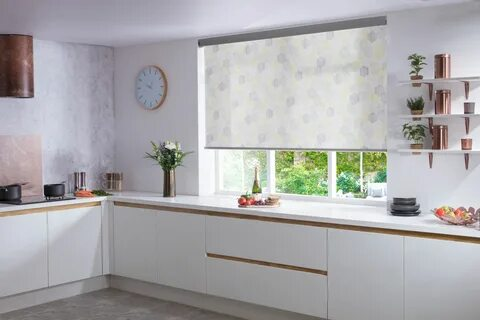 Kitchen
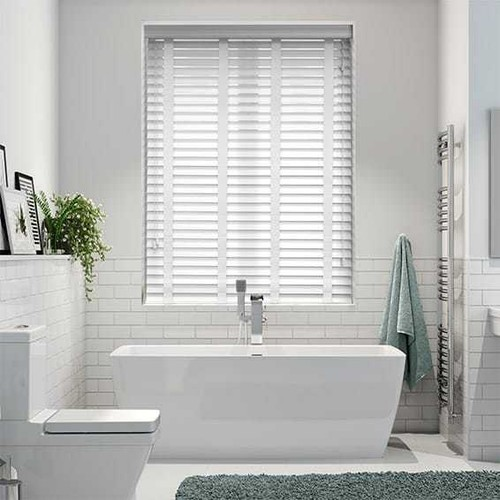 Bathroom
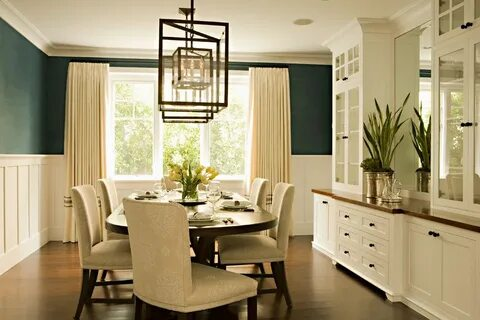 Dining Room
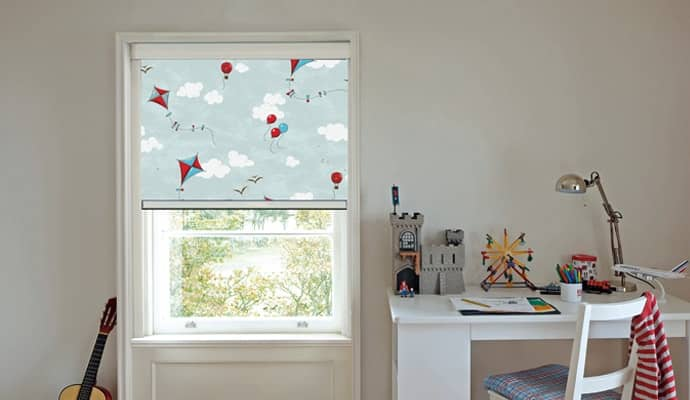 Kids Room
 Living Room
 Bedroom
 Bay Window
 Conservatory Window
 Tild and Turn Window
 Bi Fold Window
 Roof of Skylight
 French Door
 Sliding Door
The Glass Wall Challenge: Managing Privacy and Light in Modern Floor-to-Ceiling Extensions
- by Mariam Labadze
 Quick Answer (The Architectural Solution)
In the architectural landscape of 2026, the boundary between "Indoor" and "Outdoor" living has become almost invisible. Modern extensions and high-end apartments frequently feature massive, floor-to-ceiling glass walls that maximize natural light and offer panoramic views. However, this "Glass House" aesthetic brings significant functional challenges: excessive solar heat gain, a lack of evening privacy, and destructive UV exposure.
Managing these vast spans of glass requires specialized engineering. Vertical Blinds remain the premier solution for large-scale glazing due to their structural versatility and light-weight operation. By utilizing high-performance Vertical Slats, homeowners can control privacy without losing the connection to the view. To protect the home's micro-climate, integrating Thermal Blinds technology into these large formats is essential to prevent the "Greenhouse Effect." Furthermore, for modern uPVC or aluminum frames, No Drill Blinds systems provide a non-invasive way to dress even the largest windows without compromising structural warranties.
[toc]
1. The Scale Factor: Why Standard Blinds Fail Large Windows
When a window exceeds 2.5 meters in height or width, the physics of window treatments change. Standard roller blinds or heavy roman shades become impractical due to their weight; the strain on the mounting brackets can lead to mechanical failure, and operating them manually becomes a physical chore.
The Vertical Efficiency:
Vertical blinds are designed for scale. Because the weight of the Vertical Slats is distributed evenly across a long aluminum headrail, they can cover spans of 5 meters or more with ease. In 2026, we utilize slimline headrails that match the minimalist profiles of modern glass extensions, ensuring that the hardware doesn't distract from the architecture.
2. Directional Privacy: The Slat Rotation Advantage
The biggest challenge with glass walls is "The Fishbowl Effect"—the feeling of being watched by neighbors or passers-by, especially at night.
Nuanced Light Management:
Unlike rollers, which provide an "all or nothing" approach, vertical slats offer Directional Privacy. By rotating the slats to a 45-degree angle, you can block the line of sight from the street while still allowing natural light to enter the room. This is crucial for ground-floor extensions where you want to enjoy your garden view without feeling exposed. This level of control makes Vertical Slats the most sophisticated light-management tool for urban living.
3. Combating Solar Gain in "Greenhouse" Extensions
A floor-to-ceiling glass wall can turn a living room into an oven during a summer afternoon. Even with high-spec glazing, the sheer volume of infrared radiation is overwhelming.
Thermal Defense at Scale:
In 2026, high-performance Thermal Blinds are integrated into vertical systems. These slats feature reflective backings that bounce solar energy back out before it can heat the interior air. For large extensions, this can reduce the internal temperature by up to 8°C, drastically lowering the energy costs associated with air conditioning and fans. It is the difference between a room that is unusable in July and a comfortable, year-round sanctuary.
4. Protecting High-Value Interiors from UV Fading
Modern extensions often house the "social core" of the home: expensive kitchen islands, designer furniture, and bespoke flooring. Constant exposure to unfiltered UV rays will cause these materials to bleach and degrade within months.
By using high-density Vertical Slats, you create a "UV Shield." You don't need to block the view entirely; simply tilting the slats prevents direct sunbeams from hitting your surfaces while still keeping the room bright and airy. This preservation of your home's capital assets is a significant long-term ROI of a professional window treatment strategy.
5. The "No-Drill" Mandate for High-Spec Glazing
Many modern floor-to-ceiling windows are part of expensive, high-spec installations with 10-25 year warranties. Drilling into the frames or the surrounding lintels to hang heavy blinds is a major risk that can void these warranties and create "cold bridges" in the home's insulation.
The rise of No Drill Blinds has solved this. Even for large vertical systems, specialized clip-on or tension-based brackets allow for a secure installation that requires zero permanent holes. This protects the building's envelope and ensures that the high-performance glazing continues to perform as intended.
6. Acoustic Management in "Echo-Heavy" Spaces
Glass walls and open-plan extensions are notorious for being loud. The hard surfaces reflect sound, creating an echo that makes conversation difficult and disrupts the "hushed" luxury feel of a premium home.
Vertical slats act as Acoustic Baffles. Because they hang vertically and have a large total surface area, they are highly effective at breaking up sound waves and dampening the "bounce" of noise from TVs, kitchen appliances, and children. Upgrading to a heavier fabric slat provides even greater acoustic insulation, turning a noisy echo-chamber into a tranquil living space.
7. Operational Versatility: The Split-Draw
One of the unique benefits of vertical systems for glass walls is the "Split-Draw." You can choose how the blinds open:
-
One Side: All slats move to the left or right (ideal for windows with a side door).
-
Center Split: Like theatre curtains, slats move to both sides (perfect for symmetrical glass walls).
-
Center Bunch: Slats gather in the middle.
This flexibility allows you to align the "stack" of the blinds with the structural pillars of your extension, keeping the glass clear and the view unobstructed.
8. Managing the "Cold Wall" in Winter
In winter, a large span of glass becomes a "Cold Wall." Even with triple glazing, the glass surface will be significantly colder than the rest of the room, creating uncomfortable drafts as air cools and "falls" down the pane.
By closing your Thermal Blinds at dusk, you create a thick, insulating air pocket against the glass. This traps the cold and prevents it from spilling into the living area, helping to maintain a consistent temperature and reducing your heating bills during the coldest months of 2026.
9. Visual Continuity in Open-Plan Living
Modern extensions often join multiple rooms—the kitchen, the dining area, and the lounge. Achieving a cohesive look across 10 meters of glass is a challenge.
The clean, repetitive lines of Vertical Slats provide a sense of visual rhythm that unifies the space. By choosing a neutral, high-quality fabric, you create a soft backdrop that allows your furniture and art to take center stage, while the integrated No Drill Blinds hardware ensures a sleek, uncluttered finish that respects the modern aesthetic.
10. Summary: The Glass Wall Checklist
|
Feature |
Standard Roller Blinds |
Vertical Slat Systems |
|
Max Span |
Limited (Heavy) |
Exceptional (Lightweight) |
|
Privacy |
Binary (Up/Down) |
Nuanced (Tilt Rotation) |
|
Heat Control |
Moderate |
Superior (Thermal Blinds) |
|
Access |
Can block doors |
Flexible (Split-Draw) |
|
Installation |
Invasive Drilling |
No Drill Blinds Options |
|
Acoustics |
Minimal |
High (Baffle Effect) |
Conclusion: Engineering the View
A floor-to-ceiling glass extension is a statement of architectural ambition. However, to live comfortably in such a space, you must engineer the environment.
By utilizing high-performance Vertical Slats, you are not just covering a window; you are installing a sophisticated system for light management, privacy, and thermal control. Combined with the non-invasive benefits of No Drill Blinds and the energy efficiency of Thermal Blinds, you ensure that your glass wall remains a luxury asset rather than a functional liability. In 2026, the best architecture is the kind you can control.