Skip to content


 Vertical Blinds
 Roman Blinds
 Roller Blinds
 Venetian Blinds
 Day and Night Blinds
 Skylight Blinds
 Children
 Wooden Blinds
 Curtains
 Blinds Accessories
 White
White Yellow
 Gold
Gold Green
Green Grey
Grey Pink
Pink Orange
 Animal
 Floral
 Geometric
 Striped
 Motorized Day and Night Blinds
 Motorized Roller Blinds
 No Drill Rollers
 Perfect Fit Wooden
 Perfect Fit Metal
 Thermal Blinds
 Better Sleep Blinds
 Cordless Blinds
 No Drill Blinds
 Blackout Blinds
 Waterproof Blinds
 Easy Wipe Blinds
 Taped Blinds
 Conservatory
 Office
 Kitchen
 Bathroom
 Dining Room
 Kids Room
 Living Room
 Bedroom
 Bay Window
 Conservatory Window
 Tild and Turn Window
 Bi Fold Window
 Roof of Skylight
 French Door
 Sliding Door
How to Choose Bedroom Textiles: A Simple Guide to Luxurious Comfort
- by Mariam Labadze

Did you know that you spend a third of your life in your bedroom? That's a staggering 8 hours each night surrounded by the textiles you choose—and they can make or break the quality of your sleep.
Your bedroom should be your personal retreat, a space where comfort meets style in perfect harmony. The fabrics you select don't just change how your room looks—they completely transform how it feels. Whether you're creating a cosy sanctuary for little ones or hunting for stylish options that won't stretch your budget, the right textile choices can work wonders.
Think about it: the fabric covering your bed isn't just decoration. It's what touches your skin for hours each night, influencing everything from your body temperature to how rested you feel the next morning. Natural fabrics shine here, offering breathable comfort without the harsh chemicals found in many synthetic alternatives.
Smart textile choices pay off in the long run too. Fabrics with higher thread counts and tighter weaves stand up to regular washing and daily use much better, keeping your bedroom looking fresh and feeling comfortable for years to come.
Ready to create a bedroom that looks stunning and feels incredible? This guide will walk you through everything you need to know—from understanding different fabric types to simple maintenance tips that keep your space looking its best. Whether you're starting from scratch or just want to refresh a few key pieces, you'll discover how the right textiles can transform your bedroom into the sanctuary you deserve.
Understand Fabric Types and Their Feel
The fabrics you choose will make or break your bedroom's comfort level. Getting this right means looking beyond pretty colours to understand what each material actually feels like against your skin.
Natural vs synthetic: what's the difference?
Natural fabrics come from plants like cotton, linen, and hemp, or from animals like sheep and silkworms. Synthetic fabrics? They're created in laboratories using chemical processes, usually starting with petroleum-based materials.
Here's why natural fibres work so well for bedrooms: they're brilliant at soaking up moisture, which means they'll wick away sweat whilst you sleep. Plus, they're kinder to the environment since they need fewer nasty chemicals during manufacturing.
Don't write off synthetics completely though. Polyester, nylon, and acrylic can be incredibly durable, resist wrinkles like champions, and often cost much less than their natural cousins. IKEA bedroom textiles make great use of synthetic blends, giving you quality without the hefty price tag.
Common materials: cotton, linen, velvet, and blends
Cotton wins the popularity contest for good reason—it breathes beautifully, feels comfortable year-round, and works with practically any décor style. Egyptian cotton takes things up a notch with its extra-long fibres that feel absolutely luxurious.
Linen brings that effortlessly relaxed vibe that's perfect for creating a laid-back bedroom sanctuary. It's a natural temperature regulator too, keeping you cool in summer and cosy in winter.
Velvet adds instant glamour with its plush texture and the way it plays with light. Modern cotton-based velvets have solved the old "too hot for summer" problem, making them perfect for year-round luxury.
Fabric blends give you the best of both worlds—think cotton's breathability mixed with polyester's staying power. These clever combinations keep looking fresh wash after wash.
How fabric texture affects comfort
Texture does more than just feel nice under your fingertips. Smooth fabrics like silk and satin make you feel pampered and relaxed, whilst rougher textures like wool wrap you in feelings of warmth and security.
The practical side matters too. Thick, plush materials act like natural insulation, perfect for chilly nights. Lightweight, airy fabrics help you stay cool when temperatures rise. This becomes especially important for children's rooms, since little ones regulate temperature differently than adults.
There's even a sound benefit—thicker fabrics like velvet naturally muffle noise, creating that peaceful atmosphere you need for quality sleep.
Choosing Textiles for Each Bedroom Element
Every element in your bedroom deserves the right fabric to perform its job beautifully. Getting these choices right means understanding what each piece needs to deliver—both practically and aesthetically.
Bedding: sheets, duvets, and pillowcases
Your bedding works harder than any other textile in your bedroom, so quality matters here. Thread count—those numbers you see on packaging—can guide you, but don't get caught up in sky-high figures. Single-ply threads matter more than inflated numbers. Egyptian cotton with its luxuriously long fibres delivers exceptional softness that lasts wash after wash.
When choosing sheets, percale weaves give you that crisp, hotel-fresh feel that's perfect if you sleep warm, whilst sateen weaves offer a silkier, more luxurious touch for cooler nights. Cotton remains the go-to choice for its year-round versatility, but linen truly excels when it comes to temperature regulation throughout the seasons.
Blinds: light control and privacy
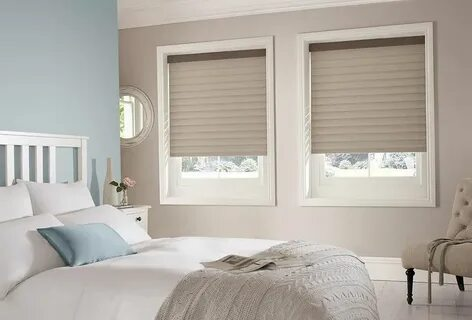
Your bedroom blinds need to multitask—controlling light whilst maintaining your privacy. Top-down bottom-up designs offer brilliant flexibility, letting you adjust privacy levels without blocking precious natural light. Blackout blinds work wonders for creating the perfect sleep environment, no matter what's happening outside your window.
Smart automation takes things further, giving you precise control even when you're away from home—perfect for both security and convenience. For children's rooms, cordless options eliminate safety hazards whilst still delivering excellent light control.
Rugs and throws: warmth and layering
Throws can completely change your bedroom's comfort level and visual appeal. Fleece provides exceptional warmth for chilly nights, whilst lightweight cotton throws offer breathable coverage that works beautifully year-round.
Layer different textures to create visual interest—think wool throws draped over crisp cotton bedding. Merino wool throws feel even softer than cashmere whilst naturally regulating your body temperature. It's these thoughtful touches that transform a simple bedroom into a true retreat.
Upholstery: headboards and accent chairs
Upholstery fabrics need to match their workload. The Martindale test measures how well fabrics handle wear and tear, with specific ratings for different uses:
· 10,000-20,000 rub count: perfect for headboards and occasional pieces
· 20,000-25,000: handles general everyday use
· 30,000+: built for heavy-duty furniture
Velvet brings instant luxury to headboards, though you'll want stain-resistant treatments to keep it looking fresh. Natural fabrics like cotton and linen create that relaxed, lived-in feel, whilst wool adds immediate cosiness to any space. Don't overlook budget-friendly options—quality upholstery doesn't always mean breaking the bank.
Designing for Style and Harmony
Selecting beautiful individual pieces is just the beginning. The real magic happens when you bring everything together to create a bedroom that feels perfectly balanced and intentionally designed.
Matching fabric colours to your bedroom palette
Want to achieve that effortlessly coordinated look? The 60-30-10 rule is your secret weapon for colour distribution:
· 60% dominant colour (walls, large furniture)
· 30% secondary colour (bedding, curtains)
· 10% accent colour (cushions, accessories)

Image credit Bedstar: The 60-30-10 design rule.
Start with a neutral foundation—this becomes your canvas for everything else. Then weave in complementary or contrasting shades through textiles, making sure at least one colour appears in different fabrics throughout the space. Larger surfaces work best with calmer tones, whilst smaller accessories can handle bolder, brighter colours.
Balancing textures for a cohesive look
Texture layering transforms a flat, boring room into something with real depth and personality. The trick? Pair smooth surfaces like satin and cotton with rougher textures such as wool or bouclé. Mix your materials thoughtfully—perhaps a sleek leather chair against textured rugs, or plush cushions on streamlined furniture.
Remember, less is often more when it comes to texture mixing. Choose fewer, well-considered elements that work beautifully together rather than cramming in too many competing textures.
Using textiles to define your bedroom theme
Textiles have incredible power to establish the personality of your space. Dreaming of a cosy, traditional feel? Incorporate rich jacquards and tweeds alongside chunky cable-knit throws. Prefer something more contemporary? Clean lines with strategically placed velvet accents create instant sophistication.
Here's the key: choose one standout textile element as your focal point—maybe a stunning upholstered headboard or dramatic curtains. Let this anchor piece guide all your other textile decisions, ensuring everything works together to support your chosen theme.
Practical Tips for Selection and Maintenance
Getting your textile choices right is only half the battle—keeping them looking and feeling their best requires some insider knowledge. Here's how to test before you buy and maintain your bedroom textiles like a pro.
How to test fabric swatches at home
Don't make costly mistakes with your textile choices. Put swatches through their paces with these simple tests before you commit.
Check your colours in different lighting throughout the day—what looks perfect in the morning might appear completely different by evening. For a real durability test, deliberately spill common culprits like red wine or ketchup on swatches to see how they handle stains. Got pets? Rub swatches against their fur to check visibility and how easily you can remove it.
Cleaning and care for different materials
Natural fibres work best when washed at 40-60°C—hot enough to tackle body oils without damaging the fibres. Synthetic materials prefer cooler temperatures around 30-40°C to prevent microplastic shedding.
Takeaway Tip: wash your cotton bedding weekly, but skip the fabric conditioner once a month to keep that natural softness intact.
Always stick to care label instructions—washing at the wrong temperature can damage your textiles just as much as neglecting them completely.
Considering kids bedroom textiles and safety
Children's bedrooms need extra thought when it comes to textile safety. Prioritise organic cotton, linen, and bamboo for the healthiest sleep environment. Avoid polyester, rayon, and nylon where possible.
Watch out for warning labels like "flame-resistant," "water-resistant," "wrinkle-free," and "stain-resistant"—these often contain PFAs or formaldehyde. Can't replace everything at once? Start with items closest to your child's skin like pyjamas and sheets.
When to choose IKEA bedroom textiles for value
IKEA's bedroom textiles strike a brilliant balance between quality and affordability. Their range includes cotton, viscose, and lyocell—giving you cotton's benefits with added silky softness. Their practical approach recommends washing bedding every two weeks at 60°C to eliminate bacteria. Perfect if you want straightforward maintenance paired with that clean Scandinavian aesthetic.
Conclusion
Your bedroom textile choices genuinely make all the difference between a space that merely functions and one that truly nurtures your well-being. The fabrics you've surrounded yourself with can either support restful sleep or leave you tossing and turning—there's no middle ground here.
Natural fabrics consistently deliver the best results for comfort and health, especially when they're touching your skin for hours each night. Cotton, linen, and other breathable materials simply outperform synthetic alternatives when it comes to temperature regulation and moisture management.
Remember, each textile element in your bedroom serves a specific purpose. Your bedding needs to be soft and breathable, whilst your window treatments should balance privacy with light control. Throws and cushions add personality, and upholstered pieces anchor your room's character.
Don't underestimate the power of testing before you buy. Those fabric swatches might seem like a small step, but they'll save you from costly mistakes and ensure your choices work beautifully in your actual lighting conditions.
For families with young children, prioritise safety alongside style. Natural, chemical-free options create the healthiest sleep environment, and it's worth investing in quality pieces that will last through years of washing and wear.
Budget-conscious shoppers shouldn't compromise on comfort. Whether you're choosing premium Egyptian cotton or well-designed affordable options, focus on materials that feel good against your skin and suit your lifestyle needs.
Your bedroom deserves textiles that reflect who you are whilst supporting quality rest. With the right fabric choices, you can create a space that welcomes you at the end of each day and helps you wake up refreshed and ready for whatever comes next. Sweet dreams start with smart textile decisions—and now you've got everything you need to make them.
Key Takeaways
Transform your bedroom into a luxurious sanctuary by making informed textile choices that balance comfort, style, and practicality.
• Natural fabrics like cotton and linen offer superior breathability and sustainability, making them ideal for bedding that directly contacts your skin during sleep.
• Apply the 60-30-10 colour rule: 60% dominant colour for walls, 30% secondary for bedding/curtains, and 10% accent colours for accessories to create visual harmony.
• Test fabric swatches in different lighting conditions and against real stains before purchasing to ensure they meet your practical needs and aesthetic preferences.
• For children's bedrooms, prioritise organic cotton and avoid synthetic materials labelled as "flame-resistant" or "stain-resistant" which may contain harmful chemicals.
• Layer different textures thoughtfully—combine smooth fabrics with rougher ones to add depth whilst maintaining a cohesive look throughout your bedroom.
Remember that you spend a third of your life in your bedroom, so investing in quality textiles that enhance both comfort and style directly impacts your sleep quality and overall wellbeing. Whether choosing premium Egyptian cotton or budget-friendly IKEA options, focus on materials that align with your specific needs for temperature regulation, durability, and maintenance requirements.
FAQs
Q1. What is the best material for luxurious bedding?
Egyptian cotton is widely considered the premium choice for luxurious bedding. Its long-staple fibres provide exceptional softness, durability, and breathability, creating a smooth and comfortable sleeping experience.
Q2. How can I make my bed feel more luxurious?
To create a luxurious bed, opt for crisp, all-white bedding, which is favoured by high-end hotels. Use high-quality materials like Egyptian cotton, layer different textures, and add plush pillows and throws for a sumptuous look and feel.
Q3. What fabrics are best for bedroom comfort?
Natural fabrics like cotton, linen, and bamboo are excellent choices for bedroom comfort. They offer superior breathability, moisture-wicking properties, and temperature regulation, ensuring a comfortable sleep environment throughout the year.
Q4. How often should I wash my bedding?
For optimal hygiene and comfort, wash your bedding weekly in water between 40-60°C to effectively remove body oils and bacteria. Avoid using fabric conditioners every wash to maintain the natural softness of the fabrics.
Q5. What should I consider when choosing textiles for a child's bedroom?
When selecting textiles for a child's bedroom, prioritise natural, eco-friendly fabrics like organic cotton or bamboo. Avoid synthetic materials labelled as "flame-resistant" or "stain-resistant", as these may contain harmful chemicals. Focus on safety, durability, and ease of cleaning when making your choices.