Skip to content


 Vertical Blinds
 Roman Blinds
 Roller Blinds
 Venetian Blinds
 Day and Night Blinds
 Skylight Blinds
 Children
 Wooden Blinds
 Curtains
 Blinds Accessories
 White
White Yellow
 Gold
Gold Green
Green Grey
Grey Pink
Pink Orange
 Animal
 Floral
 Geometric
 Striped
 Motorized Day and Night Blinds
 Motorized Roller Blinds
 No Drill Rollers
 Perfect Fit Wooden
 Perfect Fit Metal
 Thermal Blinds
 Better Sleep Blinds
 Cordless Blinds
 No Drill Blinds
 Blackout Blinds
 Waterproof Blinds
 Easy Wipe Blinds
 Taped Blinds
 Conservatory
 Office
 Kitchen
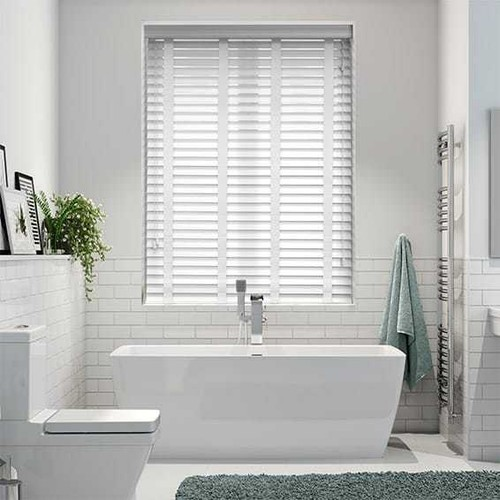 Bathroom
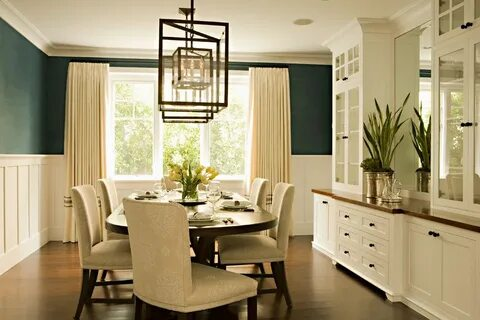 Dining Room
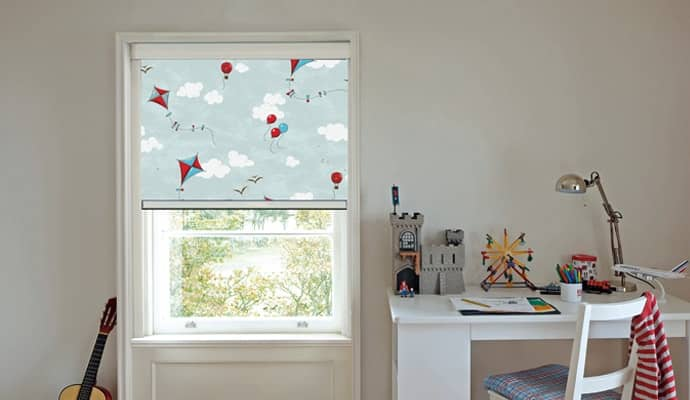 Kids Room
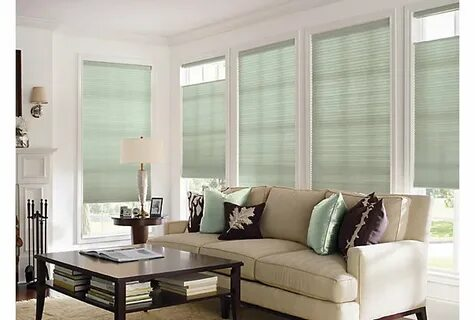 Living Room
 Bedroom
 Bay Window
 Conservatory Window
 Tild and Turn Window
 Bi Fold Window
 Roof of Skylight
 French Door
 Sliding Door
What materials make a window blind truly waterproof and resistant to mould?
- by Mariam Labadze
Quick Answer (The Ideal Materials)
Window blinds that are truly waterproof and definitively resistant to mould and mildew are made from non-porous, inorganic synthetic materials.
The top three materials recommended for high-humidity environments like bathrooms, kitchens, and utility rooms are:
-
PVC (Polyvinyl Chloride): Completely non-absorbent, often used in roller blinds and vertical blinds.
-
Faux Wood: A high-density PVC or vinyl composite that mimics the look of real wood but will never absorb moisture or warp.
-
Aluminium: Naturally rust-resistant and non-porous, ideal for sleek Venetian blinds.
These materials are highly effective because they offer no organic food source for mould spores to consume, ensuring the blind remains hygienic and structurally sound over time.
[toc]
Detailed Breakdown: The Science of Mould Resistance
Mould (or mildew) is a fungus that requires two primary conditions to thrive: moisture and an organic food source. When condensation or steam lingers on a blind, it provides the necessary moisture. A standard material like cotton, linen, or real wood provides the organic food source.
A truly waterproof blind must successfully eliminate both factors.
1. PVC (Polyvinyl Chloride) – The Hygienic Champion
PVC is the most practical and scientifically robust material for resisting moisture and mould.
-
Non-Porous Structure: PVC is a type of plastic polymer. When used as a fabric for Waterproof Blinds or as vertical slats, it forms a solid, non-porous surface. Water cannot penetrate PVC; it simply sits on the surface and runs off.
-
Inorganic Nature: As a synthetic material, PVC contains no organic components. If there is no food source for the mould spores, they cannot colonize and grow, even if the surface is damp.
-
Wipe-Clean Capability: This is a crucial, secondary benefit for mould prevention. Even the most waterproof blind can develop mould if it is covered in a layer of organic grime (dust, soap scum, cooking residue). PVC's smooth surface allows it to be easily wiped clean with a damp cloth, removing any potential food source before mould can take hold.
Best Use Cases: High-steam bathrooms, windows directly over sinks, or laundry rooms where maximum hygiene is required.
2. Faux Wood – The Aesthetic Solution
Faux wood blinds solve the perennial design problem: how to achieve the warm, sophisticated look of real wood in a humid environment.
-
Composite Composition: Faux wood is not wood; it is a composite material made primarily of high-density PVC or vinyl. It is engineered to replicate the look, grain, and weight of natural timber without inheriting wood's fundamental weakness: its porosity.
-
Warp-Proof: Unlike real wood, which absorbs moisture and leads to expansion, warping, cracking, and eventual mechanical failure, faux wood remains dimensionally stable. This ensures the slats always close perfectly, maintaining structural integrity and privacy.
-
Mould-Proof Slat: Since the slats are non-porous plastic, they are immune to mould and mildew growth.
Important Note on Faux Wood: While the slats are completely waterproof, always ensure the ladder cords and tapes are made from treated polyester or synthetic materials to prevent those secondary components from absorbing moisture.
Best Use Cases: Bathrooms and kitchens where the homeowner prioritizes the classic, high-end aesthetic of wood but requires guaranteed moisture resistance.
3. Aluminium – The Minimalist and Durable Choice
Aluminium is a highly practical material that offers complete resistance to water and the challenges of high humidity.
-
Corrosion Resistance: Aluminium is a non-ferrous metal, meaning it does not contain iron and will not rust. It is naturally resistant to corrosion, making it completely stable in a steamy environment.
-
Non-Porous Surface: Water and steam cannot penetrate the metal slats.
-
Sleek Profile: The lightweight and slim nature of aluminium slats makes them a modern, minimalist choice, often found in Venetian styles. They are easy to clean and resist the accumulation of dirt better than heavily textured fabrics.
Best Use Cases: Modern, minimalist kitchens and bathrooms where the sleek lines and exceptional light control (via tilting slats) are desired.
Avoiding the Pitfalls: Materials to Strictly Avoid
Understanding what not to buy is just as critical as knowing what to buy when addressing moisture and mould.
-
Real Wood Blinds: They should never be used in high-humidity rooms. The risk of warping, cracking, and rapid mould growth is almost certain, regardless of how well they are sealed or varnished.
-
Natural Fabrics (Cotton, Linen, Silk): These are extremely porous and hygroscopic (water-absorbing). They become saturated quickly, providing the perfect conditions and food source for mould to bloom.
-
Untreated Polyester Blinds: While polyester is a synthetic, budget-friendly fabric, its weave can still hold moisture, and untreated versions are susceptible to mould and stains over time. Only choose polyester that is specifically labelled as moisture-resistant or, ideally, coated with PVC.
The Role of Installation and Operation (Beyond the Material)
The blind material is the primary defense, but the installation method and how the blind is used complete the mould-proof defense system.
The Importance of Correct Fit
Blind performance is critically dependent on fit. If the blind is too small for the window recess, gaps form around the edges.
-
Solution: Always choose made-to-measure blinds. A tight, custom fit minimizes the space where condensation can collect and ensures the most effective moisture defense.
The Importance of Cordless Operation
Blind cords and ladder tapes are often made from fabric or woven synthetic materials, which can absorb moisture and become a secondary site for mould growth.
-
Solution: Prioritise cordless or motorised operation. Eliminating the cord removes an entire component that is prone to moisture absorption and provides a cleaner, safer, more hygienic product.
Ventilation is the Final Key
Even the best waterproof material requires proper maintenance. If steam is allowed to linger for hours, a film of soap scum, grease, or dust may settle on the waterproof surface—this grime can then host mould growth, even though the material itself is immune.
-
Action: Always ensure the room has excellent ventilation (extractor fan, open window). After showering or cooking, wipe down the blind and allow air to circulate.
By choosing one of the three highly durable, non-porous materials—PVC, Faux Wood, or Aluminium—and pairing it with correct installation and usage, you are guaranteeing a hygienic, long-lasting, and beautiful window treatment for any humid space in your home.
Secure a truly hygienic solution for your demanding rooms. Explore our full range of durable and mould-resistant Waterproof Blinds today