Skip to content


 Vertical Blinds
 Roman Blinds
 Roller Blinds
 Venetian Blinds
 Day and Night Blinds
 Skylight Blinds
 Children
 Wooden Blinds
 Curtains
 Blinds Accessories
 White
White Yellow
 Gold
Gold Green
Green Grey
Grey Pink
Pink Orange
 Animal
 Floral
 Geometric
 Striped
 Motorized Day and Night Blinds
 Motorized Roller Blinds
 No Drill Rollers
 Perfect Fit Wooden
 Perfect Fit Metal
 Thermal Blinds
 Better Sleep Blinds
 Cordless Blinds
 No Drill Blinds
 Blackout Blinds
 Waterproof Blinds
 Easy Wipe Blinds
 Taped Blinds
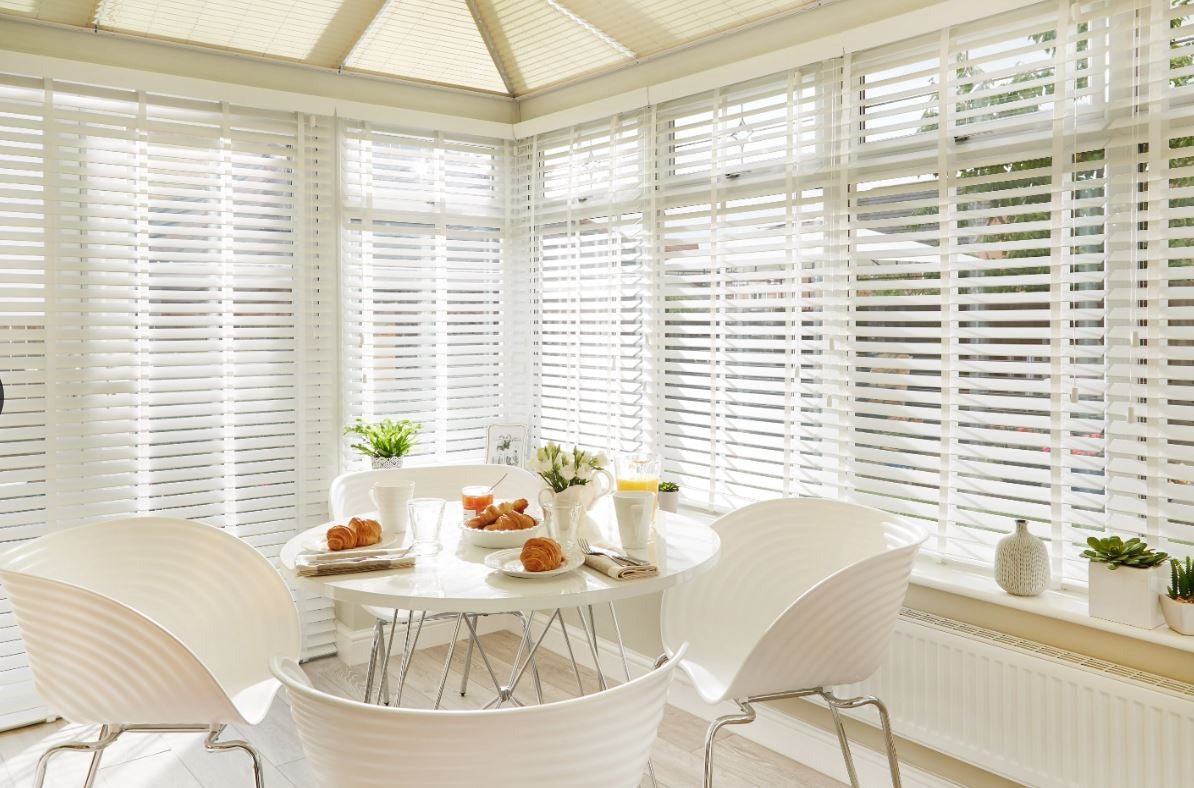 Conservatory
 Office
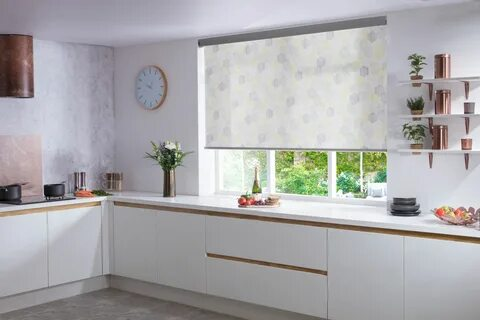 Kitchen
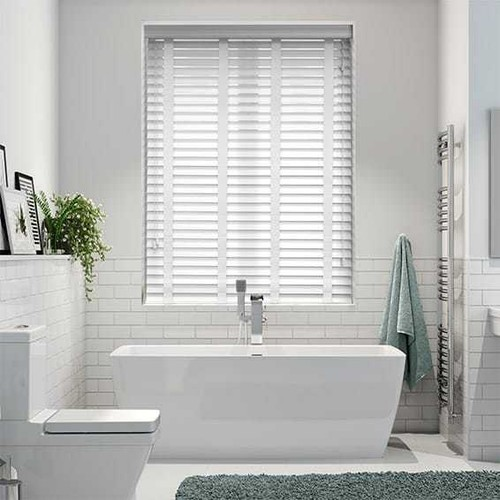 Bathroom
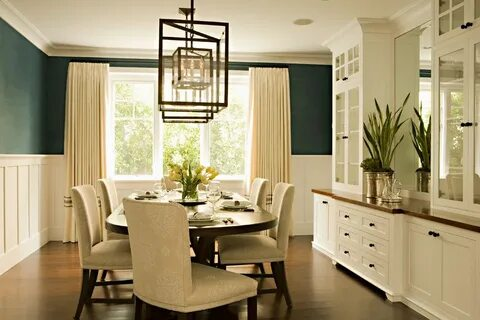 Dining Room
 Kids Room
 Living Room
 Bedroom
 Bay Window
 Conservatory Window
 Tild and Turn Window
 Bi Fold Window
 Roof of Skylight
 French Door
 Sliding Door
Ready-Made vs. Made-to-Measure Roller Blinds: Why Precision Matters for Durability
- by Mariam Labadze

Quick Answer (The Precision Verdict)
In 2026, the debate between Ready-Made and Made-to-Measure roller blinds is no longer just about style—it is about mechanical durability and efficiency.
-
Choose Made-to-Measure Blinds if: You want a product that lasts 10+ years. Because they are built to your window's exact specifications, the fabric rolls perfectly straight, the mechanism operates without friction, and you achieve a superior thermal seal.
-
Choose Ready-Made Blinds if: You are in an emergency situation, need a very temporary solution (under 6 months), or are working with standard-sized windows in a non-essential room where light gaps and mechanical "shudder" are not a concern.
While ready-made blinds offer a lower upfront cost, Roller Blinds that are made-to-measure provide a much higher return on investment (ROI) by eliminating the common causes of blind failure: fraying edges, snapped chains, and poor insulation.
[toc]
Detailed Breakdown: The Hidden Costs of "Standard" Sizes
To understand why precision matters, we have to look at what happens when a blind doesn't fit a window perfectly. A "close enough" fit is the primary reason window treatments fail prematurely in UK homes.
1. Mechanical Alignment and "Telescoping"
The most critical factor in a roller blind's lifespan is how the fabric interacts with the roller tube.
The Ready-Made Struggle:
Ready-made blinds are mass-produced to "standard" sizes (e.g., 60cm, 120cm, 180cm).1 If your window is 115cm wide, you have to cut the blind yourself or live with it being slightly too small. If the cut is not perfectly square (which is nearly impossible to do by hand at home), the fabric will "telescope." This means as you raise the blind, it starts to drift to one side. Eventually, the fabric rubs against the bracket, causing the edges to fray and the internal mechanism to jam.
The Made-to-Measure Precision:
When you order from a specialist, the fabric is laser-cut or precision-cut by industrial machines to the exact millimeter. The fabric is then professionally "squared" to the roller tube. This ensures that the blind rolls up perfectly straight every single time, with no friction or rubbing. This precision significantly extends the life of the fabric and the operating clutch.
2. The Health of the Internal Mechanism
A roller blind's "engine" is its internal clutch and spring system. These components are designed to handle specific weights and tensions.
-
Mass-Market Components: Ready-made blinds often use generic, "one-size-fits-all" internal components. These are frequently under-engineered for larger windows or over-stressed if the blind has been cut down. This leads to the common "shuddering" sound when operating the blind and eventual mechanical failure.
-
Bespoke Engineering: Made-to-measure blinds use components tailored to the size and weight of the specific fabric you’ve chosen. A heavy Thermal Blinds fabric, for instance, will be paired with a heavy-duty tube and clutch to ensure the operation remains smooth and effortless for years, not just months.
3. Insulation Performance and the "R-Value" Gap
In 2026, energy efficiency is a non-negotiable requirement for window treatments. Precision fit is the single biggest factor in how much money a blind will save you on your heating bills.
The Draft Problem:
A ready-made blind that doesn't fit perfectly leaves gaps. Even a 5mm gap at the sides allows for "convection loops." Warm air from your room touches the cold glass, cools down, and "pours" back into the room through the gaps at the bottom. This renders even the best thermal fabric almost useless.
The Thermal Seal:
Made-to-measure blinds, particularly when using a No Drill Blinds system like Perfect Fit, sit flush against the glass or the frame. This creates a stagnant air pocket that acts as a powerful insulator. By sealing the window effectively, precision-fit blinds can reduce heat loss by up to 40%, a feat that a poorly fitting ready-made blind simply cannot replicate.
4. Aesthetics and "Curb Appeal"
There is a distinct visual difference between a blind that was "made for the window" and one that was "made for a box."
-
Ready-Made: Often features raw, hand-cut edges or bulky brackets that don't quite align with the window recess. They can look "cheap" and temporary, which can actually detract from the perceived value of your home.
-
Made-to-Measure: Offers a polished, professional finish. Whether you choose a minimalist roller or a Non-Drill Honeycomb Blackout Blinds, the result is a clean, integrated look that enhances the room's interior design and increases property value.
Durability in Demanding Environments
Precision becomes even more important in rooms with high humidity or high traffic.
The Bathroom/Kitchen Test:
In a kitchen or bathroom, you need Waterproof Blinds. If a ready-made waterproof blind is cut down at home, the "sealed" edge of the PVC is often compromised, leaving the internal fibers exposed to moisture. This is where mould starts to grow. A made-to-measure waterproof blind is manufactured to your size from the start, ensuring the integrity of the moisture-resistant seal remains intact across the entire surface.
Installation: The Professional Edge
Many people choose ready-made because they believe it is faster. However, the installation of a made-to-measure blind is often far simpler and more "convenient" in the long run.
-
No Modifications Required: When your made-to-measure blind arrives, you don't need a hacksaw or a steady hand to trim the fabric. It is ready to go straight into the brackets.
-
Perfect Alignment: The brackets are designed for your specific window depth. You won't find yourself struggling to fit a standard bracket into a shallow or non-standard window recess.
-
No-Drill Compatibility: High-performance no-drill systems are only available as made-to-measure products. You cannot buy a "standard" Perfect Fit blind, as the frame must match the glass size to the exact millimeter to function.
Cost Analysis: Upfront Price vs. Lifetime Cost
It is a common mistake to view blinds as a one-time purchase. Instead, you should consider the "Cost Per Year of Service."
-
Ready-Made Cost: You might pay £30 for a standard blind. If it fails after 18 months due to telescoping or a snapped chain, your cost is £20 per year.
-
Made-to-Measure Cost: You might pay £70 for a custom-fit blind. If it lasts 10 years (which is standard for high-quality custom blinds), your cost is £7 per year.
Furthermore, the energy savings provided by the superior thermal seal of a made-to-measure blind often mean the product pays for itself within just a few years—something a ready-made blind with light and air gaps will never do.
Summary: Why Precision Wins in 2026
The era of "one-size-fits-all" is ending as homeowners prioritize sustainability, efficiency, and long-term quality.
Choose Made-to-Measure if:
-
You are a homeowner looking to add value to your property.
-
You want to significantly reduce your energy bills.
-
You are dressing a high-traffic or high-moisture room.
-
You want a damage-free, No Drill Blinds installation.
-
You want the peace of mind that comes with a professional warranty.
Choose Ready-Made if:
-
You are in a temporary rental for a very short period.
-
The window is an unusual size in a shed, garage, or non-living space.
-
You have an immediate emergency and cannot wait for a custom build.
In conclusion, precision is the foundation of durability. A roller blind that fits perfectly is a blind that operates perfectly, insulates perfectly, and looks perfect for a decade or more. By choosing made-to-measure, you aren't just buying a window covering; you are investing in the long-term health and efficiency of your home.
Experience the difference that precision makes. Explore our range of premium, Made-to-Measure Roller Blinds and find your perfect fit today.