Skip to content


 Vertical Blinds
 Roman Blinds
 Roller Blinds
 Venetian Blinds
 Day and Night Blinds
 Skylight Blinds
 Children
 Wooden Blinds
 Curtains
 Blinds Accessories
 White
White Yellow
 Gold
Gold Green
Green Grey
Grey Pink
Pink Orange
 Animal
 Floral
 Geometric
 Striped
 Motorized Day and Night Blinds
 Motorized Roller Blinds
 No Drill Rollers
 Perfect Fit Wooden
 Perfect Fit Metal
 Thermal Blinds
 Better Sleep Blinds
 Cordless Blinds
 No Drill Blinds
 Blackout Blinds
 Waterproof Blinds
 Easy Wipe Blinds
 Taped Blinds
 Conservatory
 Office
 Kitchen
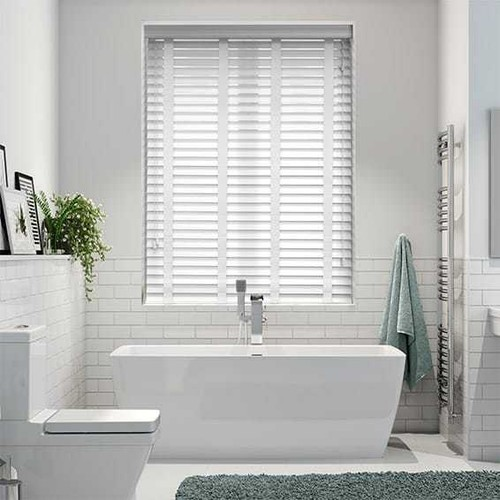 Bathroom
 Dining Room
 Kids Room
 Living Room
 Bedroom
 Bay Window
 Conservatory Window
 Tild and Turn Window
 Bi Fold Window
 Roof of Skylight
 French Door
 Sliding Door
Waterproof Roller Blinds: The Best Choice for Bathrooms and Kitchens
- by Mariam Labadze
 Waterproof roller blinds are made from moisture-resistant fabrics, usually PVC-coated or synthetic polyester, that shrug off splashes, steam and humidity without warping, staining or growing mould. That makes them the most practical window covering for bathrooms, kitchens and any damp room, because you can wipe them clean and they hold up where natural fabrics would sag or spot.
Damp rooms are hard on window dressings. Steam from a shower, spray from a tap, condensation on cold glass: all of it punishes ordinary fabric and untreated wood. A roller blind built for moisture solves the problem with a smooth, wipeable surface and a simple mechanism that has little to trap water. Here is how to choose the right one and keep it in good order.
[toc]
Are roller blinds waterproof?
Standard fabric roller blinds are not waterproof. A regular polyester or cotton blend absorbs moisture, and in a humid bathroom that leads to sagging, watermarks and, over time, mould. What you want instead is a blind specifically made for wet rooms. Genuinely waterproof roller blinds use fabrics engineered to repel water rather than soak it up.
The most water-resistant options are PVC or heavily coated synthetic fabrics. These have a wipe-clean surface, resist moisture and steam, and do not harbour damp the way natural fibres do. Across the waterproof blinds range you will find fabrics chosen for exactly these conditions, so you are not gambling on whether a pretty fabric will survive the shower. It is a small but important distinction: water-resistant handles everyday splashes and steam, fully waterproof stands up to direct water, and a bathroom near a shower usually wants the more robust end of that scale.
Why roller blinds suit bathrooms and kitchens
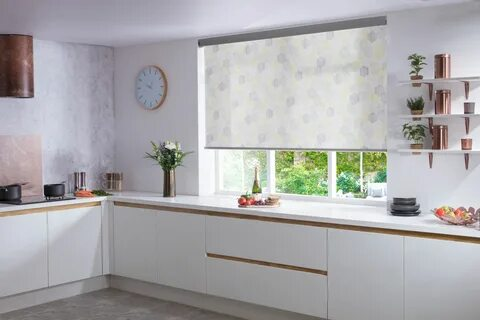
Roller blinds win in wet rooms partly because of their simplicity. The fabric rolls up onto a single tube with no slats, cords running through fabric, or fussy pleats where water and grime collect. That plain surface is the whole point: fewer places for mildew to take hold, and a quick wipe brings it back to clean. For a busy kitchen or a family bathroom, that ease of care matters more than almost anything else.
They also handle heat and steam sensibly. A quality roller blinds fabric made for moisture will not distort near a hot hob or a steamy shower the way an untreated blind might. And because the mechanism is compact, a roller sits neatly in a small bathroom window without dominating it. Add a good range of colours and finishes, including options that let light through while keeping the room private, and it is easy to see why waterproof bathroom blinds so often end up as rollers.
A word on privacy and light
Bathrooms need privacy without going dark, so many people choose a translucent or patterned waterproof fabric that obscures the view while letting daylight in. For a bedroom-adjacent bathroom or a kitchen you use in the evening, a dimout or blackout waterproof fabric gives more control. Consider the room's aspect and how overlooked the window is, then match the fabric opacity to that.
Fitting: drill or no drill?
Tiled walls make some homeowners nervous about drilling, and understandably so. You can fit a roller blind inside the window recess or on the face of the wall, and in a bathroom the recess is often preferred to keep the blind clear of splashes and away from tiled surfaces you would rather not pierce. If the window has a UPVC frame, there are no-drill brackets that clip onto the frame itself, avoiding tiles entirely.
For renters, tiled recesses, or anyone who simply does not want to drill, a no drill blinds system is a genuine relief. These fix with tension or clip-on brackets and hold a lightweight roller securely without a single hole. Just be realistic about the load: no-drill fittings suit smaller, lighter blinds, so a very wide kitchen window may still be better screwed in place. Measure the recess accurately, decide on recess or face fit before you order, and check the frame type so you choose the right bracket.
Keeping waterproof blinds clean and mould-free
The great advantage of a wipeable blind is how little effort it takes to maintain. For everyday care, wipe the fabric with a damp cloth and a mild detergent, then dry it off. That removes splashes, cooking residue and the film that humidity leaves behind before it has a chance to become a stain. Doing this every so often keeps easy wipe blinds looking fresh for years.
Mould is the real enemy in a damp room, and the way to beat it is ventilation as much as the blind itself. A waterproof fabric resists mould far better than natural fibre, but no material is immune if a room is constantly wet and never aired. Use an extractor fan or open the window after a shower, let the blind dry rather than leaving it rolled up sopping wet, and wipe away condensation from the glass and blind when it builds. Do that, and a good wipeable blind stays clean and healthy.
Other options worth considering
Rollers are the obvious pick, but they are not the only moisture-friendly choice. Faux wood or aluminium Venetian blinds also cope well with damp because they are made from synthetic or metal slats rather than real timber, which would warp. If you like the slatted look and the ability to tilt for light and privacy, a set of moisture-resistant venetian blinds is a solid alternative in a bathroom or kitchen.
The trade-off is cleaning. Venetians have slats that gather dust and grime, so they take more effort to keep spotless than a flat roller you can wipe in seconds. For pure low-maintenance practicality, the roller usually wins; for the tilt control and a more traditional look, faux wood Venetians make a strong case. Either way, the golden rule holds: choose a synthetic or coated material built for moisture, never untreated wood or absorbent fabric.
Frequently asked questions
Are roller blinds waterproof?
Standard fabric roller blinds are not, but versions made from PVC-coated or synthetic moisture-resistant fabric are. These repel water and steam rather than absorbing them, so they suit bathrooms and kitchens where an ordinary blind would sag, stain or grow mould. Water-resistant fabrics handle everyday splashes and steam, while the most robust options cope with direct water near a shower.
What blinds are best for a bathroom?
Waterproof roller blinds are usually the best choice because they are wipe-clean, resist steam and have no fussy parts for mould to gather in. Faux wood or aluminium Venetian blinds are a good alternative if you want tilt control, since synthetic slats do not warp in damp. Avoid untreated wooden blinds and absorbent natural fabrics in any wet room.
Do waterproof blinds go mouldy?
They resist mould far better than natural fabrics, but no blind is completely immune in a room that stays wet and unventilated. The moisture-resistant surface makes mould much less likely and easy to wipe away. Keep the room aired with an extractor fan or open window, let the blind dry rather than leaving it damp, and wipe it down regularly to keep it clean.