Skip to content


 Vertical Blinds
 Roman Blinds
 Roller Blinds
 Venetian Blinds
 Day and Night Blinds
 Skylight Blinds
 Children
 Wooden Blinds
 Curtains
 Blinds Accessories
 White
 Yellow
 Gold
 Green
 Grey
 Pink
 Orange
 Animal
 Floral
 Geometric
 Striped
 Motorized Day and Night Blinds
 Motorized Roller Blinds
 No Drill Rollers
 Perfect Fit Wooden
 Perfect Fit Metal
 Thermal Blinds
 Better Sleep Blinds
 Cordless Blinds
 No Drill Blinds
 Blackout Blinds
 Waterproof Blinds
 Easy Wipe Blinds
 Taped Blinds
 Conservatory
 Office
 Kitchen
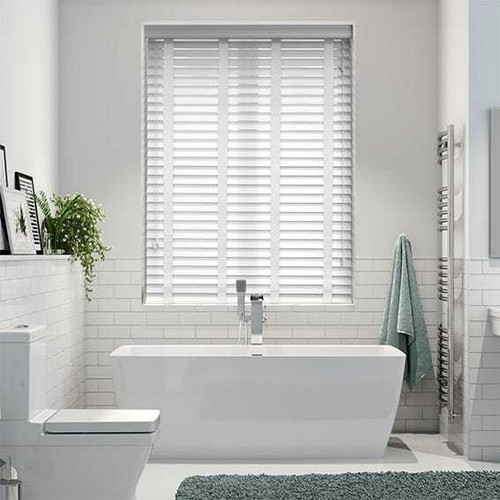 Bathroom
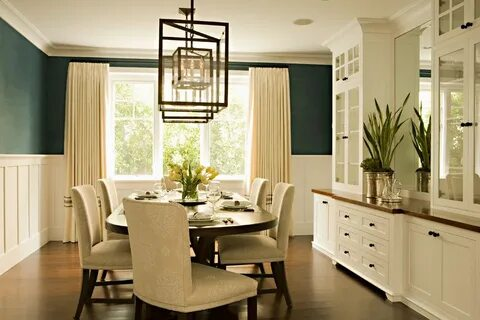 Dining Room
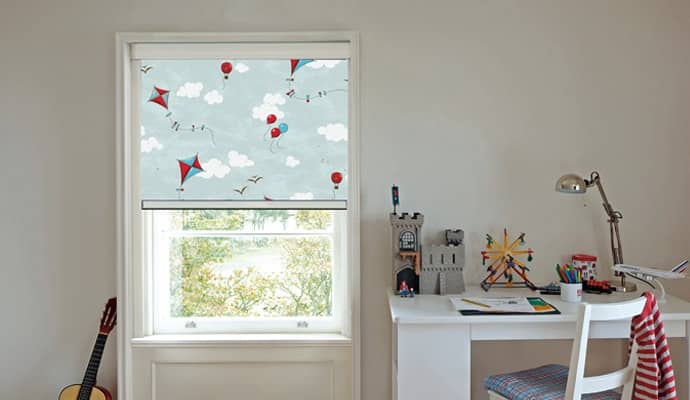 Kids Room
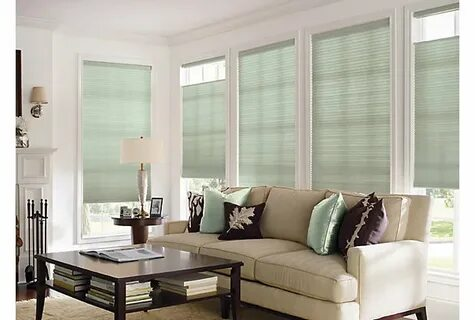 Living Room
 Bedroom
 Bay Window
 Conservatory Window
 Tild and Turn Window
 Bi Fold Window
 Roof of Skylight
 French Door
 Sliding Door
White Wooden Shutter Blinds: Where the Finish Holds Up and Where It Does Not
- by Mariam Labadze
White wooden shutter blinds are the hardest finish in the house to keep looking new, because white shows every change a material goes through and timber changes more than people expect. They look identical in a showroom. They stop looking identical in a south-facing bay or a family bathroom.
So the useful way to choose is by room rather than by price list. Three builds are sold as white wooden shutter blinds, and each one fails in a different place, which means the right answer upstairs is often the wrong answer downstairs.
Key Takeaways
-
Three builds, one look. Solid timber, engineered composite and painted board are sold side by side and age nothing like each other.
-
Strong sun yellows real wood. A painted timber louvre in a south-facing window shifts warmer over time, and white is where you notice it.
-
Steam is the timber killer. Moisture swells a solid louvre and lifts the finish at the end grain before anything else goes wrong.
-
Chips happen at the edges. Painted board marks where fingers push the louvre, along the bottom rows and round the tilt rod.
-
Rank by room, not by budget. Composite in the wet rooms, timber where it stays dry and out of hard sun, and the cost question answers itself.
What White Wooden Shutter Blinds Are Made Of
Three things wear the same name. Solid hardwood, milled and painted, the lightest for its strength and the one that allows wide louvres on a tall panel. Engineered composite, sold as faux wood shutter blinds, a moulded material built to be stable rather than light. And painted board, the cheapest of the three and the heaviest for the same panel.
They are finished to look identical on day one. Which of the white wooden shutter blinds builds you are looking at matters far more than the shade of white on the swatch, because the shade is the one thing that will not stay where you left it.
Weight is the practical difference nobody mentions. A heavy panel pulls on its hinges, and the taller and wider it is, the more that tells. It is the same reason slatted wooden blinds in real timber feel lighter in the hand than a faux equivalent.
Sunlight, Yellowing and South-Facing Rooms
White on timber warms up in strong light. The paint film and the wood beneath it both react, and in a window taking direct afternoon sun the change shows first on the louvres that catch it, usually the top third of the panel. You rarely spot it gradually. You spot it the day you open the window and see the inside face against the outside one.
Composite holds its colour better, which is why it keeps turning up in conservatories and west-facing rooms. Nothing is immune, but it has no grain and no timber substrate moving underneath the finish, so white wooden shutter blinds built that way drift less.
Honest caveat: if your bay faces north or east, this whole section is academic. Wooden shutter blinds for windows that never take hard sun keep their colour long enough that yellowing is not the thing you should be choosing on.
Bathrooms, Kitchens and Anywhere With Steam
This is where solid timber is simply the wrong choice. Repeated steam gets into the end grain at the louvre pins, the timber swells and shrinks with every shower, and the finish lifts along those edges first. Once it has lifted, water gets in faster and the cycle speeds up.
Composite is the sensible call in a bathroom or over a kitchen sink, and the heavier panel is a fair trade for not watching the ends of your louvres open up. Keep the window vented and wipe the sill, because standing water at the bottom rail defeats anything.
For a shower room with no openable window, think again about shutters at all. A wipe-clean roller from a waterproof blinds range takes that room better than any painted panel and costs far less to replace. Saying so loses us a shutter sale and saves you a refit.
Where the Wear Actually Shows
Never in the middle of the panel. Wear on white wooden shutter blinds collects in four places, and they are the same four in every house.
The bottom louvres, because that is where hands push. The tilt rod and the stile beside it, where fingers rest every time you open them. The leading edge by the latch, which takes the knock when the panel swings against the reveal. And the bottom rail, where the sill holds dust and condensation.
Painted board chips at those points sooner than the other two, and a chip on white is a dark mark you cannot unsee. Composite scuffs rather than chips. Timber dents, which reads as wear rather than damage. The same pattern shows on slatted venetian blinds, where the painted slats nearest the wand always look older than the rest.
Which Finish for Which Room
Bathroom, kitchen, utility and anywhere with a tumble dryer: composite, every time. Living room, bedroom and dry hallway windows: solid timber, which gives the lightest panel and the finest louvre proportions. Painted board earns its place on small, dry, low-traffic windows where the saving is real and nobody touches it daily.
South and west-facing rooms sit outside that rule. In a window taking hours of direct sun, take the stability over the material you would otherwise prefer, because colour shift is what you see from the doorway for years. White wood shutter blinds in those rooms want specifying on the finish rather than the timber.
Worth saying plainly: if you want the look of white wooden blinds and the window is a wet room or a conservatory in full sun, you are choosing between two compromises rather than a good option and a bad one. Pick the one that fails in a way you can live with. Check the room before you check the price, because that is the order in which white wooden shutter blinds either hold up or let you down.
Frequently asked questions
Are shutter blinds suitable for kitchens?
Yes, with the right material. Composite handles the steam and the cooking film that a kitchen produces and wipes clean without the finish lifting, which is exactly where solid timber struggles. Keep the panel clear of the hob itself, since heat and splashes are a different problem from humidity. In a galley kitchen with a window over the sink, check the panel can open without fouling the taps.
How do you clean shutter blinds?
Tilt the louvres fully one way and run a dry microfibre or a soft brush along the exposed faces, then tilt them the other way and repeat for the rest. Dust before you use anything damp. For kitchen film or marks round the tilt rod, a cloth wrung out until it is barely damp is enough, wiping along the louvre. Keep water away from hinges and chipped edges.
How do you clean wooden blinds?
The same way, with one extra caution: timber slats are thinner and more prone to taking up moisture than shutter louvres, so damp cleaning should be an exception rather than a routine. Dust along each slat with the blind closed, turn and do the other side, and deal with marks individually rather than wiping the whole blind. Dry immediately with a second cloth.