Skip to content


 Vertical Blinds
 Roman Blinds
 Roller Blinds
 Venetian Blinds
 Day and Night Blinds
 Skylight Blinds
 Children
 Wooden Blinds
 Curtains
 Blinds Accessories
 White
White Yellow
 Gold
Gold Green
Green Grey
Grey Pink
Pink Orange
 Animal
 Floral
 Geometric
 Striped
 Motorized Day and Night Blinds
 Motorized Roller Blinds
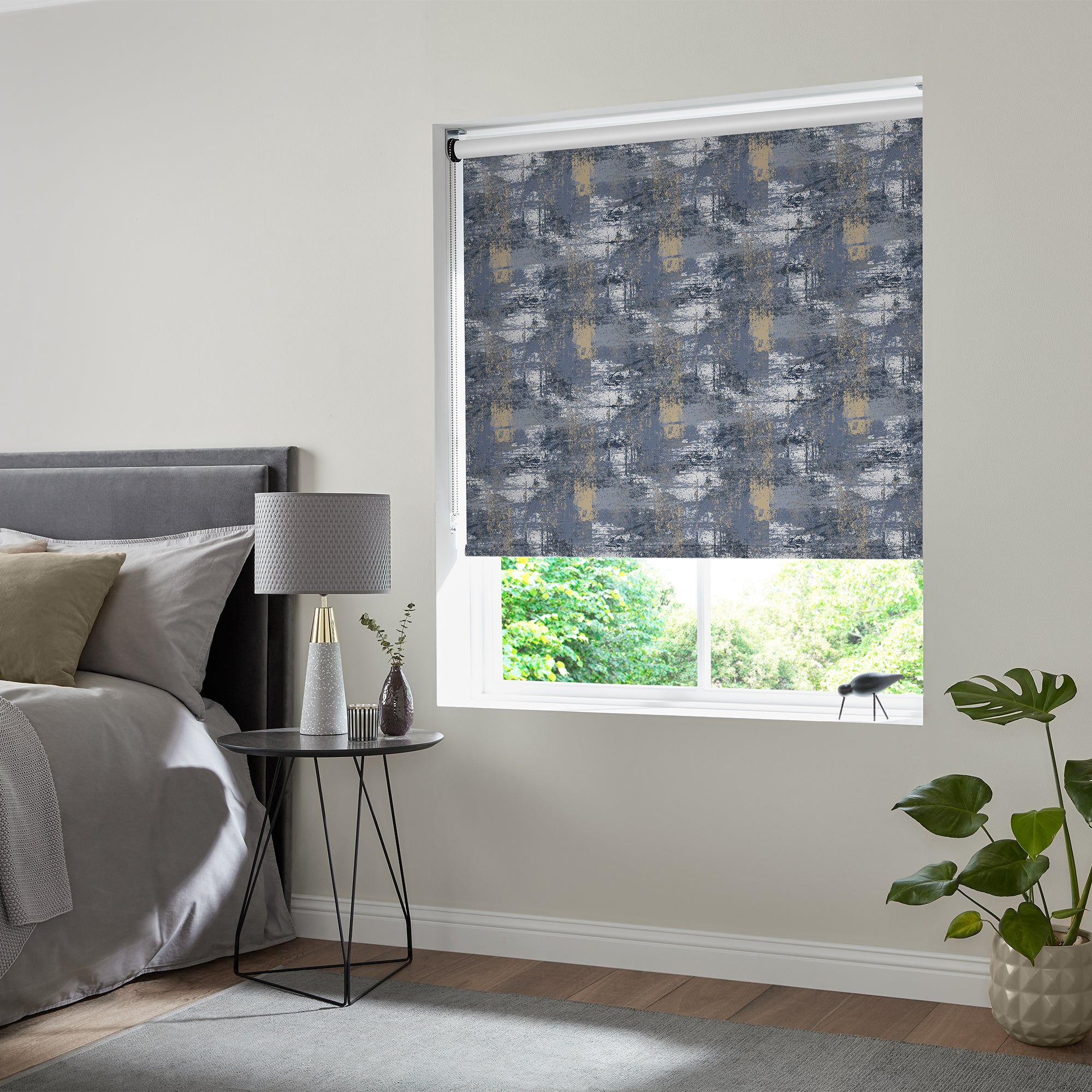 No Drill Rollers
 Perfect Fit Wooden
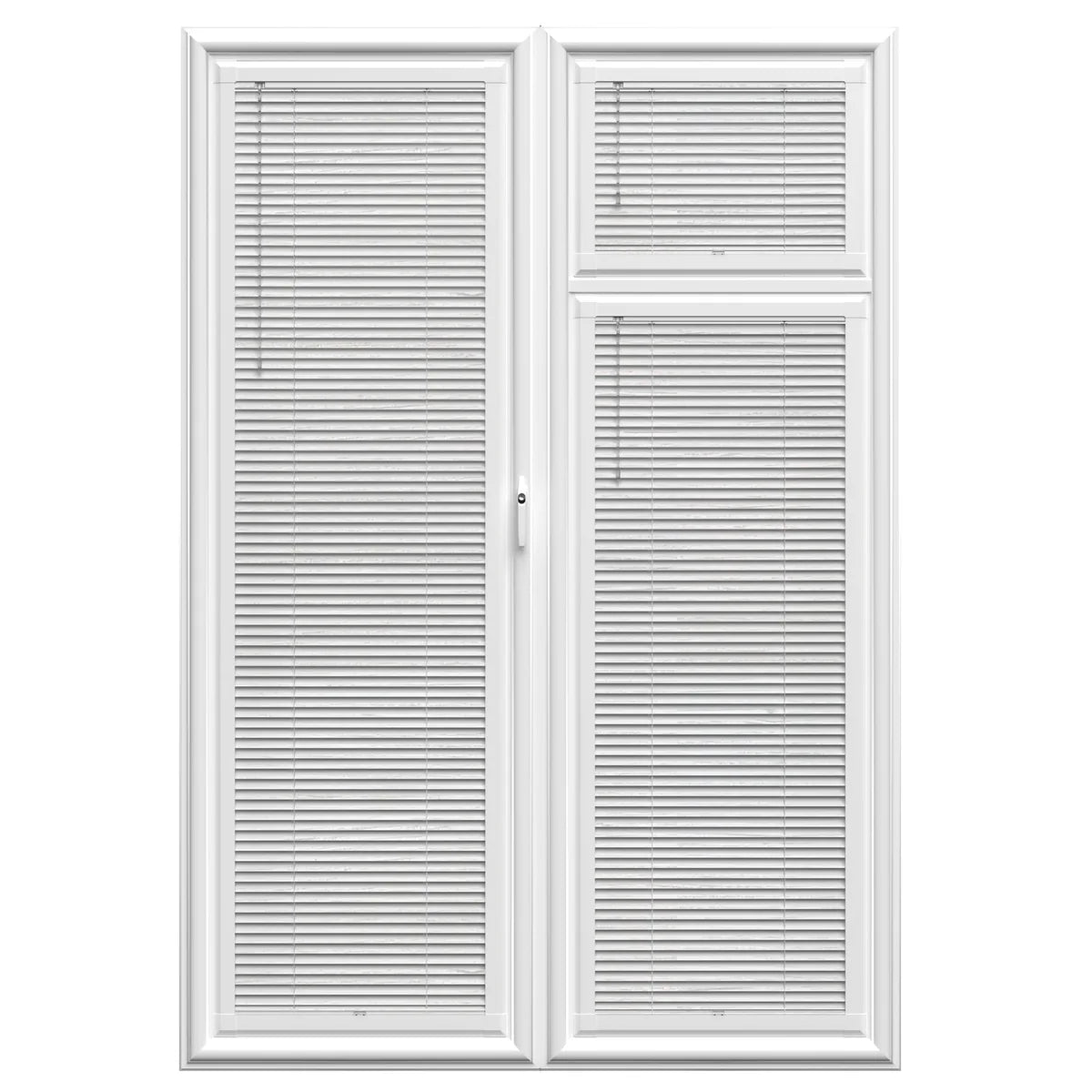 Perfect Fit Metal
 Thermal Blinds
 Better Sleep Blinds
 Cordless Blinds
 No Drill Blinds
 Blackout Blinds
 Waterproof Blinds
 Easy Wipe Blinds
 Taped Blinds
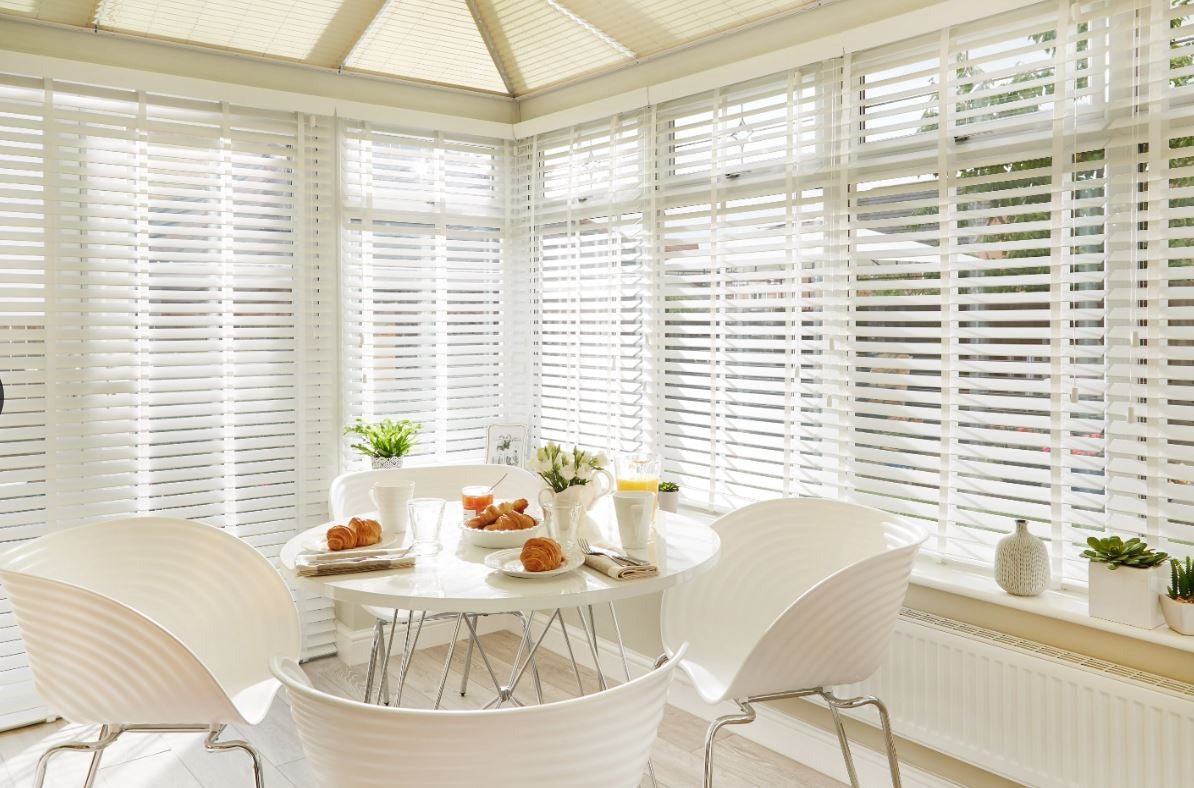 Conservatory
 Office
 Kitchen
 Bathroom
 Dining Room
 Kids Room
 Living Room
 Bedroom
 Bay Window
 Conservatory Window
 Tild and Turn Window
 Bi Fold Window
 Roof of Skylight
 French Door
 Sliding Door
Can Window Blinds Really Help Lower Energy Bills? Here's the Truth
- by Mariam Labadze
Quick Answer
Yes, properly selected window blinds can reduce energy bills by 15-25% through preventing heat loss in winter and blocking solar heat gain in summer. Cellular honeycomb designs provide the best insulation with R-values up to 5.0, whilst thermal-backed roller blinds, wooden venetians, and layered Roman styles offer significant energy savings. The key lies in choosing appropriate materials for your climate needs, ensuring proper fit to minimize air gaps, and using treatments strategically—closing them during temperature extremes and opening them to harness beneficial solar heating or natural ventilation. Windows account for 25-30% of home heating and cooling costs, making energy-efficient blinds one of the most cost-effective home improvements with typical payback periods of 2-4 years.
How Window Treatments Impact Energy Costs
-
Insulation barrier creation – Blinds trap air between window glass and room interior, slowing heat transfer in both directions
-
Solar heat gain reduction – Reflective materials bounce up to 45% of summer sunlight before it heats your home
-
Heat retention in winter – Closed blinds prevent warm interior air from escaping through cold window surfaces
-
Air gap minimization – Proper fitting reduces drafts around window frames that increase heating and cooling loads
-
Light without heat – Filtering daylight reduces artificial lighting needs whilst managing thermal gain
-
Nighttime insulation – Evening closure during cold months significantly reduces overnight heat loss
-
Room-specific control – Targeted treatment use optimizes energy savings in problem areas without whole-house changes
The Science Behind Thermal Performance
Understanding how windows affect your home's energy efficiency helps contextualize why appropriate blinds deliver meaningful savings. Single-glazed windows have R-values around 1, whilst double-glazing improves this to approximately 2-3. In comparison, insulated walls typically achieve R-values of 11-19, making windows your home's weakest thermal link regardless of quality.
Heat transfers through windows via three mechanisms: conduction through glass and frames, convection through air movement, and radiation from infrared energy passing through glass. Quality blinds address all three transfer methods simultaneously, creating measurable improvement in window thermal performance.
The air gap between blinds and glass creates a dead air space—stationary air acts as excellent insulation because it prevents convective heat transfer. This principle explains why cellular designs with trapped air pockets perform so exceptionally well. The larger and more stable the air gap, the better the insulation, though gaps exceeding 20mm don't provide additional benefits due to convection currents forming in larger spaces.
Reflective surfaces on blind exteriors bounce radiant heat before it enters your home. During summer, reflective blinds can reject 35-45% of solar heat that would otherwise increase cooling loads. Light-colored or metallic-backed materials prove most effective, creating noticeable temperature differences between rooms with and without reflective treatments.
Thermal resistance (R-value) measures insulation effectiveness—higher numbers indicate better performance. Basic blinds add R-values of 0.5-1.0, good quality cellular shades reach 2.0-3.0, and premium double-cell designs achieve up to 5.0. Adding even modest R-value to windows' low baseline significantly improves overall performance, explaining why blinds deliver disproportionate energy savings relative to their cost.
The Benefits of Energy-Efficient Window Treatments
Beyond direct energy cost reductions, thermal window treatments deliver comprehensive advantages that enhance home comfort and value whilst supporting environmental responsibility.
Reduced Utility Bills – The primary benefit manifests in lower heating and cooling costs. A typical UK home spending £1,800 annually on energy might save £270-£450 through strategic use of quality thermal blinds throughout. These savings accumulate continuously year after year, quickly offsetting initial investment costs.
Enhanced Comfort – Insulating blinds eliminate cold spots near windows during winter and reduce hot zones during summer. This temperature stability creates more comfortable living spaces without adjusting thermostats, allowing you to maintain consistent comfort whilst actually reducing HVAC system runtime.
HVAC System Longevity – Reducing heating and cooling demands extends equipment lifespan by decreasing operational hours. Systems that would require replacement after 12 years might last 15+ years with reduced workload from effective window treatments. This delayed replacement represents substantial savings beyond monthly utility bill reductions.
Environmental Impact – Lower energy consumption directly reduces your carbon footprint. Residential heating and cooling contribute significantly to greenhouse gas emissions, making thermal window treatments meaningful environmental choices that support climate action whilst saving money.
Noise Reduction – Many thermally efficient blinds—particularly cellular designs with substantial material bulk—dampen external noise from traffic, neighbors, or street activity. This acoustic benefit proves valuable in urban locations where sound intrusion affects quality of life alongside thermal concerns.
UV Protection – Thermal treatments filter harmful ultraviolet radiation that fades furniture, flooring, and artwork. Protecting expensive furnishings extends their lifespan, delivering economic value beyond direct energy savings whilst maintaining interior aesthetics longer.
Increased Property Value – Energy-efficient features increasingly influence property valuations. Homes fitted with quality thermal treatments throughout appeal to environmentally conscious buyers whilst demonstrating overall attention to quality and efficiency that serious purchasers recognize and value.
Cellular Blinds: The Insulation Champions
Cellular or honeycomb blinds represent the gold standard for thermal performance in window treatments. Their distinctive structure features hexagonal cells that trap air, creating multiple insulating layers between glass and room interior. This engineering specifically optimizes energy efficiency rather than treating it as a secondary benefit.
Single-cell designs create one layer of air pockets, providing good insulation suitable for moderate climates or budget-conscious projects. These offer meaningful improvement over basic treatments whilst maintaining reasonable pricing and slimmer profiles that suit standard window depths.
Double-cell constructions essentially double the insulation through two layers of trapped air pockets. These premium designs achieve the highest R-values available in window treatments—up to 5.0 in top-quality products. The investment typically proves worthwhile for particularly cold climates, large windows, or rooms with significant heating and cooling challenges.
Cell size affects performance somewhat, with larger cells (19mm) providing slightly better insulation than smaller cells (9-13mm) due to increased air volume. However, the difference proves modest, making aesthetic preferences regarding visible cell size reasonable considerations alongside pure performance metrics.
Opacity choices allow balancing light control with thermal performance. Light-filtering cellular blinds provide excellent insulation whilst admitting natural daylight, reducing artificial lighting needs that contribute to cooling loads. Blackout cellular designs offer maximum thermal performance alongside complete darkness valuable in bedrooms where both energy efficiency and sleep quality matter.
Top-down, bottom-up configurations enable opening blinds from the top during winter days, admitting warming sunlight into rooms whilst maintaining lower-window insulation and privacy. This flexibility optimizes both thermal performance and natural light access, maximizing comfort and efficiency throughout varying seasonal conditions.
Thermal Roller Blinds: Practical Efficiency
Thermal roller blinds combine the simplicity and clean aesthetics of standard rollers with specialized backing materials engineered for energy efficiency. These practical solutions deliver meaningful thermal improvement without the premium pricing of cellular designs, making them accessible for budget-conscious projects covering multiple windows.
Thermal backing typically consists of foam, aluminum, or specialized synthetic materials bonded to decorative fabric. These layers reflect radiant heat whilst creating modest insulating air gaps between fabric and glass. The result provides R-values around 1.0-2.0—not matching cellular performance but significantly better than standard fabric alone.
Reflective thermal blinds work particularly effectively for solar heat rejection during summer months. Light-colored or metallic-backed fabrics bounce sunlight before it converts to heat inside your home, noticeably reducing cooling requirements in south and west-facing rooms receiving intense afternoon sun.
Blackout thermal rollers combine light blocking with insulation, making them ideal for bedrooms where both functions prove valuable. The dense materials required for complete light blocking inherently provide better thermal performance than lightweight fabrics, delivering dual benefits through single solutions.
Installation positioning affects thermal roller performance. Recess mounting inside window frames creates natural air gaps but may allow heat transfer around edges. Face-mounting outside recesses with fabric extending beyond frames provides better edge sealing, reducing air leakage that compromises thermal performance regardless of material quality.
The slim profile and simple mechanism of thermal rollers make them practical for any window size or configuration. Unlike some cellular designs that may feel bulky in compact window recesses, thermal rollers maintain the sleek appearance that makes standard rollers universally popular whilst adding meaningful energy efficiency.
Wooden Venetian Blinds: Natural Insulators
Wooden venetian blinds provide dual thermal benefits—the natural insulating properties of wood combined with adjustable slats that control light and air flow precisely. This combination makes them surprisingly effective for energy management despite not being specifically marketed as thermal solutions.
Wood's cellular structure inherently resists heat transfer better than aluminum or vinyl alternatives. Real wood slats create modest insulation even when open, and this thermal advantage increases substantially when slats close tightly, forming near-continuous wood barriers between glass and room interior.
The substantial thickness of wooden slats (typically 25-50mm) creates more insulating mass than thin aluminum venetians. This bulk slows temperature transfer through conduction, whilst the air gaps between closed slats add convective resistance creating combined thermal benefits impossible in thinner materials.
Slat angle adjustment optimizes passive solar heating during winter. Position slats to admit low-angle winter sunlight whilst maintaining privacy, allowing natural warming that reduces heating requirements. This control proves impossible with fixed treatments, giving venetians unique flexibility for seasonal energy optimization.
Summer strategies involve closing slats against intense sun, blocking direct solar gain whilst maintaining some natural ventilation through gaps. This balanced approach reduces cooling loads whilst avoiding the stuffiness that completely closed window treatments might create during warm weather.
Faux wood alternatives provide similar thermal benefits with enhanced moisture resistance for bathrooms and kitchens. These composite materials may actually exceed real wood's insulating properties through engineered cellular structures, making them practical choices where humidity challenges genuine wood whilst maintaining thermal performance.
Roman Blinds with Thermal Lining
Roman blinds traditionally emphasize aesthetics over function, but thermal-lined versions deliver impressive energy efficiency whilst maintaining the soft, elegant appearance that makes Romans perennially popular for living rooms and bedrooms.
Thermal interlining consists of specialized batting or foam layers sewn between decorative fabric and lining. These materials trap air whilst adding insulating bulk, creating R-values approaching cellular designs. The soft folds characteristic of Romans naturally incorporate air pockets that enhance overall thermal performance.
The substantial fabric used in Romans inherently provides better insulation than lightweight rollers even without specialized thermal treatments. Multiple layers of quality fabric create natural thermal resistance, making Romans reasonable energy-efficient choices even in non-thermal versions for those prioritizing aesthetics.
Edge gaps present Romans' primary thermal weakness. The soft fabric can't seal tightly against frames like rigid blinds, allowing air infiltration that compromises insulation. Face-mounting with adequate overlap beyond window frames minimizes this issue, substantially improving thermal performance compared to recess-mounted installations with visible gaps.
Blackout-lined Romans combine light control with enhanced thermal performance. The dense materials providing darkness also improve insulation, whilst the combination suits bedrooms perfectly where both functions prove equally valuable for sleep quality and energy efficiency.
The luxurious appearance of Romans makes them particularly appropriate for formal living rooms and master bedrooms where energy efficiency matters but shouldn't compromise aesthetic impact. Thermal-lined Romans prove that efficiency needn't sacrifice style, delivering both priorities simultaneously in rooms where appearance significantly affects daily enjoyment.
Vertical Blinds: Overlooked Thermal Solutions
Vertical blinds rarely receive consideration in energy efficiency discussions, yet they provide legitimate thermal benefits for large windows and patio doors where cellular or Roman treatments prove impractical or prohibitively expensive.
The vertical orientation naturally creates air channels between slats and glass when blinds close. These channels trap air providing convective resistance, whilst the adjustable slats control solar gain precisely—rejecting harsh sun whilst admitting diffused light during intermediate conditions.
Fabric vertical blinds outperform vinyl alternatives thermally due to textile's superior insulating properties compared to thin vinyl. The textile adds meaningful thermal mass, whilst fabric's natural texture diffuses light more effectively, reducing heat gain from direct solar radiation passing through slats.
Large expanses of glass—common in modern open-plan homes—present particular energy challenges. Verticals provide the most economical thermal solution for these expensive-to-treat areas, delivering measurable benefits at price points making whole-wall coverage financially feasible where premium cellular treatments might prove prohibitive.
The ability to fully open vertical blinds by stacking to one side enables strategic passive solar heating during winter. Morning sun through east-facing glass warms interiors naturally, and verticals allow you to harness this free heating then close them before nighttime heat loss begins—optimization impossible with fixed treatments.
Layering verticals with sheer curtains creates surprisingly effective insulation. The two layers trap air between them whilst the curtains diffuse light beautifully. This combination delivers both thermal performance and sophisticated aesthetics in contemporary spaces where verticals' clean lines suit the architectural style.
Proper Installation and Fit
Even the highest-performing thermal blinds deliver disappointing results when poorly fitted. Air gaps around edges allow convection currents undermining insulation, making proper installation crucial for achieving advertised energy savings.
Recess mounting within window frames creates integrated appearances but may leave gaps between blind edges and frame sides. These gaps permit air circulation that reduces thermal effectiveness significantly. Measure recess dimensions carefully, ordering blinds that fit snugly without binding during operation.
Face-mounting to walls or ceilings above windows allows blinds extending beyond frames on all sides, minimizing edge gaps substantially. This approach typically delivers superior thermal performance compared to recess mounting, making it preferable for energy-focused installations despite slightly more prominent appearance.
Side channels for roller and cellular blinds create sealed edges eliminating air gaps entirely. These track systems guide blind edges within channels mounted to frame sides, preventing convective air movement that compromises insulation. The modest additional cost proves worthwhile for maximum energy savings in particularly challenging windows.
Professional installation ensures optimal fit and operation. Installers understand how to minimize gaps, adjust mechanisms for smooth operation, and identify situations where specific mounting approaches deliver superior thermal performance. The investment typically pays for itself through improved energy savings from properly fitted treatments.
Strategic Usage for Maximum Savings
Owning energy-efficient blinds doesn't guarantee savings—strategic use optimizes thermal performance through daily and seasonal adjustments responding to weather conditions and solar positioning.
Winter Strategy – Close blinds at dusk before temperatures drop, trapping interior warmth. Open south-facing blinds during sunny days allowing passive solar heating, then close before sunset prevents accumulated heat escaping. North-facing windows should remain closed all day during cold weather since they receive minimal sun but lose heat constantly.
Summer Strategy – Close blinds on south and west-facing windows during intense afternoon sun, preventing solar heat gain that increases cooling loads. East-facing windows benefit from morning closure preventing early heat buildup. Open blinds during cool mornings and evenings allowing natural ventilation whilst maintaining closure during peak heat.
Shoulder Season Optimization – Spring and autumn require nuanced approach balancing heating and cooling needs that fluctuate daily. Use blinds responsively—closing against unexpectedly warm sunshine or cold winds, opening to harness beneficial conditions. This active management maximizes comfort whilst minimizing HVAC runtime.
Nighttime Closure – Closing all blinds at night during cold months significantly reduces overnight heat loss regardless of daytime strategy. Nighttime represents peak heat loss periods when temperature differences between interior and exterior maximize, making evening closure particularly impactful for energy savings.
Automation Benefits – Motorized blinds with scheduling eliminate the manual effort that causes inconsistent usage undermining potential savings. Program optimal opening and closing times for each window based on orientation and seasonal sun paths, ensuring consistent energy-saving behavior without daily attention.
Calculating Your Potential Savings
Estimating energy savings helps justify investment in quality thermal treatments through understanding realistic payback periods and long-term value.
A typical UK home with 12 windows spending £1,800 annually on heating and cooling might save 15-25% through comprehensive thermal blind installation. This represents £270-£450 annual savings, or £22-£37 monthly—meaningful reductions in household budgets whilst supporting environmental goals.
Investment costs vary by treatment type and window sizes. Budget thermal rollers might total £600 covering 12 standard windows, whilst premium cellular designs could reach £2,000 for equivalent coverage. Payback periods range from 1.5-7 years depending on treatment choice and home-specific savings rates.
The most aggressive savings occur in poorly insulated homes where windows currently contribute disproportionately to energy losses. Modern well-insulated properties see more modest percentages but still meaningful absolute savings justifying reasonable investments in quality treatments.
South and west-facing windows in sunny climates deliver highest summer cooling savings through solar heat rejection. North-facing windows in cold climates provide greatest winter savings through heat retention. Prioritizing treatment investments toward these highest-impact orientations maximizes return when budget constraints prevent simultaneous whole-home coverage.
Energy prices significantly affect payback calculations and ongoing savings. As UK energy costs continue rising, the value of energy-efficient improvements increases proportionally—making thermal blinds increasingly attractive investments whose returns grow alongside future rate increases.
Making Your Decision
Assess your home's specific needs considering climate, window orientations, existing insulation quality, and budget constraints. Homes with single glazing, older windows, or minimal wall insulation benefit most dramatically from thermal treatments, whilst modern well-insulated properties see more modest but still worthwhile improvements.
Prioritize rooms where you spend most time and experience greatest comfort issues. Living rooms, bedrooms, and home offices warrant premium thermal treatments ensuring comfort and efficiency where they matter most, whilst less-occupied spaces might accept more modest solutions.
Balance energy performance with aesthetics recognizing that you'll live with these treatments daily. The most efficient blinds deliver poor value if you dislike their appearance enough to keep them open, negating thermal benefits. Choose solutions satisfying both functional and aesthetic requirements ensuring consistent use.
Consider whole-house approach for maximum savings. Treating a few windows delivers modest benefits, but comprehensive coverage across all windows transforms your home's thermal envelope substantially. If budget limitations exist, implement systematically over time rather than compromising quality to reduce per-window costs.
At 1 Click Blinds, we're committed to helping UK homeowners reduce energy costs whilst enhancing comfort and style. Our range of cellular designs, thermal roller blinds, wooden venetians, and insulated Romans deliver measurable energy savings alongside the quality and aesthetics that make your house a home. Invest in thermal efficiency today and enjoy reduced bills, enhanced comfort, and environmental benefits for years to come.