Skip to content


 Vertical Blinds
 Roman Blinds
 Roller Blinds
 Venetian Blinds
 Day and Night Blinds
 Skylight Blinds
 Children
 Wooden Blinds
 Curtains
 Blinds Accessories
 White
White Yellow
 Gold
Gold Green
Green Grey
Grey Pink
Pink Orange
 Animal
 Floral
 Geometric
 Striped
 Motorized Day and Night Blinds
 Motorized Roller Blinds
 No Drill Rollers
 Perfect Fit Wooden
 Perfect Fit Metal
 Thermal Blinds
 Better Sleep Blinds
 Cordless Blinds
 No Drill Blinds
 Blackout Blinds
 Waterproof Blinds
 Easy Wipe Blinds
 Taped Blinds
 Conservatory
 Office
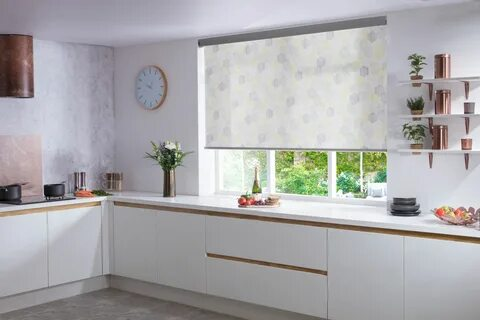 Kitchen
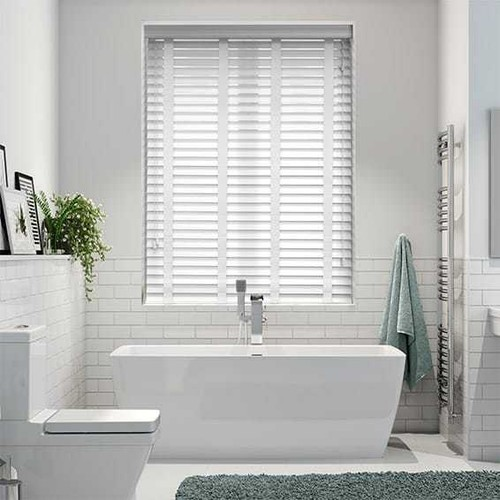 Bathroom
 Dining Room
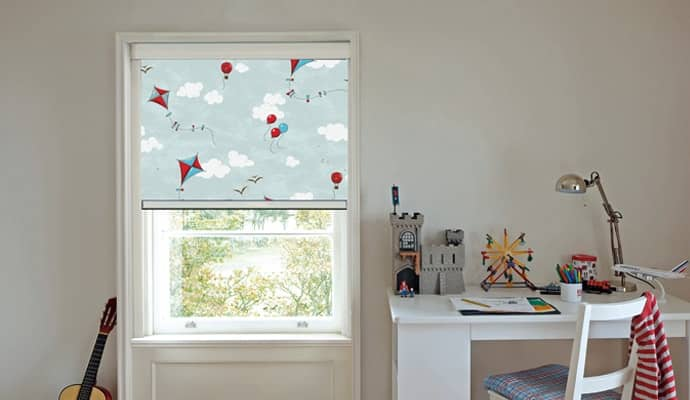 Kids Room
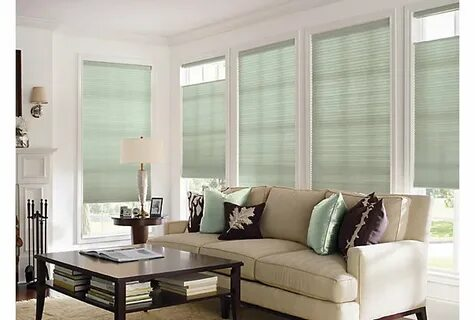 Living Room
 Bedroom
 Bay Window
 Conservatory Window
 Tild and Turn Window
 Bi Fold Window
 Roof of Skylight
 French Door
 Sliding Door
InstaFit Blinds vs Tension Rod Blinds: Which Stays Up Better?
- by Mariam Labadze
 Both InstaFit blinds and tension rod blinds are no-drill, no-adhesive window coverings — the options most frequently considered by renters and anyone who cannot or would prefer not to put brackets into a wall. Both work without permanent fixings. Beyond that shared characteristic, they are quite different products, and the right choice between them depends primarily on your window type.
[toc]
How Each System Stays in Place
An InstaFit blind clips into the rubber bead of a uPVC or aluminium window frame using a series of spring-loaded clips. The clips engage mechanically with the bead channel and hold the blind in position through positive mechanical retention — the same principle as a push-fit connector. The blind does not move unless you deliberately press the frame away from the bead to release it.
A tension rod blind uses a spring-loaded expanding rod that pushes outward against both sides of a window reveal. The rod is held in place by friction and spring pressure rather than any mechanical fixing. The blind fabric hangs from the rod, and the rod stays up because it is pressing outward against the reveal walls hard enough to resist gravity and normal movement in the room.
Stability: The Honest Assessment
InstaFit blinds are more secure than tension rod blinds in most situations. The mechanical clip engagement means the blind will not move under normal conditions — it is not affected by vibration from a nearby door closing, children pulling the fabric, or air movement from an open window. Removing an InstaFit blind requires deliberate effort.
Tension rods are stable under normal conditions but are sensitive to the quality of the fit within the reveal. A rod that is correctly tensioned in a clean, smooth reveal will hold well for everyday use. A rod that is slightly under-tensioned, fitted in a reveal with a tiled or uneven surface, or subjected to repeated pulling of the fabric may shift position over time. The practical consequence is usually that the rod needs repositioning occasionally rather than falling down completely, but it is a maintenance consideration that InstaFit blinds do not share.
Window Compatibility: The Deciding Factor
This is where the choice between the two systems is most often made for you rather than by you. InstaFit blinds require a uPVC or aluminium window frame with a rubber bead. Without that bead, InstaFit blinds cannot be fitted. Tension rod blinds require a window reveal of appropriate width — the rod must span the reveal and maintain pressure against both sides — and work with virtually any material: timber frames, tiled reveals, stone surrounds and non-standard profiles all accept a tension rod provided the width is within the rod's range.
If your windows are uPVC or aluminium with a standard bead, InstaFit is the better choice on virtually every metric. If your windows are timber-framed, older single-glazed units, or any profile without a rubber bead, tension rods may be your only practical no-drill option.
Span: How Wide Can Each Go?
InstaFit blinds are made to measure up to the standard maximum widths available for the blind style — typically up to 240cm or more for roller blinds, depending on the supplier. The mechanical clip system is independent of width, so a wide InstaFit blind is as secure as a narrow one.
Tension rods have practical span limitations. Standard spring tension rods are reliable up to approximately 120cm. Beyond that width, the spring force required to maintain adequate pressure becomes impractical, and the rod may bow slightly in the middle rather than maintaining straight contact with both reveals. For narrow to medium windows, tension rods are perfectly adequate; for wide windows, InstaFit or another system is preferable.
Appearance
An InstaFit blind sits flush within the window frame with no visible hardware — the clips are hidden behind the blind frame, and the overall appearance is clean and professional. From inside the room, an InstaFit blind is visually indistinguishable from a drilled installation.
A tension rod blind is typically visible from inside the room as a horizontal bar across the window, positioned at whatever height the rod sits. The rod itself is functional rather than decorative. For rooms where the appearance of the window dressing is important, this is a meaningful difference.
The Verdict
For uPVC and aluminium windows, InstaFit blinds are the better choice in almost every respect: more secure, more attractive, available in wider sizes and fitted in the same amount of time. For timber frames, non-standard reveals or any window without a compatible bead profile, tension rods remain a useful and practical no-drill option.
If you are not sure which system your window will accept, browse the InstaFit range and check your window frame profile — if your window has a rubber bead, InstaFit is the stronger choice.