Skip to content


 Vertical Blinds
 Roman Blinds
 Roller Blinds
 Venetian Blinds
 Day and Night Blinds
 Skylight Blinds
 Children
 Wooden Blinds
 Curtains
 Blinds Accessories
 White
White Yellow
 Gold
Gold Green
Green Grey
Grey Pink
Pink Orange
 Animal
 Floral
 Geometric
 Striped
 Motorized Day and Night Blinds
 Motorized Roller Blinds
 No Drill Rollers
 Perfect Fit Wooden
 Perfect Fit Metal
 Thermal Blinds
 Better Sleep Blinds
 Cordless Blinds
 No Drill Blinds
 Blackout Blinds
 Waterproof Blinds
 Easy Wipe Blinds
 Taped Blinds
 Conservatory
 Office
 Kitchen
 Bathroom
 Dining Room
 Kids Room
 Living Room
 Bedroom
 Bay Window
 Conservatory Window
 Tild and Turn Window
 Bi Fold Window
 Roof of Skylight
 French Door
 Sliding Door
How Do You Choose Blinds for Skylights and Odd-Shaped Windows?
- by Mariam Labadze
Quick Answer
Choosing blinds for skylights and odd-shaped windows requires specialized solutions designed for angled, curved, or irregular openings. Skylights need blinds with side rails or tensioned systems preventing fabric sagging, plus blackout capabilities for light control. Options include motorized roller blinds, pleated designs with wire guidance, and purpose-built skylight systems. For triangular, arched, or circular windows, consider custom-shaped cellular shades, shutters crafted to exact specifications, or decorative films as permanent solutions. Measure precisely following manufacturer guidelines, prioritize motorized operation for hard-to-reach skylights, and ensure proper installation preventing gaps that compromise light control and insulation.
Essential Considerations for Unusual Windows
-
Precise measurements – Odd-shaped windows require exact dimensions including angles, curves, and irregular sections
-
Gravity challenges – Skylight blinds must resist sagging on angled or horizontal installations
-
Accessibility issues – High or awkward positioning often necessitates motorized or remote-controlled operation
-
Light control needs – Skylights particularly require effective blackout options preventing overhead brightness
-
Custom manufacturing – Most unusual windows need bespoke treatments rather than standard sizes
-
Installation complexity – Professional fitting often essential for proper tensioning and secure mounting
-
Budget implications – Specialized solutions typically cost 50-100% more than standard window equivalents
Understanding Skylight-Specific Challenges
Skylights present unique window treatment challenges that standard solutions cannot address. The angled or horizontal positioning means gravity constantly pulls fabric and mechanisms downward, causing sagging that creates unsightly appearances and compromises light control. Standard roller or roman blinds designed for vertical windows simply don't function properly when installed at angles.
Intense overhead sunlight through skylights creates stronger glare and heat gain than vertical windows receive. A skylight might admit 2-3 times more solar energy than an equivalent south-facing window, making effective light control and heat rejection crucial for comfort and energy efficiency beneath skylights.
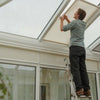
Accessibility compounds skylight challenges significantly. Reaching skylights for manual operation proves difficult or impossible without ladders, making motorization essentially mandatory rather than luxury feature. The inconvenience of climbing to adjust treatments means manually-operated skylight blinds rarely get used, negating their purpose entirely.
Condensation affects skylights more than standard windows due to temperature differentials between warm interior air and cold glass. Blinds must tolerate moisture without mold development whilst allowing adequate air circulation preventing condensation accumulation that damages both treatments and surrounding structures.
The Benefits of Properly Covered Unusual Windows
Enhanced Comfort – Controlling light through skylights prevents harsh overhead glare that creates headaches and eye strain whilst reducing excessive solar heat gain that forces air conditioning to work overtime. Odd-shaped feature windows receive similar benefits through appropriate light management maintaining comfort throughout rooms.
Energy Efficiency – Skylights particularly benefit from insulating treatments. Uncovered skylights lose heat rapidly during cold nights whilst admitting excessive solar gain during hot days. Quality skylight blinds can reduce this energy loss by 40-60%, delivering substantial savings justifying their premium costs through lower utility bills.
Privacy and Light Balance – Ground-floor triangular or arched windows often compromise privacy whilst contributing architectural interest. Appropriate treatments allow maintaining distinctive aesthetics whilst controlling visibility, ensuring rooms feel secure without sacrificing the character that unusual windows provide.
Aesthetic Completion – Uncovered unusual windows can appear unfinished, whilst poorly chosen treatments look awkward or compromise architectural features. Proper solutions enhance rather than hide distinctive windows, completing room designs that celebrate rather than conceal unique architectural elements.
UV Protection – Skylights admit intense sunlight that fades furniture and flooring rapidly. Filtering or blocking this UV radiation protects expensive furnishings beneath skylights, extending their lifespan whilst maintaining interior aesthetics longer than uncovered installations allow.
Best Solutions for Skylights
Motorized Roller Blinds with Side Channels – This represents the most popular skylight solution combining effective light control with reliable operation on angled installations. Side channels guide fabric edges within tracks, preventing sagging and maintaining taut appearance regardless of skylight angle. Motorization eliminates access challenges, allowing convenient remote control from room level.
Fabric choices range from light-filtering materials admitting diffused daylight to complete blackout options for bedrooms where overhead light disrupts sleep. Thermal-backed fabrics enhance insulation, reducing energy loss through skylight's inherently weaker thermal envelope whilst managing solar heat gain during summer months.
Installation requires precision ensuring channels align perfectly and motors mount securely. Professional fitting proves worthwhile given the complexity and inaccessibility once installed. Proper installation delivers years of reliable service, whilst poor fitting creates operational problems requiring expensive remediation.
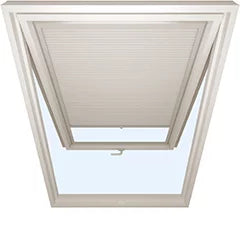
Pleated Skylight Blinds – Pleated designs feature tensioned cables or wires running through fabric edges, maintaining stability on angled installations without bulky side channels. The pleated fabric stacks compactly when opened, maximizing daylight admission whilst disappearing visually when not needed for light control.
These systems work excellently for smaller skylights where side channel bulk might appear disproportionate. The slim profile suits contemporary interiors where minimal visual interruption matters, whilst the tensioned design prevents sagging that would compromise both appearance and function.
Cellular or honeycomb pleated designs add insulation benefits particularly valuable for skylights. The trapped air pockets reduce heat transfer through skylights' thermally weak areas, enhancing comfort whilst reducing energy costs. This combination of light control and insulation makes cellular pleated designs excellent value despite premium pricing.
Custom Skylight Blinds Systems – Specialized manufacturers offer purpose-built skylight solutions engineered specifically for horizontal and angled installations. These premium systems typically feature robust tensioning, superior materials resistant to UV degradation, and refined aesthetics appropriate for high-visibility installations.
Remote-controlled operation comes standard in quality skylight systems, often with programmable schedules allowing automatic opening and closing based on time or light sensors. This automation ensures consistent usage maximizing comfort and energy benefits without requiring daily manual intervention.
Solutions for Triangular and Gable Windows
Triangular windows in gable ends or following rooflines create distinctive architectural interest but challenge standard window treatment approaches. Several solutions address these unique shapes effectively.
Custom-Shaped Cellular Shades – Manufacturers can create cellular blinds following precise triangular shapes, providing edge-to-edge coverage that standard rectangular treatments cannot achieve. These custom solutions typically mount on the window perimeter, with fabric collapsing accordion-style when opened.
Top-down operation works well for triangular windows, with blinds lowering from the peak downward. This maintains architectural interest by keeping the distinctive shape visible whilst providing adjustable light control and privacy as needed throughout the day.
Angled Side Panels – For very large gable windows, consider multiple treatments addressing different sections. Rectangular blinds cover the main window area, whilst small triangular sections receive separate custom treatments. This modular approach often proves more economical than single large custom solutions.
Decorative Film – If light control proves less important than aesthetics and UV protection, decorative window film provides permanent solutions for unusual shapes. Films come in various opacities and patterns, filtering light and providing privacy whilst allowing the window's distinctive shape to remain visible as architectural feature.
Arched and Curved Window Options
Arched windows create romantic, classical aesthetics that deserve treatments complementing rather than hiding their distinctive curves.
Arch-Top Cellular Shades – These specialized designs feature rigid arched headers following window curves precisely, with pleated cellular fabric operating beneath. The arch remains uncovered maintaining architectural interest, whilst the lower section provides adjustable light control and insulation.
This split approach balances aesthetics with functionality—preserving the window's character whilst addressing practical needs for privacy and light management. The solution works beautifully in bedrooms and living rooms where arched windows provide focal points deserving emphasis rather than concealment.
Custom Shutters – Plantation or traditional shutters can be crafted following arched shapes exactly, creating cohesive coverage across entire unusual windows. Shutters' substantial presence suits arched windows' architectural gravitas, whilst adjustable louvres provide nuanced light control impossible with fixed treatments.
The investment in custom arched shutters proves substantial—often £500-£1,200 per window depending on size and specifications. However, their longevity (20+ years) and timeless aesthetics justify costs for homeowners prioritizing distinctive architectural features and willing to invest appropriately.
Separate Arch and Rectangle Treatments – Address the arch and rectangular sections independently. Mount a decorative fan-shaped treatment in the arch—perhaps a static pleated shade or decorative film—whilst installing standard blinds on the rectangular portion. This practical approach balances functionality with respect for architectural features.
Circular and Octagonal Window Solutions
Truly circular windows, common in period properties and contemporary designs alike, present the most challenging treatment scenarios.
Decorative Films – For purely decorative circular windows providing light without privacy concerns, decorative or stained-glass-effect films offer elegant permanent solutions. These maintain circular aesthetics whilst filtering harsh light and providing UV protection.
Shutters with Pie-Shaped Sections – Custom shutters with multiple pie-shaped panels that fold back in sections provide the most comprehensive solution. These substantial treatments suit circular windows' bold architectural statements, delivering complete light control whilst celebrating rather than hiding the distinctive shape.
Embrace the Uncovered Look – Sometimes the best solution involves accepting that certain distinctive windows function better uncovered. If privacy isn't necessary and light control proves manageable, celebrate the architectural feature unobstructed. Focus window treatment investments on other areas delivering more practical benefit.
Measuring Unusual Windows
Accurate measurement proves crucial for custom solutions where standard sizing doesn't apply. Follow manufacturer-specific guidelines precisely, as measurement requirements vary between products and systems.
For skylights, measure both the visible glass dimensions and the frame depth. Note the angle precisely—some manufacturers need this specification ensuring proper tensioning systems. Photograph the installation area from multiple angles, helping manufacturers understand the context and identify potential challenges.
Triangular windows require measuring all three sides plus the angles, even though geometry suggests two measurements might suffice. Manufacturing precision demands verification ensuring custom treatments fit precisely without gaps compromising function or appearance.
Arched windows need measuring the radius or diameter of the arch, plus the rectangular section dimensions if applicable. Trace the arch shape on paper if possible, creating templates manufacturers can reference ensuring proper curve matching.
Consider professional measuring services for expensive custom installations. Many suppliers offer this service, sometimes absorbing costs for substantial orders. Professional measuring eliminates expensive mistakes that custom products' non-returnable nature makes particularly costly.
Installation Considerations
Professional installation proves worthwhile for most unusual window treatments given the complexity and inaccessibility typical of these applications. Skylight installations particularly benefit from experienced installers understanding proper tensioning and secure mounting on angled surfaces.
Mounting surface quality matters tremendously. Skylights' frames must support treatment weight and operation forces without flexing or pulling away. Reinforcement may prove necessary for older skylights not designed to accommodate treatment loads.
Electrical requirements for motorized skylight treatments demand planning. Battery-powered motors offer installation simplicity but require periodic recharging or replacement. Hardwired systems provide maintenance-free operation but need electrical access—potentially requiring electrician involvement during installation.
Test operation thoroughly before installers depart. Ensure motorized systems respond reliably, manual controls operate smoothly, and fabric travels evenly without binding or sagging. Address any issues immediately whilst professionals remain onsite rather than discovering problems later requiring return visits.
Budget and Timeline Expectations
Custom treatments for unusual windows require patience and realistic budget expectations. Manufacturing typically requires 4-8 weeks for complex custom orders, far longer than standard blinds' days-to-week timelines. Plan ahead, especially for projects with completion deadlines.
Pricing reflects customization complexity. Expect unusual window treatments costing 50-150% more than equivalent standard windows. A £100 standard roller blind might become £150-£250 for a skylight version with side channels and motorization. Truly complex shapes—arched shutters, large triangular cellular shades—can reach £500-£1,200 per window.
The investment proves worthwhile for homes where unusual windows create distinctive character deserving appropriate treatment. Attempting to economize with unsuitable solutions wastes money on products that don't work properly, delivering poor value regardless of low initial costs.
At 1 Click Blinds, we understand that unusual windows require specialized expertise and quality solutions. Our experience with skylights, arched windows, and distinctive shapes ensures you receive appropriate guidance toward treatments that work beautifully whilst respecting your home's unique architectural character. Let us help you find perfect solutions for your most challenging windows.