Skip to content


 Vertical Blinds
 Roman Blinds
 Roller Blinds
 Venetian Blinds
 Day and Night Blinds
 Skylight Blinds
 Children
 Wooden Blinds
 Curtains
 Blinds Accessories
 White
White Yellow
 Gold
Gold Green
Green Grey
Grey Pink
Pink Orange
 Animal
 Floral
 Geometric
 Striped
 Motorized Day and Night Blinds
 Motorized Roller Blinds
 No Drill Rollers
 Perfect Fit Wooden
 Perfect Fit Metal
 Thermal Blinds
 Better Sleep Blinds
 Cordless Blinds
 No Drill Blinds
 Blackout Blinds
 Waterproof Blinds
 Easy Wipe Blinds
 Taped Blinds
 Conservatory
 Office
 Kitchen
 Bathroom
 Dining Room
 Kids Room
 Living Room
 Bedroom
 Bay Window
 Conservatory Window
 Tild and Turn Window
 Bi Fold Window
 Roof of Skylight
 French Door
 Sliding Door
Explain the difference between standard and thermal blinds for heat loss control.
- by Mariam Labadze
Quick Answer (The Fundamental Difference)
The fundamental difference between a standard blind and a thermal blind lies in purpose and construction.
-
Standard Blinds: Primarily serve decorative purposes, light filtering, and privacy. Their thermal resistance is negligible, offering only a small physical barrier (R-value is low).
-
Thermal Blinds: Are engineered insulation products. They are specifically constructed with multi-layered fabrics, reflective coatings, or cellular pockets to increase the window's overall thermal resistance (R-value), actively slowing down heat transfer (conduction, convection, and radiation) to significantly control heat loss and gain.
In simple terms: a standard blind is like wearing a light t-shirt, while a thermal blind is like wearing a thick, multi-layered winter jacket. Both cover, but only one is designed to insulate.
[toc]
Detailed Breakdown: The Science of Heat Transfer
To appreciate the difference, we must first understand how heat escapes a building. Heat moves from warm areas (your heated room) to cold areas (the outside environment) via three mechanisms:
1. Conduction (Through the Material)
Heat transfer through direct contact with a material (e.g., the window glass).
2. Convection (Through Air Movement)
Heat transfer via the circulation of air (e.g., warm air near the window cools, drops, and circulates cold air back into the room).
3. Radiation (Through Waves)
Heat transfer via electromagnetic waves (e.g., the sun's heat entering, or your radiator's heat escaping through the glass).
A standard blind only slightly addresses these issues, while a thermal blind is specifically designed to combat all three with high efficiency.
Standard Blinds: Minimal Thermal Resistance
A standard blind, whether it's a lightweight Roller Blind or a simple Venetian blind, performs a few basic functions that offer minimal thermal benefit:
-
Passive Air Barrier: The material creates a small, still layer of air between itself and the glass. This slightly reduces convection, but the effect is minimal due to air leaks around the edges.
-
Light Filtering: It controls incoming solar radiation but does little to reflect radiant heat back into the room during winter.
-
Material: Materials are typically thin, single-layer polyester or basic fabric, offering almost no resistance to conductive heat flow.
The result is a low R-value, meaning the blind slows heat loss only slightly and cannot be considered a true energy-saving product.
Thermal Blinds: Active Energy Control
Thermal blinds are high-performance window treatments designed to actively increase the insulation value of the window assembly. Their construction incorporates key scientific principles to achieve measurable savings (often $15\%$ to $40\%$ reduction in heat loss through the window).
1. Combating Conduction and Convection (Air Trapping)
The primary difference is the deliberate trapping of air, which is a key insulator.
-
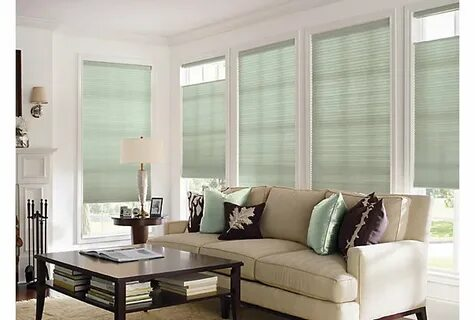
Cellular (Honeycomb) Structure: This is the most effective thermal design. The hexagonal cells create pockets of air that are permanently trapped between the window and the room. This stationary air drastically reduces conductive heat transfer through the fabric and entirely prevents the circulation of large convection currents.
-
Multi-Layered Design: Even non-cellular thermal options use dense, multiple layers of fabric and foam-backing. The goal is to build thickness and create micro-pockets of air, making it far more difficult for heat energy to conduct across the blind's cross-section.
2. Combating Radiation (The Reflective Factor)
Thermal blinds use specialized materials to manage infrared energy flow.
-
Low-E (Low-Emissivity) Coating: High-quality thermal fabrics often feature a silver or metallicized layer. This coating performs a crucial dual role:
-
In Winter: It reflects the radiant heat from your internal heating systems (radiators, fires) back into the room, preventing it from escaping through the glass.
-
In Summer: It reflects solar radiation away from the room, preventing the sun's energy from entering and raising the indoor temperature.
3. The Crucial Role of the Fit
For maximum heat loss control, the installation must be precise—something often overlooked in standard decorative blinds.
-
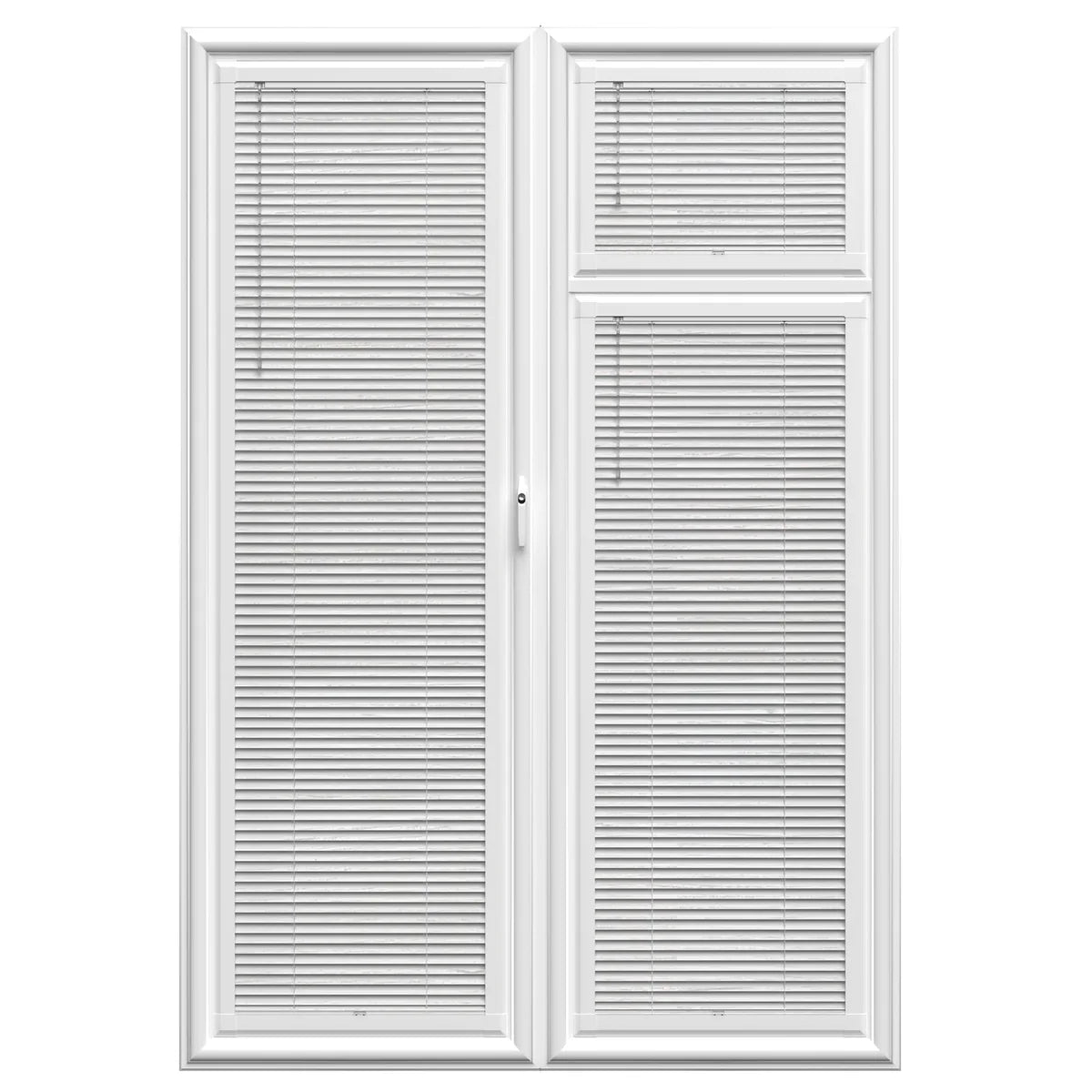
Airtight Fit: Thermal blinds must be installed as close to the window frame as possible. A perfect fit is crucial because any gap allows cold air to enter, completely bypassing the insulating fabric. Systems like Perfect Fit, which clip directly into the frame (found in our No Drill Blinds range), are ideal for thermal performance as they ensure a seamless seal.
Situational Differences: When to Use Which
The choice between standard and thermal depends entirely on the room's function and the homeowner's priority.
|
Feature |
Standard Blind |
Thermal Blind |
|
Primary Goal |
Decoration, Privacy, Light Filtering |
Energy Saving, Insulation, Comfort |
|
R-Value |
Low (Minimal resistance) |
High (Significant resistance) |
|
Construction |
Single-layer fabric, simple mechanism |
Multi-layered, cellular structure, reflective lining |
|
Impact on Bills |
Negligible |
Substantial (potential $15\%-40\%$ window heat loss reduction) |
|
Best For |
Rooms with high existing insulation, low energy priority |
Bedrooms, conservatories, north-facing windows, high-cost living areas |
|
Examples |
Basic fabric roller, non-lined Venetian |
Cellular/Honeycomb, Thermal-backed PVC/Roman |
The Thermal Priority in Specific Rooms
-
Bedrooms: Thermal blinds are superior not just for warmth, but for achieving darkness. The dense, multi-layered fabric required for thermal performance often includes a blackout layer (like our Non-Drill Honeycomb Blinds), which is essential for regulating sleep cycles.
-
High-Moisture Areas: While the material must be non-porous (e.g., PVC or Faux Wood, covered in our Waterproof Blinds range), choosing a thermal version of a waterproof blind offers a critical benefit: it helps keep the window pane warmer, reducing the surface temperature difference that causes excessive condensation in the first place.
Conclusion: An Investment in Efficiency
The difference between a standard blind and a thermal blind is the difference between covering a window and insulating it. Standard blinds are decorative accessories; thermal blinds are energy-efficiency upgrades. By incorporating scientific principles like air-trapping, reflectivity, and precise sealing, thermal blinds actively minimize heat loss, leading to a more comfortable home and demonstrably lower heating and cooling bills. In 2026, choosing thermal is not just a style choice—it's an economic and environmental investment.
Upgrade your home's efficiency. Explore our specialized collection of high-performance Thermal Blinds designed to control heat loss.