Skip to content


 Vertical Blinds
 Roman Blinds
 Roller Blinds
 Venetian Blinds
 Day and Night Blinds
 Skylight Blinds
 Children
 Wooden Blinds
 Curtains
 Blinds Accessories
 White
White Yellow
 Gold
Gold Green
Green Grey
Grey Pink
Pink Orange
 Animal
 Floral
 Geometric
 Striped
 Motorized Day and Night Blinds
 Motorized Roller Blinds
 No Drill Rollers
 Perfect Fit Wooden
 Perfect Fit Metal
 Thermal Blinds
 Better Sleep Blinds
 Cordless Blinds
 No Drill Blinds
 Blackout Blinds
 Waterproof Blinds
 Easy Wipe Blinds
 Taped Blinds
 Conservatory
 Office
 Kitchen
 Bathroom
 Dining Room
 Kids Room
 Living Room
 Bedroom
 Bay Window
 Conservatory Window
 Tild and Turn Window
 Bi Fold Window
 Roof of Skylight
 French Door
 Sliding Door
No Drill Blinds for UPVC Windows: Best Options for UK Renters
- by Mariam Labadze
 UPVC windows are the most common window type in modern UK homes, and they present a specific set of challenges when it comes to fitting blinds. The smooth, hard surface of a UPVC frame does not hold screws well without specialist fixings, and drilling into UPVC frames can affect their structural integrity and your warranty. For renters, drilling into UPVC windows may also be explicitly prohibited by your tenancy agreement. This guide covers the best no-drill blind options for UPVC windows, from perfect fit systems to tension rods and adhesive solutions.
Why UPVC Frames Are Different
UPVC (unplasticised polyvinyl chloride) window frames are hollow-section extrusions with specific wall thicknesses and internal chambers. Drilling into UPVC requires care — conventional wood screws will not grip in hollow UPVC without a specific self-tapping UPVC screw or a cavity anchor. Even with the right screws, the holes left in a UPVC frame are difficult to fill and may affect the weatherproofing of the window.
For renters, this matters particularly because UPVC windows in rented properties are typically covered by the landlord's building warranty, and any unauthorised drilling may be considered damage that the tenant is liable to pay for. Even without a formal warranty concern, the tenancy agreement often explicitly prohibits any modification to the window frames.
Option 1: Perfect Fit Blinds — The Ideal UPVC Solution
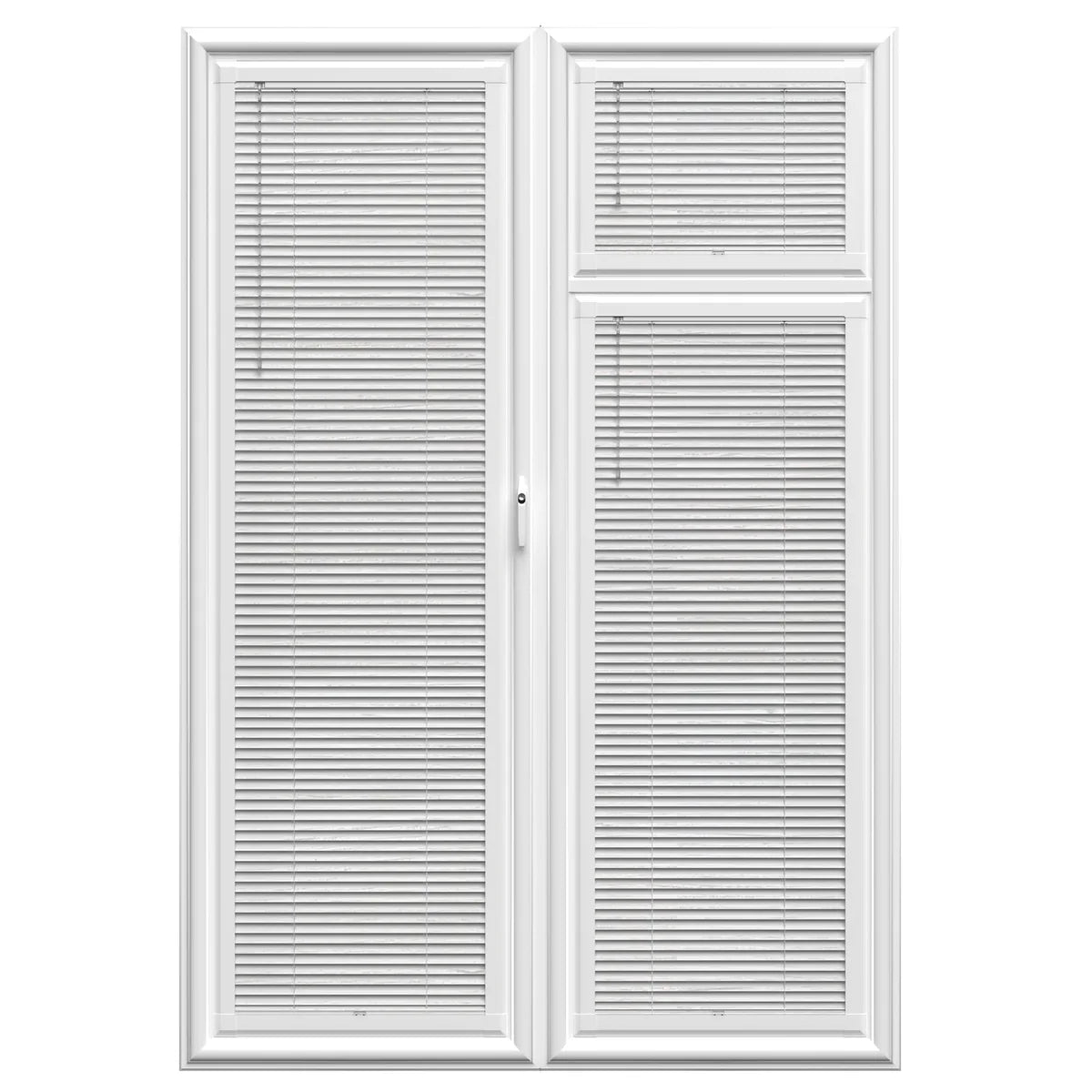
Perfect fit blinds are specifically designed for modern double-glazed UPVC windows. They clip into the rubber gasket that surrounds the sealed glass unit inside the UPVC frame — no drilling, no screws, no adhesive. The blind sits within the window frame and moves with the window when it is opened.
For UPVC windows, perfect fit blinds are almost always the best choice. They are specifically engineered for this window type, they look professional and intentional rather than improvised, and they can be removed just as easily as they are fitted — leaving no mark on the window frame whatsoever.
Perfect fit blinds are available in roller, pleated, venetian, and honeycomb formats, all compatible with standard double-glazed UPVC windows with a rubber gasket. The no-drill blinds range at 1ClickBlinds includes perfect fit options for all standard UPVC window sizes.
Compatibility check: Perfect fit blinds work with UPVC windows that have a rubber gasket (beading) around the glass unit. Before ordering, check that you can see the rubber seal running around the inner perimeter of the glass.
Option 2: Tension Rod Blinds
Tension rod blinds use a spring-loaded horizontal pole that wedges between the two sides of the window recess under spring pressure. No drilling, no adhesive — just the pressure of the spring holding the rod in place. On most UPVC window recesses, a tension rod can support a lightweight blind such as a roller blind in a sheer or light-filtering fabric.
The limitations of tension rods on UPVC windows are width and weight. Tension rods are generally most effective on windows up to around 90 to 100 cm wide. On wider windows, the rod may sag in the middle, causing the blind to hang unevenly. Heavy blackout fabrics are also not ideal for tension rods, as the weight of the blind can cause the rod to slip over time.
Option 3: Adhesive Blind Brackets
Adhesive-mounted blind brackets attach to the surface of the UPVC frame using a strong pressure-sensitive adhesive. They are designed to support lightweight blinds — typically Roman or roller blinds up to a certain width and weight — without any drilling. The main concern with adhesive brackets on UPVC is that UPVC surfaces can be slightly smooth or waxy, which reduces the adhesion strength compared to a painted wall surface.
For best results with adhesive brackets on UPVC, clean the frame surface thoroughly with isopropyl alcohol before applying the bracket, and allow the adhesive to cure for the full recommended time (usually 24 to 72 hours) before hanging the blind. Follow the manufacturer's weight guidelines carefully, as overloading an adhesive bracket is the most common cause of failure.
Option 4: Clip-On Blinds
Clip-on blinds attach to the window via small clips that grip the outer edge of the UPVC frame or the opening flange of the window. They are quick to fit and remove and do not require adhesive or tools. They are generally more limited in width and fabric weight than other no-drill options, and the clip pressure can occasionally mark soft or painted surfaces — though on hard UPVC this is rarely a concern. For lightweight applications such as kitchen privacy blinds or bathroom window coverings, clip-on blinds are a practical no-fuss solution alongside waterproof blinds designed for humid environments.
What About Magnetic Blinds for UPVC?
Magnetic blinds work by attaching to metal surfaces — typically steel window frames found in commercial properties or some older residential properties. Standard UPVC frames are not magnetic, which means conventional magnetic blinds will not work on most residential UPVC windows. Magnetic strip kits are available that allow you to add a magnetic mounting surface to a UPVC frame, but these require the adhesive to bond the strip to the frame — which reintroduces the adhesive adhesion challenge discussed above.
Choosing the Right Fabric for a UPVC Window Blind
For most UPVC window situations, the fabric considerations are the same as for any other window — choose blackout for bedrooms, solar control or day and night for living rooms, and waterproof for bathrooms and kitchens. The no-drill fitting method does not limit your fabric choices with a perfect fit system.
If you are using a tension rod or adhesive bracket, choose a lighter fabric — sheer, light-filtering, or a lightweight dimout — to keep the weight of the blind within the limits of the fitting method. Heavier blackout fabrics are better suited to perfect fit systems where the weight is distributed across the full perimeter of the window frame rather than supported by a single rod or pair of brackets. Explore the complete no-drill blinds range for UPVC-compatible options across all fabric types.