Skip to content


 Vertical Blinds
 Roman Blinds
 Roller Blinds
 Venetian Blinds
 Day and Night Blinds
 Skylight Blinds
 Children
 Wooden Blinds
 Curtains
 Blinds Accessories
 White
White Yellow
 Gold
Gold Green
Green Grey
Grey Pink
Pink Orange
 Animal
 Floral
 Geometric
 Striped
 Motorized Day and Night Blinds
 Motorized Roller Blinds
 No Drill Rollers
 Perfect Fit Wooden
 Perfect Fit Metal
 Thermal Blinds
 Better Sleep Blinds
 Cordless Blinds
 No Drill Blinds
 Blackout Blinds
 Waterproof Blinds
 Easy Wipe Blinds
 Taped Blinds
 Conservatory
 Office
 Kitchen
 Bathroom
 Dining Room
 Kids Room
 Living Room
 Bedroom
 Bay Window
 Conservatory Window
 Tild and Turn Window
 Bi Fold Window
 Roof of Skylight
 French Door
 Sliding Door
No-Drill Blinds vs. Perfect Fit: Which Quick-Install Solution is Best for You?
- by Mariam Labadze
The demand for hassle-free home improvements has never been higher. For modern homeowners and, crucially, renters, the traditional method of installing window treatments—which involves drills, plugs, and permanent damage—is rapidly becoming outdated. The market has responded with two primary categories of damage-free solutions: No-Drill Blinds (a broad category) and Perfect Fit Blinds (a specific type of No-Drill solution).
While both options promise a quick, tool-free installation, they utilise fundamentally different mechanisms, offer varying levels of performance, and are compatible with different window types. Choosing the wrong one can lead to frustration, compromised light control, and wasted money.
This comprehensive 2026 guide provides a deep comparison of No-Drill systems and Perfect Fit technology. We break down the differences in installation, aesthetics, cost, and functionality to help you select the ideal quick-install solution for your specific needs, focusing on durability and seamless integration.
Find your damage-free solution today by exploring our full range: No Drill Blinds.
Understanding the Terminology
The term No-Drill Blinds is an umbrella category covering any system that doesn't require permanent fixings to the wall or window frame. This includes:
-
Tension Rod Blinds
-
Adhesive (Sticky-Fix) Blinds
-
Magnetic Blinds
-
Perfect Fit Blinds
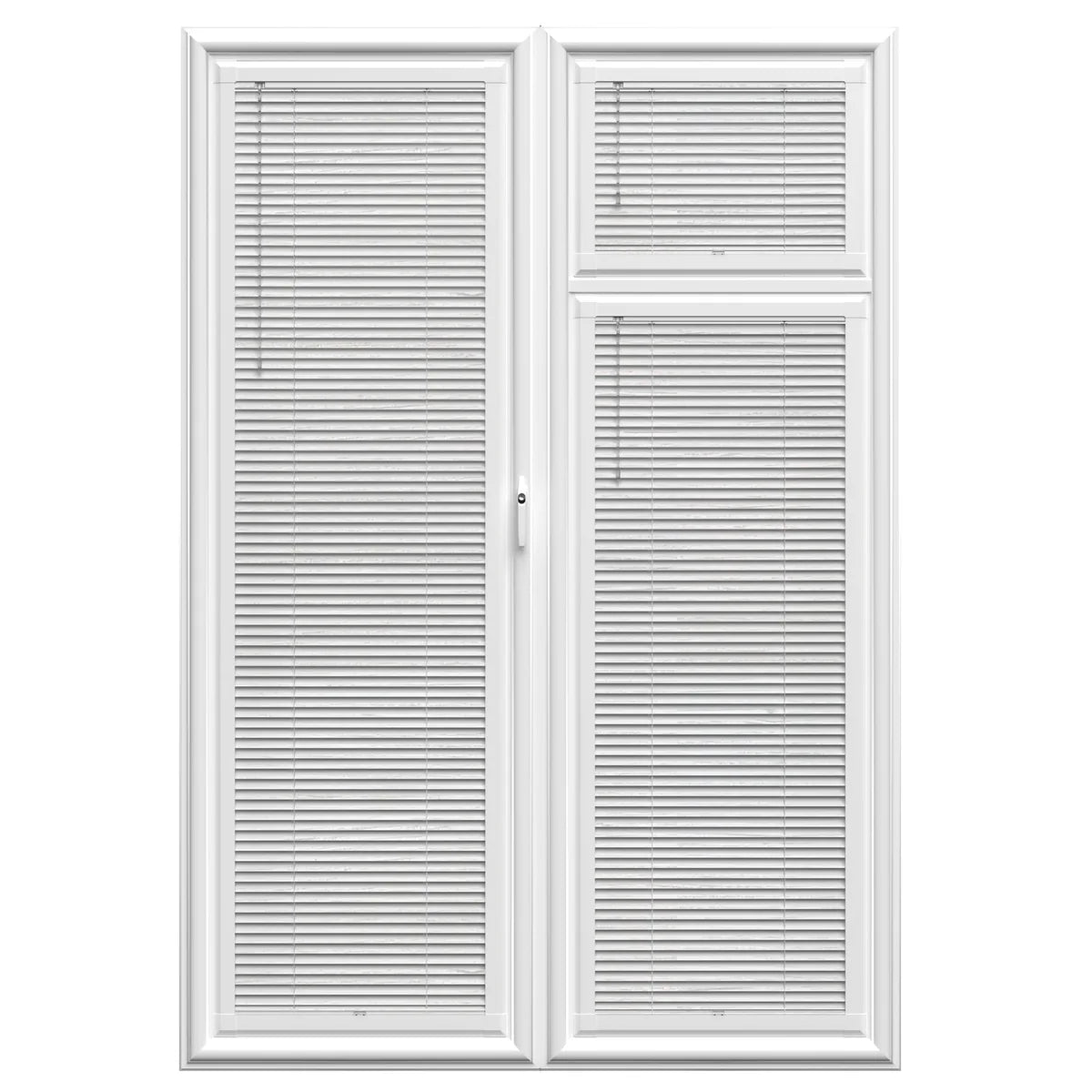
Perfect Fit Blinds, therefore, are a specific, premium type of no-drill solution. They are distinguished by their use of an independent frame that integrates with the window's rubber beading.
Installation Showdown: Mechanism and Compatibility
The primary difference between the general no-drill category and Perfect Fit lies in how they secure themselves to the window.
Perfect Fit Installation: The Seamless Clip System
Perfect Fit blinds use specially designed brackets that slide between the glass pane and the rubber bead/seal of the window frame. The blind unit, encased in its own surrounding frame, then clips directly onto these brackets.
|
Feature |
Perfect Fit Advantage |
Compatibility |
|
Mechanism |
Integrated brackets clip into the rubber seal. |
Exclusively uPVC (plastic) windows and doors with an accessible rubber seal. |
|
Installation Time |
Fastest method: Typically less than 2 minutes per blind. |
Excellent for French doors, conservatories, and tilt-and-turn windows. |
General No-Drill Installation: Tension, Adhesion, or Magnetism
The broader category of No-Drill blinds relies on friction, pressure, or temporary adhesion.
-
Tension Rods: Use spring-loaded pressure to hold the blind rod between the window recess walls.
-
Compatibility: Any recess where sufficient pressure can be applied. Best for smaller windows.
-
Adhesive (Sticky-Fix): Brackets attach via strong adhesive strips to the top of the window frame.
-
Compatibility: Most frame materials (uPVC, wood, metal) provided the surface is clean and flat.
-
Magnetic: Uses strong magnets to secure the blind to a metal door or frame.
-
Compatibility: Only suitable for metal surfaces (e.g., steel doors).
Performance and Aesthetics: A Critical Comparison
While all these solutions avoid the drill, their functional performance and visual impact differ significantly.
Light Control and Thermal Efficiency
The ability to control light and temperature hinges on how tightly the blind fits the window.
-
Perfect Fit: Unbeatable. Because the system sits flush within the frame, it eliminates the gaps found at the edges of most standard blinds. This provides superior light blockage (essential for Non-Drill Honeycomb Blackout Blinds) and maximises thermal performance. The tight seal helps your Thermal Blinds work optimally.
-
General No-Drill: Functional, but less precise. Tension rods and adhesive blinds often leave small gaps around the edges, which can lead to light bleed and convection currents (heat loss/gain).
Integration and Movement
-
Perfect Fit: The blind moves with the window. This is the key advantage for tilt-and-turn windows, French doors, and patio doors. When the door is opened, the blind remains securely fixed and flat against the glass, preventing it from dangling or swinging.
-
General No-Drill: These blinds are fixed to the window recess or frame. If the window opens inward (tilt-and-turn), the blind may interfere with the opening mechanism or swing freely.
Durability in High-Moisture Areas
Durability depends on the material, but the fixing method also matters in humid areas.
-
Perfect Fit: Ideal for Waterproof Blinds (Faux Wood or PVC). The clean fit prevents moisture from collecting behind the fabric and against the walls.
-
Adhesive: High humidity can weaken the adhesive strip over time, potentially causing the blind to fall. Not recommended for constantly steamy bathrooms unless the adhesive is extremely high-grade.
Cost and Longevity: Which is the Smarter Investment?
Cost Factor
-
Perfect Fit: Generally, the most premium and expensive option in the no-drill category. The specialised components (the clip-on frame) require precision manufacturing.
-
General No-Drill: Often the most budget-friendly entry point. Simple tension rods or basic adhesive systems offer an economical, temporary solution.
Longevity and Maintenance
If properly fitted, Perfect Fit blinds offer the best longevity and ease of maintenance. The frame protects the edges of the fabric and the mechanism is enclosed. If you need to clean the window glass, the entire unit can be unclipped and reclipped repeatedly without degradation.
General no-drill solutions, particularly adhesive ones, are often viewed as more temporary solutions. If removed and reattached, the adhesive loses strength.
Making Your Decision: A Quick Checklist
Use this checklist to determine which No-Drill solution is right for you:
|
Situation |
Recommended Solution |
Justification |
|
You live in a rented property with uPVC windows. |
Perfect Fit |
Zero damage guarantee and best deposit protection. |
|
You need 100% Blackout (Bedroom). |
Perfect Fit |
Eliminates light bleed gaps around the edges. |
|
You have French Doors or Tilt-and-Turn windows. |
Perfect Fit |
Blinds move seamlessly with the door/window. |
|
You have wooden or non-uPVC frames. |
Tension Rod or Adhesive |
Perfect Fit is not compatible with these frame types. |
|
You need a temporary, low-cost solution. |
Tension Rod or Adhesive |
More budget-friendly for short-term use. |
|
You are installing a moisture-resistant Roller Blind in a bathroom. |
Perfect Fit |
Provides a secure, tight seal against humidity and condensation. |
In 2026, the Perfect Fit system continues to offer the pinnacle of no-drill performance, seamlessly blending function, high thermal efficiency, and damage-free convenience for uPVC windows. However, for non-uPVC frames or budget-conscious projects, other No-Drill Blinds provide excellent, viable alternatives. The key is matching the mechanism to your window type and performance expectations.
Ready to find the perfect fit (or the perfect no-drill alternative)? Explore our full collection of No Drill Blinds and upgrade your home today.