 Skip to content


 Vertical Blinds
 Roman Blinds
 Roller Blinds
 Venetian Blinds
 Day and Night Blinds
 Skylight Blinds
 Children
 Wooden Blinds
 Curtains
 Blinds Accessories
 White
White Yellow
 Gold
Gold Green
Green Grey
Grey Pink
Pink Orange
 Animal
 Floral
 Geometric
 Striped
 Motorized Day and Night Blinds
 Motorized Roller Blinds
 No Drill Rollers
 Perfect Fit Wooden
 Perfect Fit Metal
 Thermal Blinds
 Better Sleep Blinds
 Cordless Blinds
 No Drill Blinds
 Blackout Blinds
 Waterproof Blinds
 Easy Wipe Blinds
 Taped Blinds
 Conservatory
 Office
 Kitchen
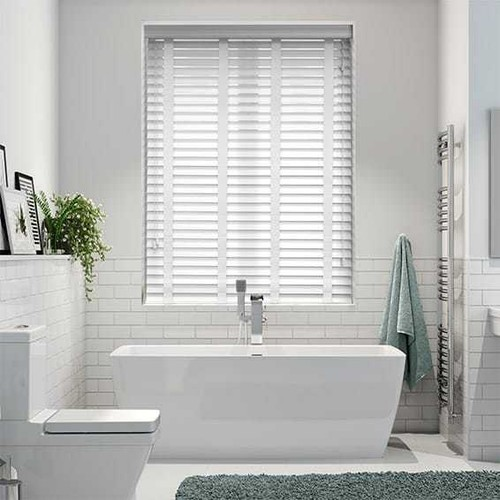 Bathroom
 Dining Room
 Kids Room
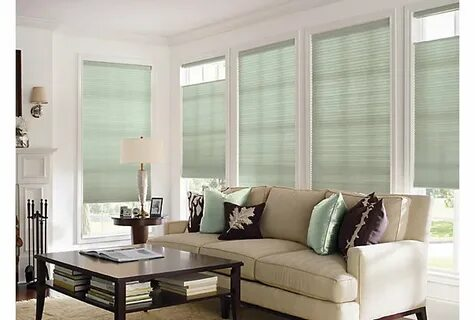 Living Room
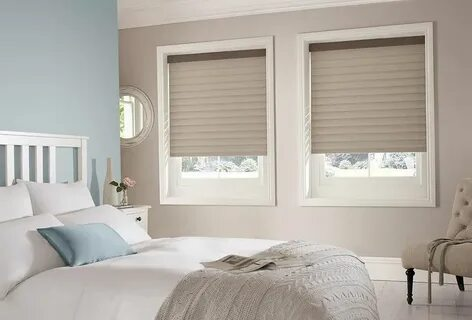 Bedroom
 Bay Window
 Conservatory Window
 Tild and Turn Window
 Bi Fold Window
 Roof of Skylight
 French Door
 Sliding Door
Perfect Fit Shutters: Everything You Need to Know (2026)
- by Mariam Labadze
 Shutters occupy a specific position in the UK window treatment market — they're the option that consistently tops style preference surveys, commands the highest price point, and until relatively recently was available only to homeowners prepared to commit to a permanent, professionally fitted installation. For anyone renting, or for anyone with UPVC windows who'd been warned against drilling into the frames, shutters were simply off the table.
Perfect fit shutters changed that. The same clip-frame technology that brought perfect fit blinds to UPVC windows has been applied to shutter panels, producing a format that installs without screws, sits flush within the window frame, and can be removed and taken with you when you leave. The result is a product that brings the aesthetic and functional qualities of traditional shutters to windows and households that the conventional shutter market couldn't serve.
This guide covers everything: how perfect fit shutters work, what distinguishes them from traditional shutters, which rooms they suit, how to measure and fit them, and an honest assessment of where the format has limitations.
[toc]
What Are Perfect Fit Shutters?
Perfect fit shutters are rigid shutter panels — typically constructed from PVC, ABS, or composite materials — mounted within a lightweight outer frame that clips directly into the glazing bead of a UPVC or aluminium window. The shutter panel fills the window opening edge to edge, with adjustable louvres running horizontally across the panel that tilt to control light and privacy.
The defining characteristic is the mounting method. Where traditional shutters fix to the window frame, reveal, or surrounding wall using hinges and screws, perfect fit shutters attach to the glazing bead — the inner channel of the UPVC frame that holds the sealed glass unit — using the same clip system used in perfect fit blind installations. No drilling, no permanent fixings, no alteration to the window or surrounding surfaces.
The panel is fixed rather than hinged for opening — it stays in the frame at all times and is not designed to swing away from the window. Light and privacy control is managed entirely through the louvre tilt. For access to the window for cleaning or opening, the entire panel clips out of the frame in the same way that a perfect fit blind does.
How They Differ From Traditional Shutters
Understanding the distinction matters because the two products share a name and an aesthetic but are fundamentally different in terms of installation, cost, portability, and the situations they suit.
Installation Method
Traditional shutters require a professional fitting appointment. The process involves measuring the window reveal precisely, manufacturing panels to those specific dimensions, and fixing hinges to the frame or reveal with screws. The installation is permanent in the sense that removing the shutters leaves visible fixing points that need to be filled and painted.
Perfect fit shutters install in the same way as any perfect fit product — clips pressed into the glazing bead, outer frame seated, panel inserted. The process takes minutes rather than hours and requires no professional involvement. Removal is equally simple and leaves no trace on the window or reveal.
Cost
Traditional shutters are among the most expensive window treatments available in the UK market. A professionally fitted plantation shutter installation for a standard house — five or six windows — can easily reach four figures. The cost reflects the bespoke manufacture, the professional fitting time, and the quality of the timber or composite used.
Perfect fit shutters sit at the premium end of the perfect fit range but at a fraction of traditional shutter prices. The manufacturing process is less bespoke — the clip frame system accommodates a range of standard and near-standard window sizes — and there are no fitting costs.
Portability
Traditional shutters are a home improvement. They are manufactured for a specific window in a specific property and stay with that property when you leave. Their cost is, in part, an investment in the property itself.
Perfect fit shutters are a purchase you own and take with you. If you move to a property with windows of compatible dimensions — and with UPVC being the dominant UK frame type, this is more likely than it might seem — the shutters reinstall in the new property. For renters, this transforms shutters from an impossible aspiration into a practical investment.
Louvre Operation
Traditional plantation shutters have hinged panels that open away from the window like a door, giving full, unobstructed access to the glass for cleaning and ventilation. The louvres tilt within the panel for light control.
Perfect fit shutter panels are fixed in the frame and do not open. The louvres tilt for light control, and the entire panel clips out for window access. This is a functional difference rather than a deficiency — for most daily use the louvre tilt is all that's needed, and the clip-out process is straightforward — but it's worth understanding before purchase.
Compatible Window Types
UPVC Casement Windows
The primary application. Standard UPVC casement windows in any of the common configurations — single-opening, double-opening, top-hung — are compatible with the perfect fit clip system. The glazing bead profile on UPVC casements is broadly standardised across UK manufacturers, and most perfect fit shutter systems are designed around this standard.
Tilt-and-Turn Windows
Compatible, with the same functional advantage that applies to all perfect fit products on tilt-and-turn windows. The shutter panel clips to the opening sash and tilts with it when the window is engaged in ventilation mode. Louvres can be partially open while the window is tilted, combining airflow and privacy — which is exactly the combination that makes tilt-and-turn windows useful and that wall-mounted treatments prevent.
UPVC Sash Windows
Compatible on the lower sash in most cases, with the panel fitted to the opening sash only. The profile of some UPVC sash windows has a narrower bead channel than standard casements — confirm compatibility with the supplier before ordering if you have this window type.
Aluminium Frame Windows
Generally compatible, depending on the specific frame profile. Aluminium frames used in contemporary extensions, commercial conversions, and high-specification new builds typically have a glazing bead that the standard clip system engages with. Confirm with the supplier — most will ask for photographs of the frame profile if compatibility is uncertain.
Timber and Steel Frames
Original timber sash windows, Crittall steel frames, and other non-UPVC systems are not compatible with the standard perfect fit clip system. The glazing bead profile is different from — or absent in — these frame types. For these windows, alternative mounting approaches exist but fall outside the perfect fit format.
Materials and Construction
PVC and ABS Composite
The most common materials for perfect fit shutter panels. Both are moisture-resistant, dimensionally stable under temperature variation, and significantly lighter than timber — which matters for the clip-frame mounting system, which has load limits that real wood can exceed in wider formats.
PVC and ABS shutters are available in a range of white and off-white finishes, typically with a painted or foiled surface that replicates the appearance of painted timber at close range. They won't warp in humid conditions — relevant for bathrooms and kitchens — and don't require periodic repainting or refinishing.
Composite Wood
Some perfect fit shutter ranges offer a composite construction that uses a wood-based core with a protective outer layer. This sits between pure PVC and real timber in terms of weight and cost. The appearance more closely resembles timber grain and takes colour more readily than PVC, which makes it worth considering for rooms where the visual authenticity of the material matters.
Real Timber
Real timber perfect fit shutters are available in some ranges but are less common, partly because of weight constraints and partly because the moisture and temperature sensitivity of natural wood is a disadvantage in the situations — bathrooms, conservatories, kitchens — where no-drill shutters are most frequently chosen. Where timber perfect fit shutters are available, they suit period-style interiors where the material character of natural wood contributes to the room's aesthetic in a way that PVC doesn't replicate.
Louvre Sizes and What They Mean
The louvre is the horizontal slat that tilts to control light and privacy. The width of the louvre changes both the visual character of the shutter and its practical light-management properties.
47mm Louvres
The narrowest standard option. More louvres per panel, finer horizontal lines, a more traditional plantation shutter appearance. Suited to smaller windows where the proportionally narrower slat doesn't create an overly busy pattern, and to rooms with a heritage or period character where the finer detailing reads as appropriate.
64mm Louvres
The mid-range option and the most widely used. Balances the traditional shutter aesthetic with a contemporary sensibility — bold enough to register clearly without dominating the window. This is the safe choice for most UK domestic interiors and the format that photographs most effectively.
76mm and 89mm Louvres
Wider louvres for larger windows and more contemporary room schemes. When open, they admit more light per slat and create a cleaner, less textured appearance than narrower options. When tilted to a privacy angle, the overlap between adjacent slats is greater, which improves the privacy performance at partial-open positions. For large UPVC casements in open-plan living spaces, wider louvres suit the scale of the opening better than narrow slats.
Light and Privacy Control
This is where shutters — including perfect fit shutters — genuinely outperform most other window treatment formats, and it's worth understanding why rather than just accepting the claim.
The Partial-Open Position
A roller blind is raised or lowered. A Venetian slat tilts. Both offer useful middle positions, but neither provides the specific quality that a shutter louvre delivers at a partially open angle: a view-in barrier at eye level combined with open sky above.
When shutter louvres are angled with the front edge tilting upward, they intercept the direct line of sight from street level while leaving the upper portion of the window effectively open to daylight and the view outward. The person inside can see the sky and upper foliage through the upper portion of the window. The person outside cannot see in at sitting or standing height. This is a specific spatial effect that perfect fit shutters share with traditional shutters and that other blind formats don't quite replicate.
Full Closed Position
With louvres fully closed, adjacent slats overlap to create a near-continuous surface across the panel. Light reduction in this position is substantial — not the complete blackout of a dedicated blackout roller blind or honeycomb blackout blind, but meaningful darkness for daytime privacy and reasonable dimming for sleep.
For bedrooms where complete blackout is a priority, shutters alone may not be sufficient. The combination of a perfect fit shutter panel with a separate blackout roller or honeycomb blind within the same frame is possible in some configurations — or a blackout roller blind used in conjunction with shutters in a layered window treatment approach.
Full Open Position
Louvres fully horizontal allow essentially unobstructed light transmission — the slat material intercepts some light but the overall effect is close to an uncovered window. In rooms where natural light is the dominant priority during certain parts of the day, the fully open position is the normal daytime setting and the louvres are adjusted only when direct sun or privacy become relevant.
Room by Room: Where Perfect Fit Shutters Work Best
Living Rooms
The strongest domestic application. A living room with UPVC casement windows, particularly street-facing windows in a terrace or semi-detached property, benefits from the specific privacy quality of shutters — the ability to manage ground-floor visibility without sacrificing daylight. The partial-open louvre position that deflects the view from the pavement while admitting light from above is practically useful here in a way that is difficult to achieve with any other window treatment format.
Aesthetically, shutters contribute a sense of architectural solidity to a living room that fabric treatments don't. The panel fills the frame with a material presence — clean lines, consistent white or off-white finish — that suits both period rooms and contemporary interiors depending on the louvre width chosen.
Kitchens
A strong application for practical reasons. PVC and composite shutter panels are moisture-resistant and wipe clean — the same practical advantages that make aluminium Venetian blinds the kitchen blind of choice apply equally to shutters. The louvre tilt gives granular light control at the window above the sink or worktop, and the edge-to-edge perfect fit coverage eliminates the gap between blind and frame where condensation typically accumulates on fabric alternatives.
For kitchens with tilt-and-turn windows — common in newer UK builds where the window above the sink needs to open for ventilation — the perfect fit shutter panel tilts with the window, allowing ventilation mode without removing the shutter or losing privacy.
Bathrooms
Another strong application. Moisture-resistant PVC shutters handle bathroom humidity conditions that degrade fabric blinds over time. The privacy management of shutters is well-suited to bathrooms — louvres angled to admit light while preventing views through the frosted or clear glass from adjacent buildings or the street.
For smaller bathroom windows, perfect fit shutters in the standard clip-frame format are among the cleanest-looking window treatments available. The solid panel within the frame, without visible fixings or operating cords at the sides, produces a very finished appearance in a room where neatness and cleanliness read as particularly important.
Bedrooms
A workable application with one caveat. Shutters provide good privacy and partial light reduction but are not a blackout solution in the strict sense. For rooms where morning light is the primary sleep disruption — east-facing windows in summer, rooms with no natural shade from trees or adjacent buildings — shutters alone may not provide sufficient darkness.
The solution used by most homeowners who want shutters in bedrooms is a layered approach: a perfect fit honeycomb blackout blind within the frame providing blackout performance, with curtains or shutters adding the aesthetic layer and additional privacy. The shutter or curtain is the visual feature of the window; the blackout blind is the functional layer deployed specifically for sleep.
Conservatories
A strong application with a practical note. Conservatories with UPVC or aluminium frames are compatible with the perfect fit clip system, and the no-drill installation is particularly appropriate for conservatory glazing where drilling creates weatherproofing risks. The louvre system manages solar gain in summer — a dominant problem in south-facing conservatories — better than most roller blind formats, because the partial-open tilt position admits diffused light while deflecting direct sun.
The practical note is thermal performance. Shutters provide some insulation through the air gap created between the glass and the shutter panel, but they are not the thermal performance equivalent of a honeycomb cellular blind in the same position. For conservatories where winter heat retention is as much a concern as summer cooling, a thermal blind option outperforms shutters on that specific metric.
Perfect Fit Shutters for Renters: The Practical Detail
The portability of perfect fit shutters makes them the first genuine shutter option that makes financial sense for renters, but it's worth working through the practical detail rather than assuming it's straightforward.
Deposit Position
The clip system engages with the glazing bead without penetrating or altering it. When removed, the bead returns to its original condition — no holes, no residue, no surface damage. From a deposit protection standpoint, correctly fitted and removed perfect fit shutters create no liability.
It's worth having a brief conversation with your landlord before fitting rather than after. Not because the legal position is unclear, but because some landlords have concerns based on unfamiliarity with the product. Showing them how the clip system works — or directing them to a product explanation — typically resolves any hesitation. Many landlords, once they understand the no-damage mechanism, are actively supportive because well-dressed windows retain tenants and photograph better for re-letting.
Moving With Your Shutters
Perfect fit shutters will transfer to a new property if the internal frame dimensions of the new windows match. UPVC glazing bead profiles are broadly standardised but not universally identical — there are enough variations between manufacturers and installation dates that compatibility cannot be assumed.
Before moving, photograph or note the internal frame dimensions of your current windows. At the new property, measure the equivalent dimensions before assuming the shutters will fit. If the dimensions are close but not identical, some perfect fit systems accommodate a range of frame sizes through adjustable clip positioning — check with the supplier whether this applies to your product.
Insurance
Shutters that you've fitted yourself in a rented property are your personal possessions and should be included in your contents insurance, not the building's insurance. Most home contents policies cover items of this type under general contents, but it's worth confirming the position with your insurer if the shutters represent a significant value.
How to Measure for Perfect Fit Shutters
The measurement process for perfect fit shutters follows the same principles as measuring for any perfect fit product — you are measuring the internal dimensions of the window frame rather than the window's external dimensions or the reveal.
Measuring Width
Measure the internal width of the window frame at three heights — near the top of the glazed area, at the midpoint, and near the bottom. Use the smallest of the three measurements. This is the width dimension your perfect fit frame needs to cover.
Do not measure across the external face of the window frame or across the window reveal. The measurement you need is the clear internal dimension between the inner edges of the glazing bead on each side.
Measuring Drop
Measure the internal height of the window frame at three positions — left, centre, and right. Use the smallest of the three measurements. For tilt-and-turn windows, measure the opening sash only — from the top of the lower sash to the bottom — not the full window including any fixed surrounding frame.
Ordering
Most perfect fit shutter systems are ordered to the internal frame dimensions. The supplier's system accounts for the outer frame's own dimensions in the manufacturing specification — the panel and frame assembly is sized so that the clip frame fits within the glazing bead channel without the customer needing to calculate the offset.
Confirm the ordering convention with your supplier before placing the order. Some systems quote the internal glazed area dimension; others quote the nominal blind size which corresponds to the frame opening. They are not the same number, and ordering to the wrong dimension is the most common measurement error.
Installation: Step by Step
What You Need
The shutter panel and outer frame assembly, the clips provided with the product, and no tools. Some suppliers include a clip release tool — a small flat-head instrument for removing the clips cleanly. A coin serves the same purpose.
Step One: Prepare the Frame
Wipe the glazing bead with a clean, dry cloth. Any dust, grease, or paint residue in the bead channel will reduce clip grip. For windows that have been repainted at any point, check the bead channel is clear along its full length — paint build-up in the channel can prevent clips from seating correctly.
Step Two: Attach Clips to the Outer Frame
The clips are pre-positioned on the outer frame by the manufacturer in most systems. Do not reposition them — the clip spacing is calculated for the frame dimensions and moving clips affects the load distribution. Confirm the clip positions are correct and that all clips are properly engaged with the frame before inserting into the window.
Step Three: Insert the Frame
Hold the outer frame at a slight angle and position the top edge into the bead channel first. Work along the top, pressing each clip firmly into the bead until you feel the positive locking action — a clear resistance and then a click or firm stop as the clip engages. Then work down the sides and along the bottom in sequence.
Apply even pressure across the full length of each side rather than trying to force individual clip positions. For wider windows, a second person holding the frame in position while the clips are seated makes the process significantly easier.
Step Four: Fit the Shutter Panel
With the outer frame in position, the shutter panel clips or slots into it. The exact mechanism varies by product — some panels slide in from the top, others clip in from the front. Follow the manufacturer's sequence precisely, as forcing the panel into position incorrectly is the most common cause of clip damage during installation.
Step Five: Check Louvre Operation
Once the panel is seated, operate the louvres through their full tilt range. They should move smoothly from fully open to fully closed in both directions without binding or sticking. If any louvre is stiff, check that the panel is fully seated in the frame — partial seating can apply lateral pressure to the louvre mechanism.
Cleaning and Maintenance
Routine Cleaning
The louvre surfaces wipe clean with a damp cloth. For routine dust removal, a dry microfibre cloth or a feather duster run along each louvre is sufficient. For more thorough cleaning — in kitchens or bathrooms where grease or soap residue accumulates — a mild detergent solution on a damp cloth cleans the PVC or composite surface without damage.
Do not use abrasive cleaners, solvent-based products, or bleach on PVC shutter panels. These will damage the surface finish over time and may affect the colour stability of the material.
Deep Cleaning
For a thorough clean, the shutter panel can be clipped out of the frame and cleaned flat — which makes reaching the full surface of each louvre considerably easier than cleaning in position. The panel is typically light enough to be manageable by one person. Rinse with clean water, allow to dry fully, and refit.
Louvre Mechanism
The pivot mechanism that operates the louvres requires no lubrication in normal use. If a louvre becomes stiff or difficult to tilt, a small amount of silicone-based lubricant applied to the pivot point resolves the issue without attracting dust — avoid oil-based lubricants, which accumulate dust over time.
Common Questions
Can I fit them on Bay Windows?
Yes. Each section of a bay window is treated as an individual window — measure each section separately and order a panel for each. In a standard three-section bay, you will typically need three panels: a wider centre panel and two narrower return panels. Measure each section independently even if they appear symmetrical, as bay window sections often differ by a few millimetres.
What Louvre Size Should I Choose?
For most UK domestic windows in average-sized rooms, 64mm is the most versatile choice. For smaller windows or rooms with a heritage character, 47mm. For large casements in contemporary spaces, 76mm or 89mm. If in doubt, most suppliers can provide physical samples of different louvre widths — worth requesting before ordering if the decision is uncertain.
Can They Be Painted or Refinished?
PVC shutters can be painted with a suitable plastic primer and paint, but it is not generally recommended by manufacturers and voids most product warranties. The factory finish on quality products is durable enough that repainting should not be necessary within a normal product lifespan. If colour is a priority, order in the desired finish rather than planning to paint.
Do They Provide Any Insulation?
Some, but not at the level of a dedicated thermal blind. The air gap between the glass and the closed shutter panel provides a degree of insulation — the precise value depends on the panel thickness, louvre material, and the gap dimension. For rooms where thermal performance is a primary consideration alongside aesthetics, a perfect fit honeycomb blind within the same frame will outperform shutters on thermal metrics.
How Long Do They Last?
Quality PVC and composite shutter panels are designed to last fifteen to twenty years under normal domestic conditions. The louvre mechanism — which is operated daily — is the most likely component to show wear over time. Replacement louvres are available for most quality systems, which extends the effective lifespan beyond the initial product warranty period.
Price Guide for 2026
Perfect fit shutters sit at the premium end of the perfect fit product range, reflecting the more complex panel construction and the higher material cost compared to blind formats. As a general guide for standard UPVC casement window sizes in the UK market:
Single panel perfect fit shutters in PVC or ABS composite for a standard casement window typically range from £80 to £180 depending on width, louvre size, and material quality. Wider windows or premium composite materials with wood-effect finishes sit at the higher end. The price per window is significantly less than traditional plantation shutters, where the same window might cost £300 to £600 or more including professional fitting.
For a standard three-bedroom semi-detached house with eight to ten windows, a full-house perfect fit shutter installation is approximately £700 to £1,500 in product cost — compared to £3,000 to £6,000 or more for an equivalent traditional shutter installation. The saving is substantial, and for renters the portability dimension means the comparison is even more favourable.
Perfect Fit Shutters vs the Alternatives
vs. Traditional Plantation Shutters
Traditional shutters produce a marginally more refined aesthetic — the panel proportions, the hinge detailing, and the quality of timber available in high-end traditional systems are features that perfect fit products don't quite match. The operational difference — hinged panels that swing open versus clip-out removal — is real but irrelevant for most daily use.
The comparison on cost and flexibility is decisive for most buyers. Unless permanence and the finest possible finish are both priorities, perfect fit shutters deliver ninety percent of the aesthetic and functional benefit at a fraction of the cost, without drilling, and with full portability.
vs. Perfect Fit Roller Blinds
Perfect fit roller blinds are considerably cheaper and provide better blackout performance in dedicated blackout fabrics. Shutters provide better privacy management at partial-open positions and a stronger aesthetic contribution in rooms where the window treatment is a design feature rather than a background element. For bedrooms where blackout performance is the priority, roller or honeycomb wins. For living rooms and kitchens where aesthetic quality and privacy management are the priority, shutters are the more considered choice.
vs. Perfect Fit Venetian Blinds
Perfect fit Venetian blinds and perfect fit shutters perform a similar function — horizontal louvre tilting for light and privacy control — at different price points and with different aesthetics. Venetians suit functional rooms where the wipe-clean aluminium slat is a practical advantage. Shutters suit rooms where the visual quality of the window treatment contributes to the room's character. In kitchens and bathrooms, the cost difference favours Venetians. In living rooms and hallways, the aesthetic difference favours shutters.
Summary: Are Perfect Fit Shutters Right for You?
The case for perfect fit shutters is strongest in three specific situations.
The first is renters with UPVC windows who want the shutter aesthetic without the permanent installation commitment. For this group, perfect fit shutters are the only format that makes financial sense — portable, deposit-safe, and significantly less expensive than traditional alternatives.
The second is homeowners with UPVC windows who want shutters but are reluctant to drill into the frames or commit to a professional fitting appointment. The perfect fit format delivers the same appearance with none of the installation friction.
The third is any room — owned or rented — where the specific privacy quality of louvre-controlled light management is the priority and the budget comfortably covers the premium over blind alternatives.
Where the case is weaker: complete blackout bedrooms, where a dedicated blackout honeycomb blind outperforms shutters on the metric that matters most. Very large windows, where panel weight and clip-system load limits may constrain the available options. Timber or steel frame windows, which are not compatible with the standard clip system.
For the majority of UK UPVC-windowed homes, perfect fit shutters represent something that the window treatment market hadn't previously offered at this price point: the aesthetic of a premium window covering, the practicality of a no-drill installation, and the flexibility of a product you genuinely own and can take with you.



)