 Skip to content


 Vertical Blinds
 Roman Blinds
 Roller Blinds
 Venetian Blinds
 Day and Night Blinds
 Skylight Blinds
 Children
 Wooden Blinds
 Curtains
 Blinds Accessories
 White
White Yellow
 Gold
Gold Green
Green Grey
Grey Pink
Pink Orange
 Animal
 Floral
 Geometric
 Striped
 Motorized Day and Night Blinds
 Motorized Roller Blinds
 No Drill Rollers
 Perfect Fit Wooden
 Perfect Fit Metal
 Thermal Blinds
 Better Sleep Blinds
 Cordless Blinds
 No Drill Blinds
 Blackout Blinds
 Waterproof Blinds
 Easy Wipe Blinds
 Taped Blinds
 Conservatory
 Office
 Kitchen
 Bathroom
 Dining Room
 Kids Room
 Living Room
 Bedroom
 Bay Window
 Conservatory Window
 Tild and Turn Window
 Bi Fold Window
 Roof of Skylight
 French Door
 Sliding Door
Perfect Fit Blinds: Complete Guide for UK Homes (2026)
- by Mariam Labadze

Perfect fit blinds have become one of the most searched window treatment terms in the UK, and the reasons are straightforward once you understand how they work. They solve a problem that conventional blinds have never adequately addressed — the gap between the blind and the window frame — and they do it in a way that requires no drilling, no wall fixings, and no permanent alteration to the property.
This guide covers everything: how perfect fit blinds work, which styles are available, how to measure correctly, what they cost, and which situations they suit best. By the end, you'll know whether they're the right choice for your windows and exactly what to look for when buying.
[toc]
What Are Perfect Fit Blinds?
Perfect fit blinds are a window covering system where a lightweight outer frame clips directly into the glazing bead of a UPVC or aluminium window frame. The blind mechanism — roller, pleated, Venetian, or honeycomb — sits within this outer frame rather than being mounted to the wall or window reveal.
The name refers to the fit itself: the blind occupies the frame edge to edge, with no gap at the sides, top, or bottom. There are no visible brackets, no wall fixings, and no space between the blind and the glass where light can enter around the edges.
Installation requires no tools and no drilling. The clips press into the inner channel of the UPVC frame and lock in place. Removal is equally simple, which makes perfect fit blinds a practical choice for renters and homeowners alike — you fit them in minutes and take them with you when you leave.
How the Clip System Works
The glazing bead is the inner edge of a UPVC or aluminium window frame — the channel that holds the sealed glass unit in place. It runs around the full perimeter of the window opening and has a consistent profile that is broadly standardised across most UK window manufacturers.
Perfect fit clips are designed to engage with this profile. Each clip has a spring-loaded or push-lock mechanism that grips the bead firmly when pressed into position. Once engaged, the clip holds the outer frame securely — firmly enough to support the weight of the blind and to remain in position through normal window operation, including repeated opening and closing.
The outer frame, once clipped to all four sides of the window, provides the housing for the blind mechanism. On roller formats, the tube sits in end brackets on the frame. On pleated and honeycomb formats, the headrail slides into a channel at the top of the frame. On Venetian formats, the headrail clips into position at the top with the bottom rail sitting in a complementary channel below.
The result is a system that behaves identically to a conventionally drilled blind in daily use — raise it, lower it, tilt it — while being entirely attached to the window frame rather than the surrounding wall.
Which Windows Are Compatible?
UPVC Casement Windows
The most common application and the window type that perfect fit blinds were designed for. Standard UPVC casement windows — single or double-opening, inward or outward — have the glazing bead profile that the clips are designed to engage with. If your home was built or had its windows replaced any time from the mid-1980s onwards, UPVC casements are the most likely window type you have, and perfect fit blinds will fit them directly.
Tilt-and-Turn Windows
Perfect fit blinds are arguably at their most useful on tilt-and-turn windows. Because the blind clips to the opening sash rather than to the surrounding wall, it moves with the window when tilted. Ventilation mode — where the top of the window tilts inward — can be engaged with the blind partially or fully lowered, maintaining privacy without losing airflow. This is something that wall-mounted blinds cannot do, and it is the single strongest functional argument for perfect fit on this window type.
UPVC Sash Windows
UPVC sash windows are compatible provided the glazing bead profile is accessible. The perfect fit frame is fitted to the lower sash only in most installations, which moves with the sash when raised. Measure carefully — the frame needs to clear the sash mechanism on both sides, and some UPVC sash profiles have narrower bead channels than standard casements.
Aluminium Frame Windows
Aluminium frames are common in commercial buildings, newer high-specification residential properties, and extensions. Compatibility depends on the specific profile — most standard aluminium window systems have a glazing bead that accepts the same clips as UPVC, but it's worth confirming with the blind supplier before ordering.
Timber and Steel Frame Windows
Original timber sash windows, Crittall steel frames, and other non-UPVC systems do not have the glazing bead profile required for standard perfect fit clips. Alternative no-drill systems exist for these window types — magnetic systems for steel frames, tension or adhesive systems for timber — but the standard perfect fit format is not compatible.
Styles Available in Perfect Fit Format
Perfect Fit Roller Blinds
The most widely available and lowest-cost perfect fit option. A fabric panel rolls onto a tube at the top of the frame and is operated by a chain or spring mechanism. Available in a full range of fabrics — sheer and voile for light filtering, mid-weight for privacy with some light transmission, and full blackout for bedrooms and home offices.
The roller format is the best choice when simplicity and value are priorities. The mechanism is straightforward, the fabric options are extensive, and the no-drill frame-clip system adds relatively little to the cost of a standard roller blind.
Perfect Fit Pleated Blinds
A concertina fabric that folds flat against the top of the frame when raised and stacks compactly. The pleated format allows for a wider range of fabric textures and patterns than roller construction — including woven fabrics, metallic finishes, and semi-transparent options that create interesting light effects when backlit.
Pleated blinds in perfect fit format are a strong choice for living rooms and dining spaces where the aesthetic contribution of the blind matters as much as its practical function. They're also available in top-down bottom-up configurations, where the blind can be lowered from the top as well as raised from the bottom — allowing light from above while maintaining privacy at eye level.
Perfect Fit Honeycomb Blinds
The premium functional option in the perfect fit range. The fabric is constructed in a cellular honeycomb structure — when viewed from the side, the cross-section shows a series of hexagonal cells — that traps a layer of insulating air between the glass and the room.
Perfect fit honeycomb blinds reduce heat loss through the window in winter and limit solar heat gain in summer, providing a measurable improvement in the thermal performance of the window. Combined with the edge-to-edge coverage of the perfect fit frame — which eliminates the gap where cold air typically channels between a conventional blind and the window — the thermal benefit is meaningful in rooms where the windows represent a significant proportion of the wall area.
Honeycomb blinds are available in single cell and double cell construction. Single cell traps one layer of air and provides good insulation at a lower cost. Double cell traps two layers and performs better in terms of thermal resistance — worth the additional cost in rooms with large window areas or in properties where energy efficiency is a priority.
Blackout honeycomb fabric is available for bedrooms and nurseries, combining the thermal benefit with genuine light exclusion. The cellular structure in blackout fabric achieves darkness through the density of the cell walls rather than a separate backing layer, which means the blackout performance doesn't degrade over time the way that some laminated blackout fabrics can.
Perfect Fit Venetian Blinds
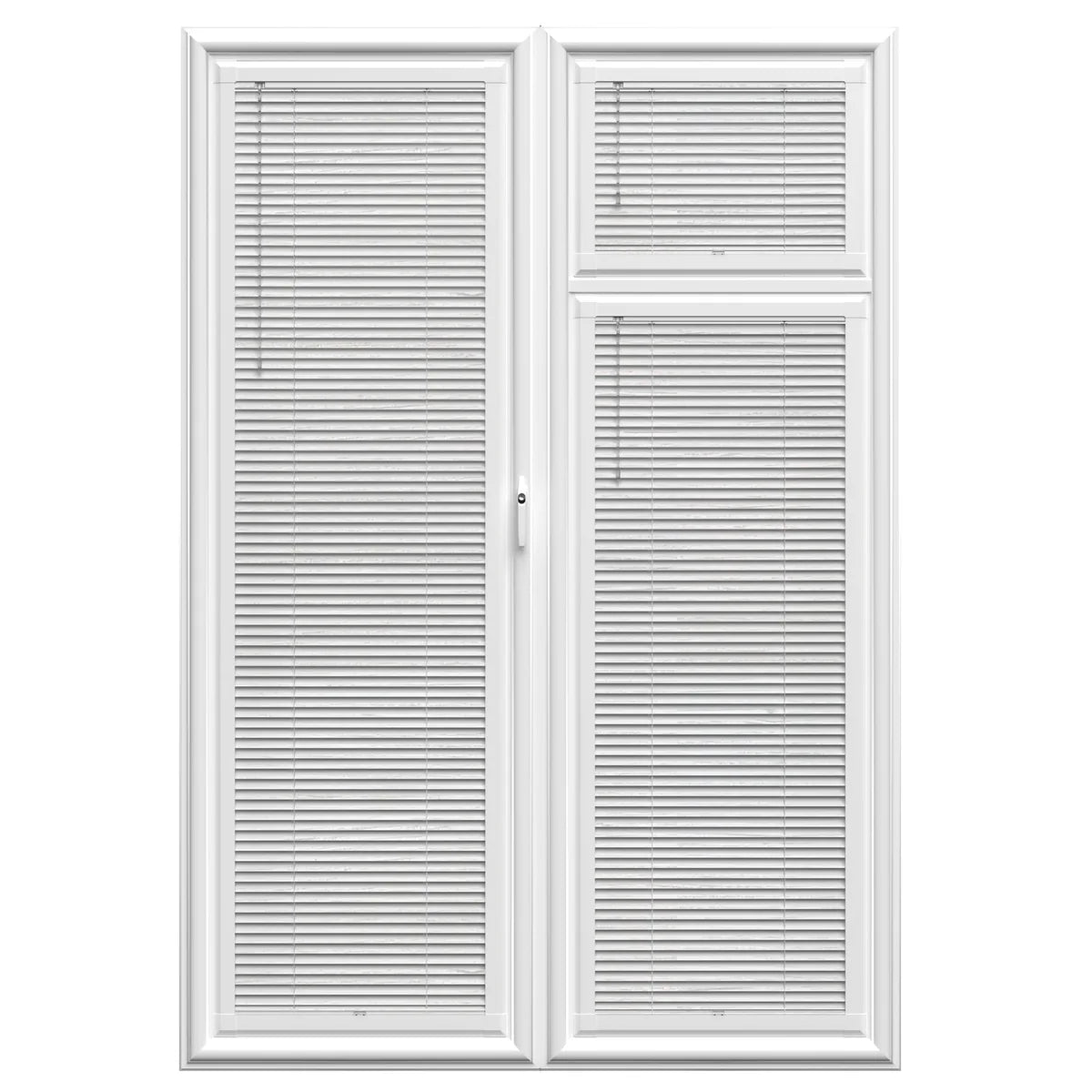
Horizontal slats in aluminium, real wood, or faux wood that tilt to control light and raise to clear the window. The perfect fit format is most commonly available in aluminium Venetians — the slat weight and mechanism complexity of wider wooden Venetians can exceed what the clip frame is designed to support in larger windows.
Perfect fit Venetian blinds are particularly suited to kitchens, bathrooms, and home offices — rooms where precise light control through slat tilting is more useful than the simpler up-down function of a roller or pleated blind, and where the wipeable aluminium surface has practical advantages over fabric.
For those wanting the aesthetic of a wooden blind in a perfect fit format, faux wood is worth considering — it replicates the visual character of real wood slats while being lighter and more moisture-resistant, staying within the load parameters of most clip frame systems.
The Key Benefits Explained
No Gap, No Light Leak
This is the headline performance advantage and the reason perfect fit blinds exist as a category. A conventionally mounted blind — whether roller, Roman, or Venetian — sits in front of the window frame, mounted to the wall or reveal above it. The gap between the blind and the wall on each side is unavoidable given this mounting method.
In a bedroom, that gap admits light regardless of the fabric's blackout rating. In a street-facing room, it creates a view-in strip at the edges that partially defeats the purpose of the blind. In an east-facing room in summer, a 15mm gap at each side of a roller blind is the difference between sleeping through sunrise and being woken before five in the morning.
Perfect fit blinds eliminate this by occupying the frame itself. The blind fills the opening edge to edge, and the frame sits flush against the glazing bead with no space for light to enter around the perimeter.
No Damage to Property
No screws, no rawlplugs, no drill holes, no filled and painted patches when you leave. The clips engage with an existing functional component of the window — the glazing bead — without penetrating or altering it. For renters this removes deposit risk entirely. For homeowners it removes the minor but real friction of committing to bracket positions before you've lived with the window long enough to know where they should be.
Moves With the Window
Because the blind is attached to the window frame rather than the surrounding wall, it moves with any opening sash. On tilt-and-turn windows this allows simultaneous ventilation and privacy. On standard casement windows it means the blind doesn't need to be raised before the window can be opened — the whole assembly swings out together.
Clean Aesthetic
With no visible brackets, no gap between blind and frame, and no headrail protruding above the window line, the perfect fit format produces a cleaner, more integrated appearance than conventionally mounted alternatives. In rooms with strong architectural detailing — mouldings, cornicing, or feature window surrounds — this matters considerably. In contemporary rooms it reads as considered rather than default.
How to Measure for Perfect Fit Blinds
Measuring for perfect fit blinds requires a different approach from measuring for conventionally mounted blinds. You are measuring the internal dimensions of the window frame — the space within the glazing bead — rather than the overall window opening.
Step One: Measure the Width
Measure the internal width of the window frame at three points: top, middle, and bottom. Use the smallest of the three measurements. This is the width your perfect fit frame needs to match.
Do not measure the overall width of the window or the reveal — the blind supplier needs the internal glazed area dimensions, not the frame's external dimensions.
Step Two: Measure the Drop
Measure the internal height of the window frame from the top of the glazed area to the bottom. Measure at the left, centre, and right, and use the smallest measurement.
For tilt-and-turn windows, measure the opening sash only — from the top of the lower sash frame to the bottom of the sash, rather than the full window height including the fixed surround.
Step Three: Account for the Frame
Most perfect fit systems add a small amount to the blind's nominal dimensions to account for the outer frame. The supplier's sizing guide will specify this precisely — typically the blind's quoted size corresponds to the internal glazed area measurement, and the frame adds a few millimetres to each dimension as it sits within the bead rather than outside it. Confirm this with your supplier before ordering.
Measuring Bay Windows
Each section of a bay window is measured separately as an individual window. In a three-section bay with a wide centre panel and two narrower returns, you will typically need three separate blinds. Measure each section independently — the dimensions often differ even when the windows appear symmetrical from inside.
Fitting Perfect Fit Blinds: Step by Step
What You'll Need
The blind and outer frame assembly, the clips provided, and your hands. No tools are required for standard installations. Some suppliers include a small flat-head tool for clip removal — if not, a coin or fingernail works.
Step One: Clean the Glazing Bead
Wipe the glazing bead with a clean, dry cloth before fitting. Any dust, grease, or residue will reduce the grip of the clips against the bead channel. For windows that have been painted over at any point, check that the bead channel is clear and unobstructed along its full length.
Step Two: Attach Clips to the Frame
The clips attach to the outer frame before the frame is inserted into the window. Clip positions are typically marked or pre-set by the manufacturer — do not reposition them, as the clip spacing is calculated for the frame dimensions.
Step Three: Insert the Frame
Hold the outer frame at a slight angle and position the top edge into the bead channel first. Work along the top, pressing each clip firmly into the bead until you feel the locking action. Then press the sides and bottom in sequence. Apply even pressure along the full length of each side rather than trying to force individual clips.
For wider windows, having a second person hold the frame in position while you work along the clips makes the process considerably easier.
Step Four: Fit the Blind Mechanism
Once the outer frame is in place, the blind mechanism fits into it. Roller blinds insert at both ends into end brackets built into the frame. Pleated and honeycomb blinds slide the headrail into the top channel and the bottom rail into the lower channel. Venetian blinds clip the headrail into position with the operating cords routed through the frame as specified in the instructions.
Step Five: Check Operation
Operate the blind through its full range before leaving the ladder or stool. For rollers, raise and lower twice to confirm smooth operation and even rolling. For pleated and honeycomb, check that the fabric folds evenly and the cords run freely. For Venetians, tilt through the full louvre range and raise to confirm the slats stack evenly.
Perfect Fit Blinds for Specific Rooms
Bedrooms
The combination of edge-to-edge coverage and blackout fabric makes perfect fit blinds the strongest blackout solution available without specialist installation. A honeycomb blackout blind in a perfect fit frame eliminates both light gaps and thermal cold spots at the window — particularly relevant in east-facing bedrooms during summer months when sunrise before 5am is a practical sleep problem rather than a theoretical one.
Living Rooms
Pleated or roller perfect fit blinds in a light-filtering fabric give living rooms flexible light control without the visual weight of curtains. The clean frame-flush aesthetic works well in rooms with period detailing — the blind sits within the window rather than in front of it, allowing the window architecture to read clearly.
For living rooms where privacy is the primary concern rather than blackout, a day-night roller in perfect fit format provides the widest range of light and privacy combinations in a single blind.
Kitchens
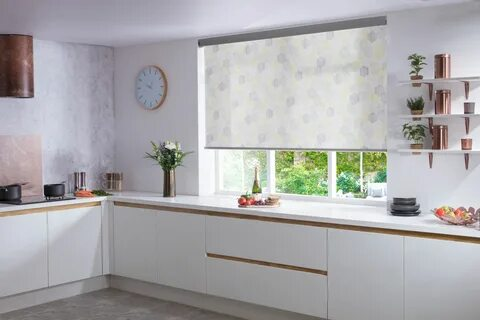
Perfect fit aluminium Venetian blinds are the most practical kitchen option — wipeable, moisture-tolerant, and allowing precise light control through slat tilting without the need to raise the blind fully when cooking near steam or splatter.
For kitchens with tilt-and-turn windows above the sink — a common layout in newer builds — the tilt-with-window function of perfect fit blinds is particularly useful. You can ventilate the room while cooking without having to raise the blind and lose privacy.
Conservatories
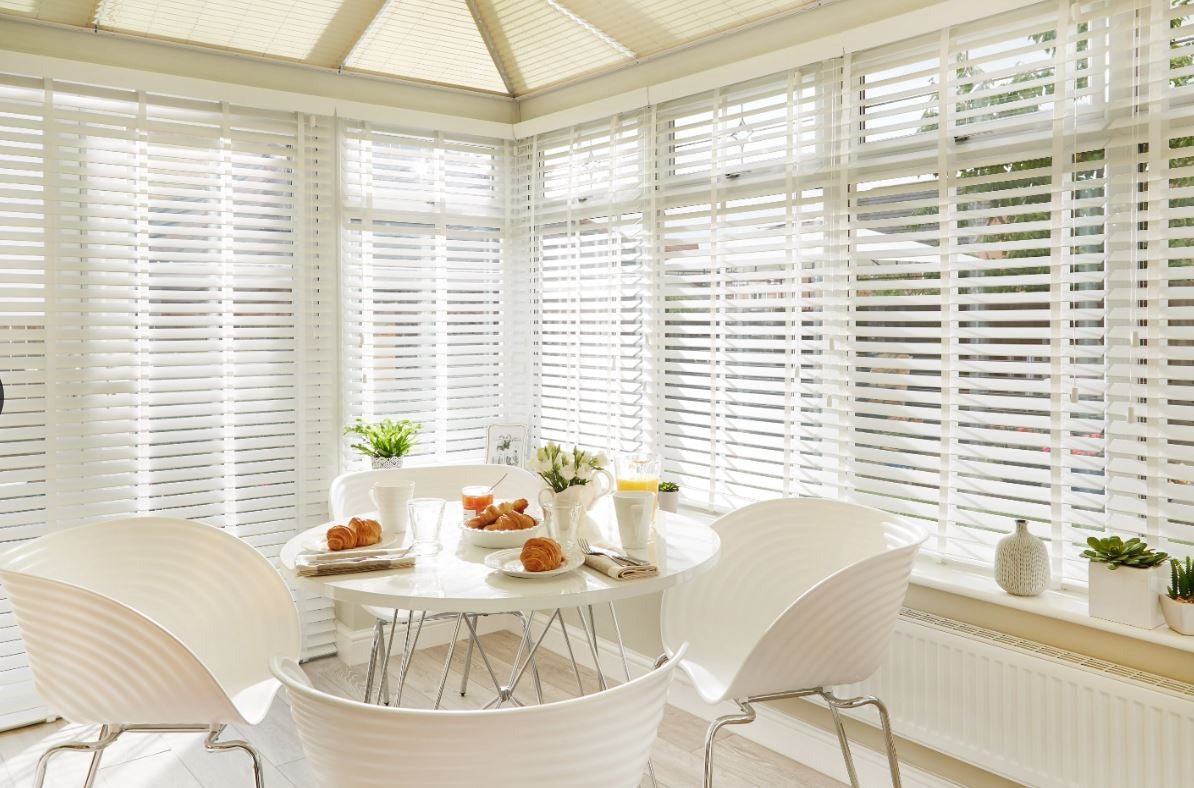
Conservatories with UPVC or aluminium frames are one of the strongest use cases for perfect fit blinds. The large glazed areas, the solar gain problem in summer, and the heat loss in winter all point toward honeycomb blinds as the most functional choice — the cellular insulation addresses both the overheating and the cold problems in the same product. The no-drill installation is also practically significant in conservatories, where the frame profiles are often complex and drilling creates weatherproofing risks.
Home Offices
Screen glare from east or west-facing windows is a daily productivity problem in home offices. Perfect fit Venetian blinds give the most granular light control — louvres angled slightly deflect direct light away from screen level while maintaining general room brightness. The precise tilt adjustment available in a Venetian format is more useful in this context than the binary up-down function of a roller.
Common Questions Answered
Will they fit my tilt-and-turn window?
Yes — and more effectively than any wall-mounted blind. The perfect fit frame clips to the opening sash and tilts with it. Check the internal dimensions of the sash rather than the full window opening when measuring.
Can I take them with me when I move?
Yes. Remove the clips from the glazing bead, repackage the blind, and refit at the new property if the internal frame dimensions match. UPVC glazing bead profiles are broadly standardised but not universally identical — measure the new windows before assuming direct compatibility.
Do they work with double-glazed units?
All modern UPVC windows are double or triple glazed, and perfect fit blinds are designed for them. The glazing bead that the clips engage with is part of the frame rather than the glass unit itself, so the number of glazing layers is irrelevant to compatibility.
What if one clip breaks?
Most perfect fit systems use clips that are available separately as replacement parts. Confirm before purchasing that the supplier sells individual replacement clips — this is a good indicator of product quality as well as a practical safeguard.
Are they suitable for a child's room?
Yes, with one important consideration. UK regulations introduced in 2023 require that blinds in homes with children under 18 use either a breakaway connector on any looped cord or a fully cordless operating mechanism. Most current perfect fit blinds use a push-button or touch-lift cordless mechanism for pleated and honeycomb formats, and a breakaway chain connector for roller and Venetian formats. Confirm compliance at point of purchase.
Price Guide for 2026
Perfect fit blinds carry a modest premium over equivalent conventionally mounted blinds, reflecting the additional outer frame and clip system. As a general guide for the UK market:
Perfect fit roller blinds in standard casement sizes start from approximately £35 to £70 depending on fabric weight and width. Perfect fit pleated blinds sit in the £50 to £100 range for standard sizes. Perfect fit honeycomb blinds — the most functional format — typically range from £65 to £140 for standard casement dimensions, with double-cell construction at the higher end. Perfect fit Venetian blinds in aluminium sit between £45 and £90.
Made-to-measure options are available across all formats and are worth considering for non-standard window dimensions. The price premium for made-to-measure is generally modest in the UK market — many specialist blind retailers price made-to-measure and standard sizes comparably for common window formats, because the production process is similar regardless of nominal dimensions.
Perfect Fit Blinds vs the Alternatives
vs. Conventionally Mounted Blinds
Conventionally mounted blinds are marginally cheaper at equivalent quality levels and offer more flexibility in terms of fabric weight and span — large wooden Venetians and wide Roman blinds are difficult to accommodate in perfect fit format. The trade-off is the gap coverage problem and the requirement for drilling. For UPVC windows specifically, perfect fit wins on both performance and installation practicality.
vs. Shutters
Shutters provide a similar edge-to-edge frame-filling aesthetic and excellent light control. The premium over perfect fit blinds is substantial — a shutter installation for a standard UPVC casement window might cost three to five times the equivalent perfect fit blind. Perfect fit blinds are also portable in a way that shutters aren't, since shutters are fitted to the specific opening. For renters and for anyone who wants to retain flexibility, the comparison favours perfect fit considerably.
vs. Curtains
Curtains provide warmth, acoustic dampening, and a softness that no blind format replicates. They are the right choice in rooms where that quality is the priority. For blackout performance, light control precision, and the clean integration of the window treatment with the window architecture, perfect fit blinds outperform curtains in most practical metrics. In rooms where both qualities are wanted, the combination of a perfect fit blind within the frame and a simple curtain panel on either side is increasingly the preferred approach in contemporary UK interiors.
Summary: Is a Perfect Fit Blind Right for You?
If your windows are UPVC casement or tilt-and-turn — which covers the majority of UK homes built or refurbished since 1985 — the answer in most cases is yes.
The combination of edge-to-edge coverage, no-drill installation, compatibility with tilt ventilation, and clean aesthetics addresses the main performance gaps of conventionally mounted blinds without meaningful compromise. The price premium is real but modest. The portability benefit has value whether you're renting or simply like having options.
The cases where perfect fit isn't the right choice are specific: timber or steel frames, very large or very heavy blind formats, and situations where permanent fixing is a deliberate priority rather than an inconvenience.
For everything else — which in UK housing stock is most windows, in most rooms, in most homes — perfect fit blinds are the most technically sound window covering solution currently available without professional installation.





)