Skip to content


 Vertical Blinds
 Roman Blinds
 Roller Blinds
 Venetian Blinds
 Day and Night Blinds
 Skylight Blinds
 Children
 Wooden Blinds
 Curtains
 Blinds Accessories
 White
White Yellow
 Gold
Gold Green
Green Grey
Grey Pink
Pink Orange
 Animal
 Floral
 Geometric
 Striped
 Motorized Day and Night Blinds
 Motorized Roller Blinds
 No Drill Rollers
 Perfect Fit Wooden
 Perfect Fit Metal
 Thermal Blinds
 Better Sleep Blinds
 Cordless Blinds
 No Drill Blinds
 Blackout Blinds
 Waterproof Blinds
 Easy Wipe Blinds
 Taped Blinds
 Conservatory
 Office
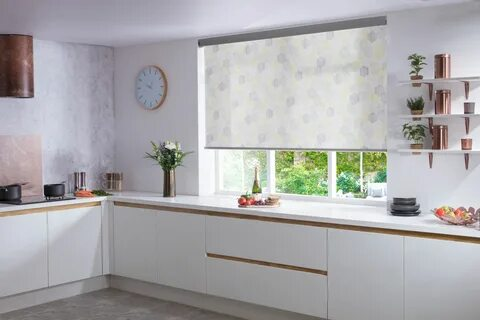 Kitchen
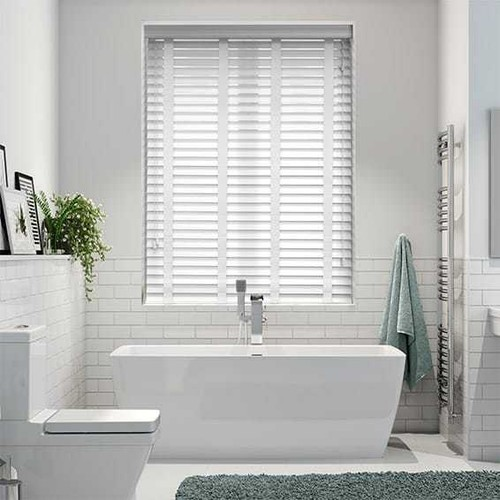 Bathroom
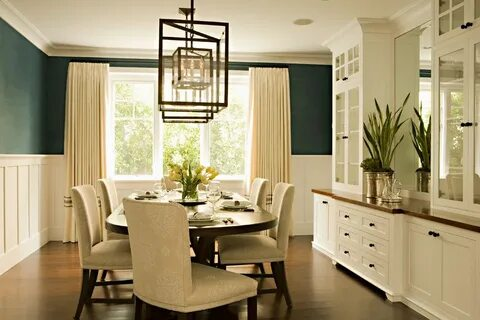 Dining Room
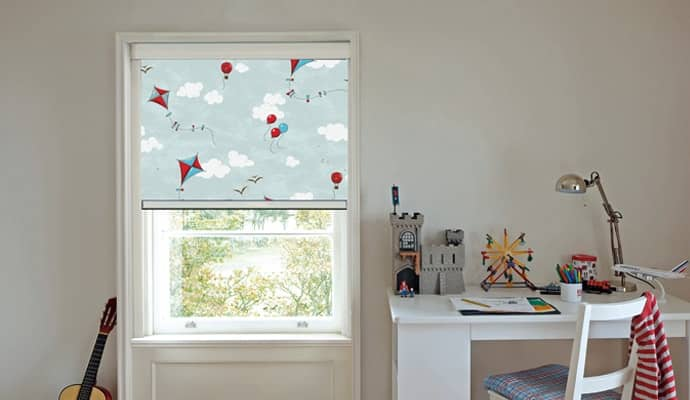 Kids Room
 Living Room
 Bedroom
 Bay Window
 Conservatory Window
 Tild and Turn Window
 Bi Fold Window
 Roof of Skylight
 French Door
 Sliding Door
The Modern Conservatory: Turning a 'Seasonal Room' into Year-Round Space with Thermal Blinds
- by Mariam Labadze
 Quick Answer (The Conservatory Verdict)
In 2026, the traditional conservatory is undergoing a functional revolution. Long considered "seasonal rooms"—too hot in the summer and too cold in the winter—these glass-heavy spaces are being reclaimed as essential year-round living areas, home offices, and dining rooms. The key to this transformation lies in advanced thermal engineering at the window level.
Thermal Blinds, specifically those utilizing honeycomb or cellular technology, provide the necessary insulation to stabilize these volatile environments. By creating a stationary air barrier against the glass, they significantly reduce heat loss during the winter. In the summer, their reflective backings reject solar radiation, preventing the room from becoming a greenhouse. For conservatory owners, the integration of No Drill Blinds is a critical advantage, as it allows for high-performance installation without compromising the complex uPVC or aluminum frames. To complete the transformation, adding Perfect Fit Blinds ensures that every glass panel is individually managed, allowing for seamless operation and a modern, integrated aesthetic.
[toc]
1. The Thermodynamics of Glass: Why Conservatories Fail
A conservatory is essentially a biological heat trap. Standard double glazing, while efficient for walls, becomes a liability when used as a primary structural material.
The Summer Surge:
During a heatwave, a conservatory can reach temperatures of 40°C+ within minutes. This is caused by short-wave solar radiation passing through the glass and converting into long-wave infrared heat inside.
The Winter Drop:
Conversely, in winter, glass acts as a "thermal sieve." Heat from your radiators is rapidly drawn toward the cold glass and lost to the exterior, making the room prohibitively expensive to heat.
The Solution: High-performance Thermal Blinds act as a "Second Skin" for your conservatory, interrupting both the surge and the drop.
2. Honeycomb Technology: The Secret to Year-Round Comfort
The most effective tool for conservatory management in 2026 is the honeycomb (cellular) blind. Unlike flat fabrics, these blinds feature hexagonal cells that trap air.
-
Insulation R-Value: The trapped air acts as a high-performance insulator. In winter, this air pocket prevents the internal warmth from ever touching the cold glass surface.
-
Solar Reflection: Modern honeycomb cells often feature an internal foil lining. This is the "Gold Standard" for summer protection. It reflects 80-90% of solar energy back through the glass, keeping the interior cool enough for comfortable daytime use.
3. Protecting the Frames: The No-Drill Necessity
Conservatories are complex structures with numerous joints, seals, and specialized uPVC or aluminum profiles. Traditional blind installation involves drilling dozens of holes into these frames—a practice that is increasingly frowned upon in 2026 for several reasons:
-
Warranty Voidance: Drilling often voids the 10 or 25-year structural warranty on a new conservatory.
-
Water Ingress: Holes can compromise the weather seals, leading to leaks and dampness.
-
Frame Integrity: Over-drilling can weaken the slim profiles used in modern "minimalist" sunrooms.
By opting for No Drill Blinds, you protect your investment. The blinds clip into the window beading, requiring zero tools and zero permanent damage.
4. Perfect Fit Integration: Individual Panel Management
The beauty of a modern conservatory is its transparency. However, a single large blind often blocks too much light or creates an "all-or-nothing" privacy situation.
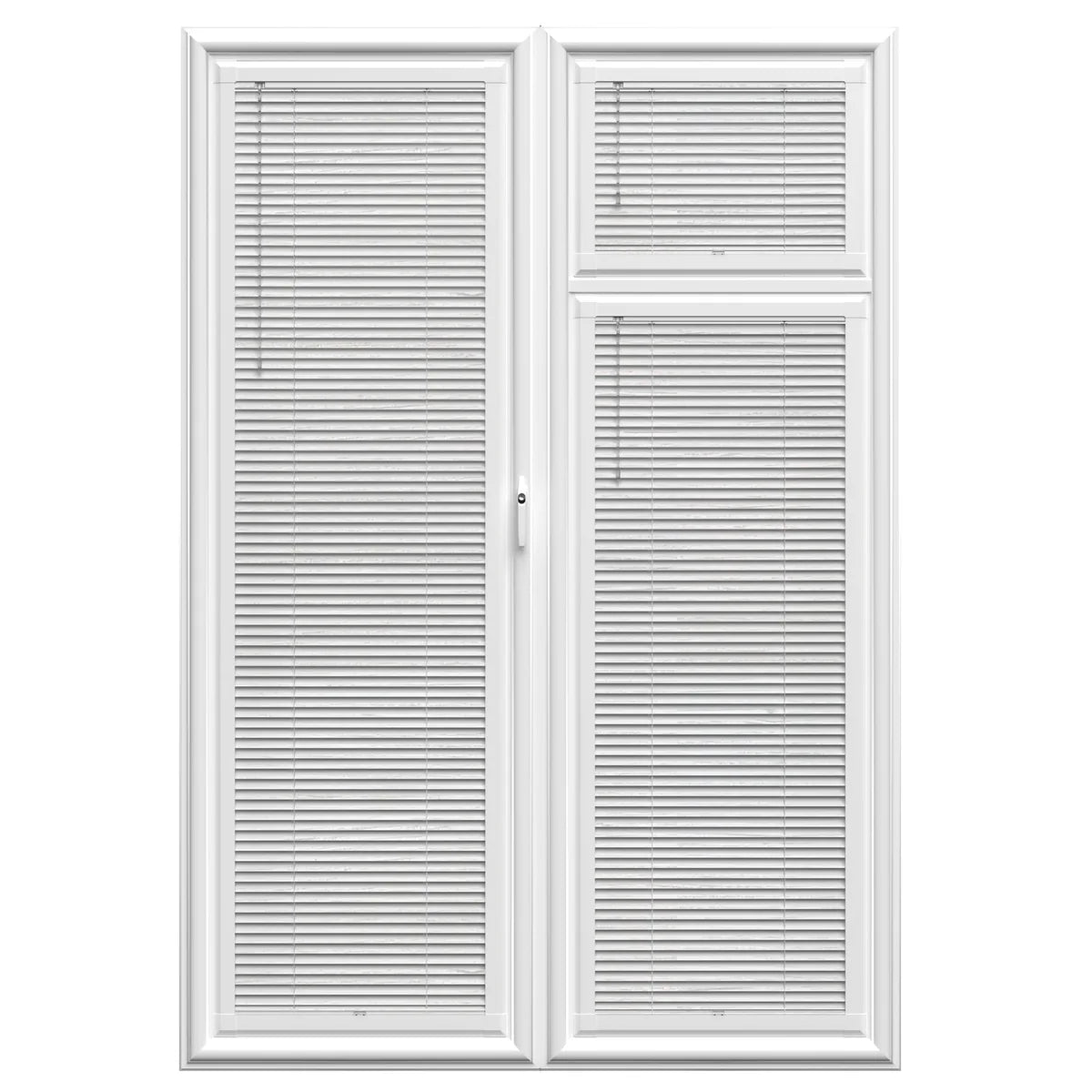
The Perfect Fit Blinds system allows each individual pane of glass to have its own integrated blind. This means:
-
You can lower the blinds on the sun-facing side while keeping the rest of the room open to the garden.
-
You can open doors and tilt windows without the blinds flapping or clattering.
-
The blinds sit flush against the glass, maintaining the clean architectural lines of the conservatory.
5. Acoustic Softening in "Hard-Surface" Rooms
Conservatories are notorious for poor acoustics. Glass walls and tiled floors create a "reverb" effect that makes conversation difficult and television noise irritating.
The cellular structure of Thermal Blinds provides significant acoustic dampening. The fabric and the trapped air cells break up sound waves, reducing the "echo-chamber" effect. This transforms the conservatory from a loud, reflective space into a hushed, cozy room suitable for reading, working, or quiet dining.
6. UV Protection for Furniture and Plants
Direct sunlight in a conservatory is incredibly destructive. Within just one summer, high-end furniture, rugs, and flooring can show significant fading. Even specialized conservatory plants can suffer from "leaf-scorch" during peak hours.
By using the nuanced control of Perfect Fit Blinds, you can create "Safe Zones." Lowering the blinds partially blocks the most intense UV rays while still allowing enough ambient light for your plants to thrive and the room to feel bright. This preservation of your interior assets is a key part of the long-term ROI for conservatory window treatments.
7. Increasing Home Value and EPC Ratings
In the 2026 real estate market, an "unusable" conservatory is seen as a liability—a waste of square footage. However, a "Year-Round Sunroom" is a major asset.
By documenting the installation of high-performance Thermal Blinds, you demonstrate to future buyers that the room is a genuine living space with controlled energy costs. This contributes to the overall energy efficiency rating of the home, making it more attractive in a market focused on sustainability and low utility bills.
8. Summary: The Conservatory Upgrade Checklist
|
Feature |
Standard Blinds |
Thermal No-Drill Perfect Fit |
|
Summer Cooling |
Low (Absorbs Heat) |
Exceptional (Reflects 80%+) |
|
Winter Insulation |
Minimal |
High (Cellular Air Trap) |
|
Frame Protection |
Permanent Drill Holes |
No Drill Blinds (Zero Damage) |
|
Operation |
Obstructs Doors/Vents |
Moves with Windows/Doors |
|
Aesthetics |
Bulky/Hanging |
Integrated/Seamless |
|
Acoustics |
Reflective |
Dampening |
Conclusion: Reclaiming the Sunroom
The "Seasonal Conservatory" is a concept of the past. In 2026, we have the material science to ensure that our glass-walled spaces are as comfortable as our living rooms.
By investing in Thermal Blinds and utilizing the integrated Perfect Fit Blinds system, you are removing the barriers to year-round use. You are protecting your structure with No Drill Blinds technology while creating a sanctuary that is cool in summer, warm in winter, and quiet all year long. Don't let your conservatory be a wasted space—engineer it for living.