Skip to content


 Vertical Blinds
 Roman Blinds
 Roller Blinds
 Venetian Blinds
 Day and Night Blinds
 Skylight Blinds
 Children
 Wooden Blinds
 Curtains
 Blinds Accessories
 White
White Yellow
 Gold
Gold Green
Green Grey
Grey Pink
Pink Orange
 Animal
 Floral
 Geometric
 Striped
 Motorized Day and Night Blinds
 Motorized Roller Blinds
 No Drill Rollers
 Perfect Fit Wooden
 Perfect Fit Metal
 Thermal Blinds
 Better Sleep Blinds
 Cordless Blinds
 No Drill Blinds
 Blackout Blinds
 Waterproof Blinds
 Easy Wipe Blinds
 Taped Blinds
 Conservatory
 Office
 Kitchen
 Bathroom
 Dining Room
 Kids Room
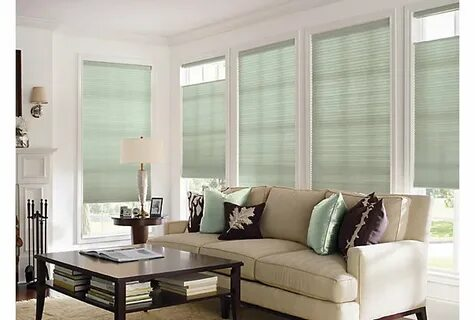 Living Room
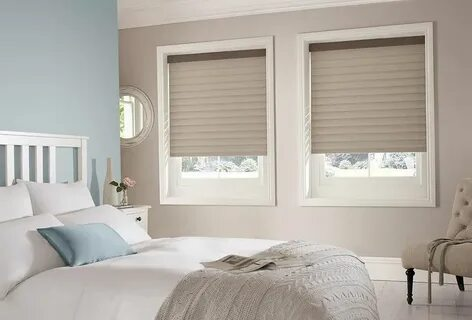 Bedroom
 Bay Window
 Conservatory Window
 Tild and Turn Window
 Bi Fold Window
 Roof of Skylight
 French Door
 Sliding Door
White Wooden Blinds: Where They Work and How to Keep Them Bright
- by Mariam Labadze
White wooden blinds are an excellent choice for bright, coastal and contemporary rooms, and they stay white if you pick the right finish and clean them gently every couple of weeks. Real wood with a quality painted lacquer resists yellowing best, while faux wood shrugs off damp. Keep them out of constant harsh sun and wipe the dust away regularly, and the crisp finish lasts for years.
There is something quietly confident about a white blind. It brightens a room without shouting, it bounces daylight around instead of soaking it up, and it flatters almost any wall colour you put behind it. White wooden blinds in particular add a clean, architectural line to a window, with the slats casting soft shadows across the sill. Before you order, though, it pays to know where they shine, where they struggle, and how to stop that lovely white drifting towards cream.
[toc]
Where white wooden blinds work best
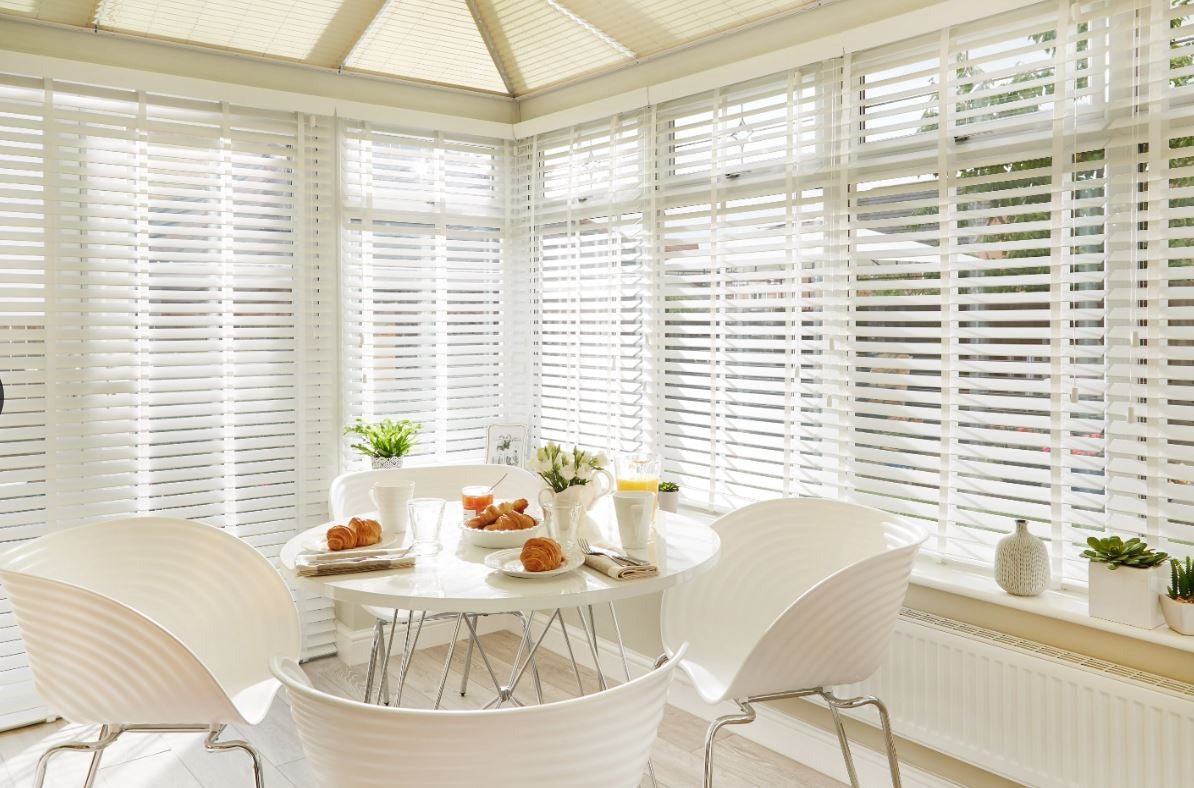
Light rooms love them. In a kitchen with pale units, a living room that opens onto a garden, or a bedroom decorated in soft neutrals, white wooden blinds reinforce the sense of space and calm. They suit coastal schemes especially well, sitting comfortably alongside driftwood tones, linen and pale blues, and they are equally at home in a sharp, modern flat where everything else is monochrome.
They also work as a unifying device across a whole house. Because white reads as neutral, the same blind can run through rooms with very different wall colours and still look deliberate from the street. That exterior consistency is one reason so many UK homeowners default to white or off-white for the front of the house, then choose bolder shades for private rooms at the back.
Where you need to think harder is any window with relentless direct sun or persistent moisture. South-facing windows that catch strong light all day can accelerate any yellowing in a painted finish, and steamy bathrooms or utility rooms are hard on real timber. Neither rules out white slats, but each points you towards a particular material, which is the next thing to settle.
Real wood or faux wood?
This is the decision that shapes both the look and the upkeep. Real wooden blinds are lighter for their size, warmer to the touch, and they have a natural grain that shows softly through white paint, giving a slightly more premium feel. They are the classic choice for living rooms, bedrooms and any dry space where you want that authentic timber character.
Faux wooden blinds are made from a composite or PVC that mimics timber convincingly. They are heavier, they cost less as a rule, and crucially they do not warp, swell or rot when the air is damp. For a kitchen, a bathroom or a north-facing room that never fully dries out, faux wood is the sensible pick. Many faux ranges are also more resistant to yellowing because the colour runs through a stable synthetic rather than sitting on top of natural fibres.
If you are torn, match the material to the room rather than the whole house. Use real timber where the air is dry and the light is kind, and choose faux wood for the wet and the sun-baked windows. You can browse the full wooden blinds range and compare the two finishes side by side, which makes the trade-off much easier to picture.
A note on slat width
Slat width changes the whole character of the blind. Narrow slats give a fine, delicate line that suits smaller windows and busier rooms, while wider slats create bold horizontal bands, let in more light when open, and stack into a smaller bundle at the top when raised. For a large, plain window in a contemporary room, wider slats usually look more current. For a period cottage, narrower slats feel more in keeping.
How to stop white wooden blinds yellowing
Yellowing has three main causes: ultraviolet light, kitchen grease and grime, and cheap paint. You can manage all three.
Ultraviolet light is the big one. Constant strong sun gradually breaks down some white finishes, nudging them towards cream. A good-quality lacquered or UV-stable paint slows this dramatically, so it is worth prioritising finish quality over saving a few pounds if the window faces the sun. Where light is truly punishing, faux wood tends to hold its colour longer than painted timber.
Grease is the second culprit, and it is entirely within your control. In kitchens, airborne cooking oils settle on slats and turn dust into a sticky yellow film. Wiping the blinds every week or two, before that film builds up, keeps them bright. Pull the slats closed, dust each one with a soft cloth or a blind-cleaning brush, then wipe with a barely damp cloth and a drop of mild detergent, working along the grain and drying as you go. Avoid soaking real timber, and never use harsh solvents that can strip the finish and cause the very yellowing you are trying to prevent.
The third cause is simply buying a poor finish in the first place. A well-painted blind with an even, sealed surface resists staining and cleans up easily. A thin or matte finish soaks up grime and never quite comes clean again. This is where spending a little more genuinely pays off.
Keeping the right tools to hand helps you stay on top of it. A soft duster, a slat brush and a gentle cleaning solution live happily in the cupboard and turn a chore into a five-minute job. The blinds accessories range includes the bits that make regular cleaning painless, and a clean blind is a blind that stays white.
Fitting styles for white wooden blinds
How you mount the blind matters as much as the blind itself. A recess fit sits the whole thing inside the window reveal for a neat, built-in look, while an exterior fit hangs it on the wall above the frame, covers more glass, and makes a small window look larger. White slats suit both, though the built-in look tends to feel cleaner in a modern room.
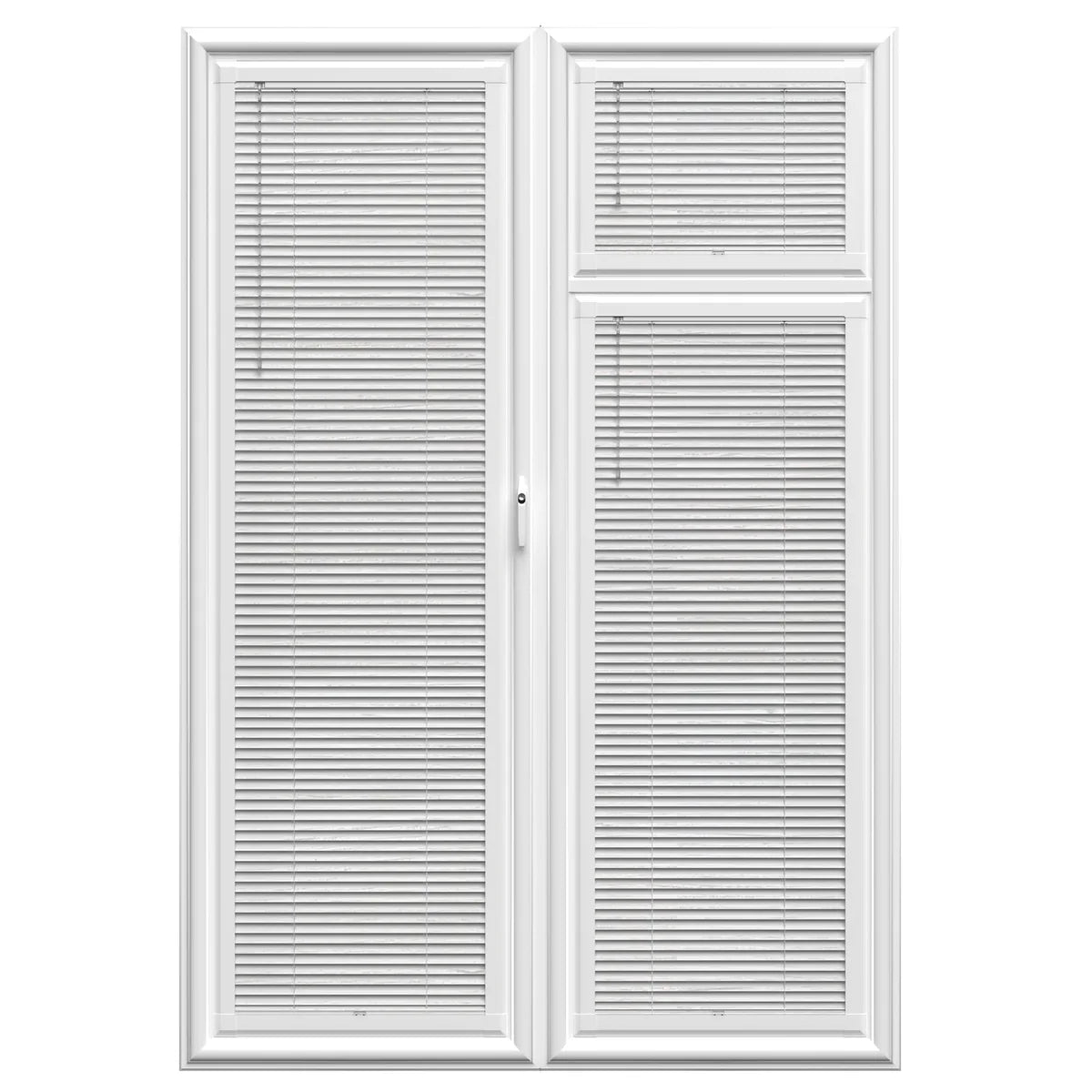
If you would rather not drill into the reveal, particularly on uPVC or tiled windows, a clip-on approach solves it. Perfect fit blinds sit in a slim frame that clips directly onto the beading of a uPVC window or door, with no screws and no gaps at the sides. Take a look at the perfect fit blinds available if you have double glazing or bifold doors, because that system holds white wooden slats flat against the glass and moves with the window when you open it. It is a tidy solution for conservatories and back doors in particular.
For a traditional recess or wall mount, standard brackets and a spirit level are all you need. Measure in three places, use the tightest figure for a recess, and check the blind hangs plumb before you tighten everything down.
White wooden blinds versus white venetian blinds and shutters
People often use these terms loosely, so it is worth being clear. White wooden venetian blinds and white wooden blinds are essentially the same thing described two ways: horizontal timber or faux-timber slats that tilt open and closed on a venetian mechanism. If you are comparing slat styles and controls across materials, the wider venetian blinds collection shows how aluminium and wood versions differ in weight, price and feel.
White shutter blinds are a different animal. Shutters are a fixed framework of louvres, usually more expensive and more of a permanent architectural fixture. They give a wonderful, solid look but cost considerably more and take longer to install. For most homeowners chasing a bright, tailored finish on a sensible budget, white wooden blinds deliver a similar crisp effect for far less commitment.
Whichever style you land on, the principle holds. Match the material to the room, insist on a good white finish, mount it neatly, and give it a quick wipe on a regular rhythm. Do that and white wooden blinds will keep a room feeling light, fresh and put-together for many years, with none of the creeping yellow that gives cheaper blinds away.
Frequently asked questions
Do white wooden blinds go yellow?
They can, but it is largely preventable. Yellowing comes from strong ultraviolet light, kitchen grease and low-quality paint, so choose a UV-stable or well-lacquered finish, keep the slats clean, and consider faux wood for the sunniest or steamiest windows. Regular gentle cleaning stops grease building into a yellow film, which is the most common cause in kitchens.
Are white wooden blinds good for bedrooms?
They are, and real timber is a lovely choice for a bedroom because the air is usually dry and the light is gentle. White slats keep the room feeling calm and bright by day. If you need to block early summer light for sleep, pair the blind with a separate blackout treatment, since venetian-style slats always leave thin gaps where the light creeps through.
Should I choose real wood or faux wood for white blinds?
Match the material to the room. Real wood is lighter, warmer and has a natural grain, making it ideal for dry, low-sun spaces like living rooms and bedrooms. Faux wood resists damp and warping and often holds its white colour longer, so it is the better pick for kitchens, bathrooms and windows that take a lot of direct sun.