Skip to content


 Vertical Blinds
 Roman Blinds
 Roller Blinds
 Venetian Blinds
 Day and Night Blinds
 Skylight Blinds
 Children
 Wooden Blinds
 Curtains
 Blinds Accessories
 White
White Yellow
 Gold
Gold Green
Green Grey
Grey Pink
Pink Orange
 Animal
 Floral
 Geometric
 Striped
 Motorized Day and Night Blinds
 Motorized Roller Blinds
 No Drill Rollers
 Perfect Fit Wooden
 Perfect Fit Metal
 Thermal Blinds
 Better Sleep Blinds
 Cordless Blinds
 No Drill Blinds
 Blackout Blinds
 Waterproof Blinds
 Easy Wipe Blinds
 Taped Blinds
 Conservatory
 Office
 Kitchen
 Bathroom
 Dining Room
 Kids Room
 Living Room
 Bedroom
 Bay Window
 Conservatory Window
 Tild and Turn Window
 Bi Fold Window
 Roof of Skylight
 French Door
 Sliding Door
Cheap Roman Blinds: How to Get the Look for Less Without Cutting Corners
- by Mariam Labadze
 Yes, you can buy cheap roman blinds that still look tailored and soft, as long as you shop for value rather than the lowest possible price. The trick is choosing a ready made size where you can, keeping the fabric and lining sensible, and spending only where it actually shows. Do that and the finished window looks far dearer than it was.
Roman blinds have a reputation for being the expensive option, and it is easy to see why. They fold into neat horizontal pleats, they use more fabric than a flat roller, and the tailored finish reads as something you would find in an interior designer's mood board. That reputation is worth challenging. With a bit of planning you can dress a room in cheap roman blinds and nobody stepping through the door will guess what you paid.
[toc]
Can you really get good roman blinds cheaply?
The honest answer is that price and quality are not the same thing. A low price becomes a problem only when it comes attached to thin fabric that sags, a headrail that jams, or a size that never quite fits your recess. Avoid those three traps and an affordable blind performs just as well as a costly one for years.
Fabric does most of the heavy lifting. A mid-weight cotton or polyester blend holds its folds crisply and drapes without looking flimsy, and it usually costs a fraction of embroidered or heavily textured cloth. The stitching matters too. Look for even hems and dowel pockets that keep each fold horizontal, because that structure is what gives roman blinds their smart, layered shape when they are raised.
The mechanism is the second thing to check. A smooth cord or chain system that locks cleanly will outlast a cheap plastic one that slips. You do not need the priciest headrail on the market, but you do want one that raises and lowers without a fight. If you are browsing the full range of roman blinds, sort by the fabrics that suit the room first, then compare mechanisms, rather than the other way round.
Ready made or made to measure: which keeps the cost down?
Ready made roman blinds are almost always the cheaper starting point. They come in standard drops and widths, they ship quickly, and the price reflects the efficiency of making many blinds to the same specification. If your windows are close to a common size, or you are fitting outside the recess where a little extra width is welcome anyway, ready made is the obvious way to save.
Made to measure roman blinds cost more because each one is cut and sewn to your exact window. That premium buys a perfect fit inside an awkward recess, a specific drop for a tall sash window, and a wider choice of fabric and lining. For a feature window in a living room, that tailoring can be worth every penny. For a spare room or a landing, a ready made blind trimmed to sit neatly is usually all you need.
A sensible middle path is to mix the two. Splash out on made to measure for the rooms guests actually see, and use ready made roman blinds everywhere else. Spreading the budget this way keeps the overall spend low while the important windows still look bespoke.
Where to save and where to spend
Being cheap in the wrong place costs more later. Here is where a smaller budget stretches furthest, and where a little extra is money well spent.
-
Save on: plain or subtly textured fabric, standard sizes, simple pull-cord operation, and neutral colours that will not date.
-
Spend on: a reliable mechanism, a proper lining for rooms that need it, and correct measuring so you only buy once.
Colour is a quiet money-saver. A soft white, stone or grey blind works with almost any wall and stays in fashion far longer than a bold pattern you will tire of, which means you replace it less often. That longevity is part of what makes an affordable blind genuinely good value rather than just cheap.
Do not skip the lining decision
Lining changes both how a roman blind looks and what it does. An unlined blind lets light glow through the fabric, which suits a bright dining room or a hallway. A lined blind hangs with more weight and gives better privacy, and it protects the face fabric from fading, so the colour you paid for stays true. For a bedroom, a nursery or a media room, a blackout lining is the upgrade most people are glad they made. It is worth reading up on blackout blinds before you decide, because the difference between dim-out and true blackout matters most when you are trying to sleep past a summer sunrise.
Fitting them yourself keeps the price down
Installation is where a lot of the perceived cost of blinds actually lives, and it is the easiest part to reclaim. A roman blind headrail fixes with a handful of brackets and a screwdriver, and most people manage it in under half an hour per window. Skipping a fitter is often the single biggest saving on the whole job.
If you rent, or you would rather not put screws into a tiled or plastered reveal, you have options. A no drill approach clamps to the window frame instead of the wall, which protects your deposit and your plaster. Take a look at the no drill blinds available before you assume you have to break out the power tools, because a tension or bracket-clip fit can carry a roman blind perfectly well on a uPVC window.
Getting the small parts right also protects your investment. A spare bracket, a child-safety cleat for the cord, or a replacement chain can keep a working blind out of the bin. The blinds accessories range covers most of these odds and ends, and buying a cleat at the same time as the blind is both cheaper and safer than fitting one as an afterthought.
Getting the tailored look on a budget
Two habits make cheap roman blinds look expensive. The first is measuring properly. A blind that is even slightly too narrow leaves light gaps down the sides and looks like a mistake, while one cut to the recess sits flush and reads as bespoke. Measure in three places for both width and drop, and use the smallest figure for a recess fit.
The second habit is dressing the folds when you first hang the blind. Raise it fully, then run your hands along each pleat to set them evenly, and leave it up for a day or two so the fabric learns its shape. That five-minute ritual is free, and it is the difference between a blind that looks tailored and one that looks like it came flat-packed.
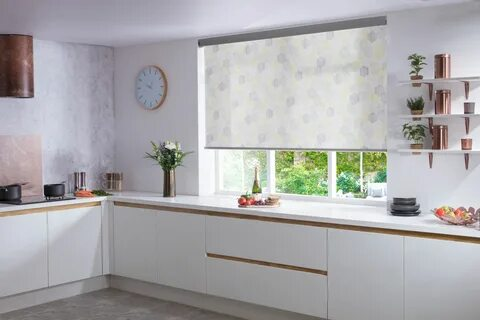
Kitchen roman blinds deserve one extra thought. Choose a wipeable or moisture-tolerant fabric and mount the blind high enough to clear the worktop and hob, because steam and splashes are the fastest way to age a soft furnishing near cooking. A practical fabric here is not the cheapest instinct, but it saves you replacing a stained blind within a year.
Across the UK, homeowners are proving that roman blinds no longer belong only to big-budget rooms. Buy the right size, choose fabric that suits the job, fit it yourself where you can, and spend your money on the parts that keep the blind working. That is how you get the soft, layered, made-to-measure feeling for a price that leaves something in the pot for the rest of the room.
Frequently asked questions
Are cheap roman blinds any good?
They can be very good, provided you judge them on fabric weight, stitching and mechanism rather than price alone. A well-made affordable blind with a mid-weight fabric and a smooth cord system will hold its folds and last for years. Problems usually come from flimsy cloth or a poor fit, both of which are avoidable if you measure carefully and choose sensibly.
How can I make roman blinds cheaper?
Start with ready made sizes if your windows are close to standard, fit the blinds yourself, and choose plain, neutral fabric over heavily patterned or textured cloth. Skipping a professional installer is often the biggest single saving. Reserve made to measure and premium linings for the rooms that people actually see, and use simpler blinds elsewhere.
Are ready made or made to measure roman blinds cheaper?
Ready made roman blinds are cheaper because they come in standard sizes and are produced efficiently. Made to measure costs more, but it buys an exact fit for awkward recesses and a wider choice of fabric. For most homes a mix works best, with made to measure kept for feature windows and ready made used for the rest.