Skip to content


 Vertical Blinds
 Roman Blinds
 Roller Blinds
 Venetian Blinds
 Day and Night Blinds
 Skylight Blinds
 Children
 Wooden Blinds
 Curtains
 Blinds Accessories
 White
 Yellow
 Gold
 Green
 Grey
 Pink
 Orange
 Animal
 Floral
 Geometric
 Striped
 Motorized Day and Night Blinds
 Motorized Roller Blinds
 No Drill Rollers
 Perfect Fit Wooden
 Perfect Fit Metal
 Thermal Blinds
 Better Sleep Blinds
 Cordless Blinds
 No Drill Blinds
 Blackout Blinds
 Waterproof Blinds
 Easy Wipe Blinds
 Taped Blinds
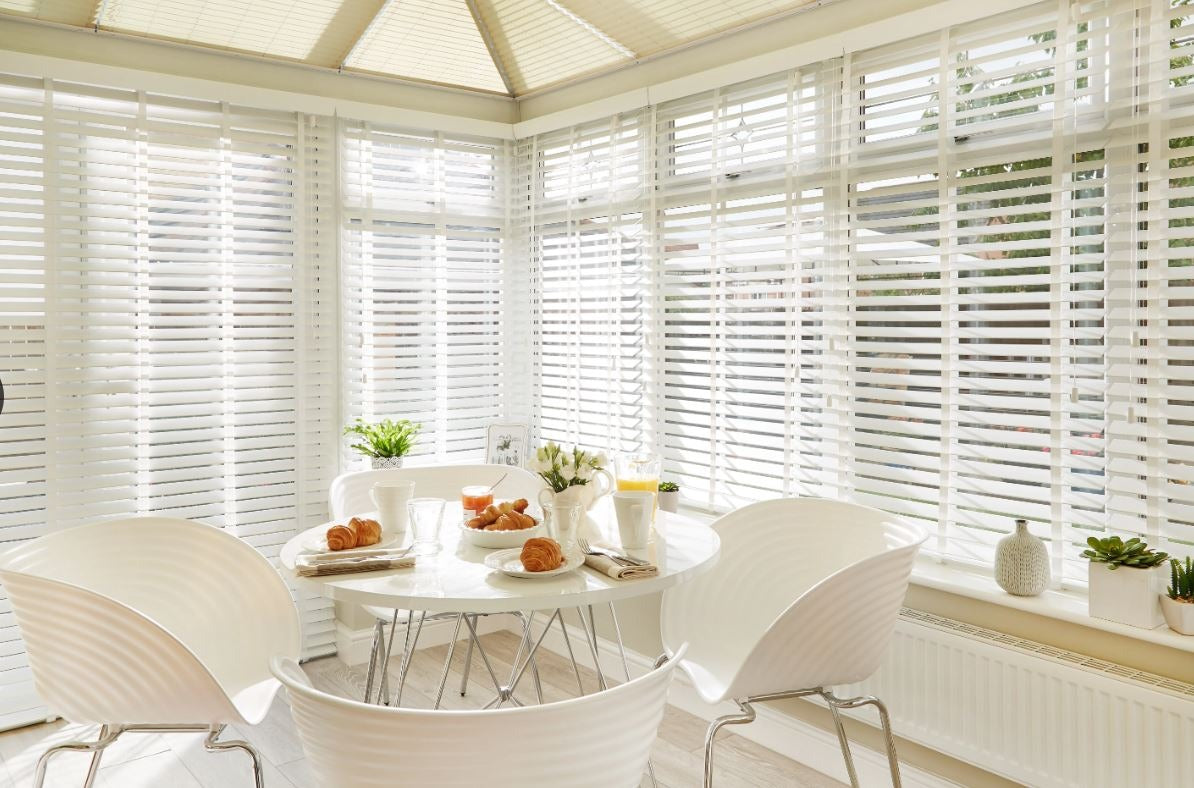 Conservatory
 Office
 Kitchen
 Bathroom
 Dining Room
 Kids Room
 Living Room
 Bedroom
 Bay Window
 Conservatory Window
 Tild and Turn Window
 Bi Fold Window
 Roof of Skylight
 French Door
 Sliding Door
Best Blinds for Conservatory Glass: Roof, Sides and the Part People Forget
- by Mariam Labadze
The best blinds for conservatory glass are chosen by surface, not by product, and the surface that matters most is the one above your head. Most of the heat that makes a conservatory unusable in July arrives through the roof, and most people spend their budget on the walls.
That is the whole argument of this article. Rank by surface, fit the roof first if you can only do one thing, and treat the doors as the third job rather than no job at all. The best blinds for conservatory walls will not save a room with bare roof glass.
Key Takeaways
-
Roof glass does the damage. Overhead panels take the sun at the steepest angle for the longest part of the day.
-
Pleated systems own the roof. They sit in the glazing bar line and follow the slope, which rollers and verticals cannot.
-
Sides are a free choice. Vertical, roller and perfect fit all work on a wall, so pick on glare and view.
-
Doors are the forgotten surface. Glare at eye level and the winter draught both come from there.
-
Roof first, every time. The best blinds for conservatory heat go overhead, and half a budget spent there beats a full one at the sides.
Why the Best Blinds for Conservatory Glass Start at the Roof
Sit in a south-facing conservatory at two in the afternoon in June and notice where the heat is coming from. It is above you. The sun is high, the roof panels face it almost square on, and glass that takes the sun at that angle passes far more energy than a vertical pane does at the same hour. The walls get the morning and the evening. The roof gets the middle of the day.
This is why so many conservatories end up dressed at the sides and still unusable in summer. The owner has covered the glass they can see from the sofa and left the glass that is actually heating the room. If you look at the best blinds for conservatory glass as a single job, the ranking falls out on its own: roof, then sides, then doors.
There is an honest exception. An east or north-facing conservatory with a solid roof has a different problem, early glare and winter cold rather than midday heat, and there the sides and doors come first. Check which way yours faces before ordering.
Roof: Pleated and Clip-In Systems
A conservatory roof is a sloped, trapezoidal surface divided by glazing bars, and almost nothing hangs on it. Gravity rules out any blind that relies on its own weight to stay flat, which removes rollers, verticals and venetians in one go. What works is a system held at both top and bottom so the fabric stays under tension against the glass whatever the angle.
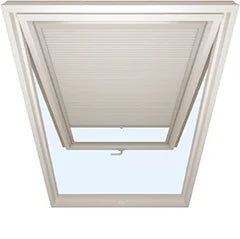
In practice that means a pleated fabric in a tensioned frame, usually running on wires or in side channels fixed to the glazing bars. pleated conservatory blinds sit close to the panel, which matters twice over: the fabric shades the glass before the heat is fully in the room, and the small gap between fabric and pane does something useful on a cold night as well.
Clip-in systems are the version most people buy, because they fit panel by panel without drilling the frame. That also means one blind per pane, so a ten-panel roof is ten measurements and ten blinds, and the cost mounts faster than anyone expects. This is where the best blinds for conservatory roofs stop being a product decision and start being a budget one.
The weakness is worth stating. Conservatory roof blinds are the hardest part of the room to reach, so they are the hardest to clean, and a pleated fabric sagging at one corner is obvious from every seat. Buy properly here or leave the roof bare and accept the room is a spring and autumn space.
Sides: Vertical, Roller and Perfect Fit
Walls are the easy surface and that is the good news. Glass is vertical, the openings are usually rectangular, and almost any blind will hang on them, so the choice comes down to how you use the room rather than what the glass will take.
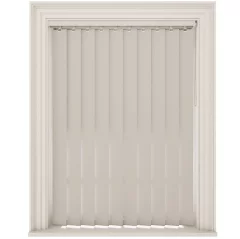
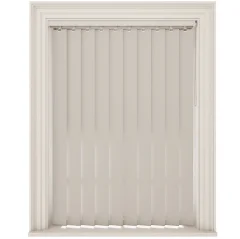
vertical blinds remain the default in a conservatory for a reason: louvres tilt to cut low morning and evening sun without closing the room off, and they draw back to one side so a whole run of glass clears in one movement. The downside is movement. A conservatory is full of draughts from doors and roof vents, and vertical louvres swing and tap in a way that drives some people out of the room.
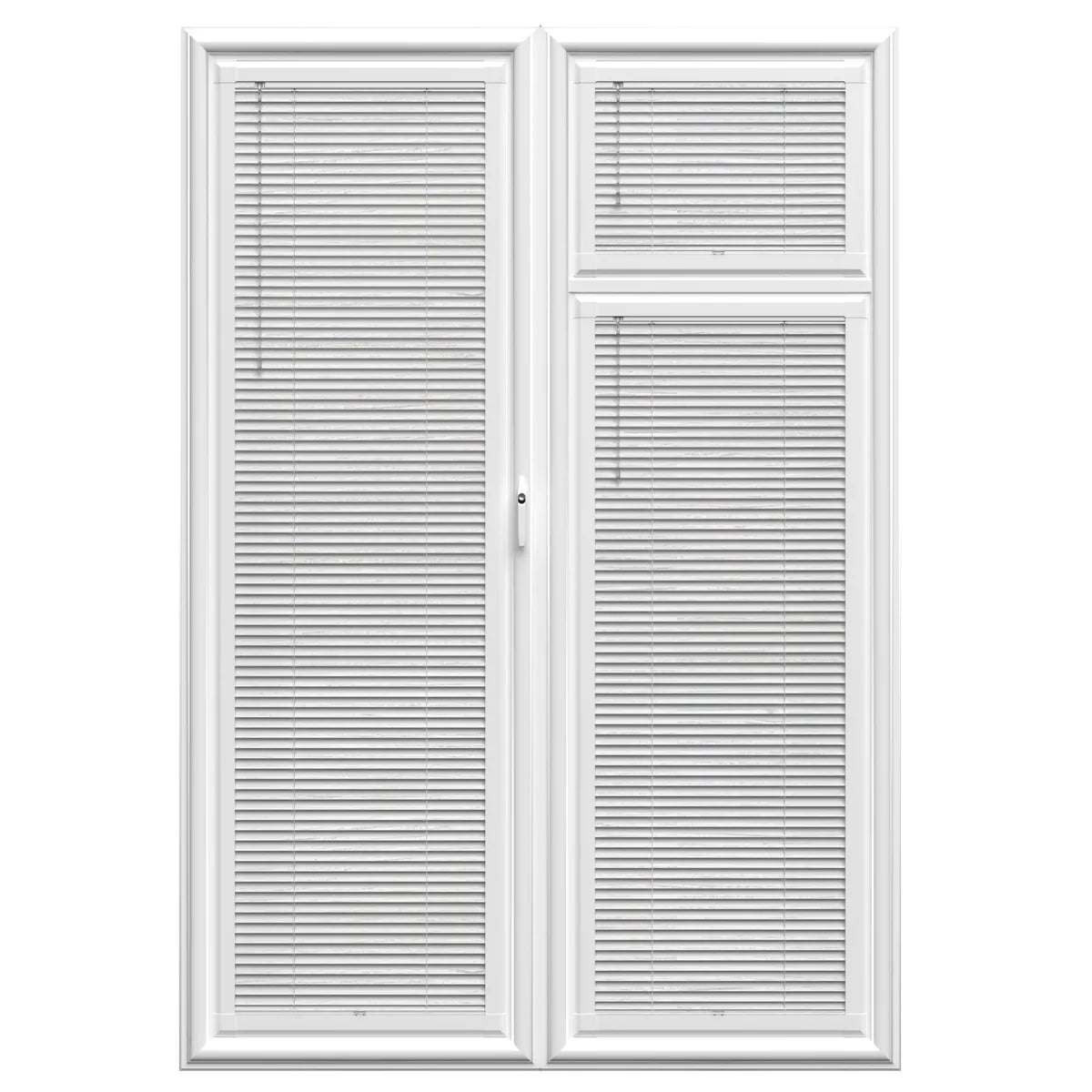
Rollers are quieter and cheaper and give a clean line, but they are an up or down choice with no middle, so you lose the tilt that makes a conservatory bearable at the edges of the day. Perfect fit frames clip into the glazing bead, sit tight to the glass and never need drilling, which suits a rented house or a conservatory where every wall is glass and there is nowhere to fix a bracket.
A point that gets missed: the best blinds for conservatory walls are solving glare and privacy, not heat. Conservatory blinds bought to cool a room whose roof is still bare are treating the wrong surface, however good the fabric is.
Doors: The Surface Everyone Skips
Doors are the part people forget, and the best blinds for conservatory doors have a job the other two surfaces do not. This is the only glass in the room at eye level: where the glare lands when you are sitting down, where the view matters most, and where the cold comes in once the clocks change.
The problem with a conservatory door is mechanical rather than thermal. A blind hung over a door has to move with the door or clear it entirely, and anything loose will swing and catch every time the door opens. french door blinds fitted to the leaf itself solve this: the blind travels with the door, held top and bottom so nothing swings, and the handle stays usable.
Bifold and sliding runs need a different answer, usually a vertical track to one side or a perfect fit frame per leaf. Whatever you choose, measure the handle. A door blind that fouls the handle is the most common fitting complaint in a conservatory and it is almost always a measuring error rather than a product fault.
Summer Heat Against Winter Cold
Most people buy blinds for a conservatory in July and discover the room has a second problem in January. The two are not solved by the same fabric, and anyone claiming one product fixes both is selling.
Summer is about keeping energy out, which is a light-coloured face turned to the glass, and it is almost entirely a roof job. Winter is about slowing the heat leaving, which depends on trapping still air against the pane, so it needs a fabric sitting close to the glass with its edges reasonably contained. thermal blinds and honeycomb constructions are built for that second job, and a honeycomb cell holds air in a way a flat fabric cannot.
Be realistic about the scale of it. Thermal blinds for conservatory use will take the edge off a cold room and make the evenings longer at both ends of the season. They will not turn a single-glazed conservatory into a living room in February, and no blind sold anywhere will. If your roof is polycarbonate, the fabric is managing a problem the structure created.
So the order for the best blinds for conservatory glass stands. Roof first, because that is where summer is won. Sides second, for glare and privacy. Doors third, because that is where winter gets in and where you are actually looking. Spend in that sequence and the room works for more months than it did.
Frequently asked questions
What blinds are best for a conservatory?
The best blinds for conservatory glass depend on the surface. On the roof, a pleated or clip-in system held at both ends, because nothing else stays flat against a slope. On the side walls, vertical louvres for tilt and a clean draw, or perfect fit frames where there is nowhere to drill. On doors, a blind fixed to the leaf so it travels with the door. Fit the roof first if the budget stretches to one surface only.
Are conservatory roof blinds worth it?
In a south or west-facing conservatory with a glass or polycarbonate roof, they are the single change that makes the room usable in summer, so yes. In a north-facing room or one with a solid roof, the money is better spent on the sides and doors. The caveat is cost: roof systems are priced per panel, so a large roof is a serious outlay and worth quoting before you commit.
How do you clean conservatory roof blinds?
Lower each panel so you can reach the fabric, then vacuum it with a soft brush attachment and spot clean marks with a barely damp cloth, working along the pleats rather than across them. Avoid soaking a pleated fabric, because water sitting in a fold leaves a line as it dries. Wipe the side channels and wires too, since dust in the track is what makes a roof blind stick.