Skip to content


 Vertical Blinds
 Roman Blinds
 Roller Blinds
 Venetian Blinds
 Day and Night Blinds
 Skylight Blinds
 Children
 Wooden Blinds
 Curtains
 Blinds Accessories
 White
 Yellow
 Gold
 Green
 Grey
 Pink
 Orange
 Animal
 Floral
 Geometric
 Striped
 Motorized Day and Night Blinds
 Motorized Roller Blinds
 No Drill Rollers
 Perfect Fit Wooden
 Perfect Fit Metal
 Thermal Blinds
 Better Sleep Blinds
 Cordless Blinds
 No Drill Blinds
 Blackout Blinds
 Waterproof Blinds
 Easy Wipe Blinds
 Taped Blinds
 Conservatory
 Office
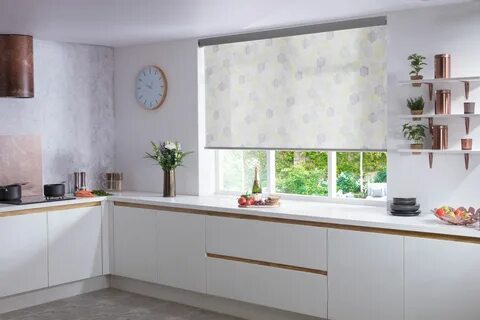 Kitchen
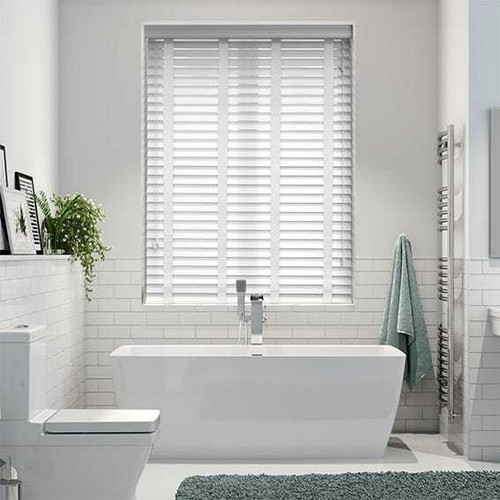 Bathroom
 Dining Room
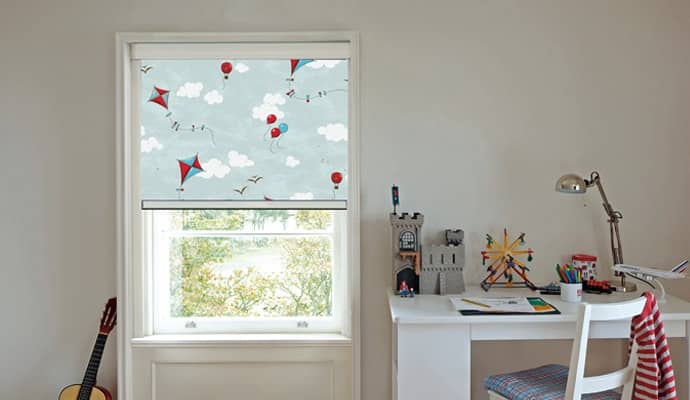 Kids Room
 Living Room
 Bedroom
 Bay Window
 Conservatory Window
 Tild and Turn Window
 Bi Fold Window
 Roof of Skylight
 French Door
 Sliding Door
Total Blackout Blinds: What the Word Total Is Actually Promising
- by Mariam Labadze
Total blackout blinds are judged by one test: stand in the room at midday, drop the blind, and look for a line of light around the window. If you can still see the shape of the opening, the word total was marketing. The fabric is rarely what fails. The four edges around it almost always are.
No British standard sits behind the word. No test house signs it off, no label backs it, and two retailers can use it for products that behave nothing alike. So the only definition of total blackout blinds worth having is the one your own eyes apply in your own bedroom, in June, at the hour you want to still be asleep.
Key Takeaways
-
No standard backs the word. Nothing certifies total blackout blinds, so compare behaviour and hardware rather than marketing labels.
-
Edges fail before fabric does. Nearly any opaque cloth blocks light completely; the perimeter around it is what you end up seeing.
-
The two sides go first. A blind has to hang narrower than its brackets, which leaves a bright line down each reveal.
-
Side channels decide it. Without tracks, total blackout blinds are a fabric claim with nothing holding the perimeter closed.
-
Test at midday in summer. Dusk flatters every blind, and a grey February afternoon tells you almost nothing useful.
What Total Blackout Blinds Are Measured Against
Ask three households what they mean by total blackout blinds and you get three answers. One wants to sleep past sunrise. One wants a projector image to hold its contrast on a bright afternoon. One wants a toddler to nap in midsummer without the room glowing. Those are different jobs, and only the first really needs the perimeter sealed.
Here is a definition you can use. The room counts as dark when you cannot make out the shape of the window from the bed after your eyes have adjusted. Adjusted is doing the work in that sentence. Walk in from a bright hallway and almost any blind looks convincing. Stand there a while and the leaks arrive one by one.
People searching for complete blackout blinds and people searching for total blackout blinds want the same thing, and the trade answers both with the same coated fabrics. What separates one product from another is never the cloth. It is what the maker has done about the four edges, and that is the part a listing photograph is very good at hiding.
The Four Edges, and Which One Fails First
Rank them, because each one has a different cure and only one of them is expensive.
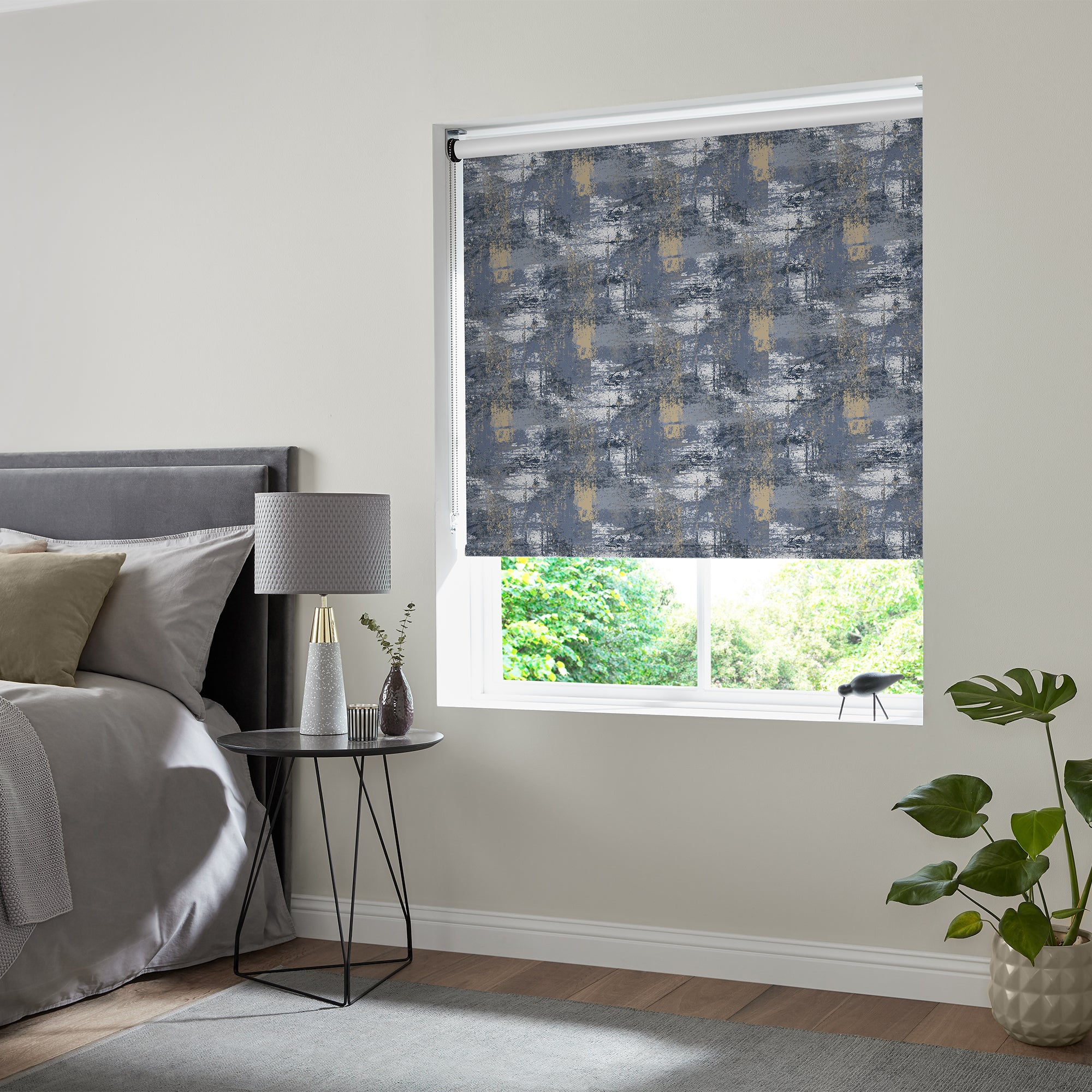
The sides fail first and they fail together. A roller hangs from brackets inside the recess, so the fabric has to be narrower than the opening it covers. The shortfall looks trivial on paper. It does not behave trivially, because early light arrives at a low angle and throws a stripe straight across the room and onto the bed. Side channels screwed to the reveal are the only genuine fix. Everything else reduces the leak rather than removing it, which is where most of the gap between dim and dark lives, and where total blackout blinds are won or lost.
The top is second. Fabric rolls off the front or the back of the tube, and above that roll sits an open space between the brackets and the plaster. A pelmet hides it. A cassette headrail hides it properly. Bare brackets hide nothing.
The bottom is third and the kindest of the four, because light off a sill bounces upward and loses most of its strength on the way. A bottom bar that rests on the sill deals with it.
The fourth edge appears only when total blackout blinds are face fitted: the join between the blind and the wall it hangs on. Perfect fit blackout blinds avoid most of this by clipping into the glazing bead itself, which is why they suit uPVC doors and conservatory frames where there is barely a recess to work with.
Fabric Grade Is the Smallest Part of It
Most blackout cloth is woven polyester with a coating on the back, and once that coating is thick enough to stop light, thicker stops no more light. You hit opaque and the scale ends. That is why fabric grade is a weak way to choose between total blackout blinds and the ordinary sort. The cloth is near enough identical. The hardware is not.
Fabric does decide two other things, and both get confused with darkness. One is heat, where a lined or cellular construction traps air at the glass and a single coated layer does not. If a cold bedroom bothers you as much as a bright one, thermal blinds are the honest search. The other is how the blind looks from the street at night, when any opaque fabric glows faintly with the lamp on behind it.
Slats are the exception that proves the point. Blackout venetian blinds exist as a search and the product cannot deliver what the phrase implies, because a venetian has a gap at every slat and a punched hole at every ladder cord. Tilted hard, you get a dim room with a faint grid on the ceiling. You do not get a dark one.
Rooms Where Total Is Worth Paying For
Not every window earns the cost of total blackout blinds done properly, and pretending it does wastes money that belongs elsewhere.
A bedroom used by someone on nights is the clearest case there is. A nursery in midsummer is the next, because the child wakes with the light and nobody else in the house does. In both rooms the gap between dim and dark is the gap between sleeping and not, and total blackout blinds with tracks are the only thing that closes it reliably. Plain roller blinds in a blackout fabric will get you most of the way and then stop.
A media room is a different requirement wearing the same clothes. Here you are protecting contrast rather than sleep, so a stripe down one reveal matters less than a reflection bouncing off a pale wall. Dark paint around the window does more for that room than another grade of cloth.
Nurseries bring one more thing to weigh, and it is not about light at all. Looped cords near a cot are a hazard every parent has been warned about, so cordless blinds are worth specifying even where the darkness is already handled.
How to Test a Claim Before You Buy
Three questions, asked before you order total blackout blinds, will tell you more than any product page. Does this range take side channels, and are they offered for the fabric you have chosen. Is the headrail a cassette or an open bracket. And does the width you are being asked for include the brackets or only the fabric, because that single answer is what decides how wide your side gaps turn out.
A supplier making made to measure blackout blinds properly will answer all three without reaching for the marketing copy. If the reply is a paragraph about fabric density, you have your answer about the hardware.
Then test what arrives, and test it fairly. Midday, in summer if you can wait that long. Close the blind, shut the door, stand still and let your eyes settle before you judge anything. Look for a line rather than a glow: a line means an edge is open and can be fixed, while an even glow across the whole blind means the fabric is not truly opaque and nothing you screw to the reveal will help. Honest sellers of total blackout blinds will tell you which of the two you are dealing with.
Frequently asked questions
Are blackout blinds effective?
Against the light coming through the glass, yes, completely. A proper blackout fabric is opaque and passes nothing. What limits the result is the perimeter: the sides, the space above the roll and the gap at the sill. Fitted inside a recess with nothing covering the edges, expect a noticeably darker room rather than a genuinely dark one. Add side channels and the claim becomes true.
Which blinds are best for blackout?
A roller in a blackout fabric, running inside side channels, beats everything else in a normal window. Cellular and pleated blinds come close and add insulation. Perfect fit frames work well on doors and conservatory glazing because they sit in the bead. Anything slatted, wooden or aluminium, is the wrong tool here, since every slat and every cord hole is a light path you cannot close.
How do you fit blackout blinds?
Decide between a recess fit and a face fit before you measure, because the two need different numbers. Inside the recess looks tidier and leaks at the sides. Face fitting overlaps the opening and darkens far more at the cost of a bulkier look. If you are using channels, mark and fix those first, check the drop clears handles and radiators, then hang the blind.