Skip to content


 Vertical Blinds
 Roman Blinds
 Roller Blinds
 Venetian Blinds
 Day and Night Blinds
 Skylight Blinds
 Children
 Wooden Blinds
 Curtains
 Blinds Accessories
 White
White Yellow
 Gold
Gold Green
Green Grey
Grey Pink
Pink Orange
 Animal
 Floral
 Geometric
 Striped
 Motorized Day and Night Blinds
 Motorized Roller Blinds
 No Drill Rollers
 Perfect Fit Wooden
 Perfect Fit Metal
 Thermal Blinds
 Better Sleep Blinds
 Cordless Blinds
 No Drill Blinds
 Blackout Blinds
 Waterproof Blinds
 Easy Wipe Blinds
 Taped Blinds
 Conservatory
 Office
 Kitchen
 Bathroom
 Dining Room
 Kids Room
 Living Room
 Bedroom
 Bay Window
 Conservatory Window
 Tild and Turn Window
 Bi Fold Window
 Roof of Skylight
 French Door
 Sliding Door
Blackout Blinds That Fit Inside the Window Frame: What to Know
- by Mariam Labadze
 If you have ever fitted blackout blinds only to find slivers of light creeping around the edges, you are not alone. The problem almost always comes down to how the blind sits within — or outside — the window frame. Fitting blackout blinds inside the window frame (known as recess fitting) gives a sleek, built-in look, but it also introduces the challenge of light gaps. In this guide, we will explain exactly how recess-fit blackout blinds work, how to measure for them, and the practical solutions that deliver genuine darkness in bedrooms, nurseries and home cinemas.
[toc]
Quick Answer: Blackout blinds fitted inside the window frame (recess-mounted) provide a neat appearance but can allow light leakage around the edges. To achieve true blackout, choose a perfect fit or cassette-style blind that sits flush against the glass, or use side channels and pelmets to block residual light. Accurate measuring — width, drop and depth of the recess — is essential for a proper fit.
What Does "Inside the Window Frame" Actually Mean?
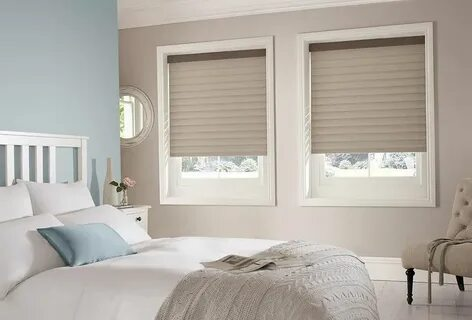
When we talk about fitting blinds inside the window frame, we mean mounting the blind within the window recess so it sits between the two reveals (the vertical sides of the recess). The blind hangs inside the opening rather than overlapping the wall around it. This is sometimes called recess fitting, inside mounting or reveal fitting — they all describe the same approach.
The alternative is face fixing (or outside mounting), where the blind is attached to the wall or fascia above the window and hangs over the entire opening. Face fixing naturally blocks more light because the fabric extends beyond the frame on all sides, but it also looks more prominent and takes up wall space.
Why Homeowners Prefer Recess Fitting
Recess fitting is popular for several reasons. It creates a streamlined, contemporary look because the blind tucks away neatly. It does not interfere with curtains if you want a layered window treatment. And it keeps the window sill free for plants, ornaments or a child's reading nook. For anyone who values a clean, minimalist aesthetic, a recess-fit blind is the obvious choice.
The Light Gap Problem with Recess-Fit Blackout Blinds
Here is the reality: a standard roller blind mounted inside the recess will almost always leave small gaps between the fabric edge and the window reveal. These gaps are typically 5–10 mm on each side, and light passes through them freely. In a bright room during summer, those thin strips of daylight can be enough to wake a light sleeper or ruin a film screening.
The gaps exist because the blind must be slightly narrower than the recess to fit without jamming. If the fabric were cut to the exact recess width, it would rub against the reveals, crease and eventually tear. Manufacturers therefore recommend deducting 10–15 mm from the recess width to allow clearance.
Where Light Leaks Occur
-
Sides: The clearance gap between the fabric edge and the reveal on each side.
-
Top: Above the roller tube or headrail, light can pass over the mechanism.
-
Bottom: If the blind does not sit flush against the sill, light enters beneath it.
Solutions for True Blackout Inside the Frame
Fortunately, the industry has developed several effective ways to eliminate — or drastically reduce — light leakage on recess-fit blinds. Here are the options worth considering.
Perfect Fit Blinds
Perfect fit blinds clip directly onto the window bead (the frame around the glass pane) using a tension system. Because they attach to the glass unit itself, there is virtually no gap between the blind and the frame. This makes them one of the most effective solutions for blackout inside the window frame. They are also completelyno-drill, so you will not mark uPVC or aluminium frames.
At 1ClickBlinds, perfect fit options are available in roller and pleated styles, and they work particularly well on tilt-and-turn windows and doors where a conventional blind would swing about.
Cassette Headbox Systems
A cassette headbox encloses the roller tube in a slim aluminium or plastic housing. When mounted inside the recess, the cassette sits tight against the top reveal and blocks light from escaping over the top. Some cassette systems also include side channels (guide rails) that the fabric slides within, sealing the sides as well. This combination — cassette plus side channels — is as close to total blackout as a roller blind can achieve.
Side Channels and Guide Rails
If you already own a recess-fit roller blind, retrofitting side channels can make a significant difference. These are slim plastic or aluminium tracks fixed to the reveals. The fabric edges slot into the channels as the blind is lowered, preventing light from passing through the side gaps. They are inexpensive and relatively simple to install with a few screws.
Honeycomb (Cellular) Blackout Blinds
Honeycomb blinds have a cellular structure that traps air for insulation, and the blackout versions use an opaque inner layer. Their design means they sit closer to the glass than a roller blind, and when paired with a perfect fit frame, they offer excellent light blocking. Theno-drill honeycomb blackout blindis a popular choice for nurseries and bedrooms where both darkness and energy efficiency matter.
How to Measure for Blackout Blinds Inside the Window Frame
Accurate measurement is the single most important step. A blind that is too narrow will leave larger light gaps; one that is too wide will not fit into the recess at all.
Step-by-Step Measuring Guide
-
Measure the width at three points — top, middle and bottom of the recess. Record the narrowest measurement in millimetres. Recesses are rarely perfectly square, and you need the smallest figure to ensure the blind fits.
-
Measure the drop (height) at three points — left, centre and right. Again, take the shortest measurement.
-
Measure the recess depth. This is the distance from the front edge of the recess to the window. You need enough depth for the blind mechanism to fit without protruding. Most roller blinds require a minimum depth of 60–75 mm. Perfect fit blinds need far less because they attach to the bead.
-
Check for obstructions. Window handles, trickle vents and security stays can prevent a blind from lowering fully. Note their positions before ordering.
Most suppliers, including 1ClickBlinds, will ask you to enter the exact recess measurements and will make the necessary deductions automatically. Do not deduct anything yourself unless the instructions specifically say so — double-deducting is a common mistake that results in a blind that is far too small.
Choosing the Right Fabric for Blackout
Not all fabrics labelled "blackout" perform equally. Genuine blackout fabric blocks 99–100% of light passing through it. The issue is not the fabric itself but the light that travels around it. That said, fabric choice still matters.
-
Coated blackout: A standard fabric with an acrylic foam coating on the reverse. Effective and affordable, but the coating can crack or peel over time if exposed to excessive heat.
-
Woven blackout: The opacity is achieved through tightly woven layers rather than a coating. More durable and less prone to degradation, but typically costs more.
-
Thermal blackout: Adds an insulating layer that reflects heat, helping to keep rooms cooler in summer and warmer in winter.
Browse the full range ofblackout blindsto compare fabric types and colours suited to your room.
Recess Fit vs Face Fix: Which Is Better for Blackout?
For sheer light-blocking performance, a face-fixed blind with generous overlap will outperform a basic recess-fit blind every time. However, a recess-fit blind paired with a cassette, side channels or a perfect fit frame can match — and sometimes exceed — the performance of a face-fixed blind, because the frame itself acts as a seal.
The best choice depends on your window type, room decor and how critical total darkness is. For bedrooms, nurseries and shift workers' rooms, investing in a perfect fit or cassette system inside the recess is well worth it. For living rooms or kitchens where some ambient light is acceptable, a standard recess-fitroller blindin blackout fabric will be more than sufficient.
Frequently Asked Questions
Can you get full blackout with blinds inside the window frame?
Yes, full blackout is achievable inside the frame by using perfect fit blinds, cassette systems with side channels, or honeycomb blackout blinds that sit flush against the glass. These designs eliminate the light gaps that standard recess-fit blinds leave at the sides and top.
How much smaller should a blackout blind be than the window recess?
Typically, a roller blind is manufactured 10–15 mm narrower than the recess width to allow clearance. Most retailers make this deduction automatically when you provide the recess measurement, so enter the exact measurement rather than subtracting yourself.
Are perfect fit blinds good for blackout?
Perfect fit blinds are excellent for blackout because they clip directly onto the window bead, leaving virtually no gap for light to enter. When fitted with genuine blackout fabric, they are one of the most effective solutions for recess-fit darkness without drilling.
Do blackout blinds inside the frame help with insulation?
Yes, particularly honeycomb and thermal blackout blinds. By trapping a layer of air between the fabric and the glass within the recess, they reduce heat transfer through the window. This can help lower energy bills and keep rooms more comfortable year-round.