Skip to content


 Vertical Blinds
 Roman Blinds
 Roller Blinds
 Venetian Blinds
 Day and Night Blinds
 Skylight Blinds
 Children
 Wooden Blinds
 Curtains
 Blinds Accessories
 White
White Yellow
 Gold
Gold Green
Green Grey
Grey Pink
Pink Orange
 Animal
 Floral
 Geometric
 Striped
 Motorized Day and Night Blinds
 Motorized Roller Blinds
 No Drill Rollers
 Perfect Fit Wooden
 Perfect Fit Metal
 Thermal Blinds
 Better Sleep Blinds
 Cordless Blinds
 No Drill Blinds
 Blackout Blinds
 Waterproof Blinds
 Easy Wipe Blinds
 Taped Blinds
 Conservatory
 Office
 Kitchen
 Bathroom
 Dining Room
 Kids Room
 Living Room
 Bedroom
 Bay Window
 Conservatory Window
 Tild and Turn Window
 Bi Fold Window
 Roof of Skylight
 French Door
 Sliding Door
Day and Night Blinds vs Venetian Blinds: Light Control Compared
- by Mariam Labadze
 Day and night blinds and Venetian blinds both promise one thing above all else: the ability to control exactly how much light enters your room. But they achieve this in entirely different ways, and the experience of living with each is surprisingly distinct. One uses soft fabric bands to transition between sheer and opaque. The other uses rigid slats that tilt to redirect or block light. The result is two very different moods, maintenance routines, and practical trade-offs.
This comparison puts both blind types side by side, examining every factor that matters when you are deciding which to fit in your home.
[toc]
Quick Answer: Day and night blinds vs venetian blinds comes down to style and function preference. Day and night blinds provide softer, more gradual light filtering with a contemporary fabric look. Venetian blinds offer more precise directional control, tilting slats to angle light exactly where you want it. Venetians are easier to clean but can feel dated in modern interiors. Day and night blinds are harder to maintain but deliver a sleeker, more current aesthetic.
How Each Blind Controls Light
Day and Night Blind Mechanism
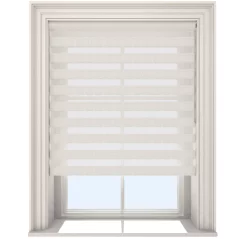
Day and night blindsuse a continuous loop of fabric with alternating sheer and opaque horizontal bands. Two layers of this fabric sit one in front of the other. By raising or lowering the front layer, you shift the alignment of the bands. When sheer aligns with sheer, light floods through in a softened, diffused way. When opaque overlaps opaque, the blind closes and privacy increases dramatically.
The transition is smooth and intuitive. There is no clicking into position or incremental tilting — you simply adjust the fabric until the light level feels right. This analogue quality makes day and night blinds particularly pleasant to use in rooms where the light changes throughout the day.
Venetian Blind Mechanism
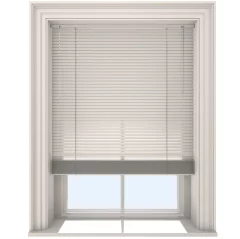
Venetian blindsconsist of horizontal slats — typically aluminium, wood, or faux wood — suspended on cords or tapes. A tilt mechanism rotates all the slats simultaneously, angling them from fully open (horizontal) to fully closed (vertical overlap). The degree of tilt determines how much light enters and, crucially, the direction from which it enters.
This directional control is Venetian blinds' defining advantage. You can angle the slats upward to bounce light onto the ceiling, creating ambient illumination without glare. Or angle them downward to block a high sun while maintaining a view at eye level. No other blind type offers this level of precision over where the light goes once it enters the room.
Light Control Comparison
Privacy Performance
Both blind types handle privacy well, but in different ways. Day and night blinds in the sheer position offer partial privacy — people outside can see shapes and movement but not detail. In the opaque position, privacy is near-complete. The transition between the two is gradual, giving you a spectrum of privacy levels to match the time of day and your comfort level.
Venetian blinds provide adjustable privacy through slat angle. When tilted partially closed, they block sight lines from below (useful for ground-floor windows) while still allowing light in from above. When fully closed, they provide solid privacy, though narrow light lines remain visible between the slats. For absolute privacy without any light gaps, day and night blinds in the closed position have a slight edge.
Aesthetics: Modern vs Classic
The Day and Night Look
Day and night blinds have a distinctly contemporary feel. The horizontal fabric stripes create a textured, layered appearance that works beautifully in modern interiors. The fabric catches light in a way that rigid slats cannot, creating subtle visual interest that changes throughout the day. They are available in a wide range of colours and textures, from neutral linens to bold statement shades.
In open-plan living spaces, kitchens, and modern bedrooms, day and night blinds often feel like the natural choice. They are also striking on larger windows and doors where the repeating stripe pattern has room to make an impact. For added convenience on wide windows,motorised day and night blindsoffer remote-controlled operation.
The Venetian Look
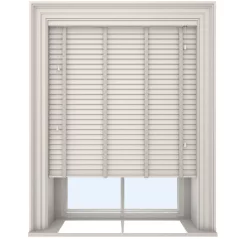
Venetian blinds have a more classic, established aesthetic. Aluminium Venetians suit offices, kitchens, and bathrooms with their clean, industrial feel. Wooden and faux-wood Venetians bring warmth to traditional living rooms and bedrooms, complementing period features and natural materials.Taped Venetian blindsadd an extra design element, with fabric tapes running vertically alongside the slats in coordinating or contrasting colours.
The risk with Venetian blinds is that they can look somewhat utilitarian, particularly the standard aluminium variety. In a room that leans heavily contemporary, they may feel more functional than stylish. Wooden Venetians avoid this by bringing genuine character, but they come at a higher price point.
Cleaning and Maintenance
This is where the two blind types diverge most sharply, and it is often the deciding factor for practical-minded homeowners.
Cleaning Venetian Blinds
Venetian blinds are relatively straightforward to clean but require regular attention. Dust settles visibly on the horizontal slats, particularly on lighter-coloured aluminium versions. A quick wipe with a damp cloth, a feather duster, or a specialist blind-cleaning tool every week or two keeps them looking fresh. Faux-wood and aluminium slats are fully washable and resistant to moisture, making Venetians an excellent choice forbathrooms and kitchens.
Cleaning Day and Night Blinds
Day and night blinds are harder to clean. The dual-layer fabric construction means you cannot simply wipe them down, and the sheer bands are delicate enough that aggressive cleaning can cause damage or misalignment. Light dusting with a soft brush or gentle vacuuming on a low setting is the recommended approach. Spot cleaning with a barely damp cloth is possible, but immersion washing is not.
If you are fitting blinds in a kitchen near the hob, or in a bathroom without good ventilation, Venetian blinds are the more practical option from a maintenance perspective.
Price Comparison
For a standard UK window, aluminium Venetian blinds are typically the most affordable option in either category. Faux-wood Venetians sit in the mid-range. Day and night blinds fall in a similar mid-range bracket, with their dual-fabric construction and mechanism accounting for the higher price compared to basic Venetians.
Real-wood Venetian blinds are the most expensive option in this comparison, particularly in wider sizes where the weight of solid wood slats requires heavier-duty headrails and lifting mechanisms. If you want a premium look without the premium price, faux-wood Venetians or high-quality day and night blinds offer excellent value.
Both types are available asno-drill options, saving you the cost of professional installation.
Room-by-Room Recommendations
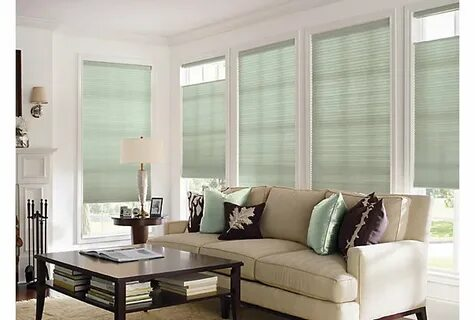
Living Room
Day and night blinds are the stronger choice for living rooms, where their contemporary aesthetic and adjustable light filtering create a versatile, stylish environment. The ability to shift between sheer and opaque modes suits a room that needs to transition from bright daytime socialising to cosy evening relaxation.
Bedroom
Neither blind type is the optimal choice for a bedroom requiring total darkness — adedicated blackout blindwill outperform both. However, if light control rather than total blackout is your goal, day and night blinds in the closed position provide better coverage than Venetians, which inevitably leak some light between slats.
Kitchen
Venetian blinds win in the kitchen. Their moisture resistance, easy cleaning, and ability to direct light away from work surfaces make them the more practical option. Aluminium Venetians in particular are impervious to steam, grease, and cooking splashes.
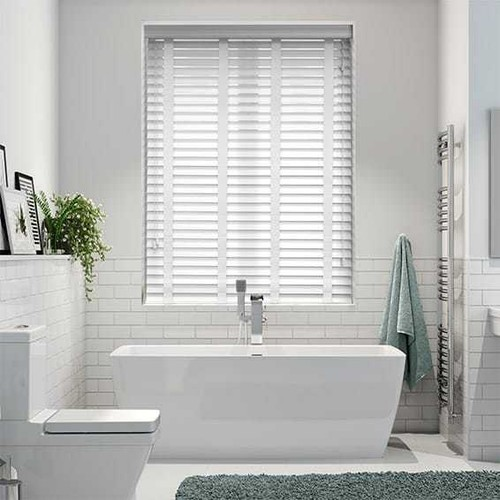
Bathroom
Venetian blinds again, for the same moisture-resistance reasons. Faux-wood Venetians are a popular bathroom choice, offering the warmth of wood without the risk of warping in humid conditions.
Home Office
Venetian blinds have an edge in home offices thanks to their directional light control. The ability to angle slats to eliminate screen glare while preserving ambient light is exactly what a workspace needs. Day and night blinds also work well, particularly for video calls where the soft sheer light is flattering on camera.
Frequently Asked Questions
Are day and night blinds more modern than Venetian blinds?
Day and night blinds have a distinctly contemporary aesthetic with their striped fabric bands, making them a natural fit for modern interiors. Venetian blinds can also look modern, particularly aluminium or slim-slat versions, but their overall design language is more classic. Wooden Venetians suit traditional interiors, while day and night blinds tend to look best in contemporary settings.
Which is better for privacy — day and night or Venetian blinds?
Both offer good privacy when closed, but they work differently. Day and night blinds provide a gradual transition from partial to full privacy by shifting the opaque bands. Venetian blinds allow you to block specific sight lines by angling the slats, which is useful for ground-floor windows overlooked from one direction. For complete privacy with no light gaps, day and night blinds in the fully closed position have a slight advantage.
Can you use day and night blinds vs venetian blinds in a bathroom?
Venetian blinds are the better choice for bathrooms. Aluminium and faux-wood slats resist moisture, steam, and humidity without warping or degrading. Day and night blinds use fabric that can absorb moisture over time, potentially leading to mould or discolouration in poorly ventilated bathrooms. For wet rooms, waterproof Venetian blinds are the recommended option.
Do Venetian blinds block more light than day and night blinds?
Day and night blinds in the fully closed position generally block more light overall, as the overlapping opaque bands create a more continuous barrier. Venetian blinds, even when fully closed, allow thin lines of light between the slats. However, Venetian blinds are superior at redirecting light rather than simply blocking it, which can be more useful in rooms where you want controlled illumination rather than darkness.