Skip to content


 Vertical Blinds
 Roman Blinds
 Roller Blinds
 Venetian Blinds
 Day and Night Blinds
 Skylight Blinds
 Children
 Wooden Blinds
 Curtains
 Blinds Accessories
 White
White Yellow
 Gold
Gold Green
Green Grey
Grey Pink
Pink Orange
 Animal
 Floral
 Geometric
 Striped
 Motorized Day and Night Blinds
 Motorized Roller Blinds
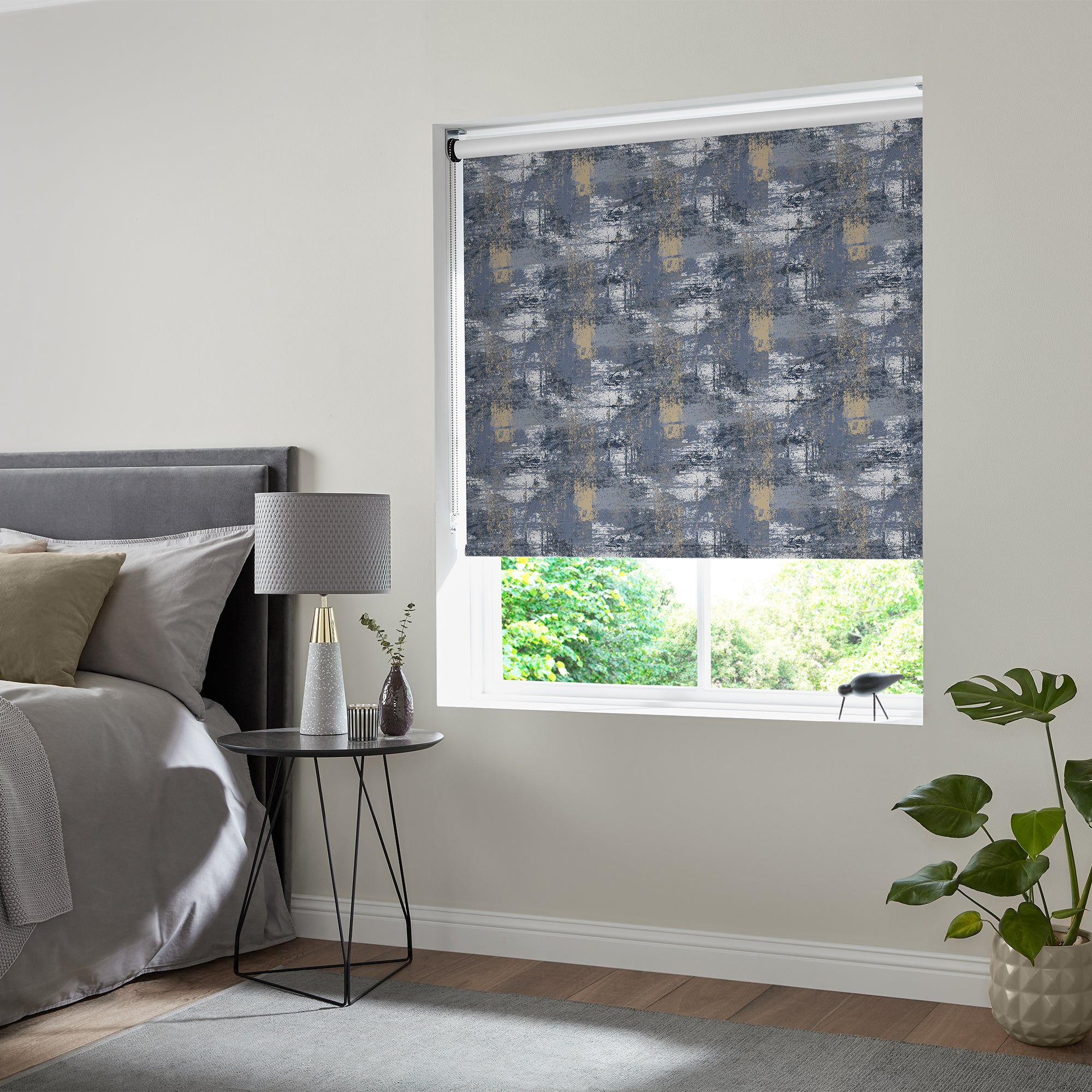 No Drill Rollers
 Perfect Fit Wooden
 Perfect Fit Metal
 Thermal Blinds
 Better Sleep Blinds
 Cordless Blinds
 No Drill Blinds
 Blackout Blinds
 Waterproof Blinds
 Easy Wipe Blinds
 Taped Blinds
 Conservatory
 Office
 Kitchen
 Bathroom
 Dining Room
 Kids Room
 Living Room
 Bedroom
 Bay Window
 Conservatory Window
 Tild and Turn Window
 Bi Fold Window
 Roof of Skylight
 French Door
 Sliding Door
Sliding Patio Door Blinds: The Best Options for Big Glass Doors
- by Mariam Labadze
 The best sliding patio door blinds are ones that clear the door track and slide sideways rather than up and down, which is why vertical blinds and panel systems dominate this space. They cover wide glass in one sweep, give you room-by-room privacy, and let you angle daylight without blocking the view.
Big glass doors are a joy to live with until the afternoon sun turns your sofa into a hotspot, or the neighbours can see straight through after dark. That is where the right sliding patio door blinds earn their keep. The trick is choosing a style that suits the way the door itself moves, because a treatment that fights the door is a treatment you will stop using within a week.
[toc]
What makes sliding patio door blinds different
A patio door is not a window. It is a large opening, often more than two metres wide, with at least one panel that slides across another. Any blind you fit has to work around that movement. If you hang something that lifts vertically, like a standard roller, you either cover the whole span with one huge blind or you block access every time you want to step outside.
Good patio door blinds solve this in one of two ways. They either draw to the side so you can open the working panel freely, or they mount close enough to the glass that the sliding leaf still clears them. The width and weight of the glass also matter. A treatment for patio and sliding door blinds needs a track and fixings built for the span, not scaled up from a small window kit.
The best options for big glass doors
Vertical blinds
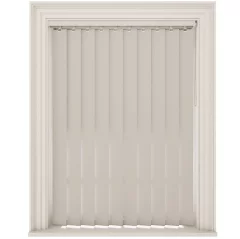
For most UK homes, vertical blinds are the natural first choice. The louvres hang from a headrail, rotate to control light, and stack neatly to one side or split in the middle so you can walk through. Because they draw sideways, they suit the way a patio door already works. You tilt them closed for privacy in the evening, angle them part way to soften glare, or pull the whole set clear when you want the full view.
They also handle scale well. A wide door that would need an awkward oversized roller is comfortable territory for a set of vertical blinds, which spread the covering across many slim louvres. Fabric choice is broad too, from sheer voiles that keep the light while adding privacy to blackout weaves for a room that doubles as a snug. If you are unsure which shade to pick, our guide on choosing the right colour vertical blinds walks through matching them to your walls, floor and the mood you want.
Day and night blinds
If you like the idea of a roller but want more flexibility, day and night blinds are worth a look. They use a double layer of striped fabric, alternating sheer and solid bands. Shift the layers so the solid stripes line up and you get privacy and shade; align the sheer stripes and light floods back in. On a patio door you would typically fit these as a wide single unit or split into two for easier handling.
They give a cleaner, more modern look than louvred styles, which some homeowners prefer on contemporary glass. The catch is that a roller-based system covers the whole opening, so you plan around one panel of the door staying accessible or accept that you raise the blind fully to step out. For the right room, especially a bedroom or media space, day and night blinds strike a lovely balance between control and simplicity.
Panel blinds and other ideas
Panel blinds are the third strong contender. Large flat sections of fabric glide across a multi-track headrail, overlapping as they stack. They read as a piece of moving wall rather than a window covering, which looks striking on a big run of glass and doubles as a room divider if your door opens onto a broader space. They are one of the more design-led patio door blinds ideas for open-plan living.
You will also see roller and Roman blinds fitted to patio doors, and they can work if the door is fixed on one side and only one leaf slides. Just be honest about the daily reality: if a blind stops you opening the door easily, you will resent it. Match the treatment to the movement first, then think about looks.
How to fit blinds to sliding doors
Fitting blinds for sliding glass doors starts with a decision: inside the recess or on the face of the wall above the opening. A recess fit sits the blind within the door frame for a tidy, built-in finish, but you must check the sliding panel and any handles have clearance so they do not catch the louvres or fabric. Face fitting mounts the headrail above the opening on the wall, which is usually the safer bet for patio doors because it gives generous clearance and lets the blind overlap the frame for better light blocking.
Measure carefully. For a face fit, add a margin at each side and above the opening so the blind covers the glass fully and stacks clear of it when open. For vertical or panel systems, decide early whether you want the louvres to draw to the left, to the right, or split in the centre, and make sure they stack on the hinge side of the door rather than in front of the panel you use most. Note the position of handles and the door track so nothing fouls the movement.
For the headrail itself, most sliding door blinds fix with brackets screwed into the wall or the timber frame above. On solid brick or plaster you will want appropriate wall plugs; on a UPVC or aluminium surround, take care to fix into something solid. If drilling near a door frame worries you, or you are renting, look at no-drill options, though on a wide, heavy span a screwed fitting is generally more secure. When in doubt on a large door, a professional measure keeps the fit square and the movement smooth.
Matching the blind to your room
Fabric and colour do more than decorate. On a sun-facing patio door, a lighter, reflective fabric helps with glare and heat, while a denser weave suits a north-facing room that never overheats but needs evening privacy. Think about the floor too: louvres and panels sweep close to it, so allow a small gap to keep the fabric clean and moving freely.
Colour is where a big glass door either blends in or becomes a feature. Soft neutrals let the view and the garden stay the star. A deeper tone frames the glass and adds a bit of drama, particularly with panel blinds. Because patio doors are such a large surface, whatever you choose will carry real visual weight in the room, so it pays to test a sample against your walls and in your actual daylight before committing.
Frequently asked questions
What blinds are best for sliding patio doors?
Vertical blinds are usually the best all-rounder because they draw to the side and match how the door slides, giving privacy, light control and easy access. Panel blinds suit wide, modern openings and can act as a room divider, while day and night blinds are a good pick for bedrooms and media rooms. The right choice depends on which door panel slides and how you use the space.
How do you fit blinds to sliding doors?
You can fit inside the recess for a built-in look or, more commonly, on the wall above the opening for extra clearance. Face fitting is usually best on patio doors because the blind clears the sliding panel and handles. Measure the full opening, add a side and top margin, decide which way the blind stacks, and fix the headrail into solid wall or frame.
Do vertical blinds work on patio doors?
Yes, vertical blinds are one of the most popular and practical choices for patio doors. The louvres tilt for light and privacy and draw sideways so you can open the door without lifting the whole blind. They cover wide spans comfortably and let you stack them clear on the hinge side, keeping the working panel free.