Skip to content


 Vertical Blinds
 Roman Blinds
 Roller Blinds
 Venetian Blinds
 Day and Night Blinds
 Skylight Blinds
 Children
 Wooden Blinds
 Curtains
 Blinds Accessories
 White
White Yellow
 Gold
Gold Green
Green Grey
Grey Pink
Pink Orange
 Animal
 Floral
 Geometric
 Striped
 Motorized Day and Night Blinds
 Motorized Roller Blinds
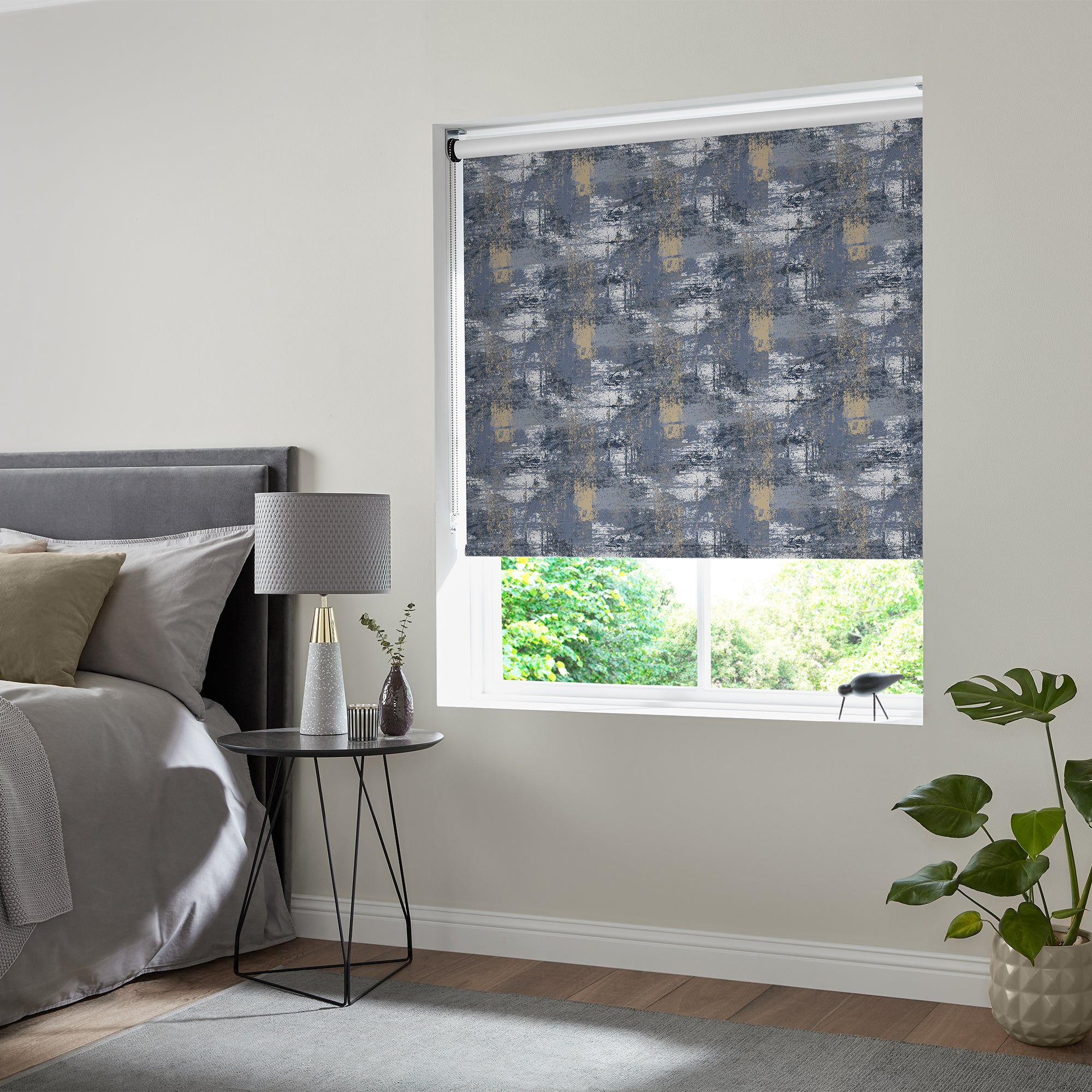 No Drill Rollers
 Perfect Fit Wooden
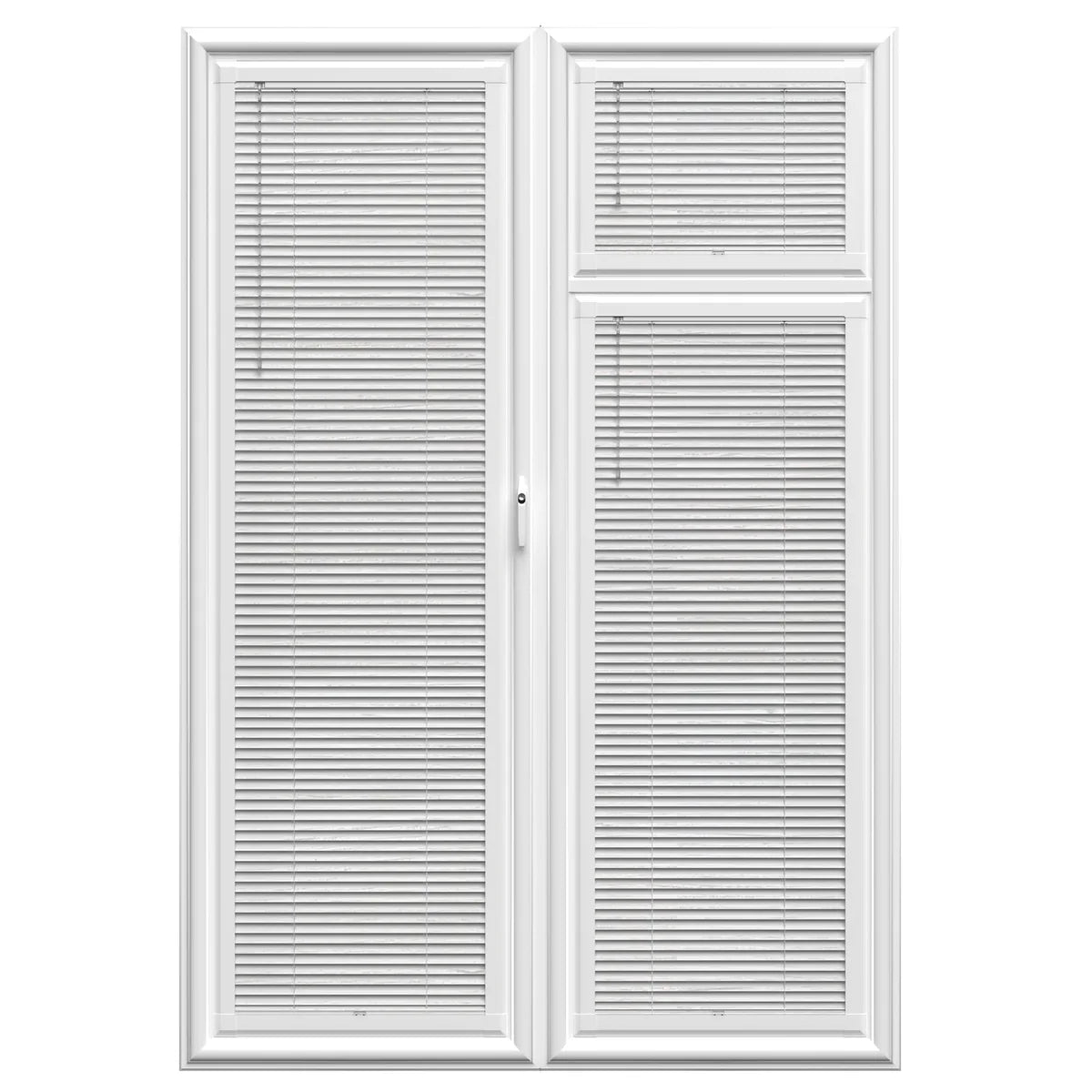 Perfect Fit Metal
 Thermal Blinds
 Better Sleep Blinds
 Cordless Blinds
 No Drill Blinds
 Blackout Blinds
 Waterproof Blinds
 Easy Wipe Blinds
 Taped Blinds
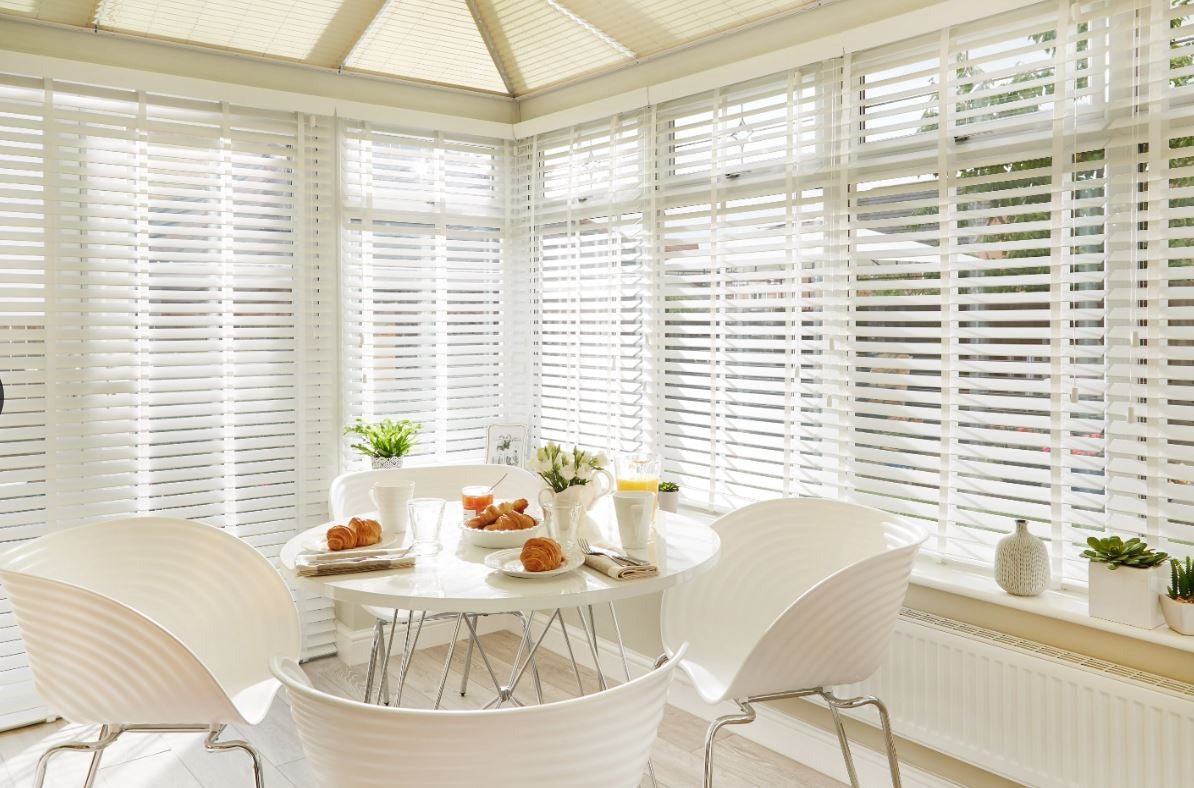 Conservatory
 Office
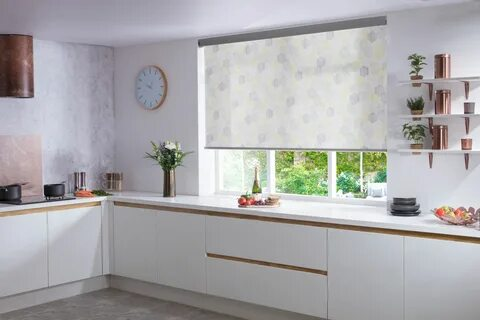 Kitchen
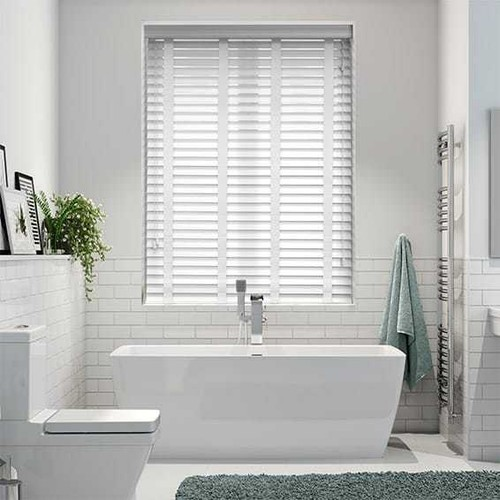 Bathroom
 Dining Room
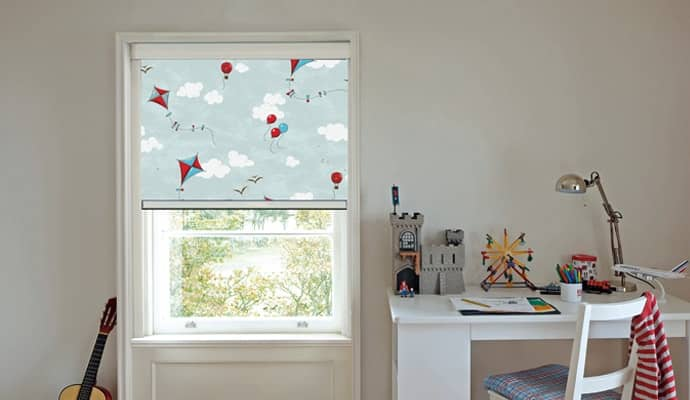 Kids Room
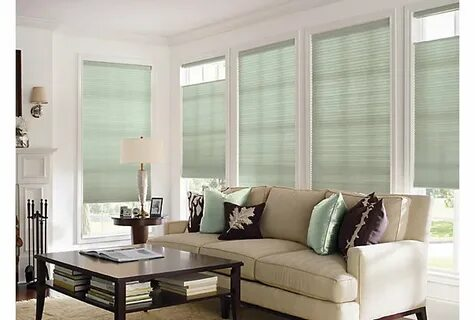 Living Room
 Bedroom
 Bay Window
 Conservatory Window
 Tild and Turn Window
 Bi Fold Window
 Roof of Skylight
 French Door
 Sliding Door
Blackout Roller Blinds: How to Choose the Right One for Dark Rooms
- by Mariam Labadze
 Blackout roller blinds use a densely coated fabric that light cannot pass through, so the blind itself blocks daylight completely across its surface. In practice a room still gets a little light around the edges unless the blind is fitted to control those gaps, so choosing the right fit, mount and fabric matters as much as the blackout weave itself.
For a bedroom that needs to stay dark in June, or a nursery where naps depend on it, this is the format most people reach for first. A roller is simple, sits flat against the window and rolls fully out of the way when you want the light back. The trick is understanding where light actually escapes and setting the blind up so it does not. Here is how to choose one that genuinely darkens the room.
Do blackout roller blinds block all light?
The fabric does. A true blackout weave is coated or backed so no light comes through the material, which is the part people worry about most and the part that is easily solved. Hold a blackout fabric up to a window and you will see the difference against a standard dimout straight away.
Where light gets in is around the blind, not through it. A roller blind is slightly narrower than the fabric roll to let it turn freely, so there is always a thin gap down each side. If the blind is mounted inside the recess, a little daylight can slip past those edges and along the top and bottom. This is normal for the roller format and nothing to do with the quality of the fabric.
So the honest answer is that blackout blinds stop light through the fabric completely, while total room darkness depends on how you handle the edges. For most bedrooms the result is plenty dark for good sleep. For a room where you want cinema-level black, you tackle the gaps directly, which I will come to below.
How to choose blackout roller blinds
Start with the fit, then the fabric, then the fitting method.
Fit: recess or exterior mount
Mounting inside the recess gives the neatest look, with the blind sitting flush within the window frame. It also leaves the small side gaps described above. Mounting outside the recess, on the wall or frame above the window, lets the blind overlap the opening on all sides and cover those gaps far more effectively. For the darkest possible room, an exterior mount that extends beyond the reveal is the single most useful choice you can make.
Fabric: standard blackout or thermal blackout
Not all blackout fabrics are the same. A standard blackout blocks light. A thermal blackout blocks light and adds an insulating layer that helps hold heat in during winter and keep rooms cooler in strong sun. If your dark room is also cold, or a bright loft that overheats, thermal blackout roller blinds earn their place. Our comparison of standard blackout vs thermal blackout walks through when the thermal upgrade is worth it and when a standard blackout is all you need.
Made to measure for a closer fit
An off-the-shelf blind rarely matches your window exactly, and every millimetre of extra gap is a millimetre of light. Made to measure blackout blinds are cut to your window, which keeps the side gaps as tight as the format allows and, on an exterior mount, gives you full control over the overlap. If darkness is the priority, made to measure pays off.
Browse the full roller blinds range to compare blackout fabrics, colours and weights before you settle on one, since the same blind is available in finishes that suit different rooms.
Getting the room properly dark
If the fabric blocks light and you have chosen your mount, the last job is managing the edges. A few approaches, in order of effort:
-
Mount outside the recess and let the blind overlap the opening generously on the sides and top. This alone handles most of the light leak.
-
Fit the blind close to the glass or the wall so there is little room for light to travel around it.
-
For a nursery or a shift worker's bedroom where you want near-total black, consider a side channel or a secondary layer such as a honeycomb blind behind the roller.
That last point is worth expanding. A honeycomb blackout blind fitted snug in the recess can seal the edges in a way a roller cannot, and pairing it with a roller gives you both a clean look and deep darkness. The no-drill honeycomb blackout blind is a good example, and it fits without tools, which brings me to mounting.
No drill options for renters and awkward windows
Not everyone can or wants to drill into a frame. Renters, UPVC windows and tiled reveals all make screwing brackets awkward or unwelcome. No drill roller blinds solve this with tension brackets or adhesive fittings that grip the window frame without a single hole.
For blackout specifically, a no drill fit works best inside the recess on a snug window, since the blind holds tight to the frame. If you need an exterior mount for maximum darkness, you will usually be drilling into the wall above, so weigh up which matters more for that room. Have a look at the no drill blinds options to see which fittings suit your window type.
Where thermal blinds fit in
If the room runs cold or bakes in the sun, it is worth browsing the thermal blinds range alongside the blackout ones. A thermal blackout gives you the darkness plus a real difference in comfort through the extremes of the year, which is a common reason people upgrade for bedrooms and loft conversions.
Frequently asked questions
Do blackout roller blinds block all light?
The fabric blocks light completely, so nothing comes through the material itself. A small amount of daylight can still slip around the sides, top and bottom of the blind because a roller sits slightly narrower than its fabric. Mounting outside the recess with a generous overlap, or adding a side channel, deals with those gaps for near-total darkness.
What is the best blackout roller blind?
The best one is a made to measure blackout roller mounted outside the recess so it overlaps the window on all sides. Choose a thermal blackout fabric if the room is cold or overheats, and a standard blackout if you only need darkness. Fitting matters as much as fabric, so prioritise a close, overlapping fit.
Do blackout roller blinds have side gaps?
Yes, small ones. The roller mechanism needs the fabric slightly narrower than the bracket span so it can turn freely, which leaves a thin gap down each side. Fitting the blind outside the recess, or pairing it with a recessed honeycomb blind, closes those gaps effectively.