Skip to content


 Vertical Blinds
 Roman Blinds
 Roller Blinds
 Venetian Blinds
 Day and Night Blinds
 Skylight Blinds
 Children
 Wooden Blinds
 Curtains
 Blinds Accessories
 White
White Yellow
 Gold
Gold Green
Green Grey
Grey Pink
Pink Orange
 Animal
 Floral
 Geometric
 Striped
 Motorized Day and Night Blinds
 Motorized Roller Blinds
 No Drill Rollers
 Perfect Fit Wooden
 Perfect Fit Metal
 Thermal Blinds
 Better Sleep Blinds
 Cordless Blinds
 No Drill Blinds
 Blackout Blinds
 Waterproof Blinds
 Easy Wipe Blinds
 Taped Blinds
 Conservatory
 Office
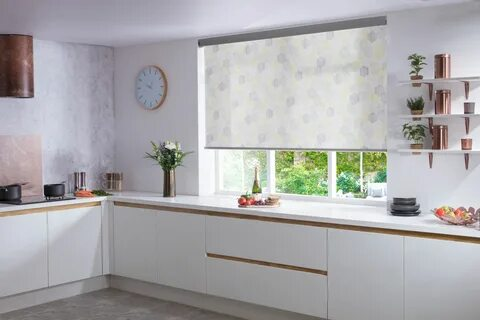 Kitchen
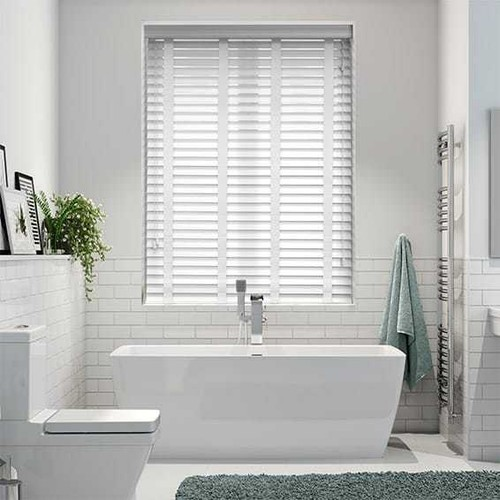 Bathroom
 Dining Room
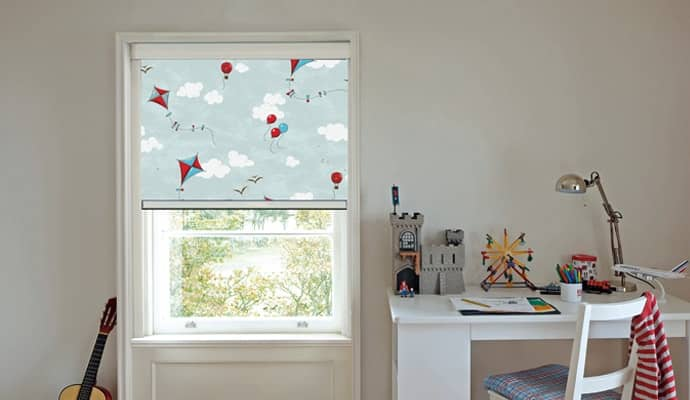 Kids Room
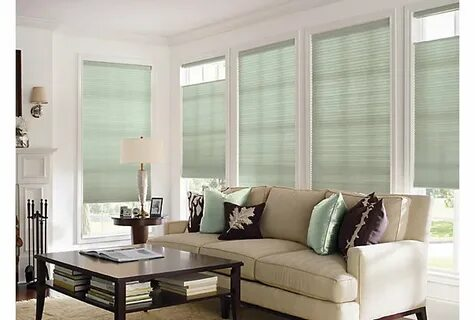 Living Room
 Bedroom
 Bay Window
 Conservatory Window
 Tild and Turn Window
 Bi Fold Window
 Roof of Skylight
 French Door
 Sliding Door
Do Blackout Blinds Really Block 100% of Light?
- by Mariam Labadze

The honest answer is: it depends — not on the fabric, but on how the blind is fitted. Blackout fabric itself genuinely blocks light. A quality blackout liner or coating will stop virtually all light passing through the material. The problem has never been the cloth. The problem is the gap between the blind and the window frame, and that gap is where most blackout blinds fail.
If you have ever bought a blackout blind and been disappointed by the thin strips of light bleeding around the edges, the fabric was not at fault. The fitting was. Understanding the difference between blackout fabric performance and blackout blind installation is the key to actually getting a dark room.
[toc]
What 'Blackout' Actually Means
Blackout is a fabric classification, not a system description. When a blind is labelled blackout, it means the material used for the slats or the roller fabric has been manufactured to a standard that prevents light transmission through the cloth itself. This is typically achieved through a foam backing, a multi-layer weave or a light-blocking coating applied to the reverse of the fabric.
In the UK, fabrics are often rated on a scale from sheer through to total blackout. A true blackout fabric at the top of that scale will allow less than one percent of light to pass through the material when tested in controlled conditions. For practical purposes, the fabric is opaque.
What the blackout classification does not account for is the installation. A perfectly blackout-rated fabric fitted with a 10mm gap on either side of the window frame will still produce visible light bleed — because the light is travelling around the blind, not through it.
Why Most Blackout Blinds Let Light In
Side Gaps
The most common source of light bleed is the space between the edge of the roller blind fabric and the window frame on either side. Standard roller blinds are made slightly narrower than the bracket width, which means there is inherently a small gap when the blind is down. In a bright room during daylight hours, even a gap of five millimetres is enough to cast a visible stripe of light across a wall.
This is a structural issue with the mounting system rather than a fault with any individual product. Brackets sit proud of the window frame, the fabric hangs from the tube, and physics dictates that the fabric will be narrower than the total bracket span.
Top Gaps
Where the headrail meets the top of the window recess, there is often a gap between the roller mechanism and the ceiling or lintel. Light entering here is less obvious than side bleed but contributes to the general sense that the room is not as dark as expected.
Bottom Gaps
At the base of the blind, a standard flat hem bar rests against the window sill or hangs in mid-air if fitted above the sill level. Neither position creates a light-proof seal. Light travels under and around the hem from the external window reveal.
How to Actually Get a Fully Dark Room
Option 1: Perfect Fit Blackout Blinds
The most effective solution to the gap problem is a perfect fit blackout blind. Because the blind clips directly into the inner bead of the window frame with no brackets and no clearance gap, the fabric sits flush against the frame on all four sides. There is no side bleed, no top gap and no space for light to travel around the blind. The blackout fabric then does what it is designed to do — and the result is a genuinely dark room.
Perfect fit blackout blinds are available as roller and pleated styles, and they work on any uPVC or aluminium window. For bedrooms, nurseries and anywhere a reliable blackout result is the priority, this is the most consistent solution on the market.
Option 2: Recessed Fitting With an Oversized Blind
For windows where a perfect fit blind is not suitable — timber frames, non-standard profiles — fitting a standard roller blind inside the recess with as tight a fit as possible reduces, though does not eliminate, side gaps. Some manufacturers offer side channels or U-shaped plastic guides that the fabric travels within, creating a near-sealed edge. These channel systems are an effective upgrade for standard roller blackout blinds and significantly improve performance without changing the blind itself.
Option 3: Face-Fixing Beyond the Frame
Face-fixing a blackout roller blind well outside the window recess — extending the bracket positions beyond the frame on all sides — means the fabric covers not just the glass but the surrounding wall or frame. Light has no gap to travel through because the fabric extends past every edge of the window opening. The visual result is a larger blind rather than a recessed one, which suits some interiors better than others.
Which Rooms Need True Blackout Performance?
Not every room that uses a blackout blind actually requires total darkness. In a living room, a blackout blind is often chosen to reduce glare on a television screen or manage afternoon sun — for that purpose, a standard roller blackout blind with minor side bleed is perfectly adequate.
The rooms where genuine light exclusion matters are bedrooms — particularly children's bedrooms and nurseries where early morning light disrupts sleep — and any room used by shift workers who need to sleep during daylight hours. For these applications, the gap-sealing solutions described above are worth the additional effort and cost.
Nurseries deserve particular mention. Blackout blinds are widely cited as one of the most effective environmental changes for improving infant sleep, and the difference between a blind that merely dims the room and one that genuinely darkens it is often felt immediately. Blackout blinds for children's rooms fitted in a perfect fit format or with side channels will consistently outperform standard installations.
Does the Blind Colour or Fabric Weight Affect Performance?
Within the blackout fabric category, colour and weight have minimal effect on light-blocking performance once you are above the blackout classification threshold. A light grey blackout fabric and a dark navy blackout fabric will perform almost identically in terms of light transmission — the difference is aesthetic, not functional.
What does affect performance is the quality of the blackout coating or backing. Budget blackout fabrics sometimes use a single-pass coating that can degrade over time or develop small pin-hole imperfections in the lining. A good-quality blackout fabric uses a multi-layer construction — typically a woven face, a foam or acrylic coating layer, and a backing — that maintains its performance over the life of the blind. When comparing blackout blinds, it is worth checking the fabric specification rather than assuming all blackout fabrics perform equally.
The Straight Answer
Blackout fabric does block effectively all light that passes through it. What blackout blinds cannot do, by themselves, is prevent light travelling around them through gaps created by the fitting. A standard roller blackout blind will significantly darken a room but will rarely produce complete darkness. A perfect fit blackout blind, or a standard blind fitted with side channels or extended well beyond the frame, can produce a genuinely dark room.
If total darkness is the goal, the fitting matters as much as the fabric. Choose a mounting solution that eliminates the gaps, and the blackout fabric will do the rest. Browse the full range of blackout roller blinds and perfect fit options to find the right combination for your window.