Skip to content


 Vertical Blinds
 Roman Blinds
 Roller Blinds
 Venetian Blinds
 Day and Night Blinds
 Skylight Blinds
 Children
 Wooden Blinds
 Curtains
 Blinds Accessories
 White
White Yellow
 Gold
Gold Green
Green Grey
Grey Pink
Pink Orange
 Animal
 Floral
 Geometric
 Striped
 Motorized Day and Night Blinds
 Motorized Roller Blinds
 No Drill Rollers
 Perfect Fit Wooden
 Perfect Fit Metal
 Thermal Blinds
 Better Sleep Blinds
 Cordless Blinds
 No Drill Blinds
 Blackout Blinds
 Waterproof Blinds
 Easy Wipe Blinds
 Taped Blinds
 Conservatory
 Office
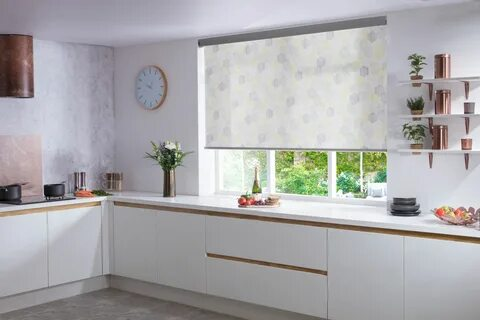 Kitchen
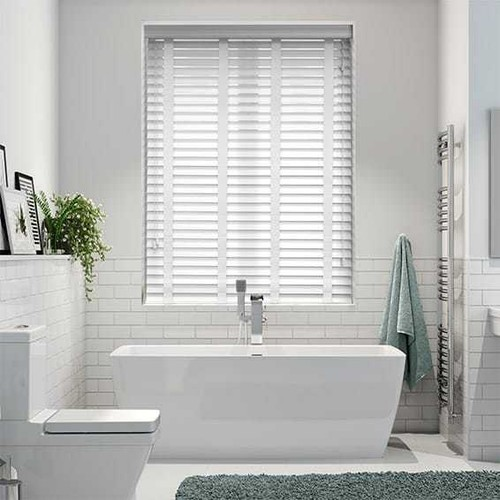 Bathroom
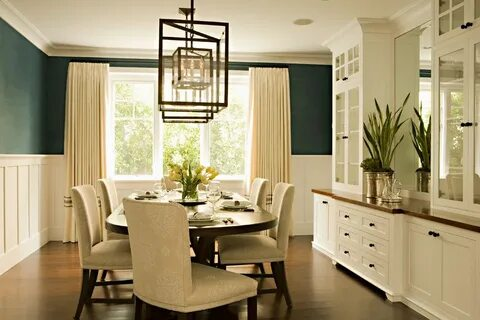 Dining Room
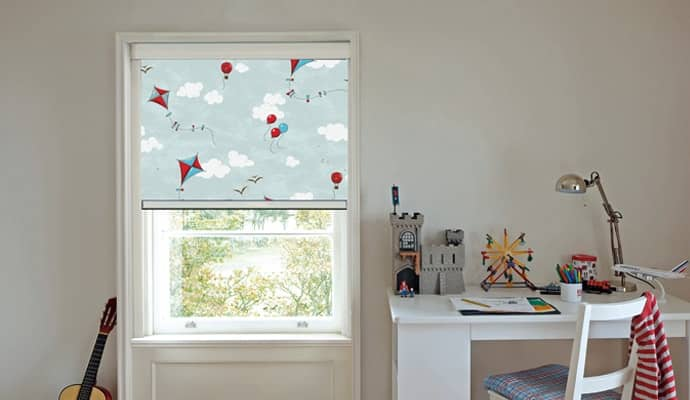 Kids Room
 Living Room
 Bedroom
 Bay Window
 Conservatory Window
 Tild and Turn Window
 Bi Fold Window
 Roof of Skylight
 French Door
 Sliding Door
Non-Drill Honeycomb Blackout Blinds vs. Standard Cellular Shades: Why the Integrated Frame Matters
- by Mariam Labadze
 Quick Answer (The Performance Verdict)
In the advanced window treatment market of 2026, the term "Cellular Shade" covers a wide spectrum of performance. However, there is a fundamental engineering divide between a standard hanging shade and an integrated system.
-
Non-Drill Honeycomb Blackout Blinds: These represent the pinnacle of integrated performance. By combining a foil-lined cellular fabric with a four-sided "Perfect Fit" frame, they eliminate light leakage and thermal bypass. They are the definitive choice for those seeking 100% darkness and maximum Thermal Blinds efficiency.
-
Standard Cellular Shades: While they offer the same basic "honeycomb" fabric, they are usually mounted via top-only brackets. This leaves large gaps at the sides and bottom, allowing light "halos" and cold drafts to enter the room.
If your goal is absolute sleep quality and the highest energy ROI, the Non-Drill Honeycomb Blackout Blinds system is the only logical investment. Standard shades are a budget-friendly option for rooms where total light exclusion is not a priority.
[toc]
1. The Geometry of Light: Why "Fabric Only" Isn't Enough
To understand why the integrated frame matters, we must look at how light behaves in a domestic setting. Most consumers believe that buying a "Blackout" fabric is enough to achieve a dark room. This is a common misconception.
The Perimeter Problem:
A standard cellular shade hangs from a top rail. Because it needs to move freely up and down, there must be a clearance gap between the fabric and the window recess (usually 10-15mm on each side). In 2026, with the intensity of urban light pollution, these gaps act as "light pipes," reflecting light off the window sill and side walls, which can illuminate a bedroom enough to disrupt REM sleep.
The Integrated Solution:
Our Non-Drill Honeycomb Blackout Blinds utilize an aluminum frame that clips directly into the window beading. The fabric runs within side channels. This physical barrier blocks the "Light Halo" entirely. By sealing the perimeter, you ensure that the 100% blackout property of the fabric is actually translated into 100% darkness for the room.
2. Thermal Bypass: The Silent Energy Thief
In 2026, the efficiency of a home is measured by its "air-tightness." Windows are the primary site of Thermal Bypass—a phenomenon where cold air "slips" around a window treatment.
-
Standard Shades: Even if the honeycomb cells are trapping air, cold air from the glass can still "pour" out from behind the blind through the side gaps. This creates a convection current that makes the room feel draughty despite the heating being on.
-
Integrated Frames: By sealing the blind against the window glass using a No Drill Blinds frame, you create a pressurized air pocket. This stationary air is one of the best insulators found in nature. This is why integrated honeycomb systems are often rated 30-40% more efficient than their hanging counterparts.
3. The Science of the "Foil-Lined" Cell
Not all honeycomb fabrics are created equal. In 2026, the difference lies in the internal lining.
Standard Cellular: Usually consists of one or two layers of non-woven polyester. While good for diffusing light, it often allows a "glow" to pass through the material.
Blackout Honeycomb: Our Non-Drill Honeycomb Blackout Blinds feature a microscopic layer of aluminum foil inside each hexagonal cell. This serves two purposes:
-
Total Opacity: It physically stops 100% of visible light.
-
Radiant Heat Reflection: In the summer, it reflects infrared radiation back through the glass, preventing the "greenhouse effect" in south-facing rooms.
4. Acoustic Insulation: Creating a Silent Sanctuary
An overlooked benefit of the integrated frame is sound reduction. Noise pollution from traffic, sirens, and neighbors travels through windows as vibration and air-borne waves.
A standard hanging shade does very little to dampen sound. However, a honeycomb fabric contained within a frame acts like an acoustic "gasket." The multi-layered fabric and trapped air cells disrupt sound waves, while the frame prevents noise from leaking around the edges. For urban residents in 2026, this contributes to a significantly quieter and more peaceful living environment.
5. Child and Pet Safety: The Cordless Standard
The integrated frame system has fundamentally changed the safety profile of cellular shades.
Standard Shades: Often utilize "hidden" cords that run through the fabric, but they still frequently have a pull-cord or a continuous loop for operation.
Non-Drill Integrated Blinds: Are 100% Cordless. They are operated by a small, discrete handle on the bottom bar. There are no dangling strings, no cleats, and no loops. This makes them the safest possible choice for nurseries and playrooms, exceeding the most stringent 2026 safety regulations.
6. Durability and "Telescoping" Prevention
Mechanical failure is the biggest "hidden cost" of cheap window treatments.
-
The Problem with Standard Shades: If a hanging shade is pulled slightly unevenly, the internal cords can become tangled, or the fabric can "telescope" (roll or fold unevenly). This leads to frayed edges and eventual mechanical failure.
-
The Frame Advantage: In an integrated system, the fabric is guided by the side channels of the frame. It is physically impossible for the blind to move out of alignment. This ensures that the blind operates as smoothly on day 1,000 as it did on day 1.
7. Installation ROI: Protecting Your uPVC Windows
In the 2026 property market, the condition of your window frames is a key factor in valuation.
Standard Installation: Requires drilling into the lintel or the uPVC frame itself. This leaves permanent holes and can compromise the window's thermal warranty.
No-Drill Installation: Our No Drill Blinds clip-on system requires no tools. For renters, this ensures the full return of their security deposit. For homeowners, it preserves the integrity of high-value double or triple glazing.
8. Aesthetics: The "Flush-Fit" Look
Architecturally, the "Flush-Fit" look is the dominant trend for 2026. Standard shades look like an "add-on" to the room. Integrated honeycomb blinds look like they were designed and manufactured by the window company itself. The frame can be color-matched to your uPVC, creating a seamless, minimalist aesthetic that makes rooms feel larger and less cluttered.
9. Maintenance and Longevity
-
Cleaning standard shades can be difficult as they are prone to swinging and moving while you dust them.
-
Integrated blinds are held firmly in place. You can wipe them down or vacuum them with ease. Because they are protected within the frame, the fabric edges—the most vulnerable part of any blind—are shielded from physical damage and dust accumulation.
10. Summary Comparison: Why the Integrated Frame Wins
|
Feature |
Standard Cellular Shade |
Non-Drill Honeycomb Integrated |
|
Light Blockage |
Moderate (Light Halos) |
Total (100% Blackout) |
|
Thermal Efficiency |
Good |
Exceptional (No Bypass) |
|
Safety |
May have cords |
100% Cordless |
|
Installation |
Permanent (Drilling) |
Non-Invasive (No-Drill) |
|
Noise Reduction |
Minimal |
High (Gasket Effect) |
|
Aesthetics |
Visible Brackets |
Seamless/Built-in |
Conclusion: Investing in Performance
When choosing window treatments in 2026, the goal is to solve problems, not just cover glass. While standard cellular shades are a respectable option, they simply cannot match the multi-functional performance of an integrated system.
By choosing Non-Drill Honeycomb Blackout Blinds, you are investing in better sleep, lower energy bills, and the structural preservation of your home. It is a technical upgrade that pays for itself through improved well-being and reduced utility costs. In the battle of the frames, the integrated design is the undisputed champion.