Skip to content


 Vertical Blinds
 Roman Blinds
 Roller Blinds
 Venetian Blinds
 Day and Night Blinds
 Skylight Blinds
 Children
 Wooden Blinds
 Curtains
 Blinds Accessories
 White
White Yellow
 Gold
Gold Green
Green Grey
Grey Pink
Pink Orange
 Animal
 Floral
 Geometric
 Striped
 Motorized Day and Night Blinds
 Motorized Roller Blinds
 No Drill Rollers
 Perfect Fit Wooden
 Perfect Fit Metal
 Thermal Blinds
 Better Sleep Blinds
 Cordless Blinds
 No Drill Blinds
 Blackout Blinds
 Waterproof Blinds
 Easy Wipe Blinds
 Taped Blinds
 Conservatory
 Office
 Kitchen
 Bathroom
 Dining Room
 Kids Room
 Living Room
 Bedroom
 Bay Window
 Conservatory Window
 Tild and Turn Window
 Bi Fold Window
 Roof of Skylight
 French Door
 Sliding Door
Patio Door Blinds Ideas: Practical and Stylish Ways to Dress Big Glass
- by Mariam Labadze
 The best patio door blinds ideas balance three things at once: privacy without gloom, easy access through the doors, and a look that suits the room. For most large glass doors that means vertical blinds, day and night blinds or a wide roller, each mounted so you can still walk in and out freely. The right pick depends on whether your doors slide, fold or swing, and how much light you want to keep.
Big glass is the best feature of a room and the trickiest to dress. These patio door blinds ideas work through the practical problems first, glare, privacy and the daily traffic through the doors, then the style, so you end up with something that looks good and actually gets used rather than being tied back and forgotten.
[toc]
What blinds are best for patio doors?
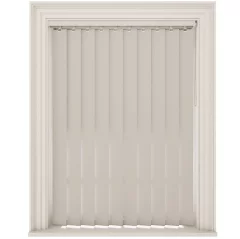
The single most popular answer is vertical blinds, and for good reason. The louvres draw to one side and stack neatly, so you can open the doors and step out without moving the whole blind. You can also tilt the louvres to let daylight in at an angle while blocking the view from outside, which is exactly the control a big window needs through the day.
For sliding patio doors, this suits the mechanism perfectly. The blind draws back to the same side the door slides, or splits to both ends, and vertical blinds for patio doors give you that wide, even coverage without a heavy pull. On a run of two or three metres, few other styles cope as gracefully with the width.
Rollers and day and night blinds are the other strong contenders. A single wide roller gives a clean, modern face and disappears when raised, though on a very wide door it becomes heavy to operate by hand. Day and night blinds, with their alternating sheer and solid stripes, let you dial the light up or down without fully closing, which is a genuinely useful trick on a south-facing patio door that gets strong sun.
The wider patio and sliding door blinds collection groups the styles built for this width, so you can compare how each one draws and stacks before choosing.
Do vertical blinds suit patio doors?
They suit them better than almost anything else. Vertical blinds were made for tall, wide windows and doors, and a patio door is exactly that. The louvres hang from a headrail at the top and are weighted at the bottom, so they hang straight over a big expanse of glass and do not billow the way a loose fabric can near a door that opens.
The practical win is the walk-through. With verticals, you slide the louvres open like a curtain, step through, and slide them back. You never have to raise a heavy blind to use the door. Tilt them and you get privacy from the street or neighbours while keeping a soft daylight glow inside. Draw them fully and the whole door clears for an open view of the garden.
They also handle awkward light. Low morning or evening sun coming straight through a patio door is hard to manage, and being able to angle vertical louvres to deflect it, rather than block the room out completely, is something a roller cannot do. Colour matters here too, since a wide run of louvres is a large block of one shade in the room. Our guide to choosing the right colour vertical blinds helps you pick a tone that works with the wall and floor rather than fighting them.
Patio door blinds ideas by room and need
Different rooms ask different things of the glass, so it helps to match the idea to the job.
For a bright living room that opens onto a garden, day and night blinds are a smart middle ground. The day and night blinds roll a striped fabric so you slide from clear sheer to solid privacy in one movement, keeping the view by day and the room shielded by evening. They give a softer, more contemporary face than louvres if that is the look you are after.
For a kitchen-diner where the doors get constant use, verticals win on sheer practicality. They shrug off knocks, part easily for carrying things in and out, and the individual louvres can be replaced if one gets damaged rather than the whole blind.
For a bedroom with patio or balcony doors, reach for blackout. A blackout vertical or a blackout roller across the opening keeps early summer light out, and you can layer curtains over the top for warmth and a fuller look in winter.
For north-facing doors that never get direct sun, prioritise a light fabric that keeps the room bright when the blind is part-closed, rather than a heavy one that makes an already cool room feel darker.
Sliding patio door blinds: getting the fit right
Sliding doors reward a bit of planning. Because one panel sits fixed while the other slides across it, you want the blind to draw clear of the panel you actually open. Mount vertical or day and night blinds so they stack on the fixed-panel side, and the moving door is never blocked.
Measure the full width of the opening plus an overlap each side to stop light leaking down the edges, and take the drop from your mounting point to just above the floor so the louvres or fabric clear the track. Decide early between a ceiling fix and a wall fix. Ceiling mounting gives a taller, more dramatic run and keeps the headrail clear of the door frame, while wall mounting above the frame is simpler where there is a solid lintel.
Leave room in front of the door handle and the track so nothing catches when the door slides. And keep the controls on the side that stays accessible whether the door is open or shut. For a wide two or three metre opening, made to measure is the sensible route, since standard sizes rarely match.
Alternatives to curtains, and layering
Plenty of people ask what to put on patio doors instead of curtains, usually because curtains puddle in the doorway and get in the way. Blinds are the direct answer, and any of the options above give you cleaner access than a full-length curtain that has to be swept aside every time. Verticals in particular behave like a tidy, controllable curtain without the bulk.
You do not have to choose one or the other, though. A common and good-looking approach is blinds for daily control, with a pair of dress curtains at the outer edges purely for evenings and warmth. The blind does the work, the curtains soften the frame and add insulation on cold nights. Keep the curtains clear of the door's swing or slide so they stay decorative rather than getting in the way.
Whatever you land on, the guiding rule for big glass is the same: pick the blind that lets you keep using the doors easily, then choose the fabric and colour that suits the room. Get those two right and the biggest window in the house becomes the easiest to live with.
Frequently asked questions
What blinds are best for patio doors?
Vertical blinds are the most popular choice because the louvres draw to one side, so you can open the door and walk through without moving the whole blind. Wide rollers and day and night blinds also work well, with day and night giving fine control over light on a sunny door. The best pick depends on your door type and how much light you want to manage.
What can I put on patio doors instead of curtains?
Blinds are the usual alternative, since they give cleaner access than curtains that puddle in the doorway. Vertical blinds behave like a tidy curtain you can part and walk through, while rollers and day and night blinds give a flat, modern face. You can also layer blinds with dress curtains at the edges for evenings and extra warmth.
Do vertical blinds suit patio doors?
Yes, they suit them better than most options. The louvres hang straight over wide, tall glass, draw back like a curtain for walking through, and tilt to control light and privacy without closing the room off. They stack neatly to the side, which keeps the door clear for daily use.