Skip to content


 Vertical Blinds
 Roman Blinds
 Roller Blinds
 Venetian Blinds
 Day and Night Blinds
 Skylight Blinds
 Children
 Wooden Blinds
 Curtains
 Blinds Accessories
 White
White Yellow
 Gold
Gold Green
Green Grey
Grey Pink
Pink Orange
 Animal
 Floral
 Geometric
 Striped
 Motorized Day and Night Blinds
 Motorized Roller Blinds
 No Drill Rollers
 Perfect Fit Wooden
 Perfect Fit Metal
 Thermal Blinds
 Better Sleep Blinds
 Cordless Blinds
 No Drill Blinds
 Blackout Blinds
 Waterproof Blinds
 Easy Wipe Blinds
 Taped Blinds
 Conservatory
 Office
 Kitchen
 Bathroom
 Dining Room
 Kids Room
 Living Room
 Bedroom
 Bay Window
 Conservatory Window
 Tild and Turn Window
 Bi Fold Window
 Roof of Skylight
 French Door
 Sliding Door
Sliding Blackout Blinds: Best No-Drill Options for UK Windows
- by Mariam Labadze
 If you have ever struggled with a bedroom that lets in too much light, or a living room that turns into a greenhouse every summer afternoon, sliding blackout blinds could be the solution you have been searching for. These blinds sit flush against the glass and glide smoothly up and down, blocking virtually all incoming light without the need for screws or brackets drilled into your window frame.
In this guide, we review the best sliding blackout blind options available in the UK, compare framed and frameless designs, and explain why no-drill fitting has become the preferred choice for homeowners and renters alike.
[toc]
Quick Answer: Sliding blackout blinds are window coverings that glide within a frame or tension system to block out light completely. The best no-drill options use perfect-fit frames or honeycomb cassette systems that clip directly onto uPVC windows, requiring zero screws. They are ideal for bedrooms, nurseries and shift workers who need total darkness during the day.
What Are Sliding Blackout Blinds?
Sliding blackout blinds refer to any blind that moves vertically or horizontally along a guided track while providing full light blockage. Unlike traditional roller blinds that can leave gaps at the sides, sliding designs typically incorporate side channels or frames that seal the fabric against the window recess. The result is near-total darkness, even on the brightest summer mornings.
The term covers several product types, including perfect-fit blinds that clip into uPVC beading, honeycomb blinds with built-in cassettes, and framed roller systems. What unites them is the smooth sliding action and the commitment to eliminating those annoying light leaks around the edges.
Why No-Drill Fitting Matters
Drilling into window frames is not just inconvenient — it can void window guarantees, damage seals on double-glazed units, and leave unsightly holes if you ever decide to change your window dressings. For tenants, drilling is often prohibited entirely under tenancy agreements.
Benefits of No-Drill Installation
No-drill sliding blackout blinds solve all of these problems. They attach using spring-loaded clips, adhesive brackets, or tension systems that grip the window beading without any permanent fixings. Installation typically takes under five minutes per window, and removal leaves no trace whatsoever.
At1ClickBlinds, the entire no-drill range is designed for straightforward DIY fitting. You do not need specialist tools or experience — just accurate measurements and a few minutes of your time.
Who Benefits Most?
-
Renters who cannot make permanent alterations to their property
-
Parents fitting blackout blinds in nurseries and children's bedrooms
-
Shift workers who need reliable darkness during daytime sleep hours
-
Homeowners with new uPVC windows they want to keep in pristine condition
Framed vs Frameless Sliding Blackout Blinds
When shopping for sliding blackout blinds, you will encounter two main categories: framed and frameless. Each has distinct advantages, and the right choice depends on your priorities.
Framed Blackout Blinds
Framed options feature a rigid surround — usually aluminium or reinforced plastic — that clips onto the window beading. The blind fabric runs within this frame, creating an almost airtight seal against the glass. This is the gold standard for light blocking because there are virtually no gaps for light to creep through.
Framed blackout blindsare particularly popular for bedrooms and media rooms where even a sliver of light can be disruptive. The frame also adds a neat, finished appearance that looks built-in rather than aftermarket.
Frameless Blackout Blinds
Frameless designs rely on the blind fabric itself to press against the glass, often using a honeycomb or pleated structure that holds its shape. Theno-drill honeycomb blackout blindsare a prime example — the cellular structure traps air for insulation while the blackout coating blocks light.
Frameless blinds tend to be lighter, more affordable, and easier to transport. However, they may allow thin lines of light at the very edges, particularly on windows with uneven beading.
Head-to-Head Comparison
Top Sliding Blackout Blind Options for UK Homes
Perfect-Fit Blackout Roller Blinds
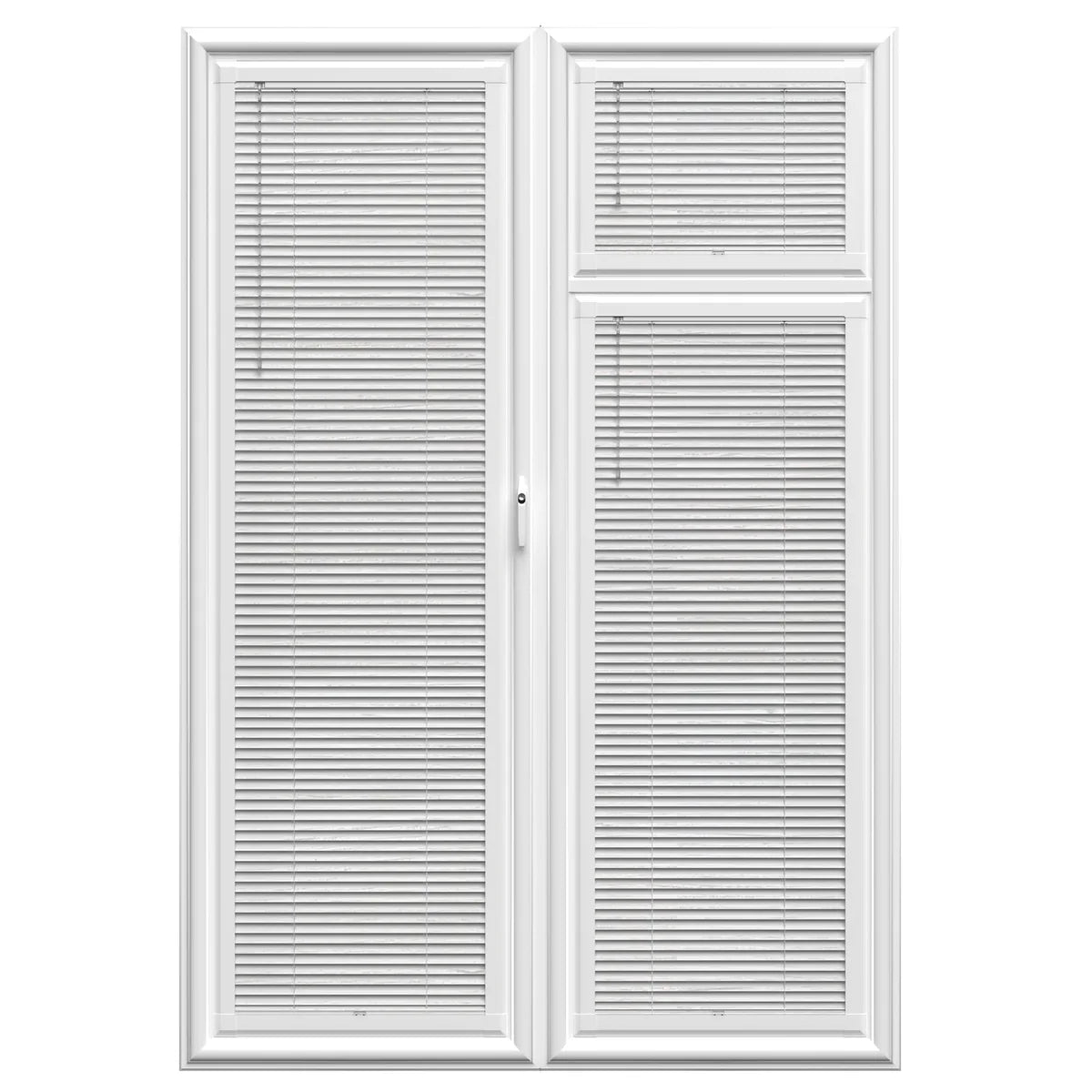
Perfect-fit systems are arguably the most popular sliding blackout option in the UK. The blind sits within a custom frame that clicks into the uPVC window beading, allowing the fabric to slide up and down without any cords or external brackets. They work brilliantly on tilt-and-turn windows because the blind moves with the sash.
Honeycomb Blackout Blinds
Honeycomb (or cellular) blinds feature a distinctive pleated structure with air pockets that provide superb thermal insulation alongside blackout performance. Many models are available ascordless blinds, making them a safe choice for homes with young children.
Day and Night Blackout Combinations
Some homeowners opt forday and night blindswith a blackout layer. These dual-fabric systems let you alternate between filtered light and complete darkness by adjusting the alignment of the alternating sheer and opaque stripes. When fully closed in the blackout position, they provide impressive light control.
Motorised Sliding Options
For a premium, hands-free experience,motorised blackout blindscan be operated by remote control or integrated with smart home systems. These are especially convenient for hard-to-reach windows or for anyone who values the convenience of adjusting their blinds without leaving the sofa.
Measuring for Sliding Blackout Blinds
Accurate measurement is the single most important factor in getting a good fit. For perfect-fit and framed systems, you need to measure the glass area rather than the frame, taking width and height readings at three points to account for any slight irregularities.
Most suppliers, including 1ClickBlinds, provide detailed measuring guides with their products. As a rule, always measure twice and use the smallest measurement if readings differ. A blind that is fractionally too small will leave light gaps, while one that is too large simply will not fit.
Light Blocking: What to Expect
No blind can guarantee absolute zero light transmission — even the best framed systems may allow a faint glow around the very edges under intense direct sunlight. However, high-quality sliding blackout blinds typically block 99% or more of incoming light, which is more than sufficient for comfortable sleep and effective room darkening.
The key to maximising light blockage is ensuring a precise fit. A well-measured framed blind on a standard uPVC window will perform significantly better than an oversized roller blind mounted on brackets above the recess.
Maintenance and Care
Sliding blackout blinds require very little upkeep. A light dusting with a soft cloth or gentle vacuuming with a brush attachment every few weeks will keep them looking fresh. Avoid using water or cleaning products on blackout-coated fabrics, as this can degrade the coating over time. If your blinds develop a mark, a slightly damp cloth with gentle dabbing is usually sufficient.
Frequently Asked Questions
Do sliding blackout blinds work on all window types?
Most sliding blackout blinds are designed for standard uPVC windows with beading. They also work well on tilt-and-turn windows. For aluminium or timber frames, you may need adapter brackets or an alternative mounting method. Always check compatibility before ordering.
Can I fit sliding blackout blinds myself without any tools?
Yes. No-drill sliding blackout blinds are specifically designed for tool-free installation. They clip into the window beading using spring-loaded brackets, typically taking under five minutes per window. No screwdriver, drill, or specialist knowledge is required.
What is the difference between blackout and thermal blinds?
Blackout blinds are designed primarily to block light, using an opaque coating on the fabric. Thermal blinds focus on insulation, reducing heat loss in winter and heat gain in summer. Some products, such as honeycomb blackout blinds, combine both functions by pairing a blackout coating with an insulating cellular structure.
Are sliding blackout blinds safe for children's bedrooms?
Cordless sliding blackout blinds are one of the safest options for children's rooms. Without hanging cords or chains, there is no strangulation risk. Look for cordless or motorised models that comply with current UK child safety regulations.