Skip to content


 Vertical Blinds
 Roman Blinds
 Roller Blinds
 Venetian Blinds
 Day and Night Blinds
 Skylight Blinds
 Children
 Wooden Blinds
 Curtains
 Blinds Accessories
 White
White Yellow
 Gold
Gold Green
Green Grey
Grey Pink
Pink Orange
 Animal
 Floral
 Geometric
 Striped
 Motorized Day and Night Blinds
 Motorized Roller Blinds
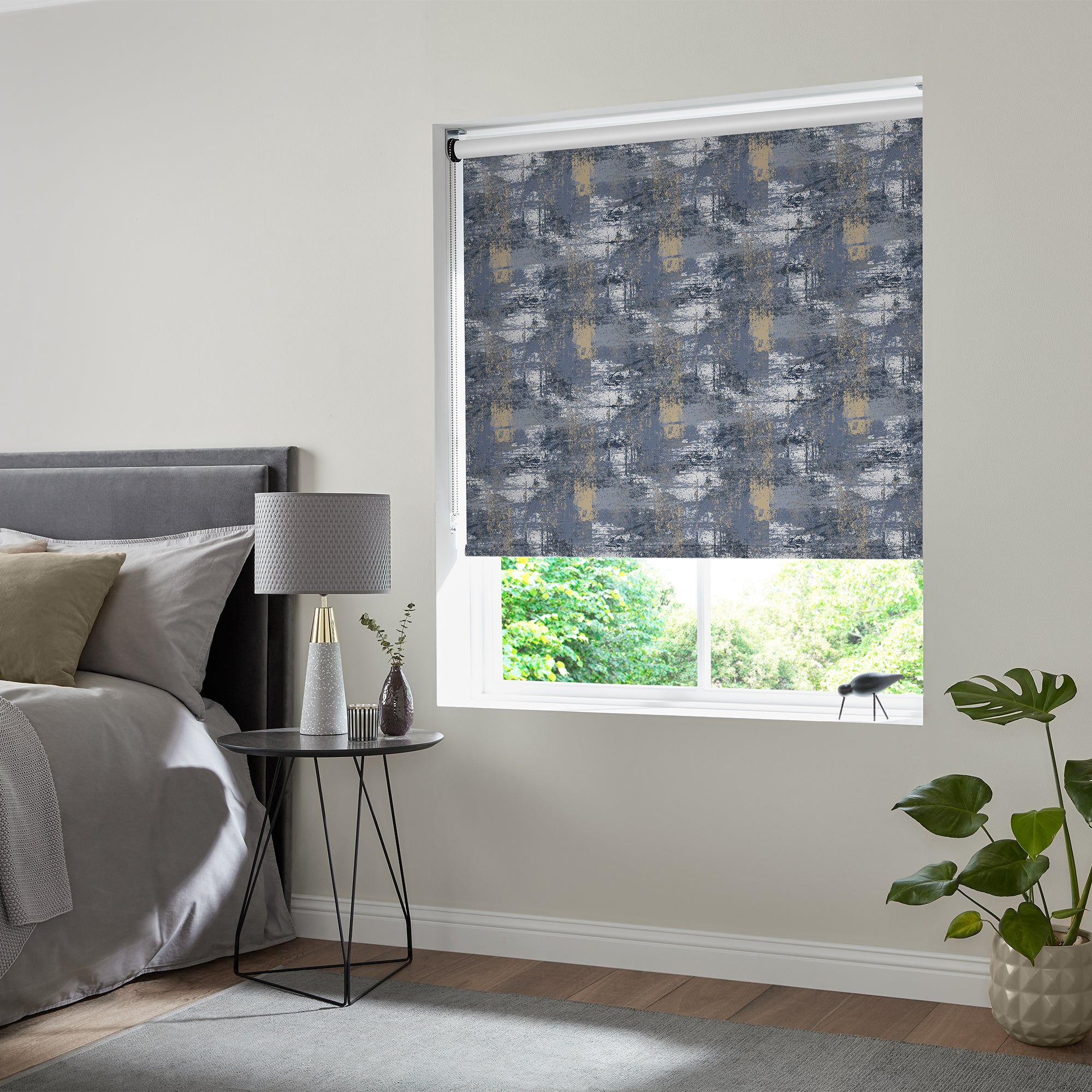 No Drill Rollers
 Perfect Fit Wooden
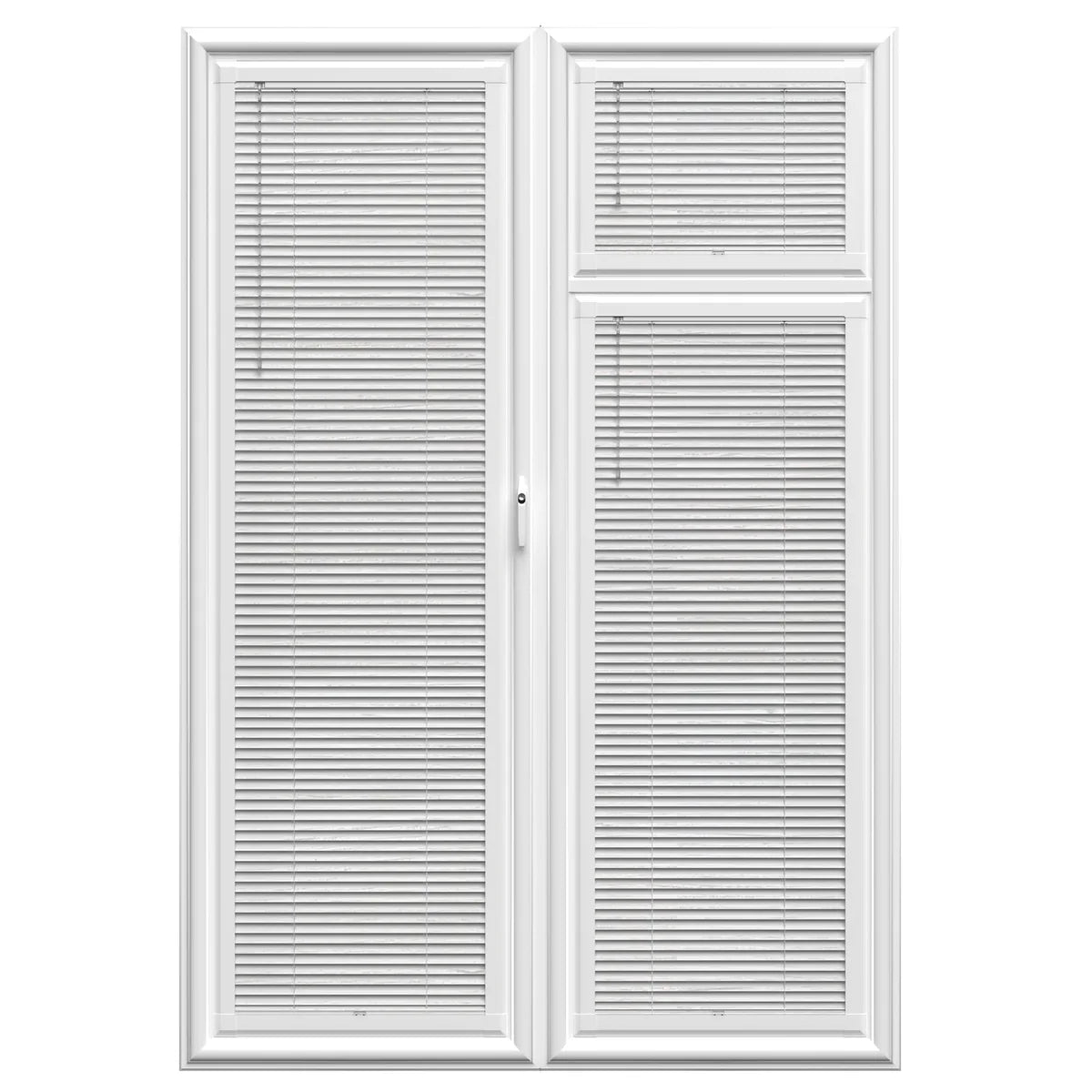 Perfect Fit Metal
 Thermal Blinds
 Better Sleep Blinds
 Cordless Blinds
 No Drill Blinds
 Blackout Blinds
 Waterproof Blinds
 Easy Wipe Blinds
 Taped Blinds
 Conservatory
 Office
 Kitchen
 Bathroom
 Dining Room
 Kids Room
 Living Room
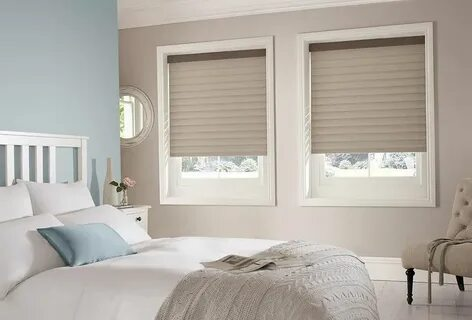 Bedroom
 Bay Window
 Conservatory Window
 Tild and Turn Window
 Bi Fold Window
 Roof of Skylight
 French Door
 Sliding Door
Blackout Blinds for the Bedroom: How to Block Every Bit of Light
- by Mariam Labadze
 Good blackout blinds for bedroom windows can darken a room dramatically, but no blind blocks 100% of light on its own. Light escapes at the edges where the fabric meets the frame. The trick is choosing the right fit and mounting so those gaps close up, and pairing the blind with the right supporting details.
That last part matters more than most people expect. A quality blackout fabric stops light passing through the material itself, so the panel goes properly dark. What it can't do by itself is seal the perimeter. Sunlight is persistent, and even a thin sliver around the sides is enough to wake a light sleeper or rouse a napping toddler at 5am in June. So when we talk about a truly dark bedroom, we're really talking about two things working together: the fabric, and how it sits against the window.
[toc]
Do blackout blinds actually make a bedroom dark?
Yes, and the difference against a standard fabric is obvious the moment you close one. Standard blackout blinds use a densely woven or coated fabric that stops daylight travelling through the panel. Stand in a bedroom with one down on a bright afternoon and the room drops into a deep, restful dimness rather than the grey half-light you get from a dimout or a voile.
The honest caveat is edge light. Any blind hung inside or over a window leaves a small channel where the fabric doesn't quite touch the frame. With a roller blind, that's the strip down each side. With most systems, it's wherever the panel and the recess don't sit flush. This isn't a fault, it's just physics, and it's the single biggest reason people feel let down after buying a "blackout" blind and still seeing a glow at dawn.
Closing the edge gaps
The fix is choosing a mounting method that hugs the glass. Blinds fitted tight to the frame, rather than deep inside a wide recess, leave far less room for light to sneak past. Systems that clip directly onto the window, like perfect fit blackout blinds that sit within a slim frame against the glass, tend to control edge light better than a roller hung across the front of a recess. For the darkest possible result, some people add side channels or simply size the blind generously so it overlaps the aperture.
Choosing the right type of blackout blind for windows
There's no single "best" blind. The right choice depends on your window, whether you can drill, and how the room is used. Here's how the main options compare for bedroom use.
Blackout roller blinds are the straightforward workhorse. A single flat panel of blackout fabric rolls down cleanly, suits almost any window, and gives you a crisp, uncluttered look. If you want simple and effective, blackout roller blinds are usually where to start.
Perfect fit blinds click into a frame that attaches to the window itself, with no screws into the wall or the frame. They're a strong pick for UPVC windows and for anyone who wants the panel sitting close to the glass, which naturally reduces edge light.
Honeycomb (cellular) blinds deserve a special mention because they do two jobs at once. The pleated cells trap a layer of air, so a no-drill honeycomb blackout blind darkens the room and adds insulation in the same panel. For a bedroom that gets cold in winter or bakes in summer, that combination is genuinely useful.
Thermal blackout blinds: darkness plus warmth
If your bedroom loses heat through the windows, it's worth looking at thermal blackout blinds rather than a standard blackout panel. Thermal versions add an insulating backing or a cellular construction that slows heat transfer, so you keep more warmth in during winter nights and block more of the summer sun by day.
The practical question is whether you need the thermal upgrade or whether standard blackout is enough. If darkness is your only goal, either will darken the room. If you also want to take the edge off draughty single glazing or a north-facing room, the thermal option earns its place. Our standard blackout vs thermal blackout guide walks through where each one makes sense, and it's a sensible read before you commit. You can also browse the wider thermal blinds range to see the styles that combine insulation with light control.
Blackout blinds for kids and nurseries
Children's rooms are where blackout blinds prove their worth fastest. Babies and young children sleep better in the dark, and a nursery that stays dim through long summer evenings and early mornings can be the difference between a settled routine and a household running on no sleep.
A few things matter more in a child's room. Cord safety is the big one: choose cordless, motorised, or spring-operated blinds, or make sure any cords are kept well out of reach with the safety devices supplied. Beyond that, prioritise fit over pattern. A beautifully printed blind that leaves light streaming down both sides won't help at nap time, whereas a snug, well-sized panel will. Blackout blinds for kids should be chosen for how completely they darken the room first, and how they look second.
Renting, or not keen on drilling?
Plenty of people assume a properly dark bedroom means drilling into the frame. It doesn't. No-drill and temporary blackout blinds have come a long way, and for renters, students, or anyone reluctant to make holes, they're a genuine solution rather than a compromise.
Tension-fitted and clip-on systems hold the blind in place using the window frame itself, so there's nothing to patch when you leave. If you want to see how straightforward it is, our how to install blinds without drilling guide takes you through it step by step. The key thing to know is that a temporary fitting doesn't have to mean a leaky, light-let result. Sized well and fitted snugly, a no-drill blackout blind can darken a room almost as effectively as a screwed-in one.
Getting the fit right, whichever blind you choose
Since edge light is the main enemy, measuring accurately is where the darkness is won or lost. For an inside-recess fit, measure the width in three places and use the smallest. For a blind mounted over the recess, add a generous overlap on each side and at the top so the fabric extends well past the aperture. That overlap is doing real work: every extra centimetre of overlap is a centimetre of light that can't get around the panel.
It's also worth thinking about the top of the blind. Light spills over the roll or headrail as readily as it does down the sides, so a blind mounted high, above the window opening rather than tucked just inside it, gives you a better result at dawn.
Do you need blackout blinds for every window?
Not necessarily. If the bedroom faces north and gets little direct sun, a good blackout roller may be plenty. South and east-facing rooms take the brunt of early light and strong sun, so those are the windows where snug fit and edge control matter most. Think about which windows actually let the disruptive light in, and spend your effort there.
For a whole-house approach, mixing types is completely normal: perfect fit blackout blinds on the UPVC bedroom windows, a thermal cellular blind on the coldest room, and simple blackout roller blinds elsewhere. There's no rule that says every blind has to match.
Frequently asked questions
Do blackout blinds completely block out light?
Blackout fabric stops light passing through the panel itself, so the material goes properly dark. What no blind can fully stop on its own is light around the edges where the fabric meets the frame. To get as close to total darkness as possible, fit the blind snugly, choose a system that sits tight to the glass, and add generous overlap or side channels where you can.
Are blackout blinds good for bedrooms?
Yes. They're one of the most effective ways to darken a bedroom for better sleep, which is why they're so popular for nurseries, shift workers, and anyone sensitive to early light. Thermal blackout versions add insulation on top, keeping the room warmer in winter and cooler in summer.
What is the best colour for bedroom blackout blinds?
The blackout effect comes from the fabric's construction, not its colour, so any colour can darken a room well. That said, deeper and mid tones tend to hide edge glow slightly better and feel more restful, while lighter shades keep the room brighter and airier when the blind is up. Choose the colour to suit your decor and let the blackout lining do the light-blocking.