Skip to content


 Vertical Blinds
 Roman Blinds
 Roller Blinds
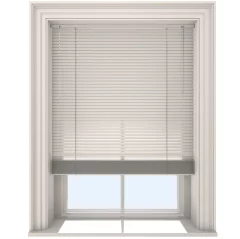 Venetian Blinds
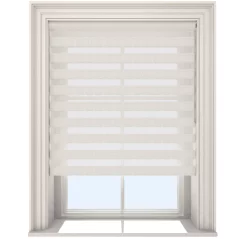 Day and Night Blinds
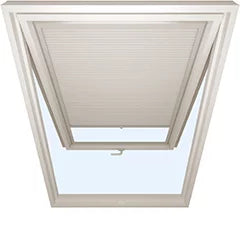 Skylight Blinds
 Children
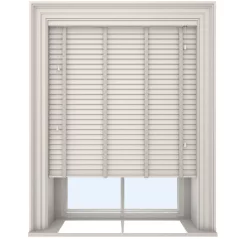 Wooden Blinds
 Curtains
 Blinds Accessories
 White
White Yellow
 Gold
Gold Green
Green Grey
Grey Pink
Pink Orange
 Animal
 Floral
 Geometric
 Striped
 Motorized Day and Night Blinds
 Motorized Roller Blinds
 No Drill Rollers
 Perfect Fit Wooden
 Perfect Fit Metal
 Thermal Blinds
 Better Sleep Blinds
 Cordless Blinds
 No Drill Blinds
 Blackout Blinds
 Waterproof Blinds
 Easy Wipe Blinds
 Taped Blinds
 Conservatory
 Office
 Kitchen
 Bathroom
 Dining Room
 Kids Room
 Living Room
 Bedroom
 Bay Window
 Conservatory Window
 Tild and Turn Window
 Bi Fold Window
 Roof of Skylight
 French Door
 Sliding Door
How to Choose Blinds for Every Room: A Complete UK Guide
- by Mariam Labadze
 Choosing blinds sounds straightforward until you actually start. Walk into any blinds showroom or browse an online store and you are faced with roller, venetian, vertical, roman, pleated, day and night, perfect fit — each available in dozens of fabrics, colours, and operating mechanisms. Without a clear framework, it is easy to either overthink the decision or default to the cheapest option and regret it later.
This guide cuts through the noise. We will walk you through every major room in a UK home, explain what factors genuinely matter in each space, and recommend the blind types that work best. By the end, you will know exactly how to choose blinds that look right, perform well, and fit your budget.
[toc]
Quick Answer: To choose the right blinds, consider four key factors for each room: light control needs, privacy requirements, moisture levels, and your style preferences. Bedrooms benefit from blackout rollers or romans; bathrooms need moisture-resistant options like aluminium venetians or waterproof rollers; kitchens suit easy-clean venetians or rollers; and living rooms offer the most freedom for decorative choices like wooden blinds or day and night blinds. Always measure accurately, decide between recess and face-fit mounting, and match the blind type to the room's specific demands.
The Four Factors That Matter Most
Before diving into room-by-room recommendations, understand the four criteria that should drive every blinds decision.
1. Light Control
Different rooms need different levels of light management. A bedroom might need total blackout. A living room might need adjustable light filtering. A home office needs glare reduction without total darkness. The fabric weight, opacity, and blind mechanism all affect how much control you have.
2. Privacy
Ground-floor rooms facing a street need more privacy consideration than upper-floor rooms overlooking a private garden. Some blinds offer excellent privacy when closed but zero privacy when open. Others, like day and night blinds, let you filter light while maintaining partial privacy simultaneously.
3. Moisture and Humidity
Bathrooms, kitchens, and utility rooms have higher humidity levels. Natural fabrics and real wood can warp, stain, or develop mould in these environments. Moisture-resistant materials — aluminium, PVC, faux wood, or polyester — are essential for wet rooms.
4. Style and Aesthetics
Blinds are a visible part of your interior design. They should complement your decor, not clash with it. A rustic cottage benefits from warm wooden blinds or soft roman blinds. A modern flat suits sleek rollers or venetians. Your personal style matters — do not ignore it in favour of pure practicality.
Room-by-Room Guide
Bedroom
The bedroom is where your choice of blind has the most direct impact on your quality of life. Poor light control means disrupted sleep, and in the UK — where summer mornings arrive before 5am — this is not a minor issue.
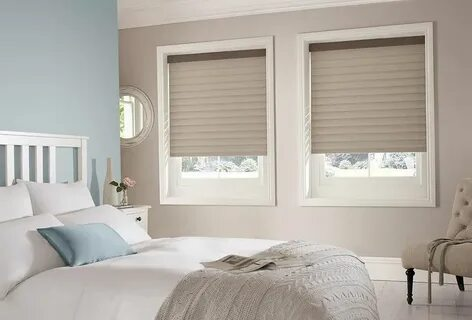
Top recommendation:Blackout roller blindsor blackout roman blinds. Both provide excellent light blocking when made from genuine blackout fabric. Roller blinds are the more affordable and practical option; roman blinds add a softer, more decorative element with their horizontal folds.
Also consider: If you want both light filtering and blackout capability,day and night blindsoffer remarkable versatility. Their alternating sheer and opaque strips let you control exactly how much light enters, transitioning from gentle filtering to near-blackout with a simple adjustment.
Avoid: Standard venetian blinds in bedrooms if total darkness is important — light leaks between the slats even when closed.
For children's bedrooms and nurseries,cordless blindsare strongly recommended for safety. Dangling cords and chains pose a strangulation risk to young children, and cordless mechanisms eliminate this hazard entirely.
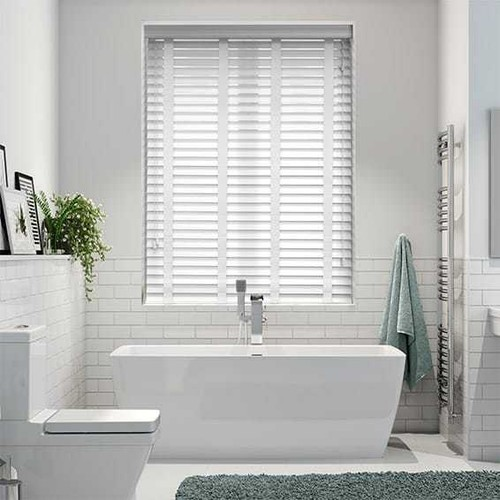
Bathroom
Moisture is the defining challenge in a bathroom. Steam from showers and baths creates high humidity that can damage unsuitable materials quickly. Privacy is also critical — bathroom windows are often at eye level and may face neighbours or public areas.
Top recommendation:Waterproof roller blindsmade from PVC or moisture-resistant polyester. These wipe clean, resist mould, and handle steam without any deterioration. Aluminiumvenetian blindsare another excellent bathroom choice — metal is completely impervious to water and allows ventilation when tilted open.
Also consider: Faux wood venetian blinds if you want a warmer look than aluminium. Quality faux wood resists moisture effectively and will not warp in a bathroom environment.
Avoid: Real wood blinds, natural fabric roman blinds, and any blind with fabric that cannot tolerate humidity. These will deteriorate, stain, or develop mould over time.
Kitchen
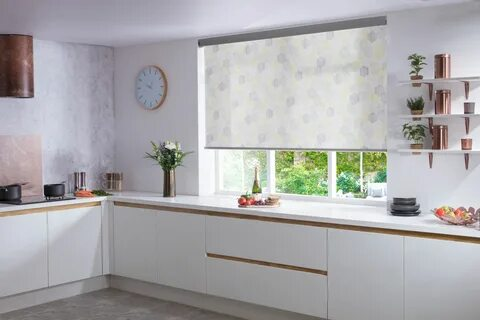
Kitchens share the bathroom's moisture challenges but add cooking grease, steam, and food splashes to the mix. Easy cleaning is essential. Light control is less critical — most people want natural light while cooking — but glare on worksurfaces can be annoying.
Top recommendation:Roller blindsin a wipe-clean fabric. They sit flat against the window, stay out of the way of cooking activities, and can be wiped down quickly when splashed. Aluminium venetians also perform well in kitchens, offering adjustable light control and easy maintenance.
Also consider: If your kitchen window is above the sink, ano-drill blindavoids putting screw holes in potentially tiled or awkward areas around the window.
Avoid: Fabric blinds that absorb grease and odours — particularly roman blinds with delicate fabrics. Vertical blinds can work in kitchens but the hanging louvres can catch in draughts near open windows or extractor fans.
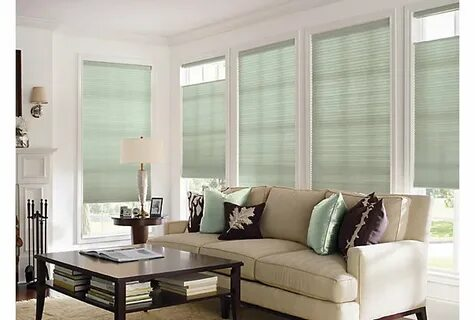
Living Room
The living room offers the most creative freedom. Moisture is rarely an issue, and the priority shifts towards aesthetics, light control, and creating the right atmosphere. This is the room where you can choose blinds based primarily on how they look and feel.
Top recommendations: This depends entirely on your style.Roman blindsadd soft texture and a classic look.Wooden venetian blindsbring warmth and a premium feel. Day and night blinds offer a modern, versatile option that suits contemporary interiors beautifully.
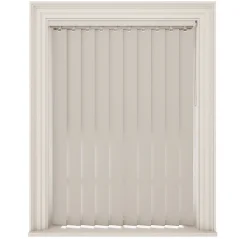
For large windows and patio doors:Vertical blindsremain one of the most practical choices for wide expanses of glass. They draw smoothly to the side, stack compactly, and thevertical slatstilt to control light precisely. Modern vertical blinds have moved well beyond the dated office aesthetic — contemporary fabrics and colours make them a genuinely stylish option.
Conservatory
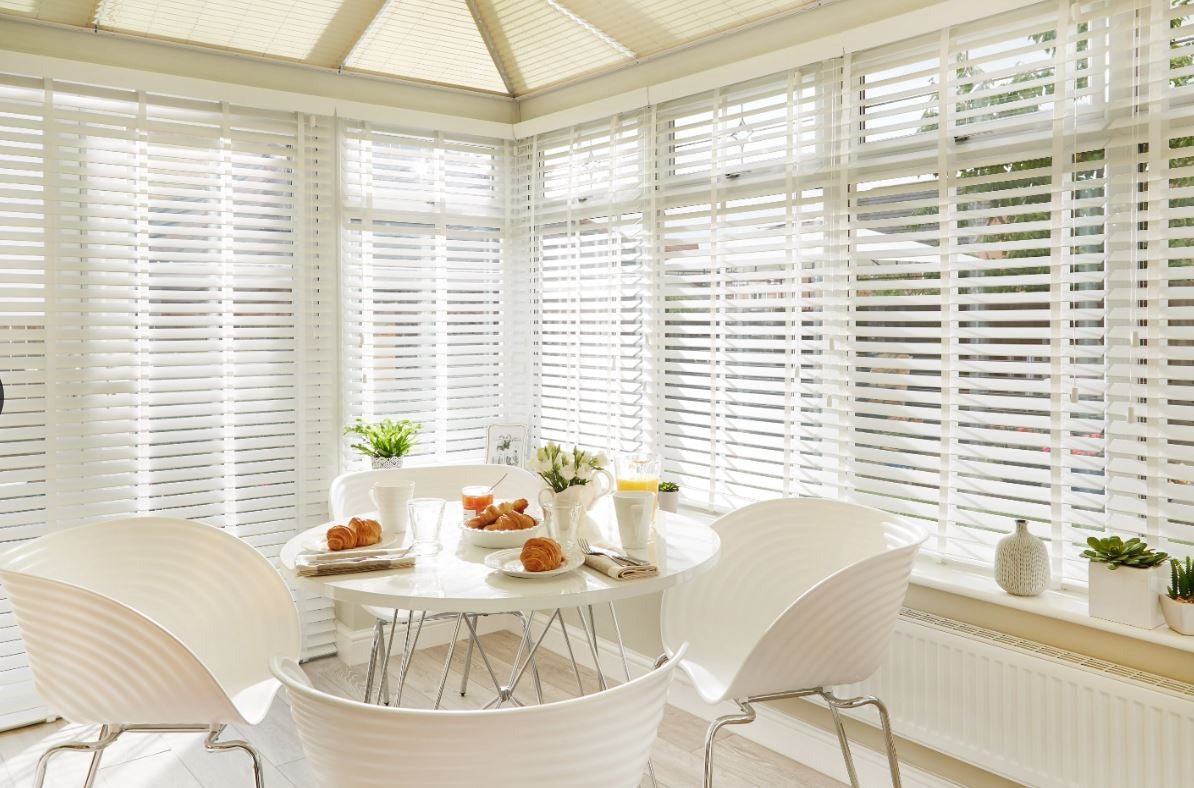
Conservatories have extreme temperature swings — scorching in summer, freezing in winter — and abundant glazing that makes heat and glare a constant battle. Standard blinds often fall short in this environment.
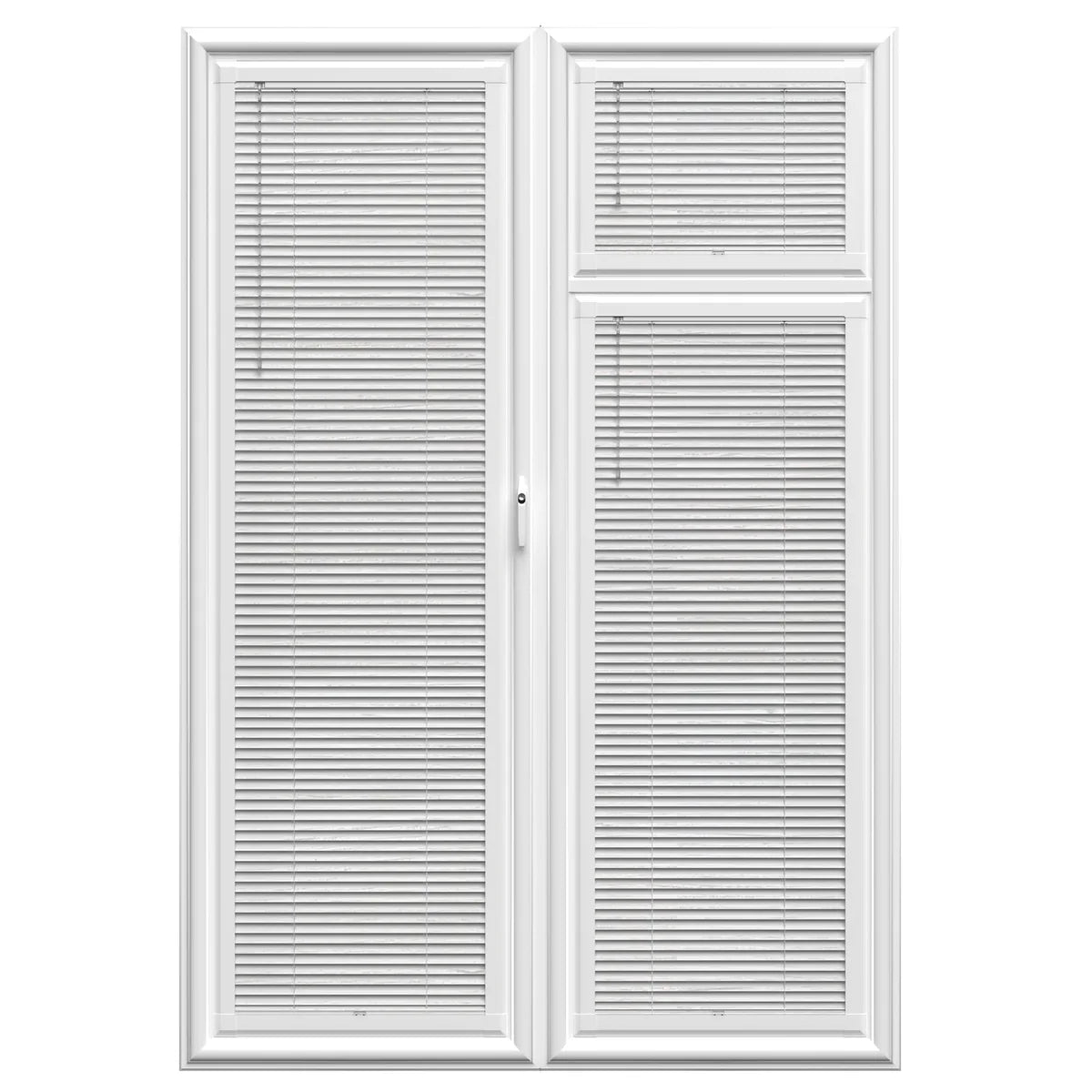
Top recommendation: Pleated blinds with thermal or reflective backing. Their lightweight construction suits overhead installation on conservatory roofs, and reflective fabrics can reduce heat gain by up to 46%. For side windows, perfect fit pleated or roller blinds clip neatly into uPVC frames without drilling.
Also consider: For conservatory side windows with door access,French door blindsor perfect fit options move with the door and do not swing or bang when opened.
Home Office
With remote and hybrid working now embedded in UK work culture, home offices need proper attention. Glare on computer screens is the primary issue, followed by the need for a professional-looking backdrop for video calls.
Top recommendation: Venetian blinds — either aluminium or faux wood — give you precise control over the angle of incoming light. You can tilt the slats to redirect sunlight away from your screen without blocking it entirely. Roller blinds in a light-filtering fabric also work well, diffusing harsh light into a soft glow.
Pro tip: If your desk faces the window, a blind that filters light without creating harsh shadows is ideal. If your desk faces away from the window (the recommended setup for video calls), a heavier blind helps prevent backlighting that makes you appear as a silhouette on camera.
Measuring and Mounting
No matter which blind type you choose, accurate measurement is essential. There are two main mounting options:
Recess fit: The blind sits inside the window recess. Measure the width and drop at three points (left, centre, right for width; left, centre, right for drop) and use the smallest measurement. This ensures the blind fits within the recess without jamming.
Face fit (or exact fit): The blind mounts on the wall or frame above and around the window. Add at least 5-10cm to each side and above the window to maximise light blocking and coverage. Face-fit blinds give better blackout performance because they overlap the window edges.
For a truly drill-free installation, explore theno drill blindscollection at 1ClickBlinds, which includes clip-on, tension-fit, and adhesive-mounted options across multiple blind types.
Budget Considerations
Blinds vary enormously in price, and the most expensive option is not always the best one for your needs. Here is a realistic budget framework for UK homeowners:
-
Budget-friendly: Aluminium venetian blinds and basic roller blinds. Expect to pay £15-£40 per window. These are functional, durable, and perfectly respectable.
-
Mid-range: Faux wood venetians, quality roller blinds in designer fabrics, day and night blinds, and pleated blinds. Budget £30-£70 per window. This is where the best value tends to sit for most households.
-
Premium: Real wood venetians, motorised blinds, and high-end roman blinds with designer fabrics. Expect £60-£150+ per window. Worth it for key rooms where quality and aesthetics matter most.
A practical approach is to invest more in high-visibility rooms (living room, master bedroom) and choose budget-friendly options for utility spaces (spare rooms, utility rooms, garage windows).
Common Mistakes to Avoid
-
Choosing blinds based on colour alone: A beautiful fabric that warps in your bathroom is a waste of money. Always match the material to the room's conditions first, then choose your colour and style within that shortlist.
-
Ignoring child safety: If you have young children or expect to, choose cordless or motorised mechanisms. It is a small decision that can prevent a serious accident.
-
Measuring once: Always measure at least three times. Windows are rarely perfectly square, and even a few millimetres of error can cause fitting problems.
-
Forgetting about cleaning: Consider how you will maintain the blinds over the years. Kitchen and bathroom blinds need to be easy to wipe down. Fabric blinds in dusty environments need regular hoovering.
Frequently Asked Questions
What is the most versatile blind type for the whole house?
Roller blinds are the most universally adaptable. They are available in blackout, light-filtering, and sheer fabrics, come in moisture-resistant options for bathrooms and kitchens, and suit virtually any interior style. If you want consistency across your home with one blind type, rollers are the safest choice.
Are made-to-measure blinds worth the extra cost over ready-made?
Yes, in almost every case. Ready-made blinds come in standard sizes that rarely match your windows exactly, leading to light gaps, poor fit, and a less polished appearance. Made-to-measure blinds from suppliers like 1ClickBlinds fit precisely, look cleaner, and perform better. The price difference is often smaller than people expect.
How do I choose blinds for a bay window?
Bay windows work well with roller blinds (one per section), venetian blinds, or vertical blinds for wider bays. The key is to measure each section of the bay individually — the angles mean a single blind cannot span the entire bay. Perfect fit blinds are particularly effective in bay windows as they fit each individual window unit without interfering with the angles.
Can I mix different blind types in the same room?
Yes, provided you maintain a consistent colour palette and overall style. For example, using a roller blind on a small bathroom window and a venetian on a larger one can work if both are in coordinating colours. Mixing wildly different styles in the same room, however, tends to look disjointed. Stick to one or two complementary types for the best visual result.