Skip to content


 Vertical Blinds
 Roman Blinds
 Roller Blinds
 Venetian Blinds
 Day and Night Blinds
 Skylight Blinds
 Children
 Wooden Blinds
 Curtains
 Blinds Accessories
 White
White Yellow
 Gold
Gold Green
Green Grey
Grey Pink
Pink Orange
 Animal
 Floral
 Geometric
 Striped
 Motorized Day and Night Blinds
 Motorized Roller Blinds
 No Drill Rollers
 Perfect Fit Wooden
 Perfect Fit Metal
 Thermal Blinds
 Better Sleep Blinds
 Cordless Blinds
 No Drill Blinds
 Blackout Blinds
 Waterproof Blinds
 Easy Wipe Blinds
 Taped Blinds
 Conservatory
 Office
 Kitchen
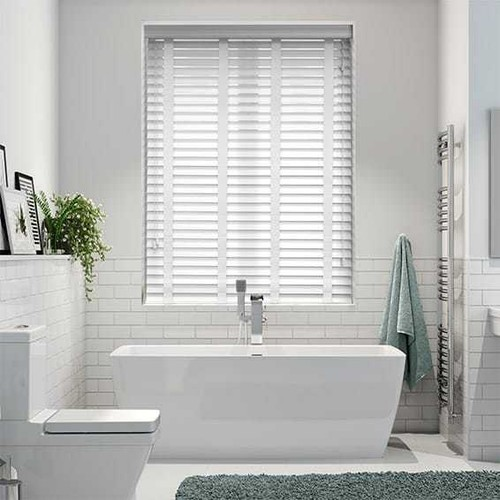 Bathroom
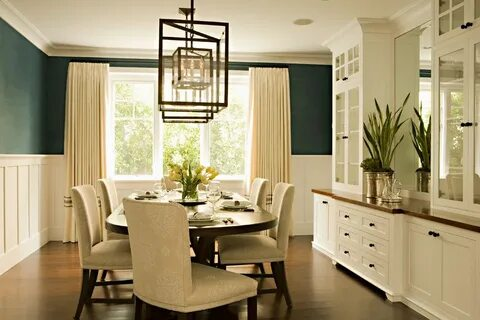 Dining Room
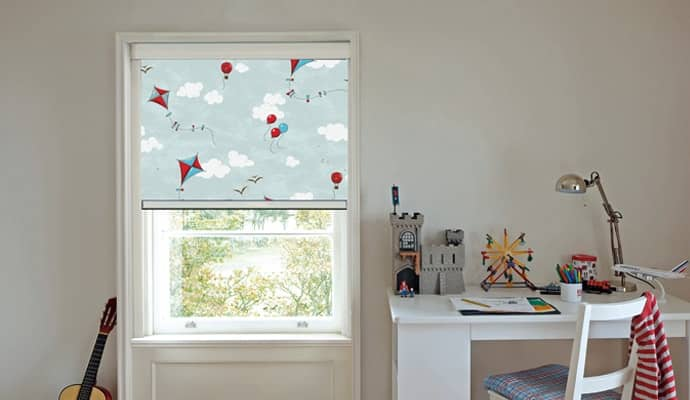 Kids Room
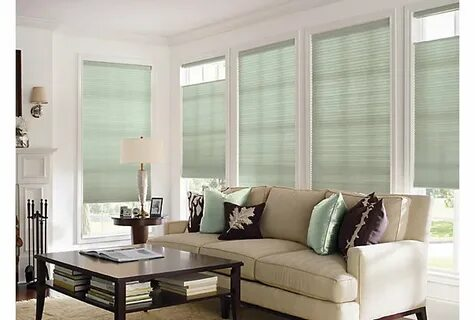 Living Room
 Bedroom
 Bay Window
 Conservatory Window
 Tild and Turn Window
 Bi Fold Window
 Roof of Skylight
 French Door
 Sliding Door
Wooden Venetian Blinds: Are They Right for Your Windows?
- by Mariam Labadze
 Wooden venetian blinds are an excellent choice for living rooms, studies, and bedrooms, where their warm, natural finish and tactile slats bring character that painted metal or plastic can't match. They suit dry rooms best. In steamy kitchens or bathrooms, a faux wood alternative copes better with moisture. If your windows are in normal living spaces, real wood is hard to beat.
There's a reason wooden blinds have stayed popular through decades of changing tastes. The material has depth. Light catches the grain, the slats have a satisfying weight, and the whole blind feels considered rather than purely functional. Below is an honest look at where they excel, where they don't, and how to choose the right specification for your home.
[toc]
Are wooden venetian blinds a good choice?
For the right rooms, yes, they're one of the most rewarding window treatments you can fit. Wooden venetian blinds combine precise light control with genuine natural warmth. Tilt the slats and you can filter daylight to a soft glow, angle them up to bounce light off the ceiling, or close them fully for privacy in the evening. That flexibility, plus the look of real timber, is what draws people to them.
The natural material is the headline benefit and, in one situation, the limitation. Wood doesn't like sustained damp. In a living room, hallway, dining room, study, or most bedrooms, that's a non-issue and real wood is the obvious pick. Over a kitchen sink or in a bathroom, repeated steam can be too much for timber over time. We'll come to the moisture-friendly alternative shortly. Browse the wooden blinds range and you'll see how the finishes range from pale, contemporary tones to rich, traditional stains.
Where wooden venetian blinds work best
The natural home for wooden venetian blinds is the living room. They frame a window handsomely, work with almost any decor from period to modern, and their light control suits a room used at all times of day. Studies and home offices are another strong fit, where tilting the slats to cut screen glare is a daily benefit.
Bedrooms suit them too, particularly if you like a warm, layered look. Do bear in mind that venetian slats let a little light through the gaps even when closed, so for a nursery or a room where total darkness matters, you may want to pair them with, or choose, a dedicated blackout option instead. For light control with character in an adult bedroom, though, they're lovely.
As part of the wider venetian blinds family, wooden versions are the premium, natural end of the spectrum, chosen for feel and finish as much as function.
Slat size, colour and tapes
The specification changes the look considerably, so it's worth understanding the main choices.
Slat width
Wider slats give a bolder, more open look and let in more light and view when tilted, which suits larger windows and bigger rooms. Narrower slats feel more delicate and are often better proportioned for smaller windows. Wooden slat blinds tend to look best when the slat size is matched to the scale of the window rather than chosen at random.
Colour and finish
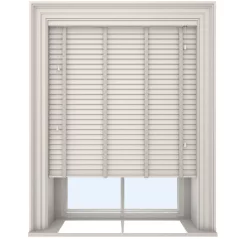
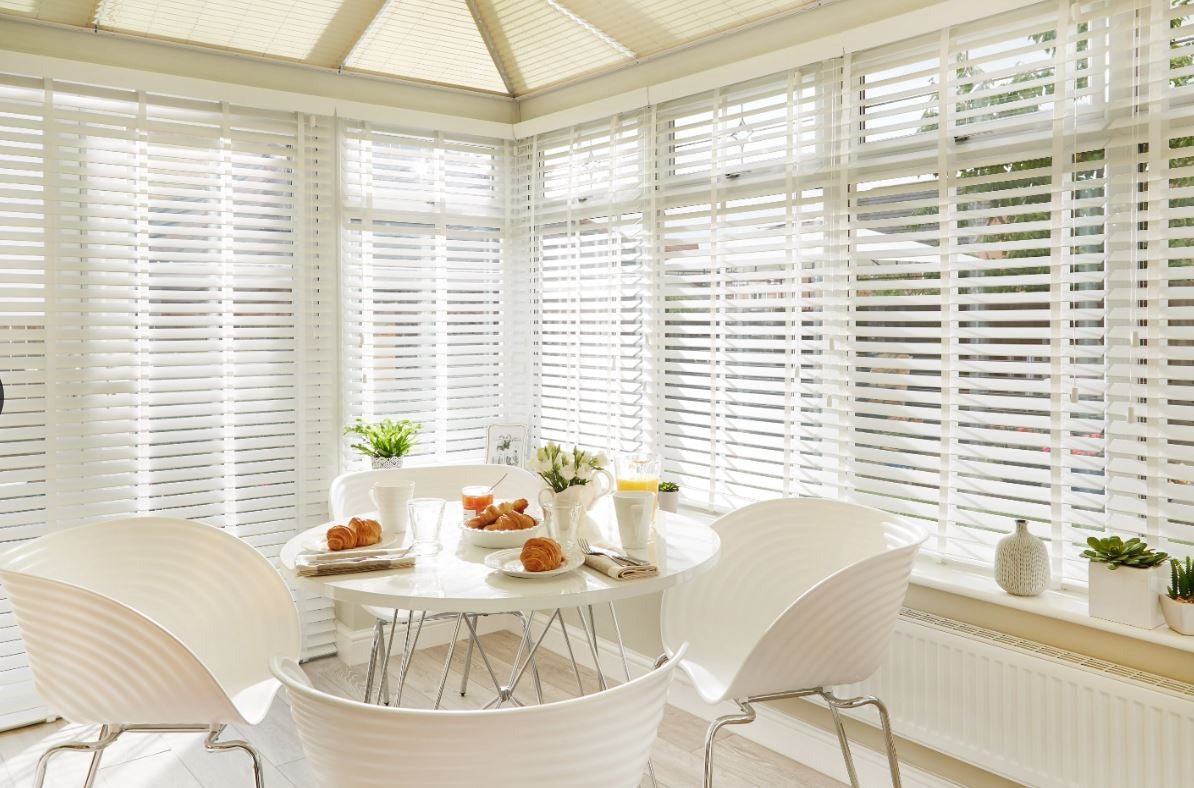
Natural wood stains show the grain and bring warmth, ideal if you want the timber to be the feature. White wooden blinds, by contrast, give a crisp, fresh, painted finish that suits coastal, contemporary, and traditional-cottage schemes alike, and they blend quietly into a white window frame. Between those, a huge range of stains and painted tones lets you match or contrast your woodwork.
Wooden blinds with tapes
Decorative cloth tapes run down the front of the blind, hiding the cord routing holes in the slats. Beyond the neater look, wooden blinds with tapes block a little more of the light that would otherwise slip through the cord holes, and they add a smart, tailored detail. It's a small choice that noticeably changes the finished appearance, so it's worth deciding early.
Real wood or faux wood?
This is the decision that trips people up, and it comes down to the room. Real wood is lighter, warmer to the touch, and has natural grain variation that many people prefer. Faux wood venetian blinds are made from a moisture-resistant composite, so they handle humidity, steam, and the occasional splash without warping, which makes them the sensible pick for kitchens and bathrooms.
If your window is in a dry living space, real wood rewards you with a finer look and lighter weight. If it's anywhere that gets damp, faux wood is the practical answer. Some people run real wood through the main rooms and faux wood in the wet rooms, matching the colour so the house stays coherent.
Fitting options, including no-screw fits
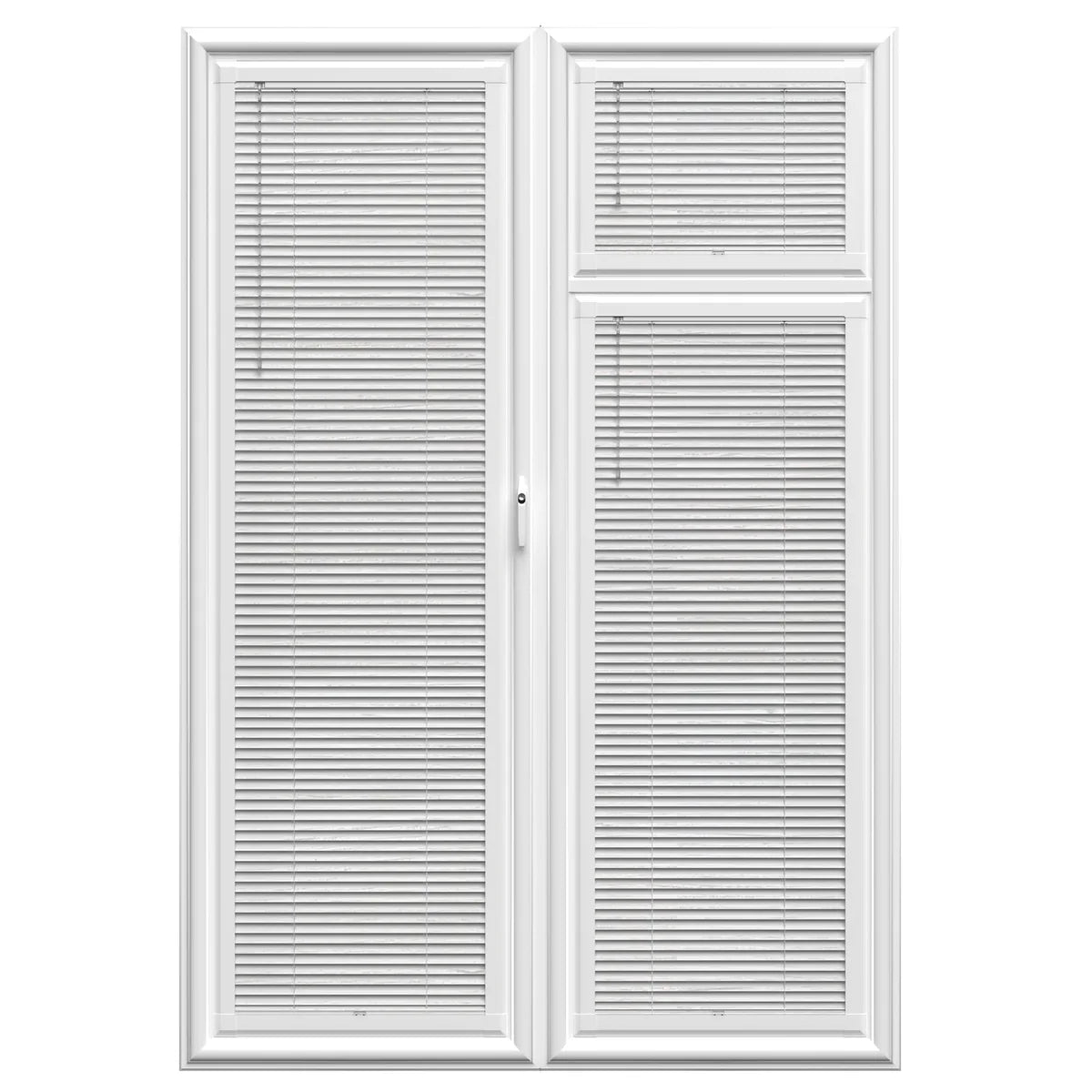
Wooden venetian blinds can be recess-fitted inside the window or face-fitted on the wall above it, the same as other blinds. If you have UPVC windows and would rather not drill, a perfect fit system is worth a look. Perfect fit blinds clip into a frame that attaches to the window without screws into the wall, holding the blind neatly against the glass, which is tidy and renter-friendly.
Whichever fit you choose, wooden blinds carry more weight than aluminium ones, so accurate measuring and a fitting suited to that weight matter. A blind that's the right size hangs straight, tilts evenly, and raises smoothly.
Caring for wooden blinds
Real wood is easy to live with if you keep it dry. Dust the slats regularly with a soft cloth or a brush attachment, and wipe occasional marks with a barely damp cloth rather than soaking them. Avoid harsh cleaners and standing moisture, which are what damage timber over time. To keep the blind operating sweetly and looking its best, the right cleaning tools and replacement parts help, and it's worth a look through blinds accessories if you want to maintain them properly.
Kept dry and dusted, a good wooden venetian blind ages gracefully and holds its looks for years, which is a large part of why people are happy to choose real timber for their main rooms.
Frequently asked questions
Are wooden venetian blinds a good idea?
Yes, for dry rooms they're an excellent idea. They offer precise light control and a warm, natural finish that suits living rooms, studies, and bedrooms particularly well. The one caveat is moisture: for kitchens and bathrooms, a faux wood version handles humidity far better than real timber.
Do wooden venetian blinds warp?
Real wooden blinds can warp if they're repeatedly exposed to steam or damp, which is why they're best kept to dry rooms and wiped rather than soaked when cleaning. In normal living spaces they hold their shape well for years. If a window is in a humid room, choose faux wood instead, as it resists warping.
What is the difference between wooden and faux wood venetian blinds?
Real wooden blinds are made from natural timber, so they're lighter, warmer to the touch, and show natural grain. Faux wood blinds are made from a moisture-resistant composite that looks similar but resists warping in damp conditions, which makes it the better choice for kitchens and bathrooms. Real wood wins on feel and finish in dry rooms; faux wood wins on practicality in wet ones.