Skip to content


 Vertical Blinds
 Roman Blinds
 Roller Blinds
 Venetian Blinds
 Day and Night Blinds
 Skylight Blinds
 Children
 Wooden Blinds
 Curtains
 Blinds Accessories
 White
White Yellow
 Gold
Gold Green
Green Grey
Grey Pink
Pink Orange
 Animal
 Floral
 Geometric
 Striped
 Motorized Day and Night Blinds
 Motorized Roller Blinds
 No Drill Rollers
 Perfect Fit Wooden
 Perfect Fit Metal
 Thermal Blinds
 Better Sleep Blinds
 Cordless Blinds
 No Drill Blinds
 Blackout Blinds
 Waterproof Blinds
 Easy Wipe Blinds
 Taped Blinds
 Conservatory
 Office
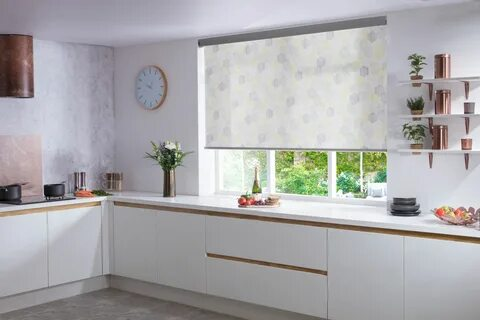 Kitchen
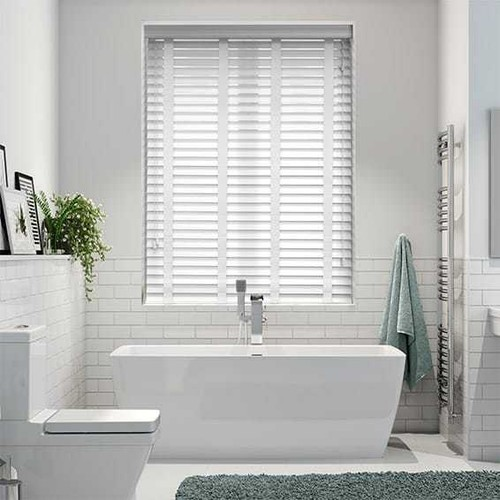 Bathroom
 Dining Room
 Kids Room
 Living Room
 Bedroom
 Bay Window
 Conservatory Window
 Tild and Turn Window
 Bi Fold Window
 Roof of Skylight
 French Door
 Sliding Door
Faux Wood Venetian Blinds: The Practical Alternative to Real Wood
- by Mariam Labadze
 Faux wood venetian blinds are a smart alternative to real timber when you want the wood look in a room that gets damp. Made from a moisture-resistant composite, they resist the warping and swelling that can affect real wood in kitchens and bathrooms, they wipe clean easily, and they usually cost less. In wet or busy rooms, they often make more sense than the real thing.
The name says it all: these blinds mimic the appearance of wooden slats using a durable synthetic material. Good ones do it convincingly, with grain-effect finishes and slat sizes that match their timber counterparts. What you gain is resilience. What you sacrifice, if anything, is a little of the lightness and tactile warmth of natural wood. For many rooms that's a trade well worth making, and here's how to judge whether it's right for yours.
[toc]
Are faux wood venetian blinds a good alternative to real wood?
For kitchens, bathrooms, and hard-working family rooms, yes, they're often the better choice. The composite construction shrugs off steam, humidity, and splashes that would eventually warp real timber, so they keep their shape and finish in conditions that are tough on wood. They're also easy to clean, which matters in a kitchen where cooking residue settles on everything.
Cost is part of the appeal too. Faux wood generally comes in below equivalent real wood, so if budget is a factor you get the wood aesthetic without the premium. As part of the broader venetian blinds family, faux wood sits as the practical, everyday option, while real wood is the natural, premium one. Neither is simply better; they suit different rooms and different budgets.
Do faux wood venetian blinds look cheap?
This is the honest worry, and the answer is that quality varies. A well-made faux wood blind with a realistic grain finish and properly proportioned slats looks smart and reads as wood from normal viewing distance. A poorly made one can look flat and plasticky. The difference is in the finish and the slat quality, not the category itself.
To keep the look convincing, choose a slat width that suits your window, match the colour to your existing woodwork, and consider the tape option, which we'll come to. Up close, a keen eye may tell faux from real, but in daily use, in a kitchen or bathroom, most people won't give it a second thought. If you specifically want the finer look and feel of natural timber for a dry living room, that's the moment to compare against the wooden blinds range instead.
Where faux wood blinds work best
Faux wood earns its keep in the rooms real wood struggles with.
Kitchens
Steam from the hob and kettle, plus airborne cooking grease, make kitchens hard on any window treatment. Faux wood copes with the humidity and wipes clean, so it's a natural fit over a kitchen window, kept sensibly clear of the hob.
Bathrooms
Bathrooms are the strongest case of all. Constant moisture would ruin real timber, but a faux wood blind handles it comfortably. For a bathroom you may also want to look at fully moisture-designed options in the waterproof blinds range, particularly for windows right beside a shower or bath where splashing is frequent.
Family and rental spaces
In busy households and rentals, the durability and easy cleaning of faux wood are practical virtues. It takes daily life in its stride and cleans up quickly, which is exactly what a hard-working room needs.
Colour, slats and tapes
The specification shapes the finished look just as it does with real wood.
White venetian blinds are especially popular in faux wood, because a crisp white finish suits bright kitchens and bathrooms and hides the synthetic nature of the material well. Wood-effect stains, from pale to dark, give warmth if you want the blind to echo timber furniture or flooring. If you want something sleeker and more contemporary, aluminium venetian blinds are a related option worth knowing about, though they give a metallic rather than a wood look.
Slat width follows the same logic as real wood: wider slats for larger windows and a bolder look, narrower for smaller windows and a more delicate feel. And as with timber, venetian blinds with tapes add decorative cloth strips down the front that hide the cord holes, block a little extra light through the slats, and give a smart, finished appearance. It's a small upgrade that lifts the look.
For bedrooms, remember that standard venetian slats let some light through the gaps even when closed. If you need real darkness, look at blackout venetian options or a dedicated blackout blind rather than expecting slats alone to black out a room.
How to clean venetian blinds
One of the quiet pleasures of faux wood is how easy it is to keep clean, which is a real advantage in the very rooms it's designed for. Dust the slats with a soft cloth, a duster, or a vacuum brush attachment, running along each slat. For kitchen grease or bathroom grime, wipe the slats with a damp cloth and a mild cleaner, then dry them off. Unlike real wood, faux wood doesn't mind the moisture, so a proper wipe-down is fine.
Doing this regularly stops residue building up and keeps the finish looking fresh. The right cleaning tools make the job quicker, and replacement cords or wands keep the blind operating smoothly over the years, so it's worth browsing blinds accessories to keep everything in good order.
Choosing between faux wood, real wood and aluminium
A quick way to decide: match the blind to the room, not the other way round. Choose real wood for dry living rooms, studies, and bedrooms where you want natural warmth and don't mind keeping it dry. Choose faux wood for kitchens, bathrooms, and busy family rooms where moisture and cleaning are daily realities, and where you want the wood look at a friendlier price. Consider aluminium if you'd rather a slim, modern, metallic finish than a wood one.
Made to measure venetian blinds in any of these materials give you the neatest fit, cut to your exact window so the slats sit level and the blind raises evenly. Whatever you choose, accurate measuring is what turns a good blind into a great-looking one.
Frequently asked questions
Are faux wood blinds better than real wood?
It depends on the room. Faux wood is better for kitchens, bathrooms, and damp or busy spaces because it resists warping, wipes clean, and usually costs less. Real wood is better for dry living rooms and bedrooms, where its lighter weight and natural grain give a finer look and feel. Match the material to the conditions and the budget.
Do faux wood venetian blinds look cheap?
A quality faux wood blind with a realistic grain finish and well-proportioned slats looks smart and convincingly wood-like at normal viewing distance. Cheaper, lower-grade versions can look flat, so the finish and slat quality are what matter. Choosing the right colour, slat width, and adding tapes all help keep the look convincing.
Can faux wood blinds be used in bathrooms?
Yes. Faux wood is one of the best venetian choices for bathrooms because its moisture-resistant composite handles humidity and splashes without warping, unlike real timber. For windows right next to a shower or bath, it's also worth considering fully waterproof-designed blinds for extra peace of mind.