Skip to content


 Vertical Blinds
 Roman Blinds
 Roller Blinds
 Venetian Blinds
 Day and Night Blinds
 Skylight Blinds
 Children
 Wooden Blinds
 Curtains
 Blinds Accessories
 White
White Yellow
 Gold
Gold Green
Green Grey
Grey Pink
Pink Orange
 Animal
 Floral
 Geometric
 Striped
 Motorized Day and Night Blinds
 Motorized Roller Blinds
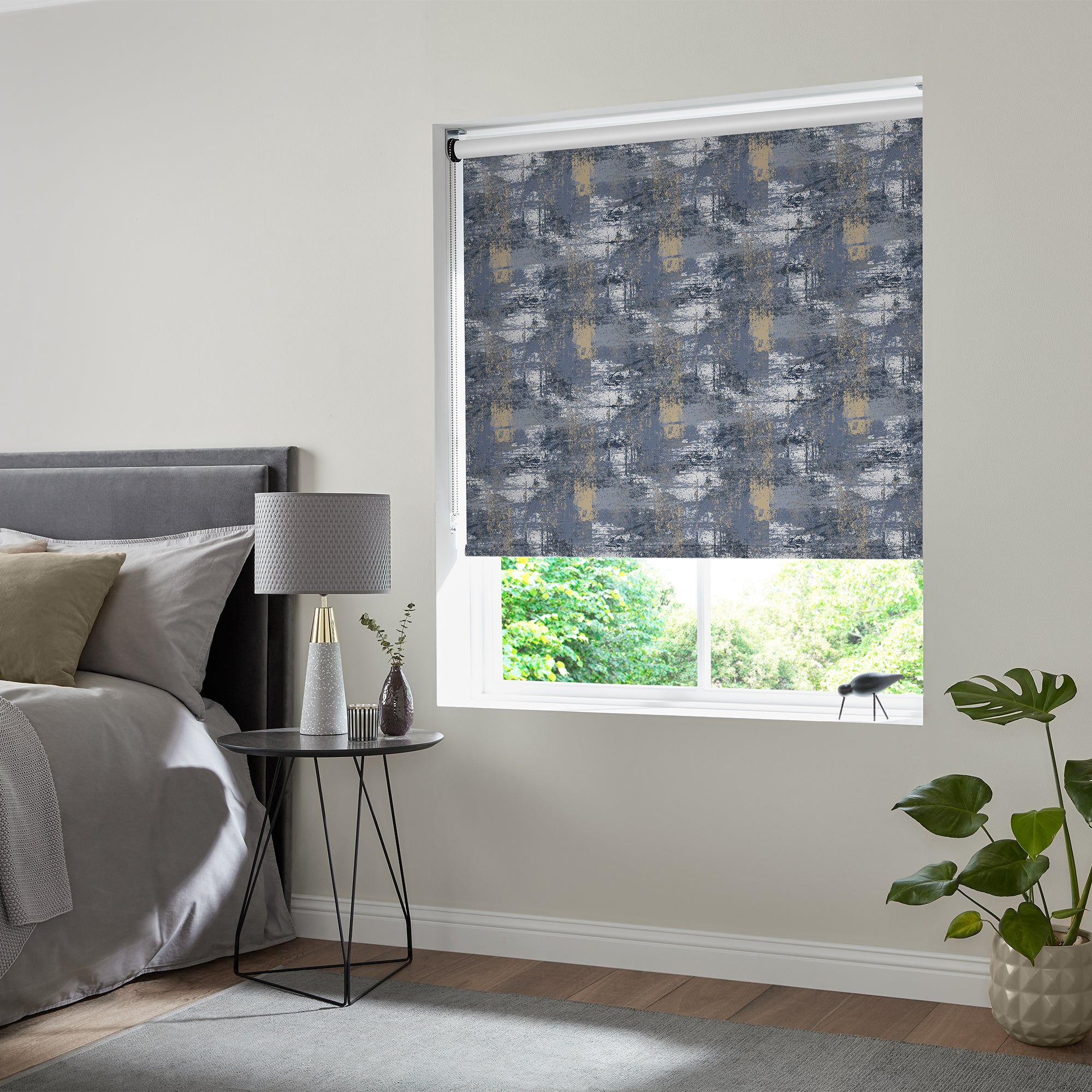 No Drill Rollers
 Perfect Fit Wooden
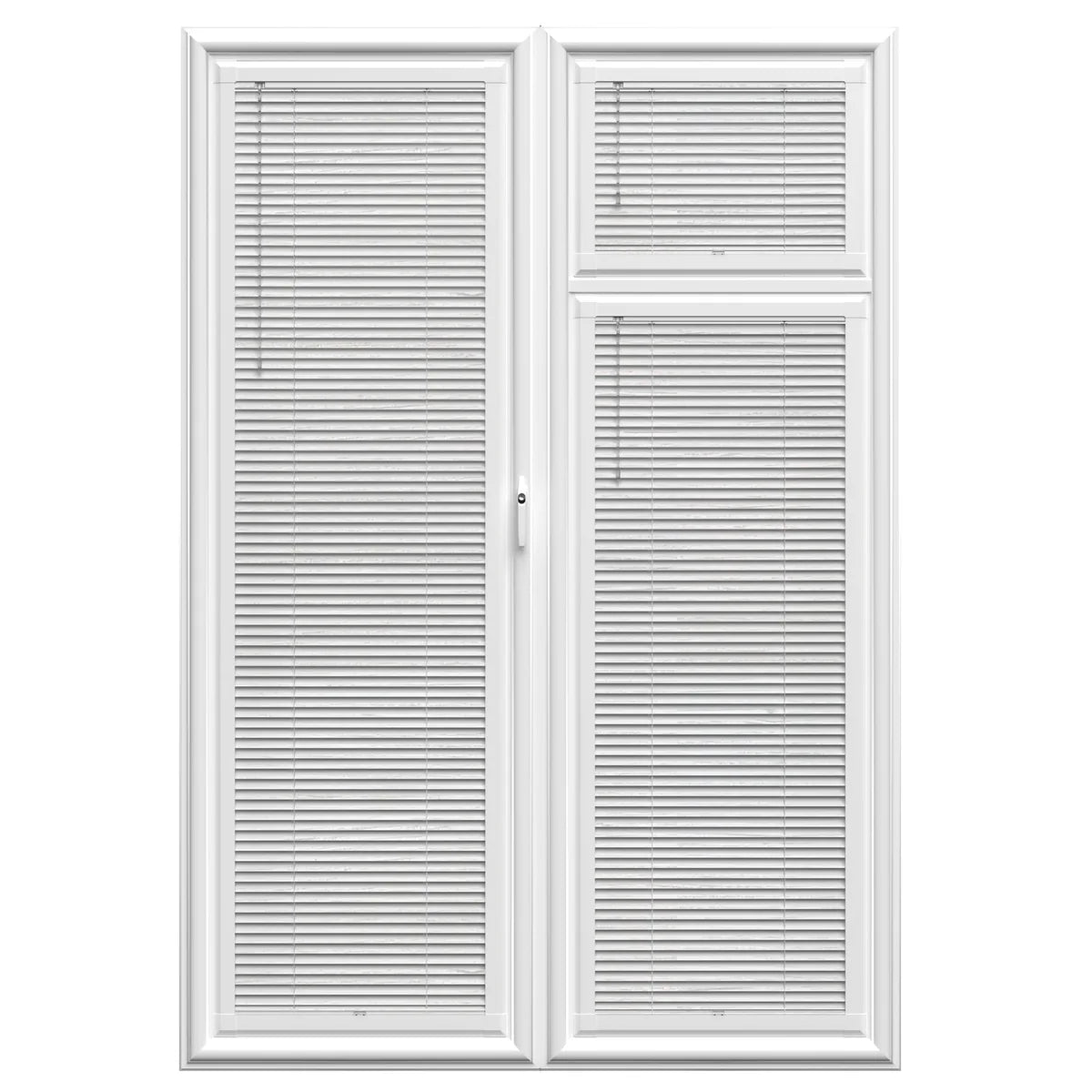 Perfect Fit Metal
 Thermal Blinds
 Better Sleep Blinds
 Cordless Blinds
 No Drill Blinds
 Blackout Blinds
 Waterproof Blinds
 Easy Wipe Blinds
 Taped Blinds
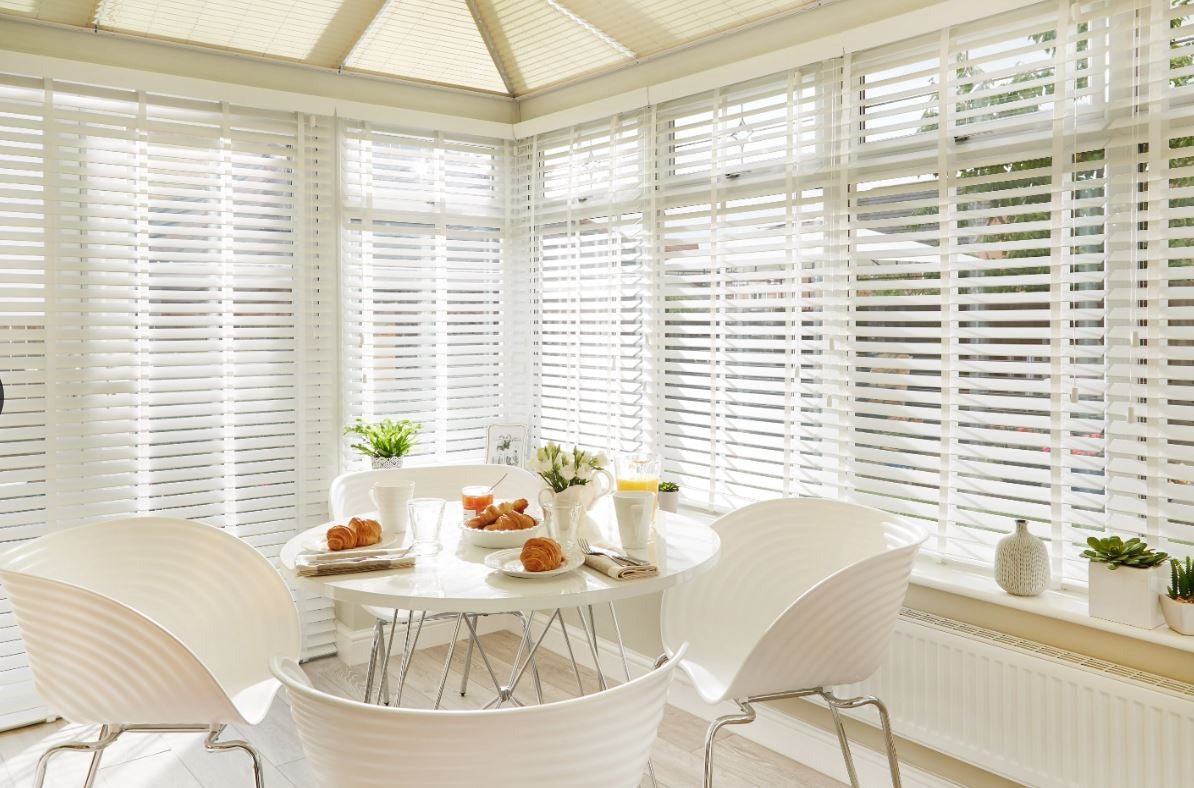 Conservatory
 Office
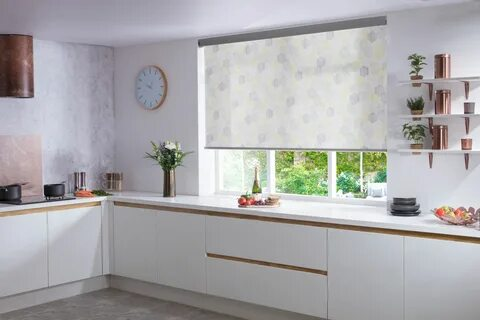 Kitchen
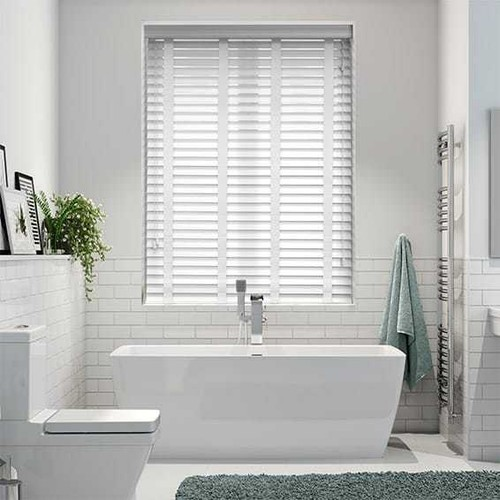 Bathroom
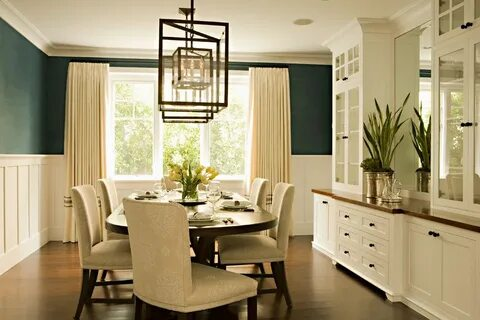 Dining Room
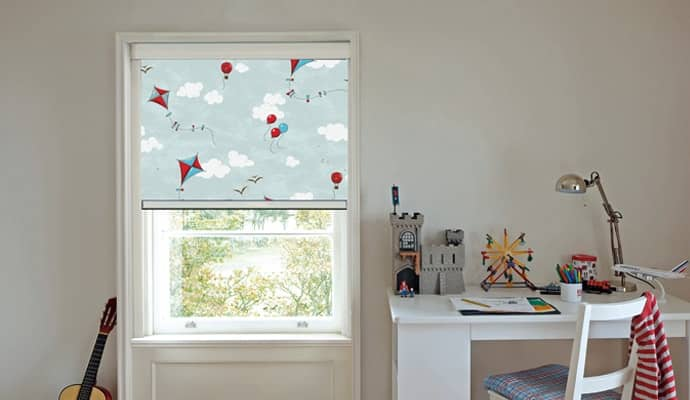 Kids Room
 Living Room
 Bedroom
 Bay Window
 Conservatory Window
 Tild and Turn Window
 Bi Fold Window
 Roof of Skylight
 French Door
 Sliding Door
Made to Measure Roman Blinds: How to Get the Perfect Fit
- by Mariam Labadze

Roman blinds made to measure are worth it when you want a soft, tailored look that fits your window exactly, with clean folds and no gaps down the sides. The perfect fit comes from careful measuring: decide on a recess or face fit first, measure width and drop in several places, and work to precise figures rather than rounding. Get that right and the blind hangs beautifully.
Roman blinds sit somewhere between a hard blind and a curtain. When raised, the fabric stacks into neat horizontal folds; when lowered, it falls into a smooth flat panel. That softness is the appeal, and it's also why fit matters so much. A hard roller blind forgives a slightly loose measurement. A fabric roman shows every millimetre, so a blind that's too narrow leaves light gaps and one that's too wide bunches and catches.
[toc]
Are made to measure roman blinds worth it?
For most people, yes. Ready made roman blinds come in set sizes, which is fine if your window happens to match, but UK windows are rarely standard, especially in older or extended homes. A made-to-measure blind is cut to your exact width and drop, so it fills the window properly and the folds sit evenly.
The look is the main reason people choose them. A tailored roman gives a room the warmth and softness of a curtain while taking up less space and less fuss. Explore the full roman blinds range and you'll see how much the fabric changes the feel of a room, from crisp cottons to relaxed linen.
There's a practical side too. When a blind is made to your measurements, the folds are calculated to stack neatly, the lining hangs true, and the whole thing operates smoothly. That precision is difficult to match by buying off the shelf and hoping.
How to measure for roman blinds
Accurate measuring is where the perfect fit is decided. Start by choosing your fit type, because everything follows from that.
Recess fit or face fit?
A recess fit sits the blind inside the window opening, giving a tidy, built-in look. It suits deep recesses and windows you want to keep clear. A face fit mounts the blind on the wall or frame above the window, with the fabric hanging over the opening. Face fitting is the better choice for shallow recesses, and it lets you cover more of the surrounding wall, which helps reduce light spill and can make a small window look larger.
Taking the measurements
For a recess fit, measure the width in three places (top, middle, bottom) and use the smallest figure. Measure the drop in three places too, from the top of the recess to the sill, and again take the smallest. Small deductions are usually applied so the blind clears the sides, and a made-to-measure supplier handles that for you once you specify a recess fit.
For a face fit, decide how far you want the blind to extend beyond the opening on each side and above it, then measure the full width and drop you want the finished blind to cover. More overlap means less light escaping around the edges.
A steel tape rather than a fabric one gives you the accuracy you need. Measure twice, note whether each figure is recess or face, and record them clearly before you order.
Choosing the right fabric and lining
The fabric sets the mood; the lining sets the performance. Both deserve a moment's thought.
Linen roman blinds bring a relaxed, natural texture that suits living rooms and bedrooms with a softer, informal scheme. Crisper cottons and weaves feel more structured. For a kitchen, look for fabrics that cope with steam and the occasional splash, and keep the blind clear of the hob. Kitchen roman blinds work well over a sink window where you want softness without the bulk of curtains.
Lining is where you control light and warmth:
-
Standard lining protects the fabric and gives a neat finish, letting some daylight through.
-
Blackout lining darkens the room, which is why blackout roman blinds are popular in bedrooms and nurseries. As with any blind, the lining blocks light through the fabric, while snug fit and generous face-fit overlap deal with edge light. If darkness is the priority, it's also worth looking at the dedicated blackout blinds range alongside your roman.
No drill roman blinds for renters
If you can't drill, you're not shut out of the roman look. No drill roman blinds use tension or clip-on fittings that hold the headrail without screws, so renters and leaseholders can have a tailored fabric blind and take it down cleanly later. The fabric and fold options are the same; only the fitting changes. Have a look at the no drill blinds range to see which fittings suit your windows.
Because a roman blind carries a little more weight than a flat roller, matching the no-drill fitting to your window and staying within the recommended size is especially worth checking here.
Finishing details that make a difference
Small choices lift a roman blind from fine to lovely. Consider how the blind is operated: a cordless or corded control, or a continuous chain, each changes the daily feel and the safety picture, which matters in children's rooms. The right fixings, chains, and tidy-away accessories all contribute to a clean result, and it's worth browsing blinds accessories to complete the installation properly rather than making do.
Think too about the fold size in relation to your drop. A tall window carries larger folds gracefully; a short one looks best with smaller, closer folds. A made-to-measure service typically balances this for you, which is another quiet advantage over a fixed-size blind.
What drives the cost
Made-to-measure prices vary, and rather than quote figures that would be misleading, it's more useful to know what moves the price. The main factors are the size of the window, the fabric you choose (natural weaves and specialist prints usually cost more than plain cottons), the lining (blackout and thermal linings add to a standard lining), and the operating system, including any motorisation. Fit type and any extras play a smaller part.
The sensible step is to measure your window, pick a fabric and lining you like, and request a made-to-measure quote so you see the real cost for your exact specification. That's far more reliable than a ballpark, because two windows of different sizes and fabrics can differ a good deal.
Frequently asked questions
Are made to measure roman blinds worth it?
For most UK homes, yes. Windows are rarely a standard size, so a made-to-measure blind fits properly, hangs evenly, and gives the tailored, soft look that romans are chosen for. You also get to match fabric, lining, and operation to the room, which ready-made sizes can't always offer.
How do you measure for roman blinds?
First choose a recess fit (inside the opening) or a face fit (on the wall or frame above it). For a recess fit, measure width and drop in three places each and use the smallest figures. For a face fit, decide how far the blind should extend beyond the opening and measure the full finished size you want it to cover. Use a steel tape and double-check every figure.
How much do made to measure roman blinds cost?
Cost depends on the window size, the fabric, the lining (blackout and thermal cost more than standard), and the operating system. Larger windows and premium fabrics push the price up. The most accurate way to know is to measure your window, choose your options, and request a made-to-measure quote for your exact specification.